
The world of interior design is an expansive realm where creativity and functionality intertwine. Each top interior designer leaves an indelible mark on their projects, characterized by unique design elements that define their signature style. Understanding these elements can provide insights into the innovative processes and philosophies of the industry’s most revered professionals. In this article, we will delve into the signature design elements that set apart the top interior designers, offering inspiration for both professionals and DIY enthusiasts alike.
Color Palette: The Emotional Language of Space
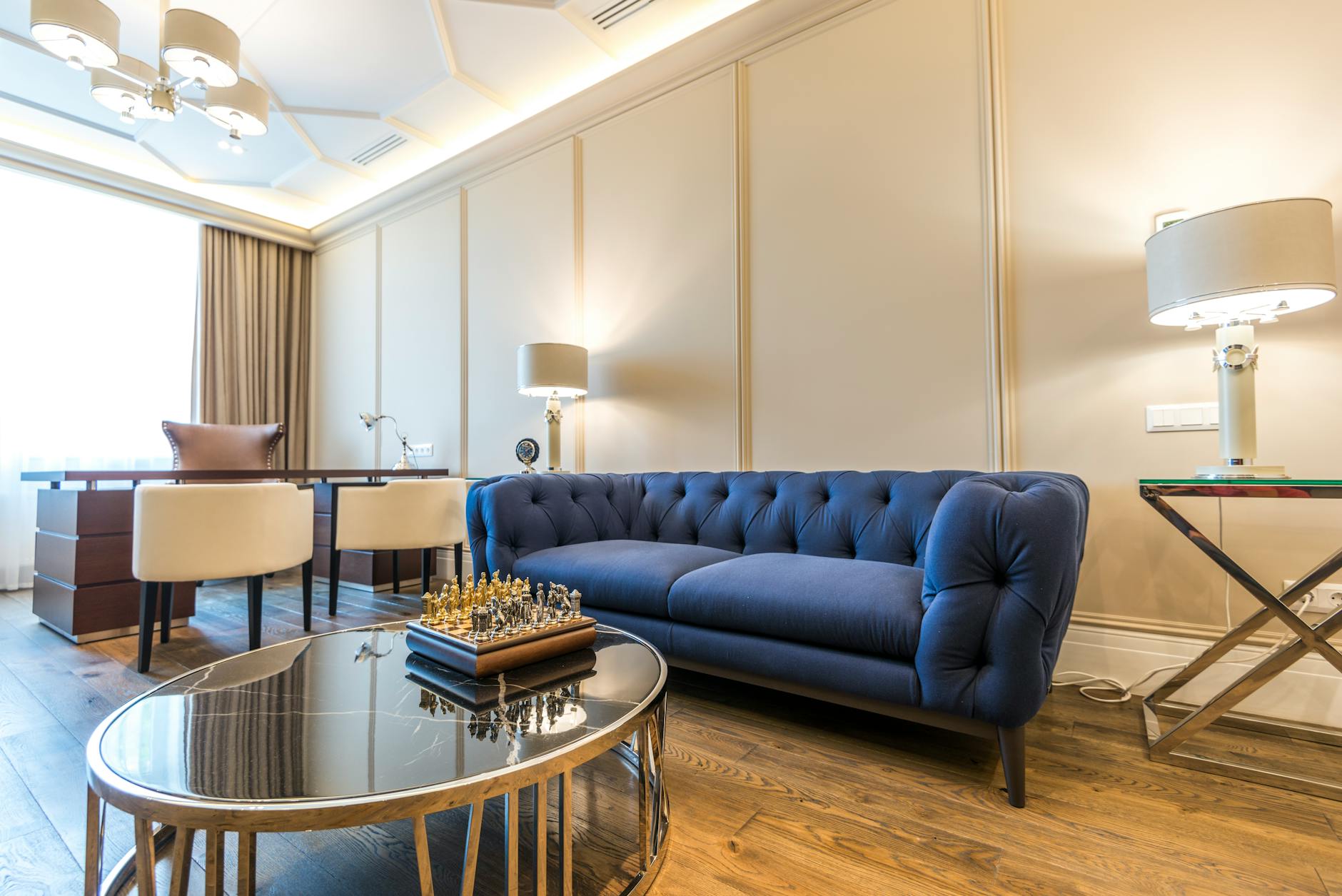
Color is one of the most powerful tools in interior design; it can evoke emotions, define spaces, and create focal points. Top interior designers often have a distinctive color palette that defines their work. For instance, the earthy tones and soft neutrals favored by designers like Parsonson and Co. create a serene and inviting atmosphere, ideal for residential settings. On the other hand, designers such as Kelly Wearstler are known for bold, dramatic colors that command attention and introduce a sense of energy into the space.
Incorporating a signature color palette doesn’t just involve paint or wallpaper; it extends to furnishings, textiles, and accessories. The skillful use of colors can transform a bland room into a vibrant, harmonious space. Designers often play with color saturation and contrast to add depth and interest, utilizing techniques like color blocking or monochrome schemes to create visual statements. The essence of color in interior design serves as the emotional language that resonates with the inhabitants, making the space uniquely personal.
Textures: Layers of Sensory Experience
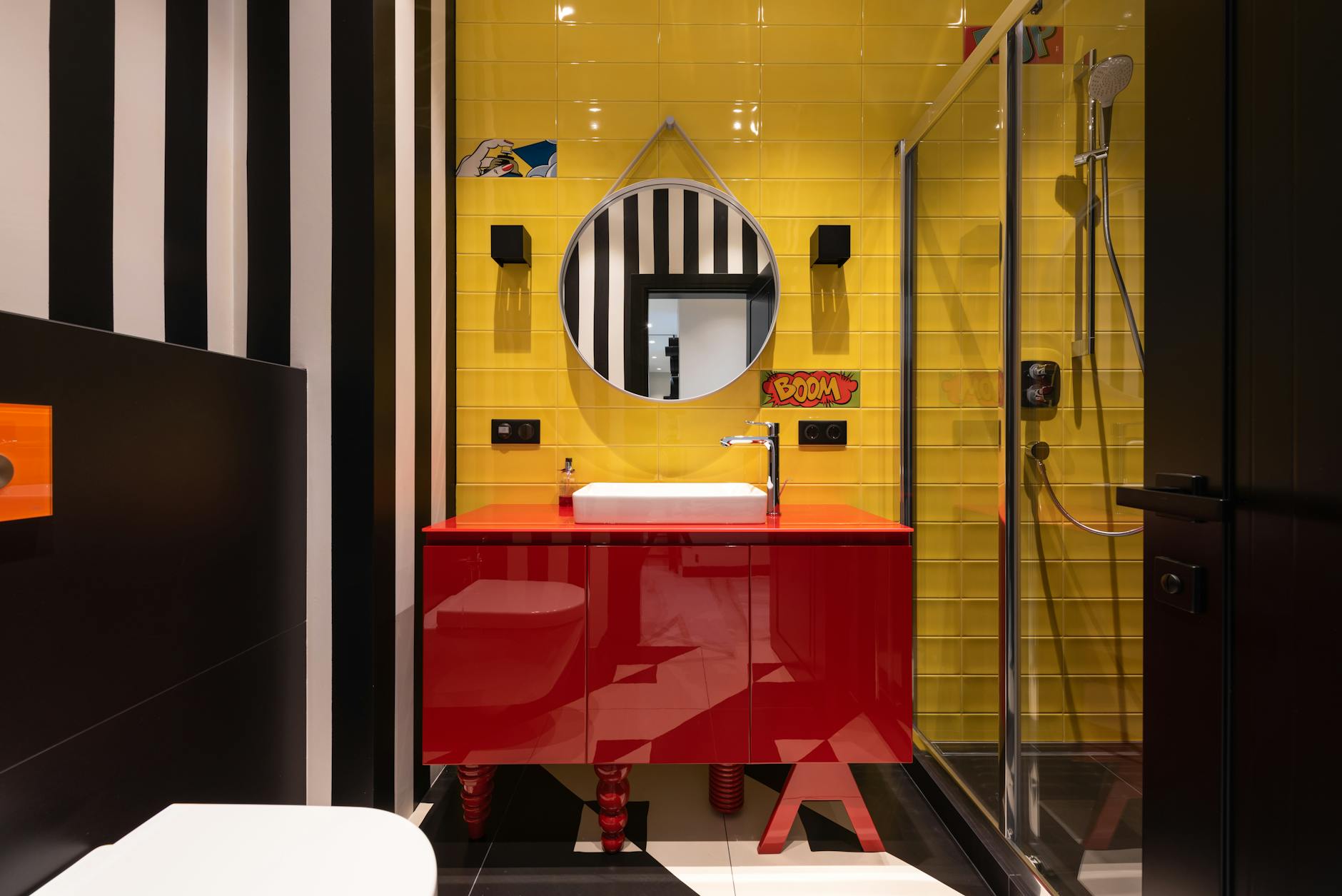
Texture is a critical element that contributes to the richness of a space. Top interior designers understand that layering different textures can evoke a sensory experience that enhances a room’s ambiance. For example, a designer like Jonathan Adler skillfully combines varied materials—such as plush velvet sofas, sleek glass accents, and rustic wood elements—to create a tactile contrast that invites touch and interaction.
Using textures effectively involves playing with not just physical materials but also the visual perception of texture. High-gloss finishes can be juxtaposed with matte surfaces, while soft and plush textiles can be complemented with hard surfaces like stone or metal. This layering creates depth and complexity within a room, ensuring that each element plays off the others harmoniously. Whether it’s through textiles, furniture, or architectural details, the mastery of texture helps to define a designer’s style and enhances the overall sensory experience of the space.
Furniture: Statement Pieces and Custom Creations
Furniture often serves as the focal point in any interior design project. Top designers have a keen eye for selecting statement pieces or custom creations that embody their aesthetic vision. Designers like Philippe Starck are renowned for their imaginative and often avant-garde furniture designs that challenge conventional norms, providing both functionality and artistic expression.
Moreover, custom furniture allows designers to tailor pieces to the specific dimensions and style of the space, ensuring a truly unique look. The use of bespoke furniture pieces not only contributes to the overall design narrative but also showcases craftsmanship and attention to detail. These signature pieces often become conversation starters, reflecting the homeowner’s personality and lifestyle while enhancing the functionality of the space. The strategic placement of furniture can create defined areas within an open layout, guiding movement and interaction in the space.
Lighting: The Understated Hero
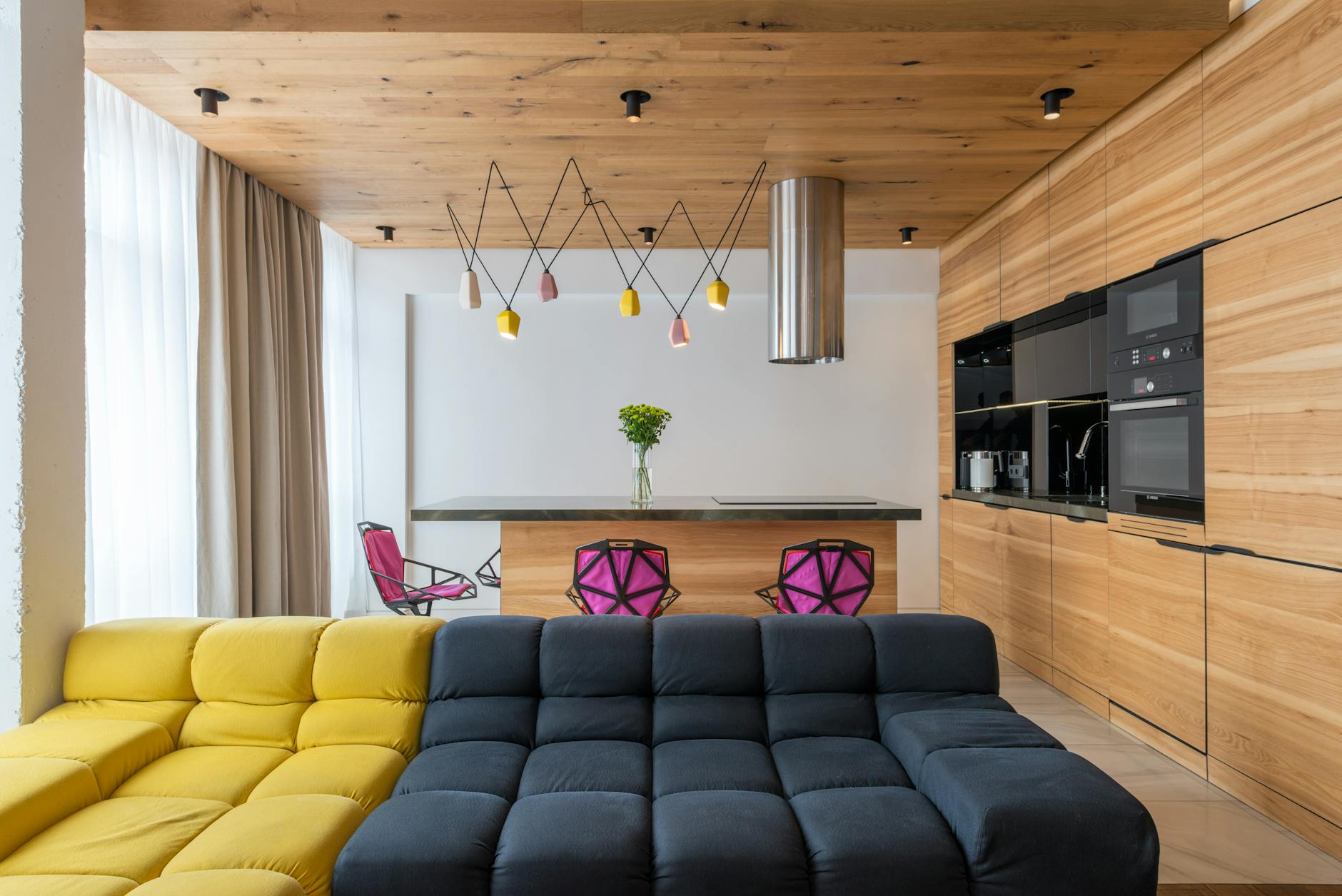
Lighting is an essential aspect of interior design that often goes unnoticed yet profoundly affects the mood and functionality of a space. Top designers utilize innovative lighting techniques to enhance their design narrative. For instance, the interplay of natural light with strategically placed artificial lighting can dramatically alter the perception of a room. Designers like Thomas O’Brien often incorporate statement light fixtures that serve as both functional and decorative elements, enhancing the room’s aesthetic.
Layered lighting is another hallmark of expert interior design. By combining ambient, task, and accent lighting, designers can create a dynamic atmosphere that adjusts to the needs and moods of the inhabitants. The careful selection of light fixtures and their placement can also help highlight architectural features or artwork, adding depth and interest. In this way, lighting transcends mere functionality—it becomes a fundamental design element that shapes the experience of the space.
Art and Accessories: Personal Touches that Speak Volumes
Art and accessories are the finishing touches that bring life and personality to an interior. Top designers recognize that carefully curated artwork and objects can tell a story, reflecting the tastes and experiences of the occupants. Whether it’s a bold contemporary painting or a collection of antique vases, these elements provide layers of meaning and context to the space.
Incorporating art into design also involves considering scale, placement, and framing. Designers like David Hicks emphasize the importance of creating visual balance by thoughtfully arranging art and accessories in relation to the overall design layout. The strategic use of accessories—such as sculptures, books, or textiles—can also serve to highlight color schemes and themes, further enhancing the cohesive look of the space.
Moreover, integrating personal collections or heirlooms into the design creates a sense of authenticity and warmth. It transforms the environment from a mere living space into a reflection of the individual’s journey, contributing to the sense of comfort and belonging within the home.
Conclusion: The Art of Personalization
At the heart of the signature design elements of top interior designers lies the principle of personalization. The best designers are not just decorators; they are storytellers who weave narratives through color, texture, furniture, lighting, and accessories. Their work transcends trends, creating enduring spaces that resonate with the essence of those who inhabit them. Aspiring designers and homeowners alike can glean valuable lessons from these industry leaders, understanding that it is the thoughtful integration of these elements that transforms a house into a home.
