
In recent years, the concept of open space living has gained significant traction in the realm of luxury interior design. The allure of open spaces transcends mere aesthetics; it is also a reflection of a lifestyle characterized by freedom, flow, and connectivity. Open space concepts encourage a seamless blend of living areas that foster interaction, allow for flexible use, and enhance the overall atmosphere of the home. In this article, we explore the principles behind open space living, its impact on luxury design, and how homeowners can effectively implement these concepts in their own spaces.
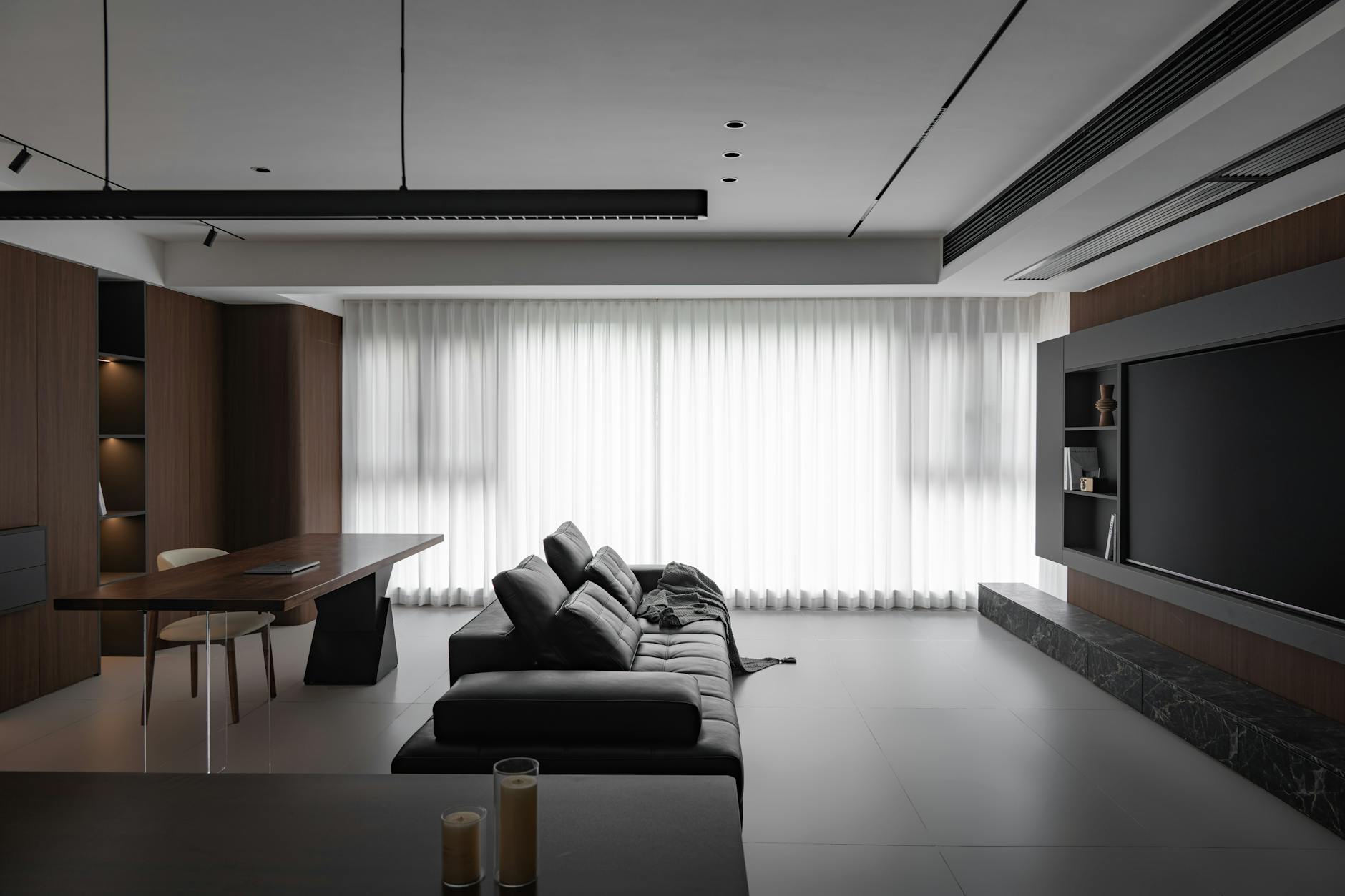
The Philosophy Behind Open Space Living
Open space living is not just about tearing down walls; it is fundamentally about creating an environment that encourages a fluid movement throughout the home. This design philosophy is rooted in the idea that spaces should not be compartmentalized but rather interconnected, which can significantly enhance the overall experience of a home. The absence of physical barriers allows for greater light dispersion, providing a sense of airiness and spaciousness that is highly desirable in luxury settings.
Moreover, open space concepts resonate with the modern lifestyle, which often emphasizes communal living and social interaction. For families and those who entertain frequently, these layouts promote a sense of togetherness that isolated rooms simply cannot offer. The design encourages conversations to flow easily, whether in the kitchen, living room, or dining area. Integrating these spaces cultivates an inviting atmosphere—perfect for hosting gatherings or enjoying quiet moments with loved ones.
Key Elements of Open Space Design
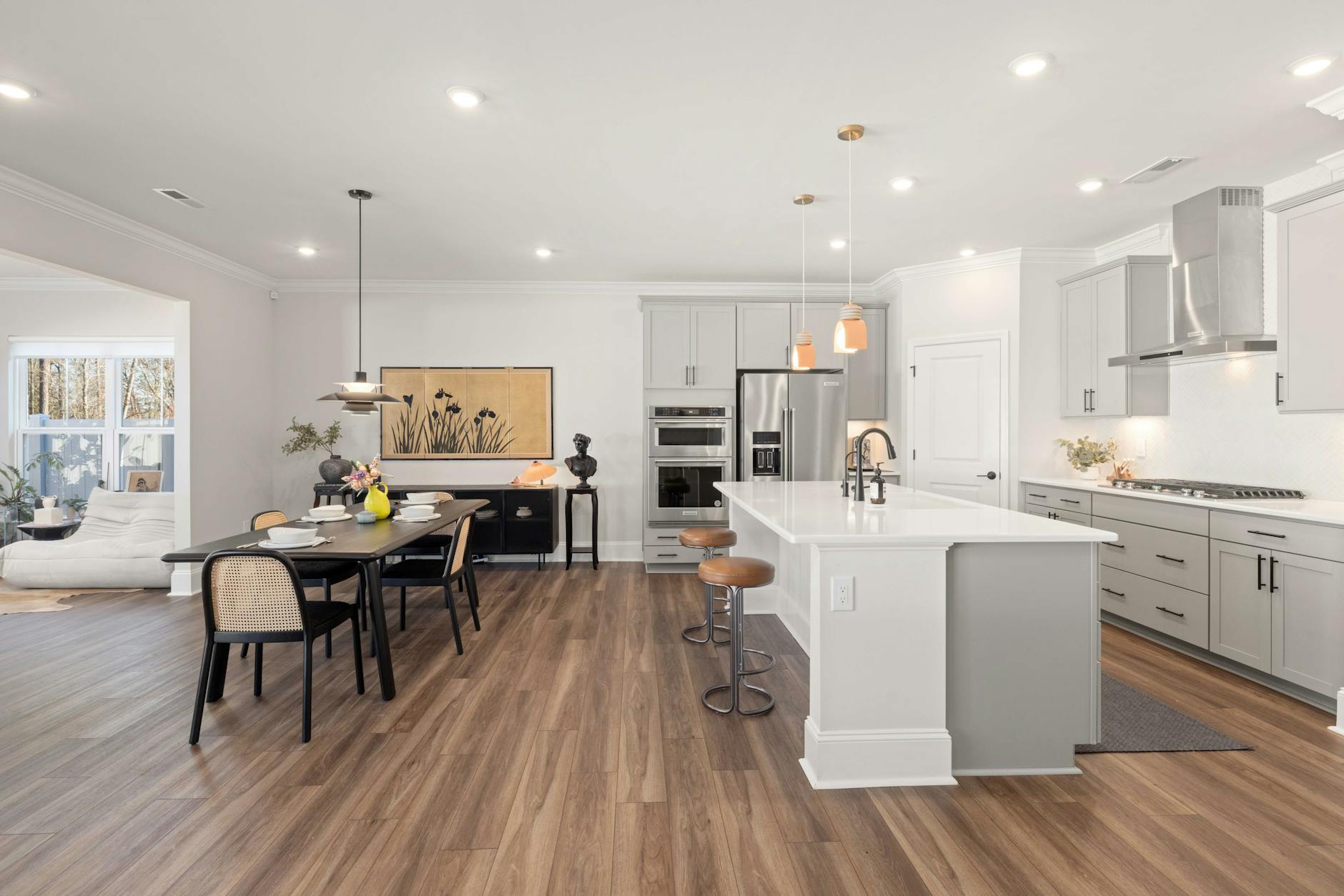
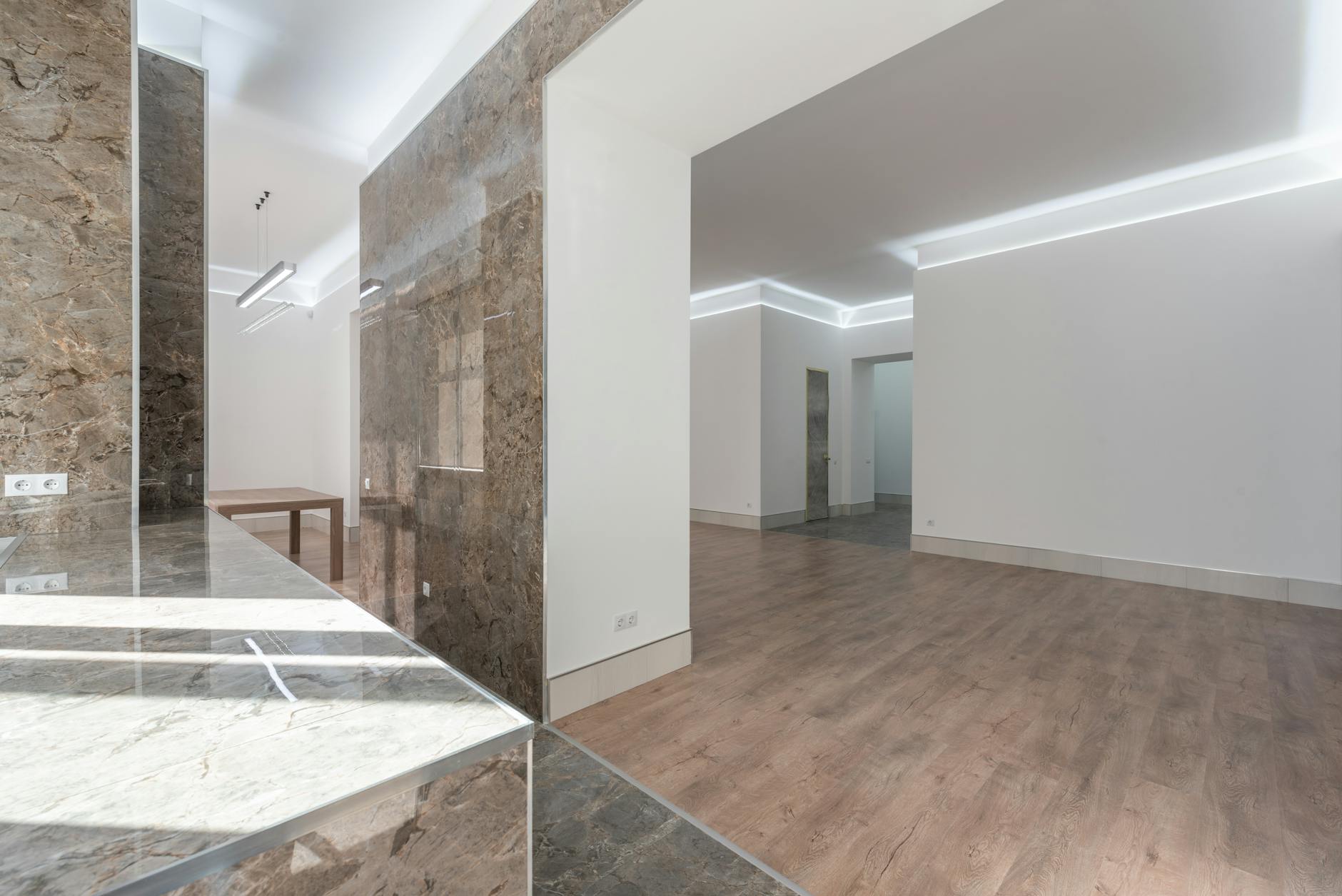
Incorporating open space concepts into luxury living involves several key elements that enhance both functionality and aesthetics. First and foremost is the use of materials that promote a cohesive design language throughout the home. High-end finishes—such as natural wood, marble, and glass—should be employed consistently to create visual harmony. This design approach helps delineate different areas within the open space without the need for physical walls. For instance, using a distinct material palette for the kitchen island can signal a transition from the cooking area to the dining space.
Another critical aspect is the strategic placement of furnishings. In open floor plans, it is essential to arrange furniture in a way that creates intimate zones while maintaining a sense of connection. Consider using area rugs to define different sections, such as a cozy sitting area within a larger living room. The careful selection of furniture is vital—luxury pieces should be chosen not only for their aesthetic but also for their scale. Oversized sofas may dominate a space, making it feel cramped, while thoughtfully sized furniture can encourage movement and flow.
Lighting: The Unsung Hero of Open Spaces
Lighting plays a pivotal role in the success of open space concepts, particularly in luxury homes. The right lighting can significantly enhance the mood, functionality, and overall vibe of the space. Incorporating natural light through large windows or glass doors not only connects the interior with the outside world but also enhances the open feel. When possible, consider removing heavy drapery and opting for sheer curtains that allow sunlight to stream in.
In addition to natural light, layered artificial lighting is essential for creating different atmospheres throughout the day and night. This involves the use of ambient, task, and accent lighting strategically placed to highlight specific areas. For example, pendant lights above an island add functional illumination while also serving as a design statement. Furthermore, smart lighting solutions allow homeowners to control the brightness and color temperature according to their preferences, providing ultimate flexibility in setting the desired mood.
Bringing the Outdoors In
One of the most compelling aspects of open space living is the ability to blur the lines between the indoors and outdoors. Luxury homes often feature expansive openings that facilitate an easy transition to outdoor living areas. This connection enhances not only the aesthetic appeal but also the functionality of the space, allowing for outdoor dining and entertaining. Incorporating biophilic design elements—such as greenery, natural materials, and water features—into open spaces helps to create a rejuvenating environment that connects residents with nature.
Indoor plants can serve multiple purposes in luxury open spaces; they add color, improve air quality, and create a calming atmosphere. Moreover, incorporating large sliding or folding doors enables homeowners to open up their spaces fully, creating a seamless flow that invites fresh air and natural beauty into their homes. Outdoor patios and terraces can be designed as extensions of the indoor living area, complete with comfortable seating and stylish decor. This design approach encapsulates the essence of luxury living—where comfort, style, and nature coexist harmoniously.
Personalization: Tailoring Open Spaces to Individual Lifestyles
Although open space concepts are rooted in certain design principles, personalization remains crucial in creating a luxurious environment that reflects the homeowner’s tastes and lifestyle. The beauty of open spaces is their adaptability; they can be customized to suit various needs and preferences. For instance, a family with young children may benefit from a more playful approach to zoning, utilizing colors and textures that appeal to children while maintaining adult sophistication.
Artwork also plays a significant role in personalizing open spaces. A carefully curated collection can serve as both a focal point and a means of self-expression. When choosing artwork, consider the scale and layout of the space; large pieces can anchor an open area, while smaller works can create a gallery-like feel on walls. Additionally, bespoke furnishings and accents can be used to reflect the homeowner’s personality, allowing for a unique blend of luxury and individual expression.
Ultimately, the goal of luxury open space design is to create an environment that complements its inhabitants—one that feels both luxurious and lived-in. With thoughtful consideration of layout, materials, lighting, and personalization, homeowners can fully embrace the allure of open space living.
