
In a world increasingly dominated by social media and the relentless quest for validation, the concept of luxury is evolving. Once synonymous with opulence and ostentation, true luxury is now often characterized by discretion. This shift reflects deeper societal changes, where privacy and authenticity hold more significance than flashy displays of wealth. In the realm of interior design, this trend manifests in various ways, from more subtle aesthetics to thoughtful use of space that prioritizes personal comfort and sanctuary over ostentatious grandeur.
The Rise of Subtle Sophistication
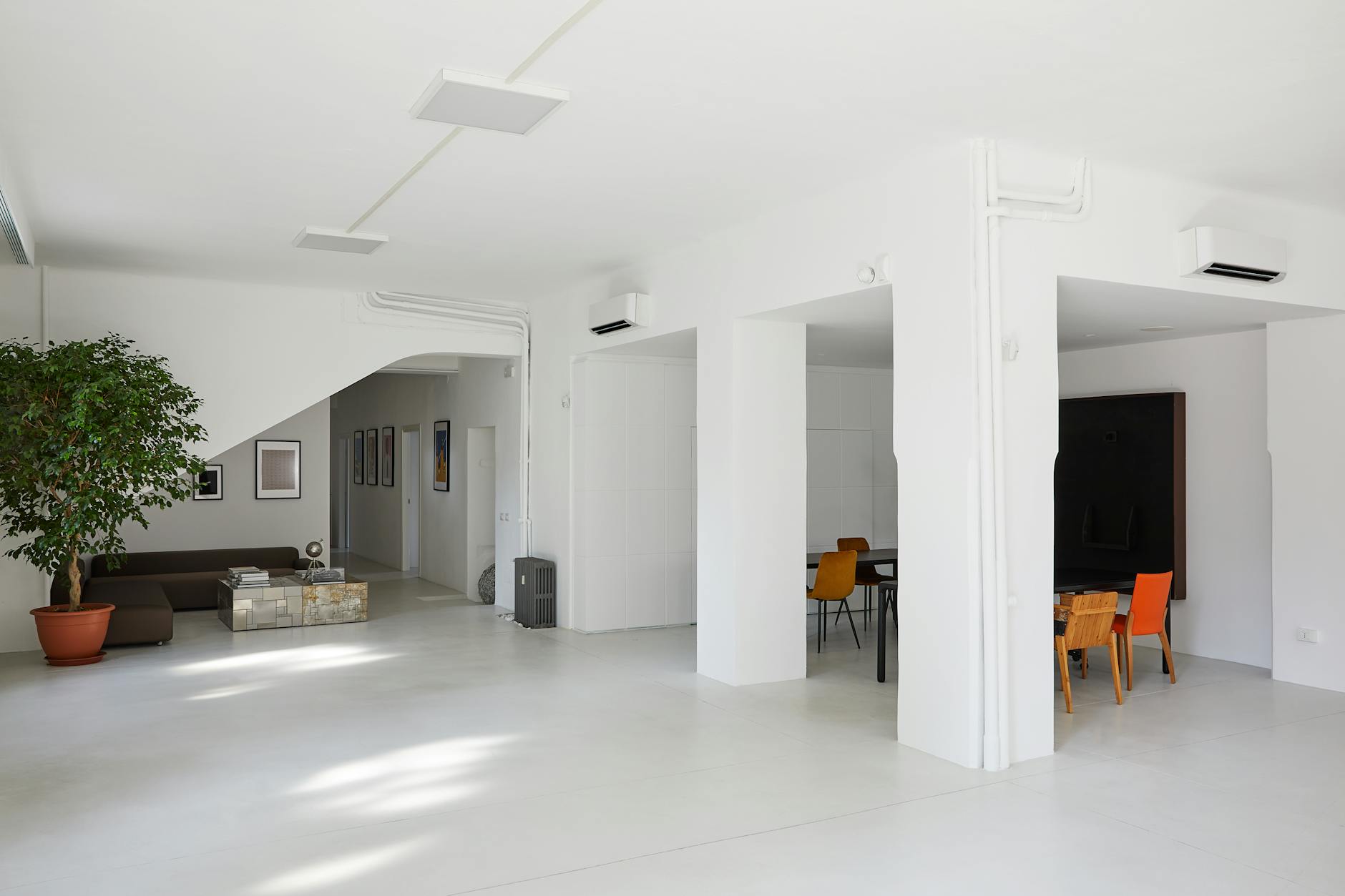
Gone are the days when luxury interiors were defined by glitzy chandeliers and abundant gold accents. Today, minimalistic design that prioritizes clean lines and muted tones is gaining traction. This quiet sophistication is achieved through careful selection of materials and furnishings that elevate a space without overwhelming it. Designers are increasingly focusing on high-quality materials like natural wood, soft textiles, and artisanal craftsmanship, which communicate luxury through texture and detail rather than sheer volume.
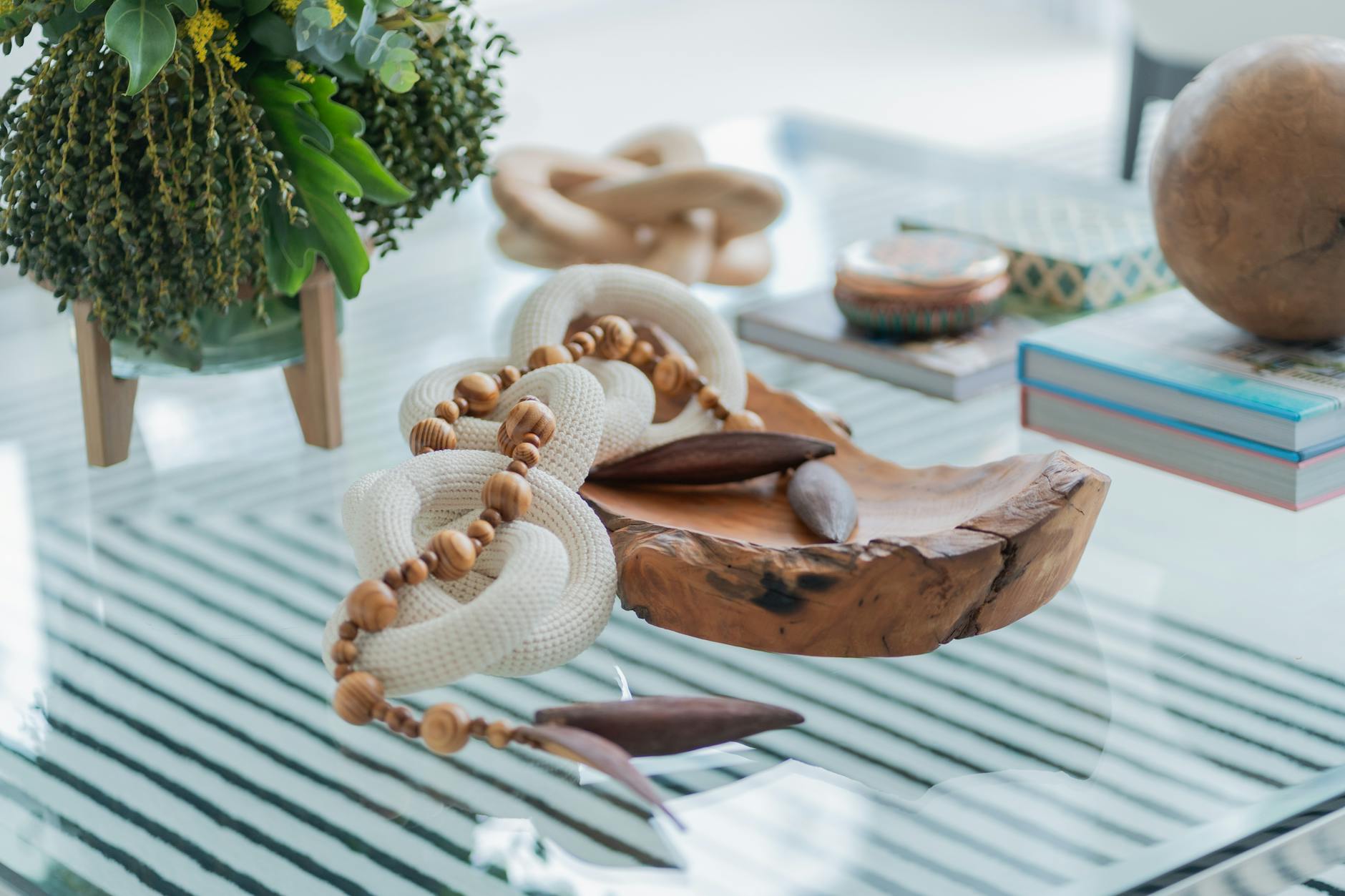
For instance, the use of soft, neutral palettes creates a calming environment that whispers rather than shouts luxury. Spaces are designed to feel inviting and warm, often incorporating elements that tell a story. By showcasing handmade pieces or heirloom decorations, individuals can express their sophistication without resorting to overt displays. This subtlety not only enhances the aesthetic of a space but also fosters a sense of connection and personal relevance—qualities that define modern luxury.
Tailored Spaces: The Personal Touch
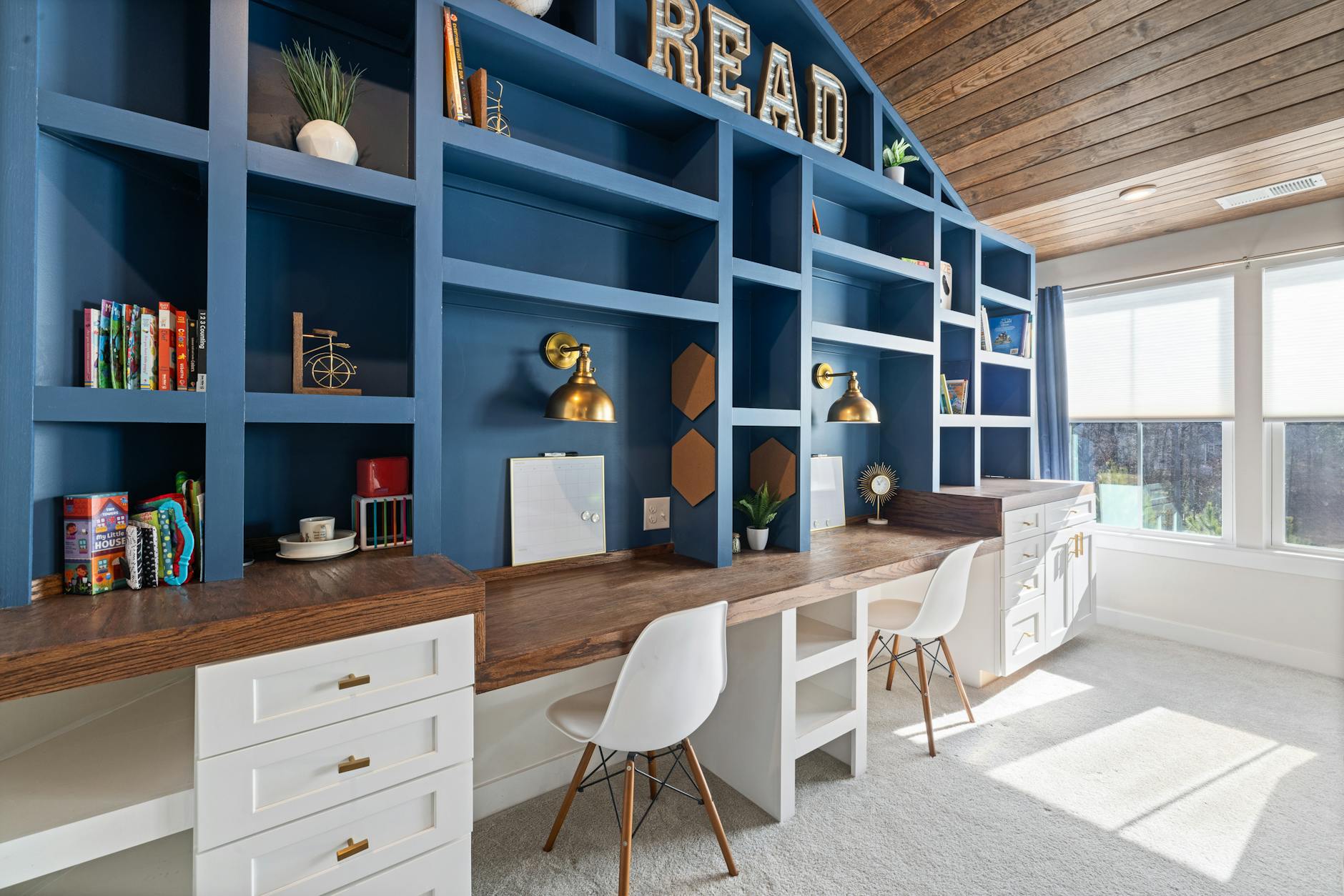
One of the hallmarks of discreet luxury is the emphasis on personalization. Today’s homeowners are shifting away from cookie-cutter designs in favor of bespoke elements that resonate with their unique identities. Interior designers are tasked with curating spaces that reflect their clients’ personalities and lifestyles. Whether it’s a cozy reading nook with custom shelving or a serene meditation corner, these tailored spaces convey luxury by prioritizing comfort and emotional well-being over mere extravagance.
Moreover, personalized interiors encourage a deeper connection to the space. Homeowners are more inclined to invest in pieces that resonate with them on a personal level, whether that be through color, texture, or history. As a result, these carefully curated collections tell a story that is both intimate and distinctive, allowing homeowners to express themselves without the need for excessive flair. This authenticity is increasingly seen as a mark of elegance, reinforcing the idea that luxury is about genuine experience rather than superficial relationships.
Emphasizing Wellness Through Design
Discretion in luxury interior design also extends to the growing emphasis on wellness. More than just a trend, wellness-focused design is about creating environments that promote physical and mental health. This shift can be seen in the incorporation of natural light, biophilic design elements, and spaces dedicated to mindfulness practices. The goal is to create sanctuaries that allow homeowners to recharge and rejuvenate—a fundamental aspect of modern luxury.
Integrating wellness into the design can be as simple as using natural materials and plants to improve indoor air quality, or as elaborate as including dedicated yoga and meditation spaces that encourage a healthy lifestyle. The focus on well-being reflects a broader societal understanding that true luxury is less about material possessions and more about the quality of life. By designing spaces that prioritize peace, relaxation, and well-being, homeowners create environments that embody a more thoughtful approach to living.
“True luxury is not about what you have, but how you feel in your space.”
The Value of Privacy in a Public World
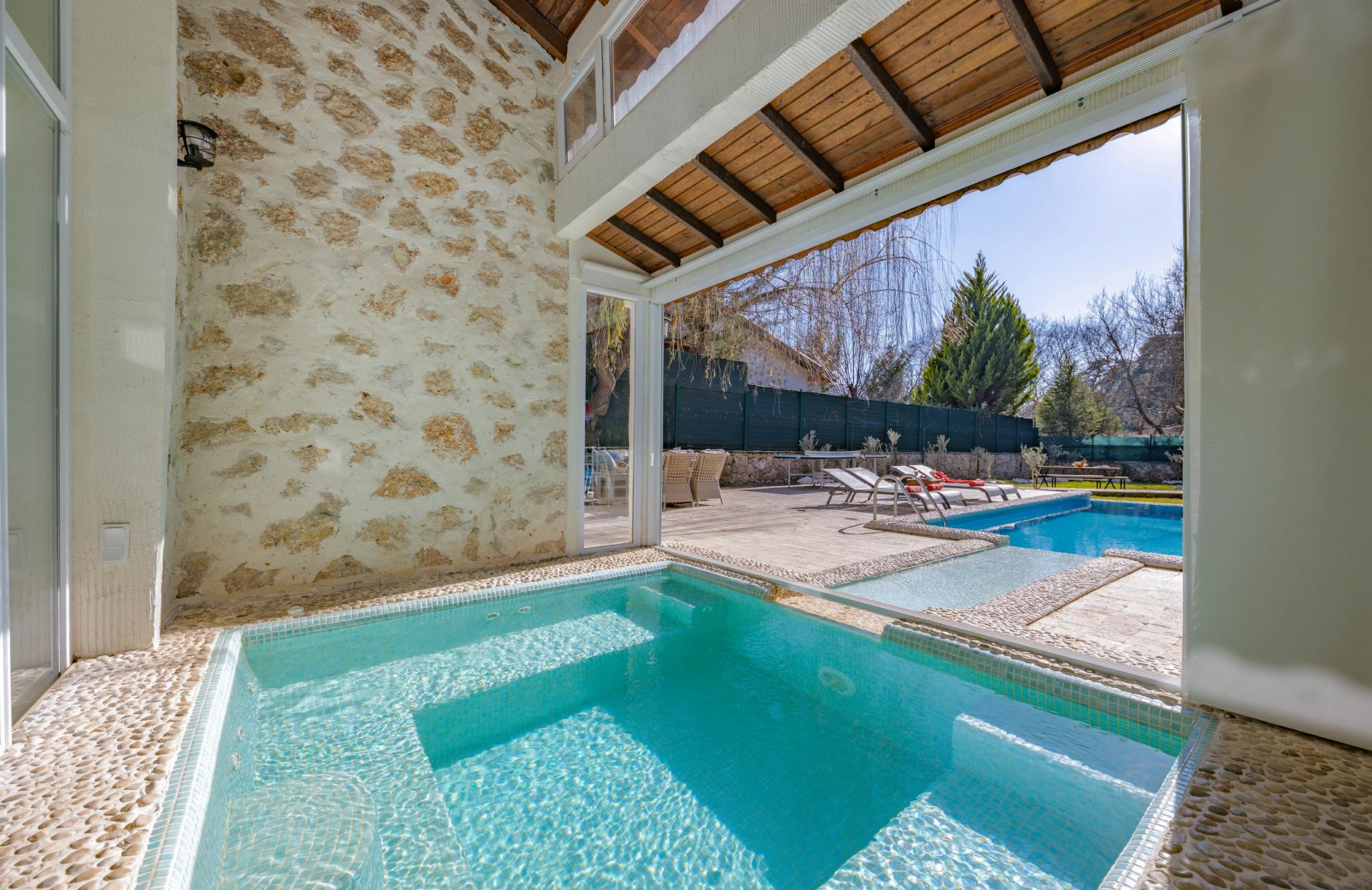
In an age of social media and constant sharing, the desire for privacy has never been more pronounced. Discreet luxury responds to this need by emphasizing secluded spaces and protective designs. Interior designers are envisioning homes as havens where individuals can retreat from the public eye, incorporating elements such as soundproof materials, strategically placed rooms, and outdoor spaces that are shielded from prying eyes.
This focus on privacy not only enhances the comfort of a home but also allows individuals to enjoy their spaces without the pressure of public scrutiny. Luxury, in this context, becomes about creating a personal sanctuary where relaxation, creativity, and intimacy thrive. The design choices reflect an understanding that the most luxurious experiences often occur behind closed doors, in spaces that foster genuine connection and tranquility.
As individuals seek to reclaim their personal spaces, the emphasis on privacy dovetails with the broader journey toward authenticity. Discretion is not just a style choice; it’s a lifestyle philosophy that resonates with those who yearn for simplicity and depth. The marriage of luxury and discretion reflects a conscious choice to invest in experiences and well-being, challenging the traditional notions of wealth.
Discretion in interior design is redefining what it means to live luxuriously. It cultivates an environment where quality reigns over quantity, and where personal stories are valued above mere aesthetics. As we move forward, the concept of luxury will continue to evolve, influenced by our collective desire for authenticity, privacy, and meaningful connections. In this new paradigm, discretion is not just an option—it is the new luxury.
