
The Arctic has long been a symbol of remote beauty and untamed wilderness. Contrary to popular belief, it is not merely a frozen wasteland; it is a vibrant ecosystem that is both breathtaking and fragile. With its stunning glaciers, diverse wildlife, and unique indigenous cultures, the Arctic offers an unparalleled adventure for those willing to explore its wonders. In this article, we will delve into what it’s really like to experience the Arctic, shedding light on its landscapes, inhabitants, and the environmental challenges it faces.
The Landscape: A Frigid Wonderland
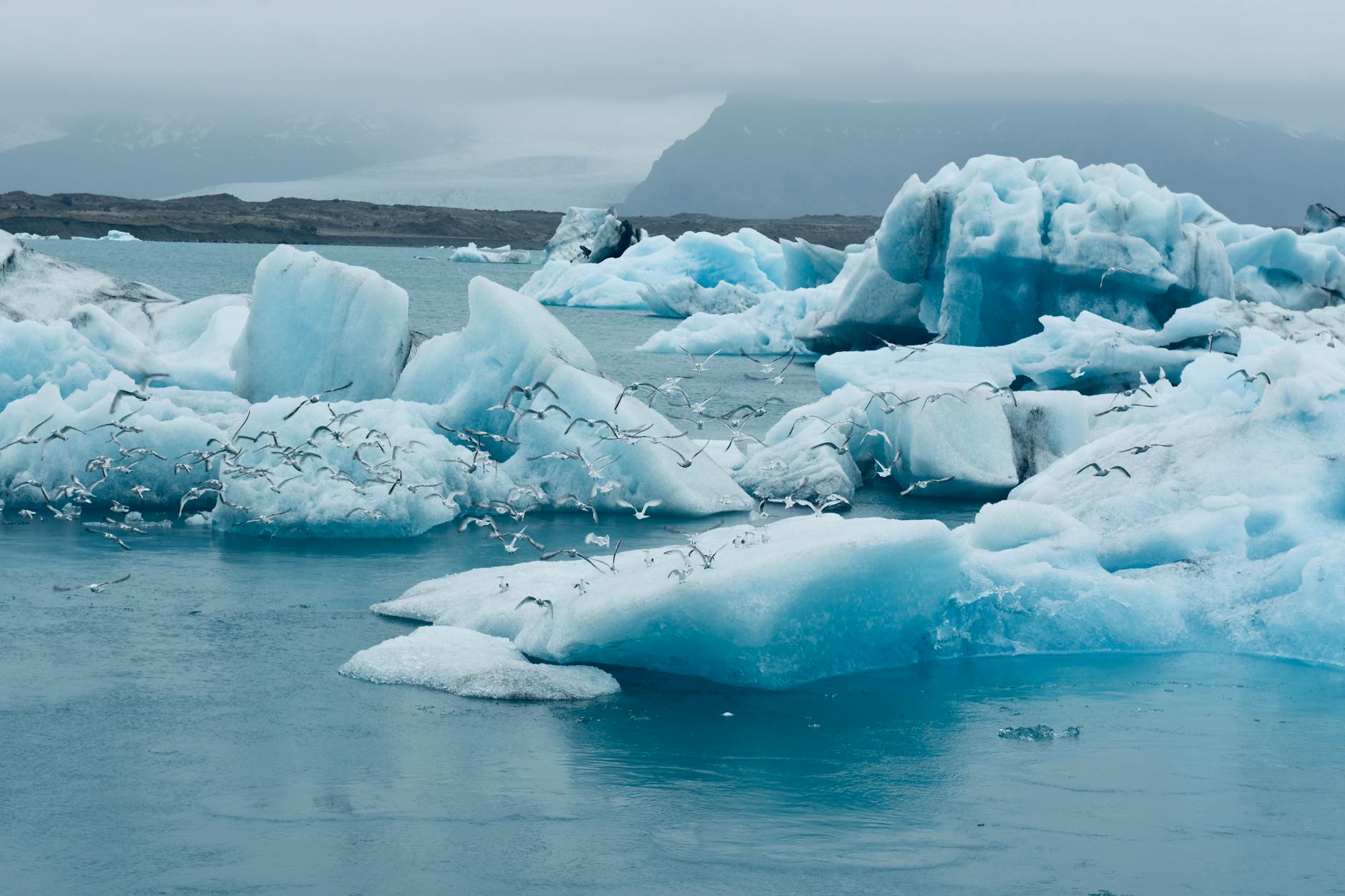
The Arctic landscape is nothing short of awe-inspiring. Imagine vast expanses of ice, towering glaciers, and expansive tundra dotted with hardy vegetation. The region is characterized by its stark contrast between the white glacial ice and the deep blue of the surrounding sea, creating a mesmerizing canvas that changes with the seasons. The midnight sun during summer allows for nearly 24 hours of daylight, illuminating this otherworldly environment and presenting an opportunity to witness breathtaking phenomena such as the Northern Lights.
Traveling through the Arctic, one can experience the dramatic shifts in weather and scenery. Weather patterns are unpredictable; a sunny day can quickly turn into a snowstorm. This variability adds to the complexity of Arctic exploration, requiring adventurers to remain flexible in their plans. The beauty of this stark landscape is complemented by the serene quietude that envelops you, broken only by the sounds of cracking ice or the distant calls of wildlife. The isolation often feels profound, providing a unique sense of peace that many modern travelers find refreshing.
Wildlife: The Arctic’s Unique Ecosystem
The Arctic is home to an incredible diversity of wildlife, many of which have adapted to the extreme conditions of their environment. Iconic species such as polar bears, Arctic foxes, and walruses rely on the icy landscape for their survival. Each species plays a vital role in the ecosystem, contributing to the complex interrelations that sustain life in such a harsh climate. Observing these animals in their natural habitat offers a glimpse into the intricate balance of Arctic life.
In addition to larger mammals, the Arctic hosts a variety of birds, fish, and marine life. Migratory birds flock to the region during the summer months, while unique species of fish can be found in its icy waters. However, the delicate ecosystem is under threat due to climate change, with rising temperatures leading to melting ice and altering habitats. This transformation poses risks not only to wildlife but also to the indigenous communities that rely on these species for subsistence.
Indigenous Cultures: A Rich Tapestry of Traditions
The human history of the Arctic is as rich and diverse as its landscape. Indigenous peoples such as the Inuit, Sami, and Chukchi have thrived in these harsh conditions for thousands of years. Their cultures are deeply intertwined with the natural environment, relying on traditional knowledge passed down through generations to navigate the challenges of living in the Arctic. From hunting and fishing techniques to storytelling and art, these cultures offer invaluable insights into sustainable living in one of the world’s most extreme climates.
A visit to an indigenous community provides an opportunity to engage with local traditions, participate in cultural events, and learn about their long-standing connection to the land. Many communities welcome visitors to experience aspects of their culture firsthand, whether through guided tours, workshops, or festivals. These experiences foster a greater appreciation for the resilience of Arctic peoples and their ongoing efforts to preserve their way of life in the face of modern challenges.

Challenges Facing the Arctic: Climate Change and Conservation
While the Arctic is a landscape of breathtaking beauty and rich culture, it faces significant challenges, primarily due to climate change. Scientists report that the Arctic is warming at a rate twice as fast as the global average, leading to rapid ice melt, rising sea levels, and changes in wildlife migration patterns. These environmental shifts threaten not only the delicate balance of the Arctic ecosystem but also the livelihoods of indigenous peoples who depend on the land and sea.
As exploration and tourism in the region increase, it is essential to adopt responsible practices that minimize human impact. Sustainable tourism initiatives aim to educate visitors about the importance of preserving the Arctic environment while allowing for meaningful engagement with local communities. Conservation efforts also play a critical role, as organizations work to protect fragile habitats and foster a greater understanding of the complex interplay between climate and culture.
The Arctic is not just an exotic destination but a vital part of our planet’s climate system. Understanding its significance can inspire a collective responsibility to advocate for its preservation. Efforts to raise awareness about the challenges facing the Arctic and support for policies aimed at combating climate change are essential for ensuring the future of this remarkable region.
The Journey: Experiencing the Arctic Firsthand
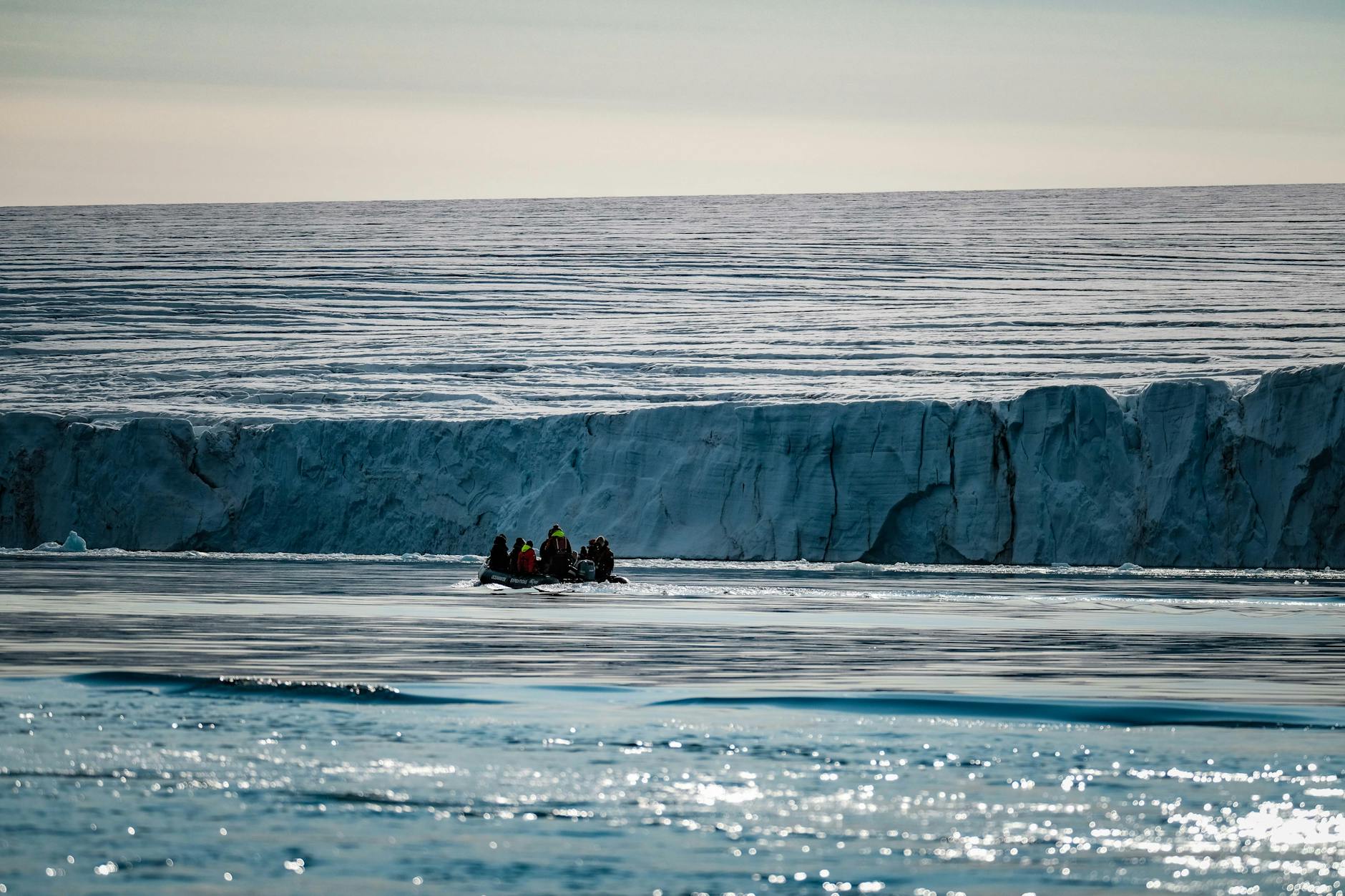
A journey to the Arctic can be transformative, offering a chance to connect deeply with nature and gain insight into the resilience of its communities. Travelers can choose from various exploration methods, whether it be by cruise ship, dog sledding, or even hiking. Each mode of transport provides unique perspectives on the landscape and the opportunity to witness wildlife in their natural habitat.
Before embarking on an Arctic adventure, preparation is crucial. Visitors should pack appropriately for extreme weather conditions, familiarize themselves with local customs, and ensure they are equipped with knowledge about the environment and the creatures inhabiting it. Embracing the spirit of adventure while respecting the land and its people will enrich the experience, fostering a deeper connection with this extraordinary part of the world.
In summary, exploring the Arctic reveals a realm of stunning natural beauty, intricate ecosystems, and rich cultures facing unprecedented challenges. By understanding what it’s truly like to experience this unique environment, we can appreciate its significance and work collectively to protect it for future generations.
