
In the realm of hospitality, luxury hotels and resorts play a pivotal role in shaping guest experiences. The interior design of these establishments is not merely about aesthetics; it involves crafting environments that evoke emotions, tell stories, and provide a sense of place. As travelers seek more than just a comfortable stay, the interior design must encapsulate the essence of the location while offering unparalleled comfort and elegance.
Design Philosophy: The Intersection of Functionality and Opulence
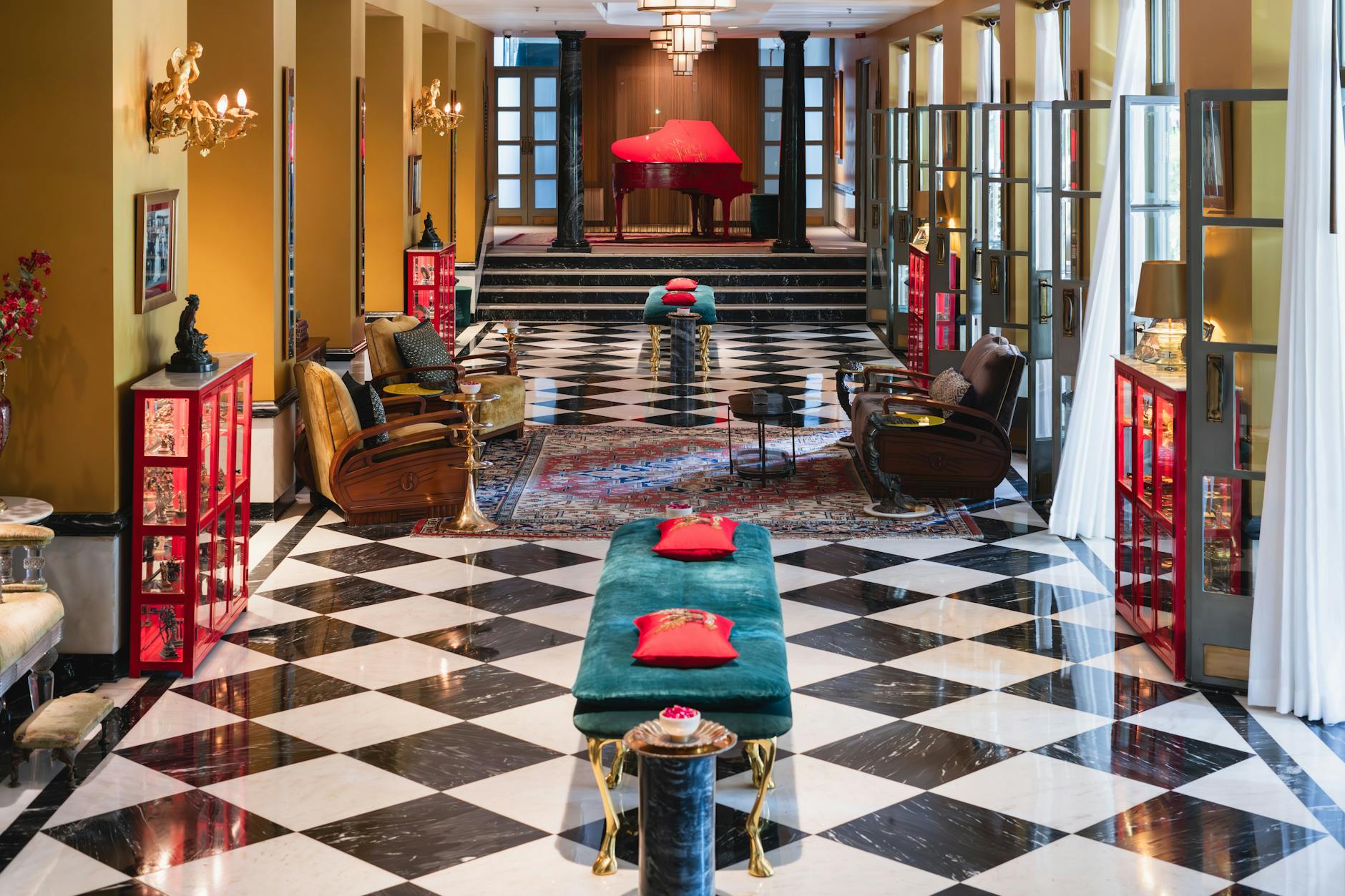
The design philosophy behind luxury hotels and resorts revolves around an intricate balance of functionality and opulence. Each space is meticulously curated to reflect a sense of grandeur while ensuring practicality. A successful luxury hotel interior combines lavish materials, rich textures, and sophisticated layouts that enhance the overall guest experience.
When designing a hotel lobby, for instance, designers often prioritize open spaces that invite guests to relax and socialize. High ceilings, elegant chandeliers, and art installations can create a dramatic first impression. However, functionality should never be sacrificed; thoughtful layouts must facilitate smooth guest flow and provide ample seating areas for visitors. These strategic elements invite guests to linger, fostering a sense of comfort and familiarity from the moment they arrive.
A similar approach is applied to guest rooms, where designers aim to create intimate, private sanctuaries. Luxurious bedding, high-end fixtures, and personalized amenities transform a standard room into a bespoke retreat. Incorporating local craftsmanship and materials can also enhance the authenticity of the experience, allowing guests to feel connected to the culture of the destination.
Creating Atmosphere: The Role of Color, Light, and Texture
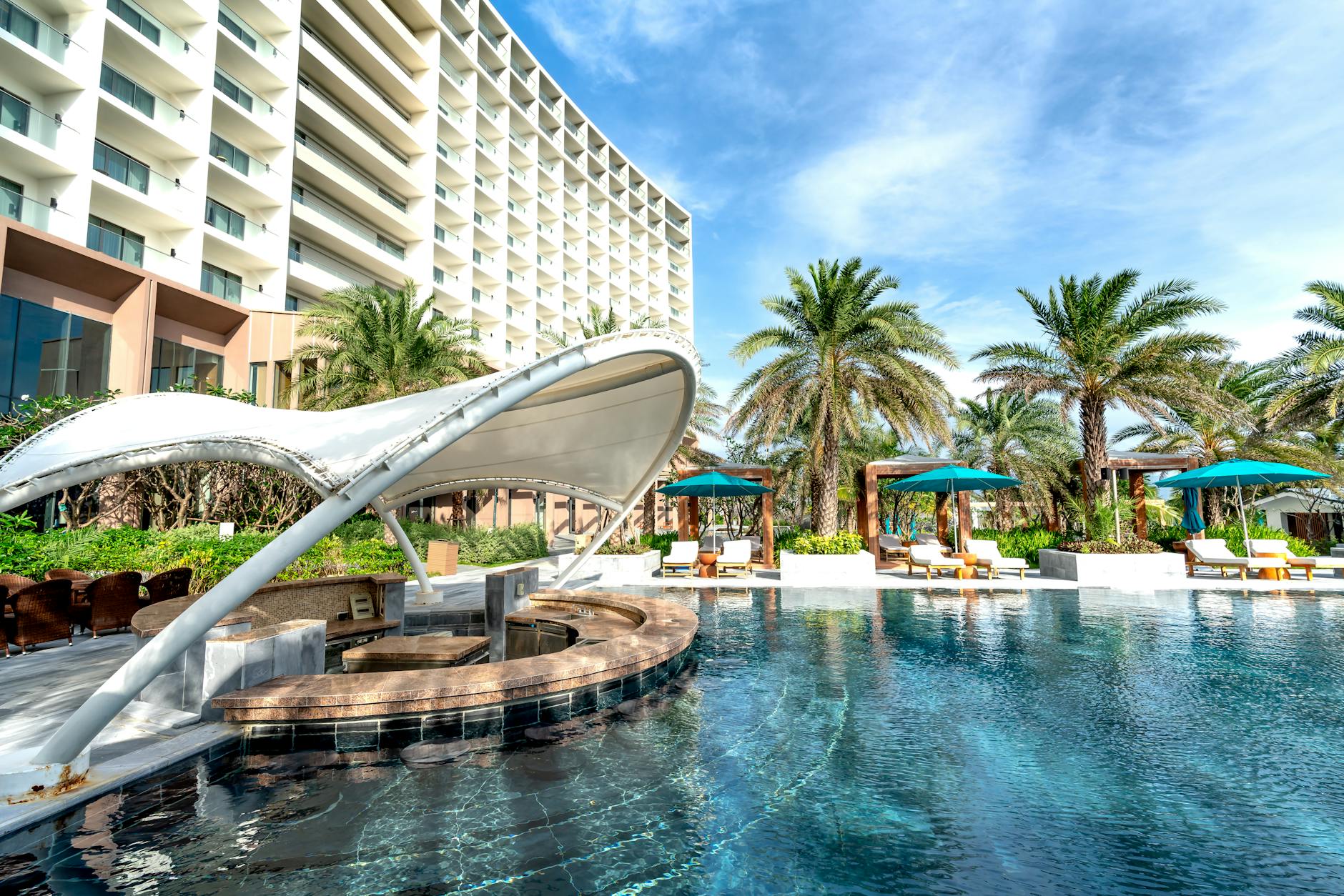
The atmosphere of a luxury hotel or resort is carefully crafted through the thoughtful use of color, light, and texture. Each of these elements plays a crucial role in establishing a mood that resonates with guests. Designers leverage color psychology to evoke specific emotions—soft blues and greens can instill tranquility, while warm earth tones can create an inviting and cozy ambiance.
Lighting is another essential component in shaping the atmosphere. Natural light should be maximized where possible, with large windows and open spaces that allow sunlight to flood in. In the evenings, layered lighting from chic sconces, pendant lights, and lamps can create an inviting glow that enhances the experience. Highlighting architectural features or art pieces through accent lighting adds an element of drama, making each space feel unique and captivating.
Texture infuses depth into the design. Combining different materials—such as plush textiles, polished marble, and reclaimed wood—creates tactile experiences that engage guests physically. Fabrics used in furnishings, drapery, and wall coverings should evoke comfort and luxury, encouraging guests to explore the space fully. By intertwining these elements, designers can create immersive experiences that leave a lasting impression on visitors.
“Luxury is in each detail.” – Hubert de Givenchy
The Influence of Local Culture and Sustainability
As luxury hotels and resorts increasingly recognize the importance of cultural authenticity, integrating elements of local culture into the design has become a key trend. Utilizing local artisans and craft techniques not only supports the community but also enriches the guest experience by presenting a unique sense of place. Whether it’s the incorporation of traditional textiles, local artwork, or architectural details that reflect the area’s history, these elements add depth and story to the hotel environment.
Sustainability has also emerged as a significant consideration in the interior design of luxury accommodations. Guests are becoming more conscious of their environmental impact, prompting hotels to adopt eco-friendly practices. Designing with sustainable materials, employing energy-efficient systems, and integrating biophilic elements—such as indoor plants and natural landscapes—can create eco-conscious luxury that resonates with modern travelers.
For instance, resorts located in coastal regions might incorporate natural fibers and materials that reflect their surroundings. Additionally, offering locally sourced cuisine in on-site restaurants further reinforces the connection between the hotel and its environment, allowing guests to appreciate the region in a holistic manner. This not only enhances the overall experience but also champions the principles of sustainability and environmental respect.
Innovative Amenities and Experiential Design
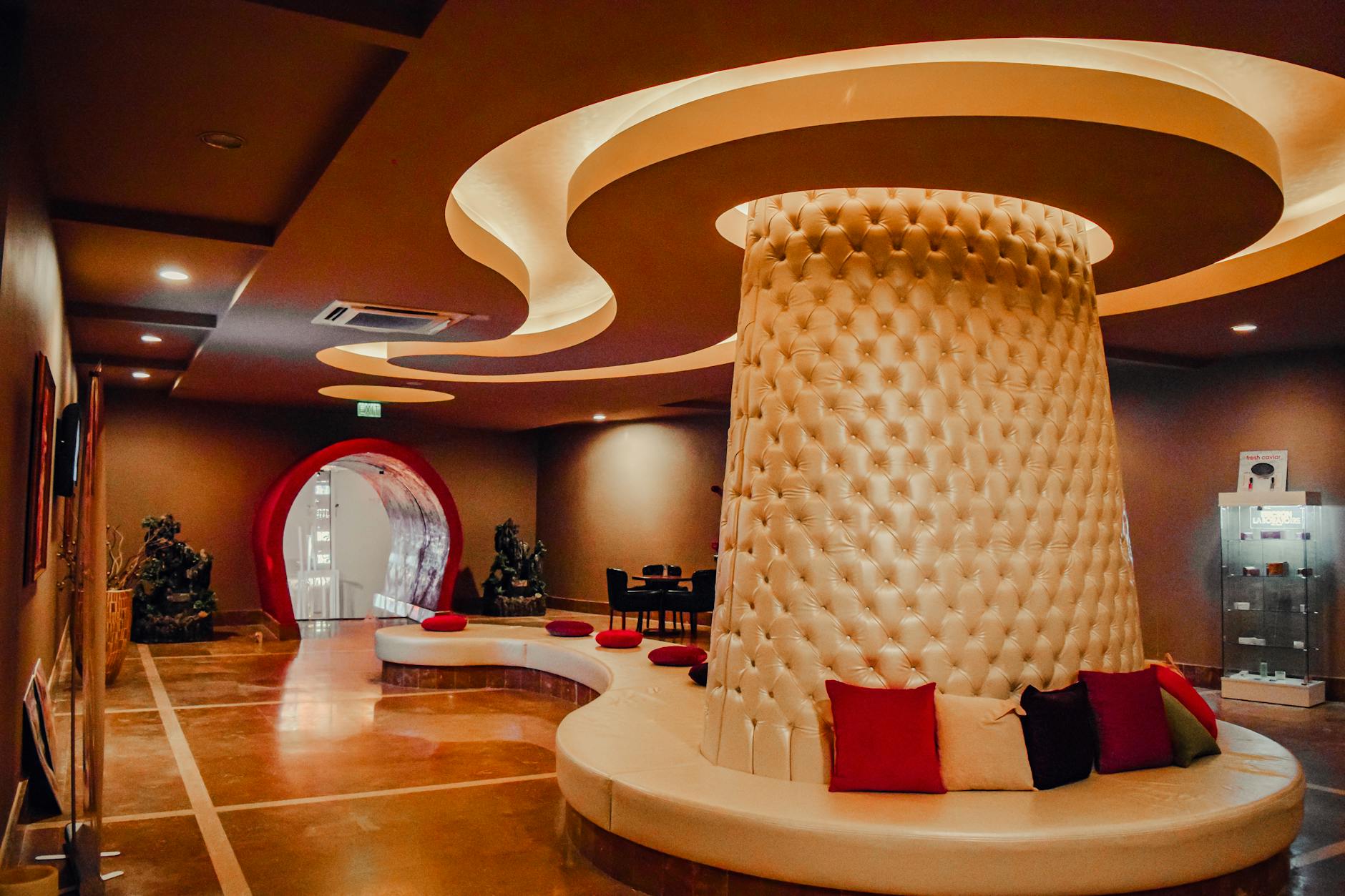
In the competitive landscape of luxury hospitality, innovative amenities and experiential design have become crucial in attracting discerning guests. Beyond the basics of comfortable accommodations, luxury hotels and resorts are increasingly providing curated experiences that elevate their offerings. This includes concepts like spa services, wellness programs, and unique excursions that immerse guests in the local culture and natural beauty.
Interior design plays a key role in these offerings—creating soothing spa environments with calming color palettes, natural materials, and serene artwork enhances the relaxation experience. Similarly, rooftop lounges, infinity pools, and outdoor dining areas should be designed not only for beauty but also for functionality, encouraging guests to engage with their surroundings while enjoying luxurious amenities.
Incorporating technology into the design can also enhance the guest experience. Smart room features, such as automated controls for lighting, temperature, and entertainment, provide convenience and seamless interaction. Designers must carefully consider how to integrate these technologies into the overall aesthetic, ensuring they enhance rather than detract from the luxurious ambiance.
Collaboration: The Role of Designers and Hoteliers
The successful interior design of luxury hotels and resorts is often the result of collaborative efforts between designers and hotel owners. Effective communication and a shared vision are essential in crafting spaces that align with the brand identity and cater to guest expectations. Designers must understand the hotel’s target clientele, the surrounding area, and the unique selling points that set the establishment apart from competitors.
Working closely with architects, landscape designers, and hospitality consultants allows for a holistic approach to design. This collaborative process enables the creation of cohesive spaces that seamlessly integrate indoor and outdoor environments, enhancing the overall guest experience. Furthermore, consistent feedback from both owners and guests can help in refining designs to ensure they resonate with those who inhabit them.
Ultimately, the goal of luxury hotel and resort design is to create an unforgettable experience for guests, encouraging repeat visits and word-of-mouth referrals. By prioritizing innovative design, cultural authenticity, and sustainable practices, hotels can cultivate environments that delight and inspire, leaving a lasting legacy in the world of hospitality.
