
In an age where streaming services, high-definition screens, and immersive audio have become household staples, the allure of a private home cinema is more enticing than ever. A well-designed home cinema not only elevates movie nights into an extraordinary experience but also adds value to your home. Whether you have a dedicated space or plan to convert a multi-purpose room, crafting a cinematic retreat involves careful consideration of design, technology, and comfort.
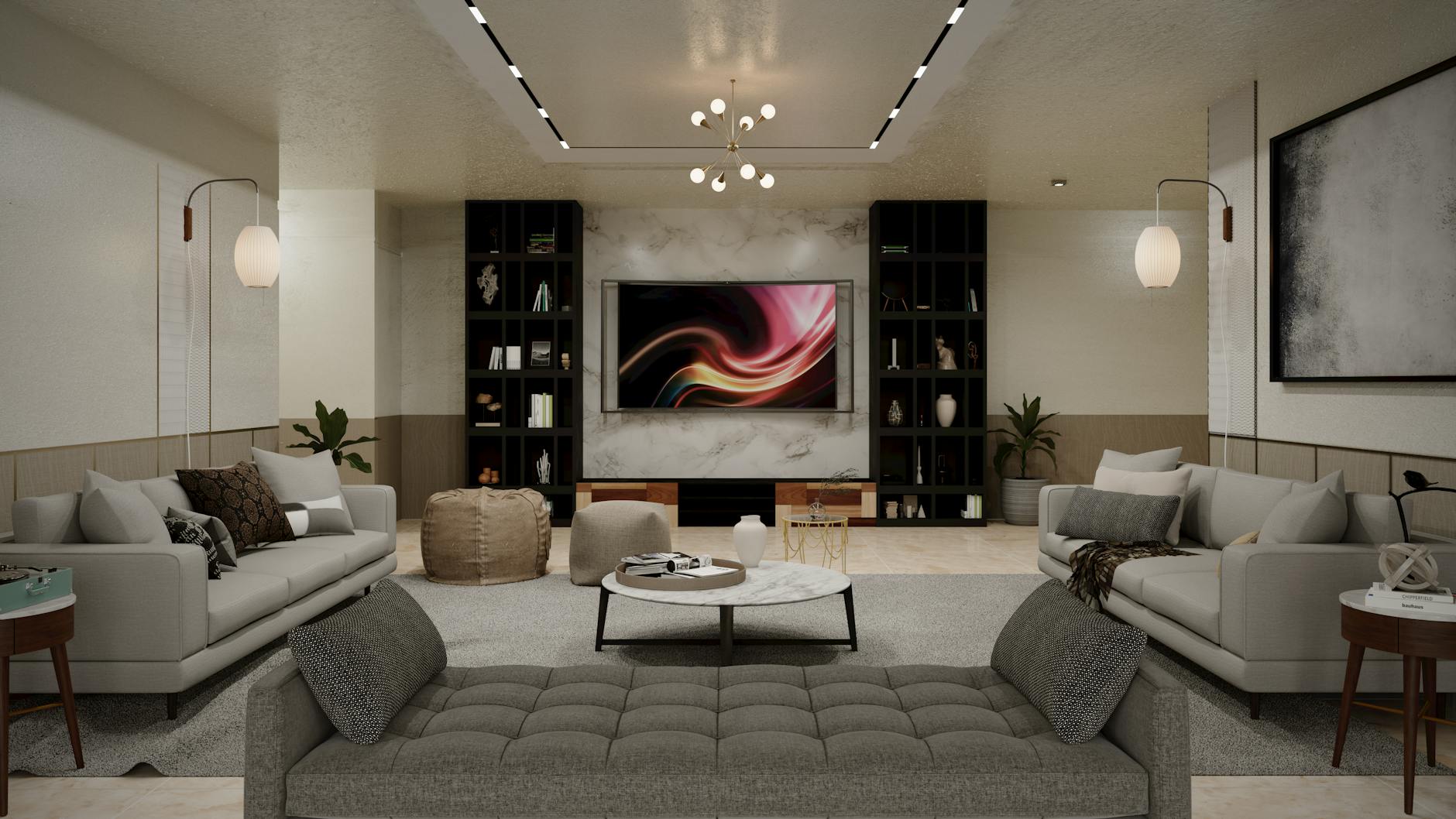
Space Planning: Choosing the Right Location
The first step in designing your home cinema is selecting the ideal location. Depending on your home layout, you might opt for a basement, a spare room, or even an attic. Each option has its pros and cons. Basements are typically darker and offer better sound insulation, which is crucial for an authentic cinema experience. However, attics can provide unique architectural features and natural light if properly managed.
Once you’ve chosen the location, consider the room’s dimensions. Optimal dimensions for a home theater typically follow the golden ratio, which provides a balance between sound and viewing distance. The ideal aspect ratio is about 1.6:1. This means that for every 1 foot of height, the width should be around 1.6 feet—perfect for a cinematic feel.
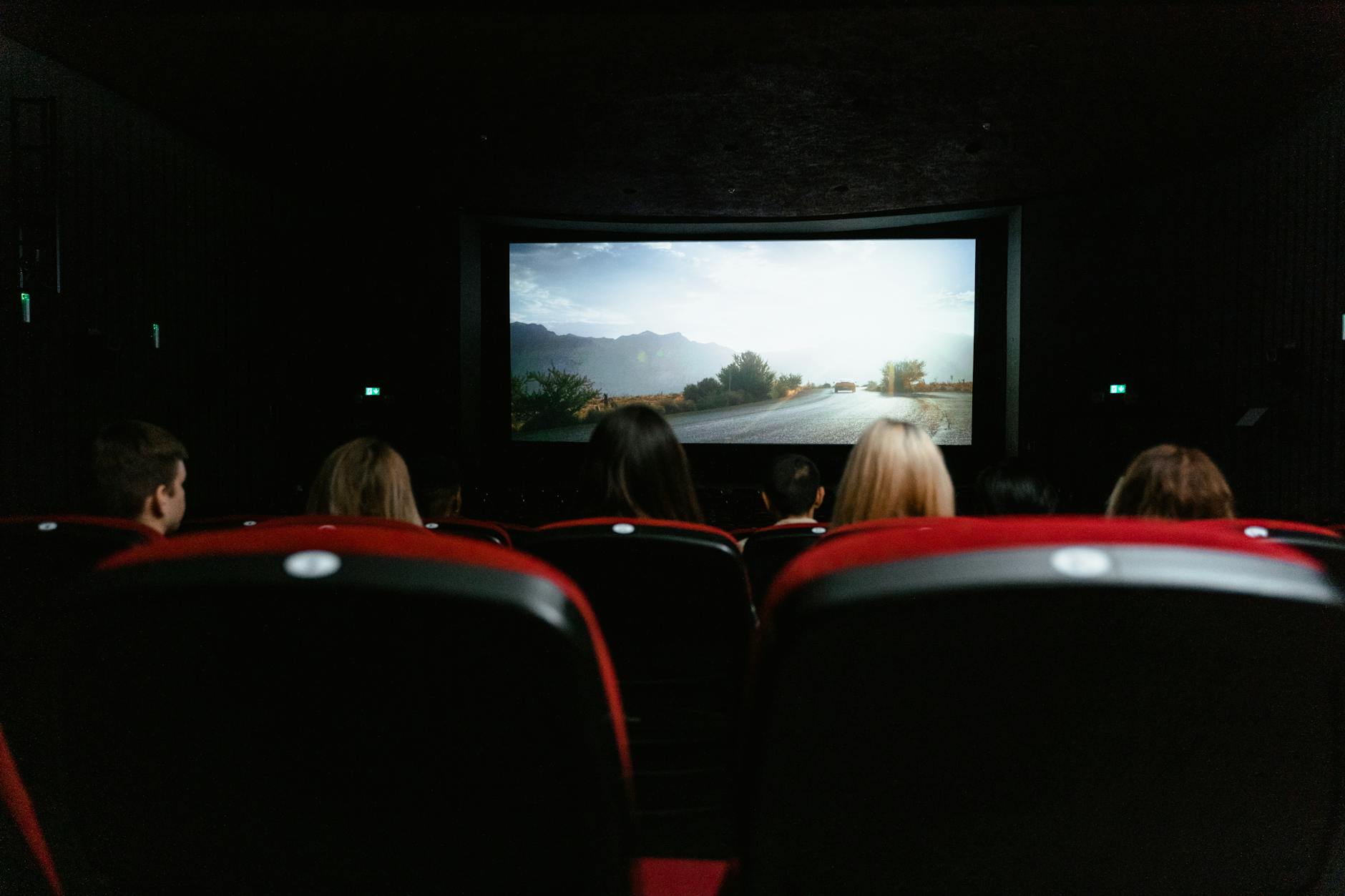
Sound and Vision: The Heart of Your Home Cinema
The centerpiece of any cinematic experience is the audio-visual system. Choosing the right screen and speaker setup can significantly impact your viewing. For the screen, consider options like a projection screen for larger spaces or a high-definition LED television for compact areas. Screens with a 16:9 aspect ratio are best for watching movies, while 21:9 models can enhance the experience for cinematic films with wider frames.
Audio plays an equally important role. A surround sound system will envelop you in sound, mimicking the experience of a commercial theater. Brands like Bose, Sonos, or Klipsch offer systems that cater to various budgets. Ideally, you should install speakers at ear level and consider adding subwoofers for deeper bass. For those looking for an immersive experience, Dolby Atmos technology allows sound to move overhead, elevating the auditory experience even further.
“With the right sound system, you don’t just watch a movie; you live it.” — Home Cinema Designer
Design Elements: Comfort Meets Aesthetics
A home cinema should be a sanctuary where you and your guests can relax and immerse yourselves in film. Comfort starts with seating. Depending on your space, you can opt for plush recliners, luxury sofas, or even theater-style seating. Look for options with adjustable features and built-in cup holders to enhance comfort. Don’t forget to consider space for guests, ensuring everyone has a clear view of the screen.
While comfort is paramount, aesthetics also matter. Choose a color scheme that enhances the viewing experience—dark colors can help reduce light reflection, contributing to a more cinematic atmosphere. Acoustic panels can serve both functional and decorative roles, absorbing sound without compromising style. Soft lighting can also set the mood; dimmable lights or LED strips provide flexibility for different viewing scenarios.
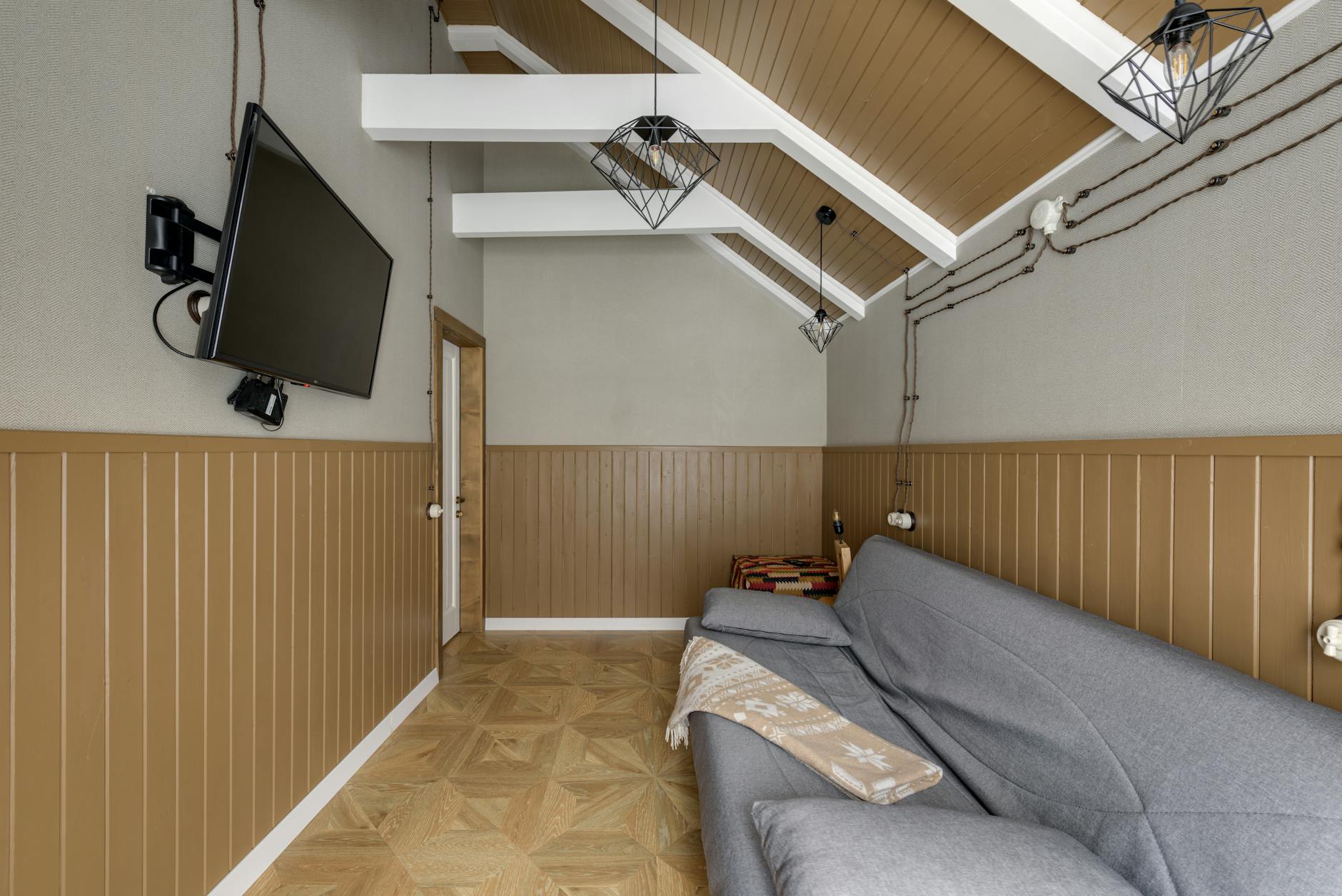
Technology Innovations: Elevating Your Viewing Experience
The world of technology is ever-evolving, and keeping up with the latest innovations can enhance your home cinema experience exponentially. Smart home integration allows you to control lighting, sound, and visuals with ease. Voice-activated technology can streamline your experience, enabling you to adjust settings without leaving your seat.
Consider investing in a streaming device that consolidates your viewing options into one interface. This simplifies navigation and provides access to a vast library of content. Additionally, adapting your home cinema for gaming can be a great option for entertainment lovers. A high-refresh-rate screen and low-latency sound system will ensure seamless gaming sessions.
“The integration of technology into the home cinema design is what separates an average viewing experience from a truly exceptional one.” — Tech Expert
Budgeting Your Home Cinema Project
Designing a private home cinema can vary significantly in cost, depending on your choices in technology, seating, and decor. Setting a clear budget beforehand is crucial. Factor in not only the upfront costs for equipment and installation but also ongoing expenses like maintenance, upgrades, and utility bills.
To maximize your budget’s efficacy, prioritize essential components first—start with a solid screen and sound system, then build upon that foundation. There are many options available on the market at varying price points, allowing you to create a stunning home cinema experience without breaking the bank. Consider DIY options for design elements or installations to save on labor costs.
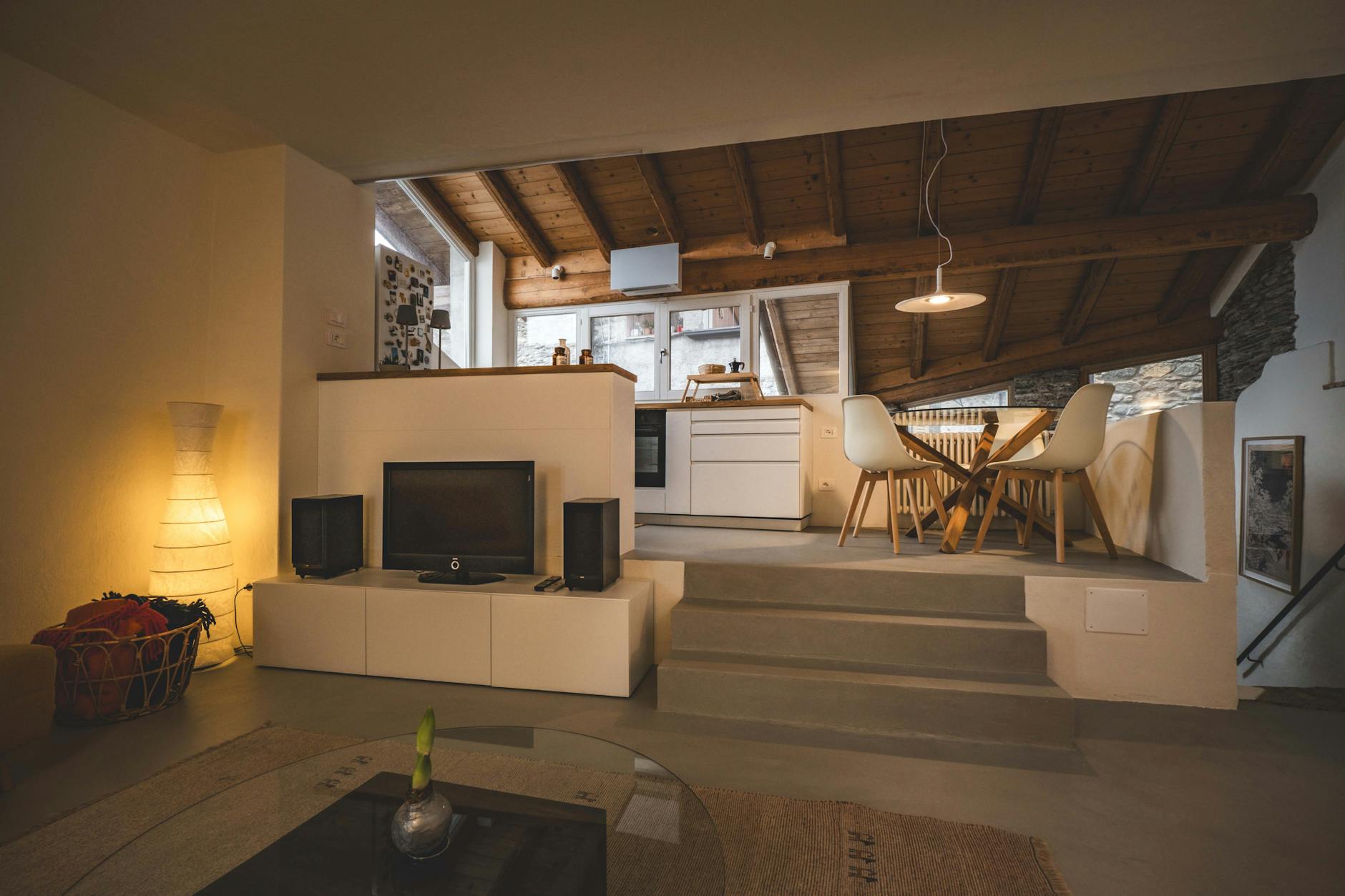
Creating a private home cinema is an exciting project that offers a perfect blend of technology, design, and personal taste. By thoughtfully considering space, sound, and visual elements, you can design a cinematic sanctuary that elevates your home entertainment experience. Whether it’s movie nights with family or hosting friends, your home cinema can become a cherished space for years to come.
