
Luxury interior design is not merely about opulence but also about creating spaces that resonate with culture, history, and personal expression. Each region of the world boasts distinct characteristics that reflect its heritage, craftsmanship, and lifestyle. From the lavish palaces of Europe to the minimalist aesthetics of Scandinavian homes, luxury interior design encompasses a myriad of styles that tell unique stories. In this article, we will explore several iconic luxury interior design styles from around the globe, highlighting their defining features and the influences that shaped them.
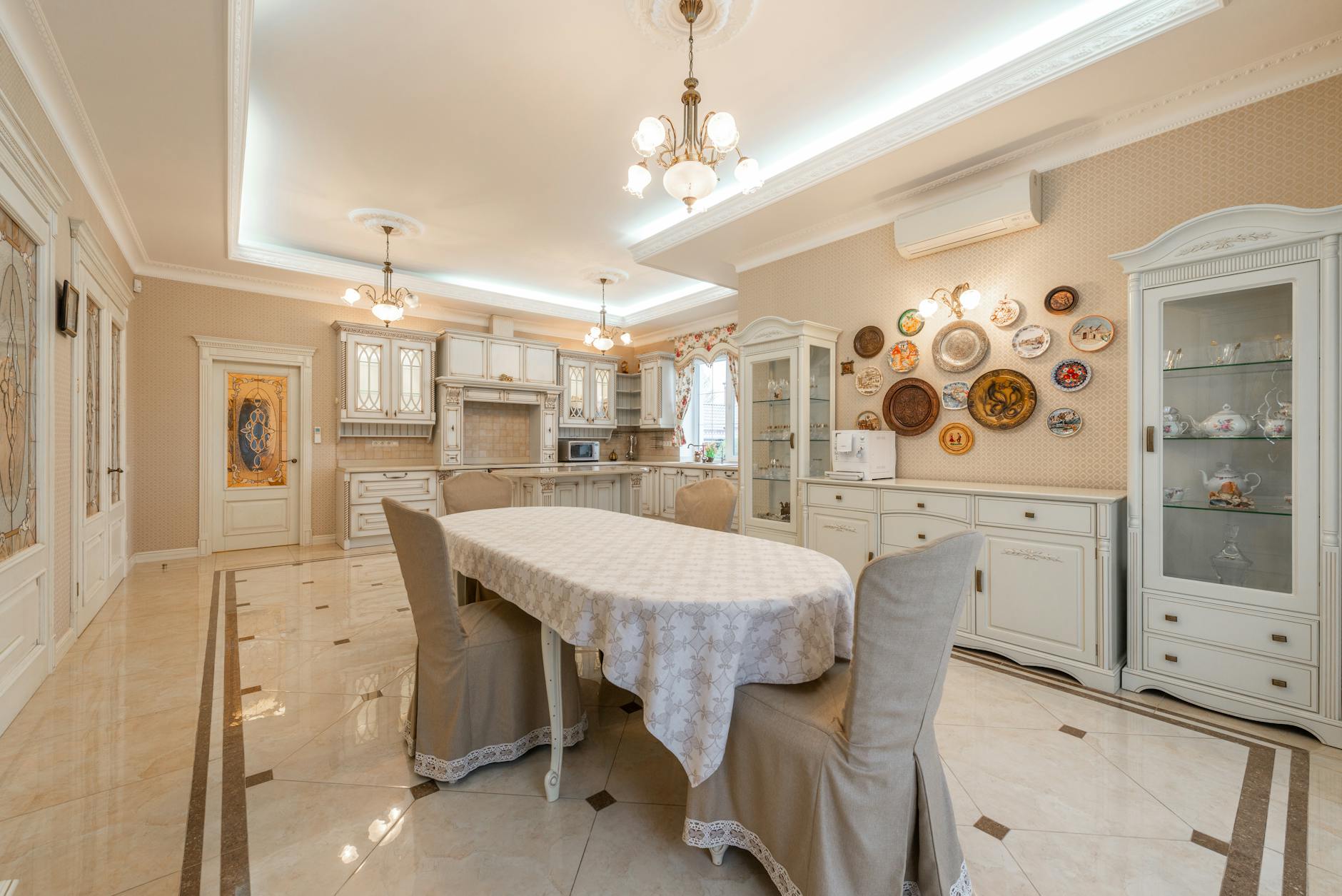
European Elegance: The Timeless Allure of Classic Design
European interior design is characterized by its rich traditions and timeless elegance. Rooted in historical movements such as Baroque, Rococo, and Neoclassicism, these styles emphasize grandeur and exquisite craftsmanship. In the grand estates of France, for example, you might find intricate moldings, gilded accents, and opulent fabrics that create a sense of drama and sophistication. Furniture pieces are often characterized by their detailed carvings and luxurious upholstery, making each room a statement of artistry.
Italy, on the other hand, exudes a different kind of charm with its focus on harmony and attention to detail. The Italian Renaissance brought forth a style that merges function and beauty, evident in the symmetrical layouts and vibrant color palettes. Italian luxury is often conveyed through the use of marble surfaces, hand-painted ceilings, and classic artworks that add a sense of history and depth to any setting. Noteworthy homes like the Palazzo Venier dei Leoni in Venice exemplify such luxurious yet tasteful design.
“Luxury isn’t just about lavishness; it’s about creating an atmosphere that conveys comfort while showcasing artistry.” — Interior Designer
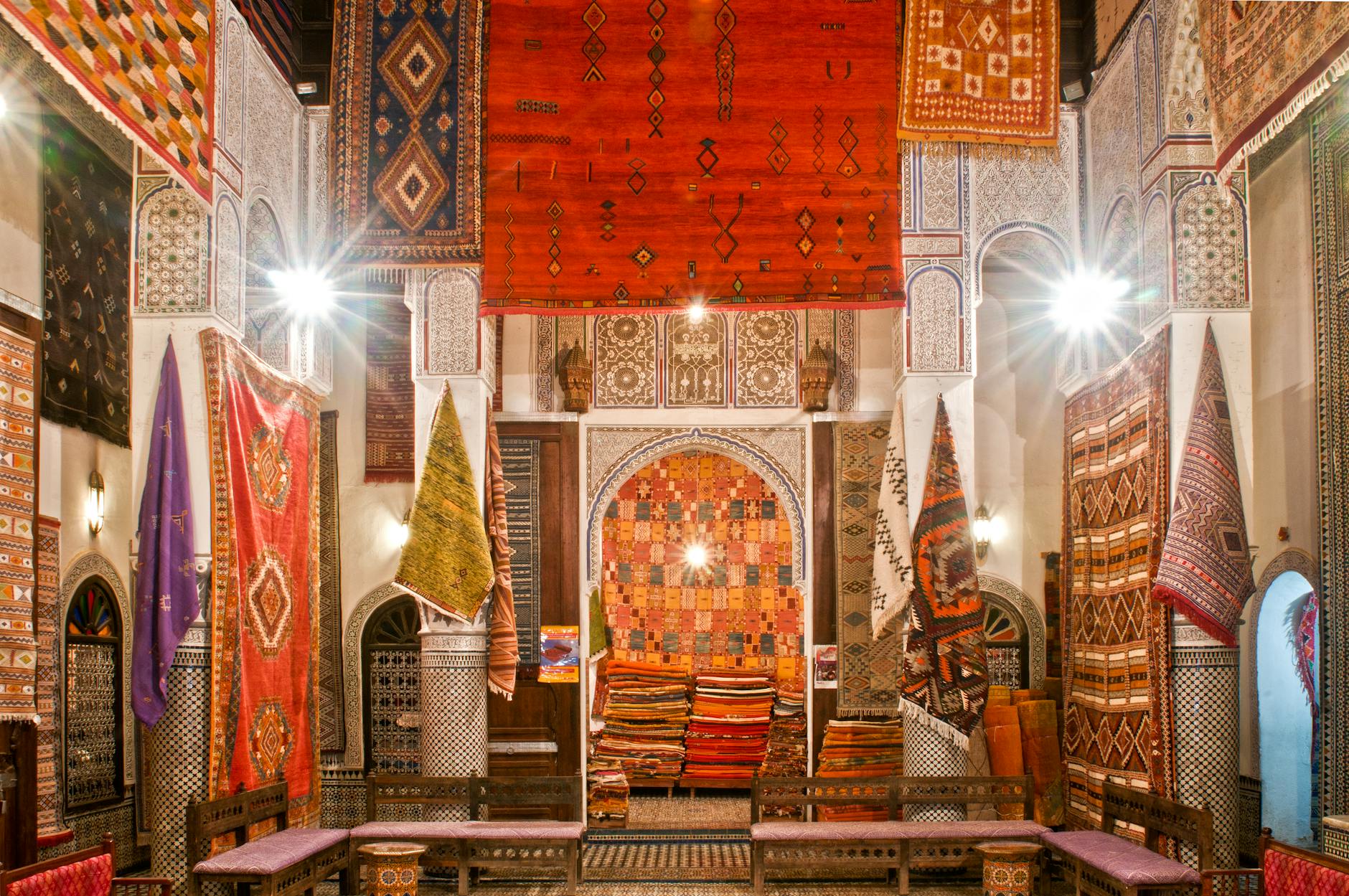
The Exotic Nature of Moroccan Style
Moroccan interior design embraces vibrant colors, intricate patterns, and rich textures. This style is heavily influenced by the region’s history as a crossroads of various cultures, including Arab, Berber, and Spanish influences. One of the defining features of Moroccan luxury is the use of ornate tiles known as zellige, which adorn floors and walls, creating mesmerizing mosaics that capture the eye. Additionally, the use of bold hues like deep reds, blues, and golds adds a sense of warmth and liveliness to interiors.
Furnishings in Moroccan homes often include plush cushions, low seating arrangements, and handcrafted wooden pieces that invite relaxation and social interaction. Luxurious curtains made from heavy fabrics can create a sense of intimacy and privacy. Unique lighting features, such as lanterns and sconces intricately designed to cast captivating shadows, are also prevalent, contributing to the overall atmospheric appeal. The combination of these elements results in opulent spaces that are both inviting and exotic.
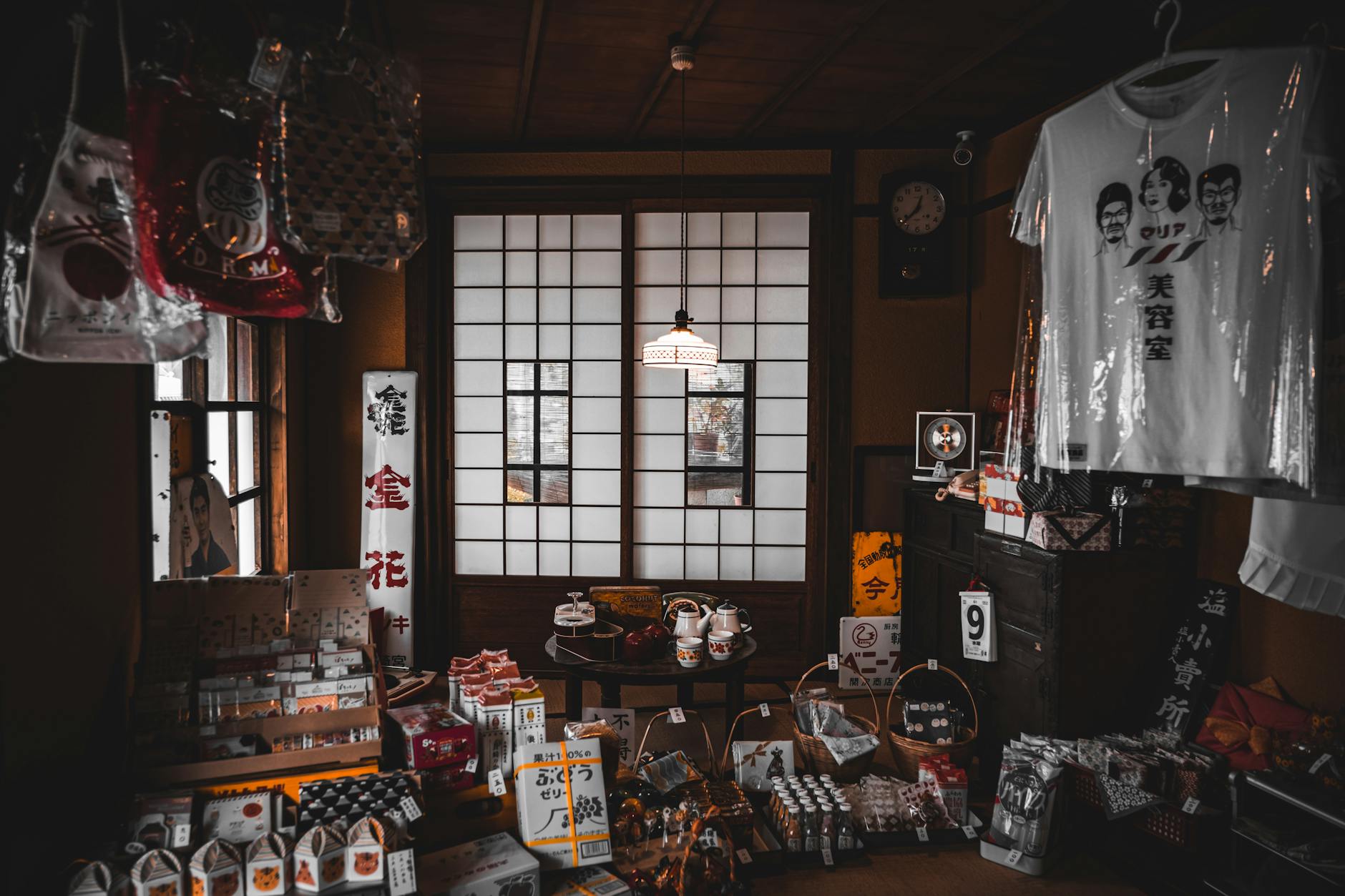
Asian Inspirations: The Zen of Minimalism
In stark contrast to the ornate designs of Europe and the vibrant palettes of Morocco, Asian interior design often emphasizes minimalism and tranquility. Japanese aesthetics, particularly, focus on simplicity and the natural environment. The concept of “Wabi-Sabi,” which appreciates the beauty of imperfection, plays a significant role in this style. Traditional Japanese homes typically feature clean lines, natural materials such as wood and bamboo, and an open floor plan that allows for an unobstructed flow of energy.
Luxury in a Japanese-inspired setting can manifest through the use of handmade ceramics, delicate textiles, and subtle color palettes inspired by nature. Incorporating elements like sliding shoji screens and tatami mats can further enhance the serene atmosphere. Feng Shui principles also influence many Asian designs, promoting harmony and balance between the inhabitants and their space, inviting peace and relaxation into the home.
American Glamour: The Art of Eclecticism
American interior design is a tapestry of influences, reflecting the diverse cultural background of the nation. From the grandeur of Gilded Age mansions to the sleek lines of modern lofts, American luxury can be eclectic and vibrant. The contemporary style often embraces an open concept, allowing for a seamless transition between spaces. Key features of luxury American design include high-end materials, such as stainless steel and marble, and the integration of smart technology for convenience and aesthetics.
Mid-century modern is another significant movement within American design, characterized by an emphasis on simplicity, organic forms, and integration with nature. Iconic designers like Charles and Ray Eames pioneered this style, making it a staple in luxury interiors. Spaces are often adorned with carefully selected art pieces and unique furniture that serve as focal points, providing a sense of individuality and personal expression within luxurious settings.
“Luxury is not defined by the price of things but by the experiences they create.” — Renowned Designer
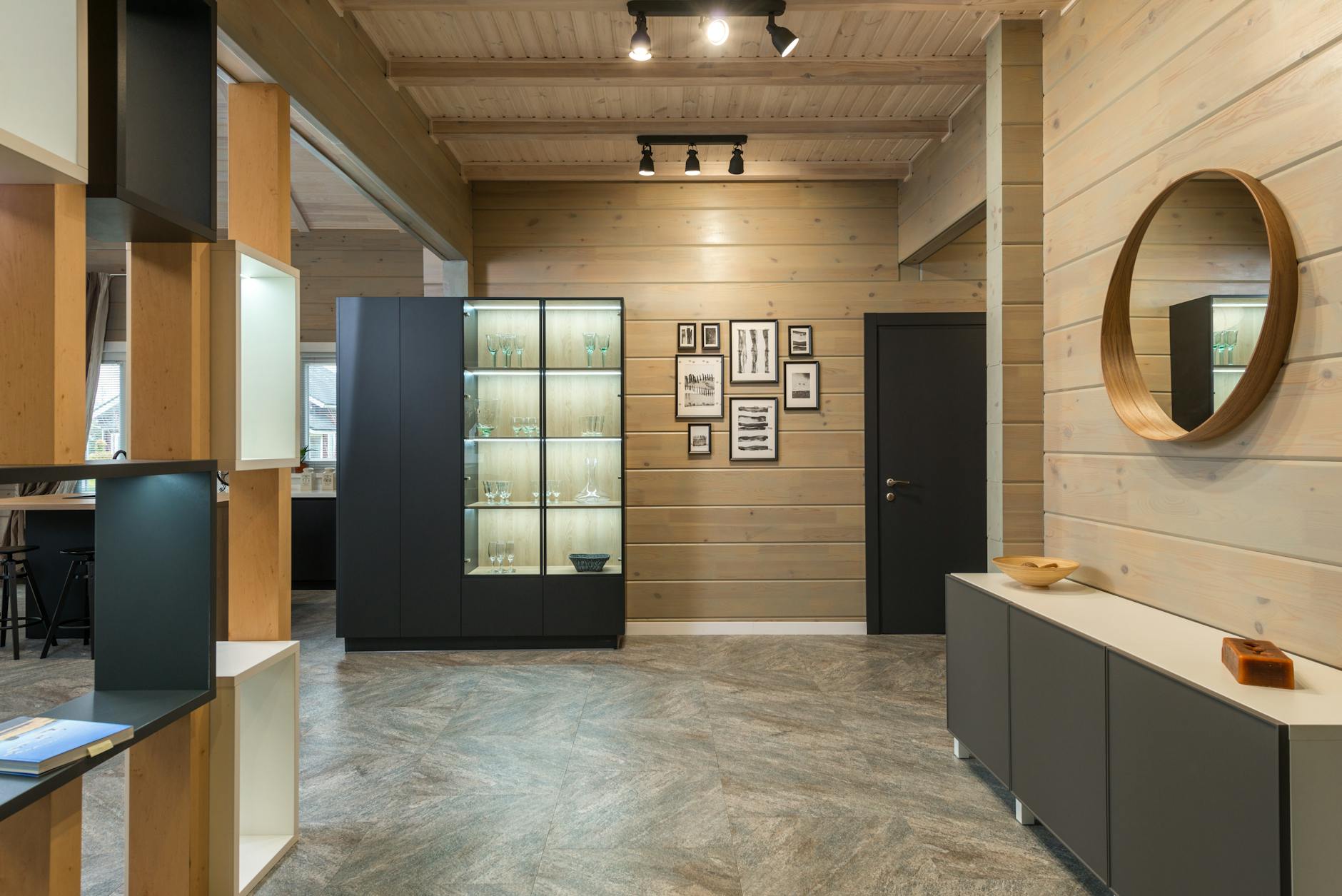
Scandinavian Comfort: The Beauty of Functional Design
Scandinavian interior design is synonymous with minimalism and functionality. Originating from countries like Sweden, Denmark, and Norway, this style emphasizes the beauty of simplicity, with a focus on creating cozy yet sophisticated spaces. Natural light is essential in Scandinavian design, leading to large windows and light color palettes that create an airy atmosphere. Wood, particularly light varieties such as pine and birch, is commonly used, bringing warmth to interiors.
In luxury Scandinavian homes, comfort is key. Plush textiles, such as wool throws and soft rugs, are integrated to enhance the feeling of warmth and coziness. Stylish yet functional furniture pieces, often characterized by clean lines and innovative designs, create a harmonious balance between aesthetics and practicality. The concept of “Hygge,” which promotes contentment and coziness, plays a significant role in this design approach, turning spaces into havens of relaxation and joy.
Conclusion: The Crossroads of Cultures and Design
Luxury interior design styles around the world are a reflection of cultural histories and values. Whether it’s the opulence of European estates, the exotic allure of Moroccan spaces, the tranquility of Japanese minimalism, the eclecticism of American design, or the functional beauty of Scandinavian aesthetics, each style offers a unique narrative. Understanding these luxurious design influences not only allows for personal expression within interiors but also fosters appreciation for the intricate craftsmanship and stories behind each style.
As the world continues to mesh traditions and modern innovations, the evolution of luxury interior design will undoubtedly lead to new styles that resonate with both heritage and contemporary living. Exploring these distinctive approaches offers valuable insights into creating spaces that are not only luxurious but also deeply meaningful.
