
When it comes to interior design, the debate of vintage versus new is an endless conversation among homeowners, decorators, and design enthusiasts. Each style has its unique appeal, and the choice often boils down to personal preference, lifestyle, and the overall vibe one wants to create in their home. In this article, we’ll explore both vintage and new elements in interior design, examining their benefits and drawbacks, while also offering tips on how to strike the right balance between the two.
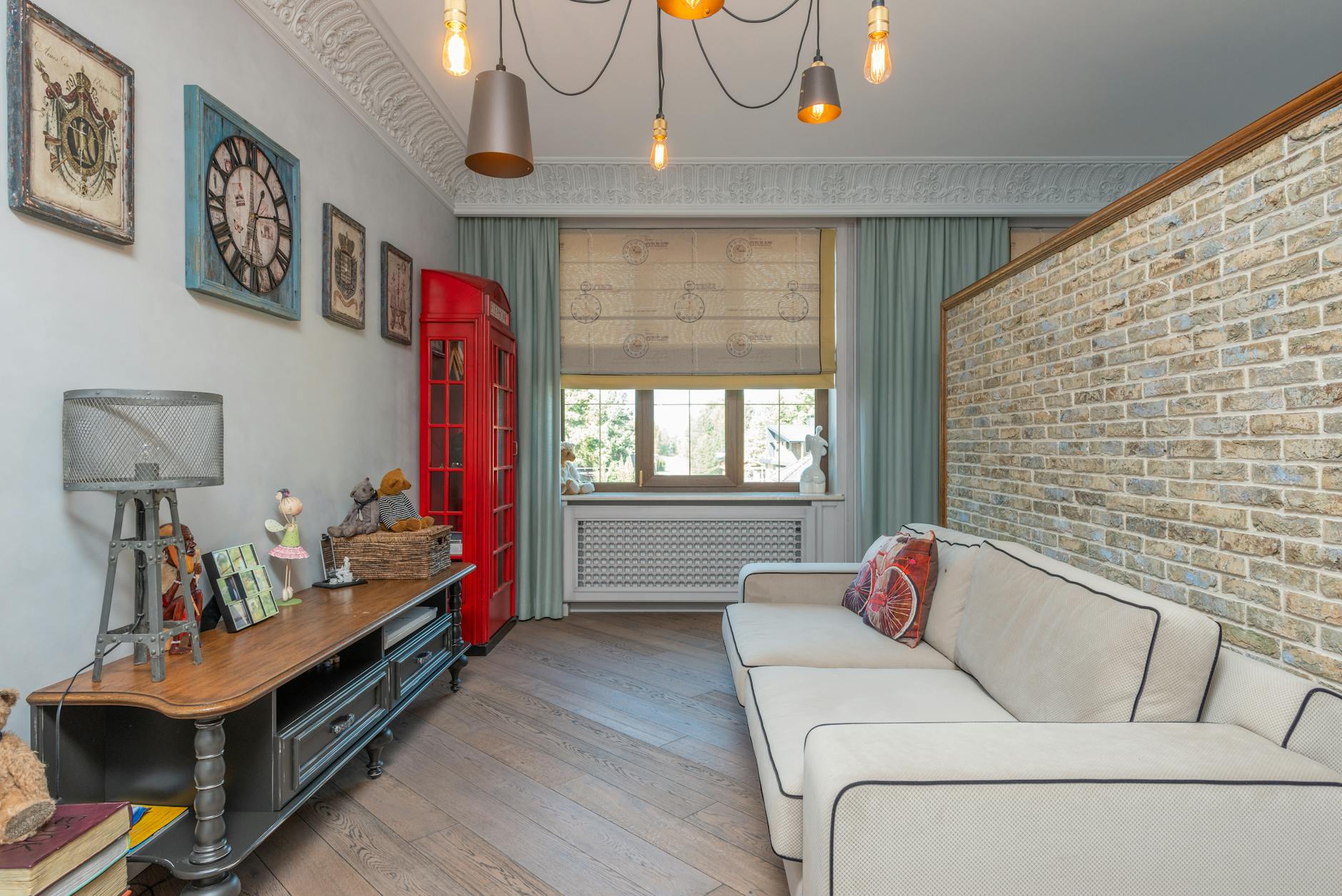
The Charm of Vintage Design
One of the most compelling aspects of vintage design is its inherent charm. Vintage items often tell a story, showcasing craftsmanship and artistry from a bygone era. Pieces such as mid-century chairs or antique coffee tables not only serve as functional elements in your home but also as conversation starters. When you choose vintage, you bring a sense of history and authenticity that is hard to replicate with new products.
Additionally, vintage furnishings are often made from high-quality materials, ensuring durability and longevity. Unlike many contemporary mass-produced items, which may prioritize affordability over craftsmanship, vintage pieces are often constructed from solid wood or metals that have stood the test of time. This sustainable approach not only contributes to a more eco-friendly lifestyle but also offers a unique aesthetic that cannot be manufactured.
However, incorporating vintage pieces into your home isn’t without its challenges. Sourcing authentic pieces can require time and effort, and not every vintage item will fit seamlessly into a modern home. Moreover, older items may require maintenance or restoration, which can be costly. Despite these challenges, many find that the rich narrative and character of vintage design make it worth the effort.
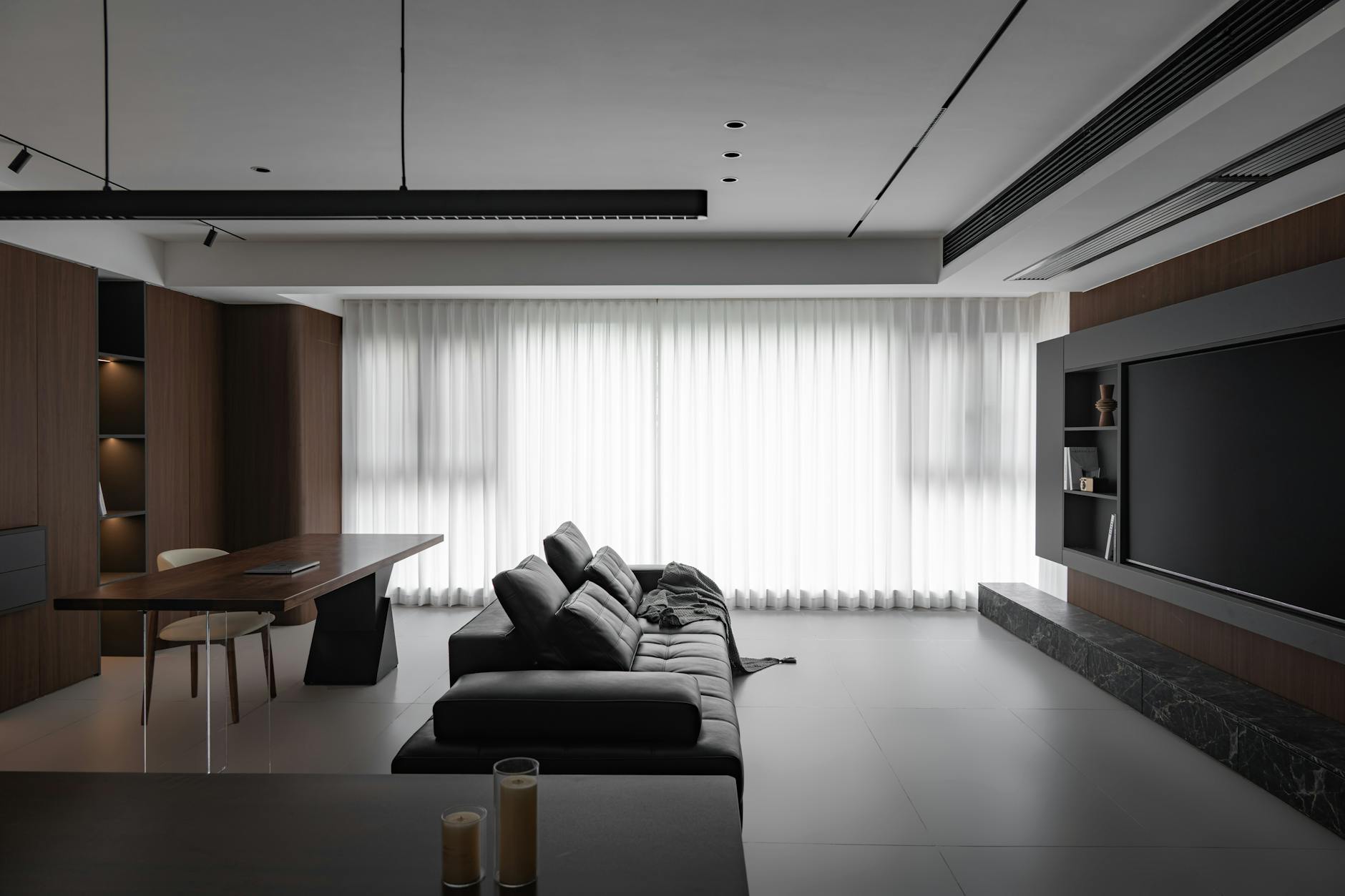
Embracing New Design Trends
On the other end of the spectrum, new design embraces the latest trends, materials, and technologies. New furniture and decor items often reflect current tastes and lifestyles, offering a fresh and clean aesthetic that appeals to many. Trends like open floor plans, minimalist designs, and the use of smart home technologies highlight how contemporary design continues to evolve.
New designs typically prioritize functionality alongside aesthetics, creating spaces that are not only beautiful but also practical. For instance, contemporary furniture often includes multi-functional pieces, such as convertible sofas and modular storage solutions that cater to modern living needs. Furthermore, new items are usually made with materials that are easy to maintain, allowing homeowners to curate stylish spaces without the worry of extensive upkeep.
However, one of the criticisms of new design is its potential lack of character. Mass-produced items can often lead to a sterile or uniform appearance in a home, stripping away the unique personality that vintage pieces provide. Additionally, homeowners may find themselves drawn to trends that can quickly feel outdated, leaving them with a space that feels more temporary than timeless.
Finding Balance: Merging Vintage and New
The most effective approach to interior design may lie in the fusion of vintage and new elements. Striking this balance allows you to enjoy the warmth and character of vintage pieces while benefiting from the convenience and innovation of contemporary design. Consider using vintage furniture as focal points in a room, paired with modern accessories or artwork to create a cohesive look that captures the best of both worlds.
For example, a sleek, modern sofa can provide a fresh contrast to an ornate antique coffee table. Similarly, a vintage chandelier can add elegance and sophistication to a simple, minimalist dining area. By thoughtfully curating your space, you can create depth and interest that resonates with your personal style. Remember that layering different styles adds richness to any interior, creating a personalized sanctuary that feels uniquely yours.
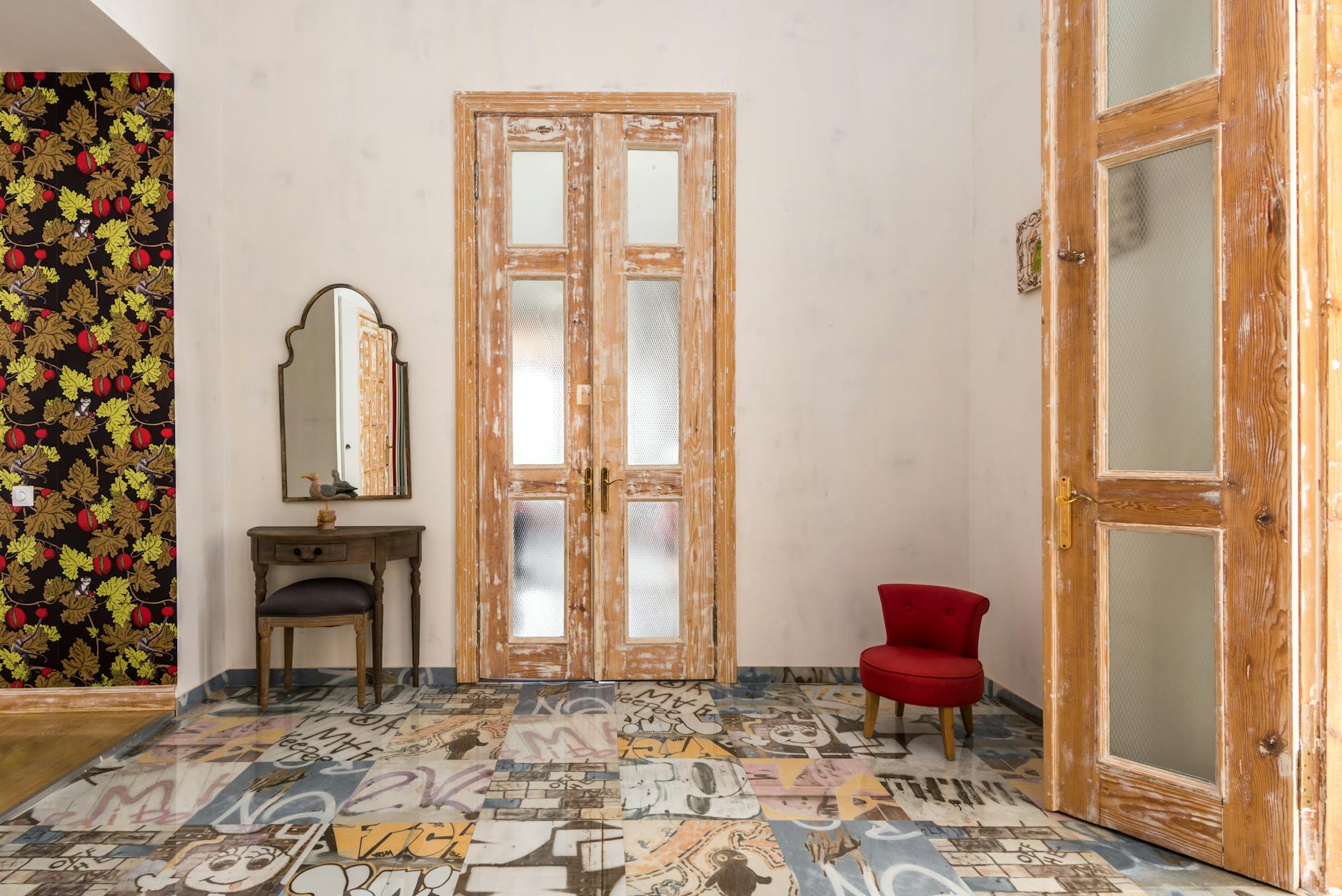
Moreover, consider the color palettes and textures when mixing vintage and new elements. Vintage items may feature muted tones and rich textures, while new designs often lean towards cleaner lines and brighter colors. By selecting a common palette or contrasting textures, you can harmonize these elements in a way that feels intentional rather than disparate.
Conclusion: Choosing What’s Right for You
Ultimately, the choice between vintage and new in interior design comes down to your individual preferences, lifestyle, and the atmosphere you want to create in your home. Vintage elements can introduce warmth, history, and unique storytelling, while new designs often provide functionality, ease of maintenance, and adherence to the latest trends. By embracing a blend of both, you can achieve a beautifully designed space that reflects your personality and meets your practical needs.
As you embark on your design journey, take the time to explore local thrift shops, antique stores, and modern showrooms. Engage with the stories behind the pieces you choose, whether they are vintage treasures or new creations. After all, a home should not only be a reflection of your style but also an expression of who you are.
