
In an age dominated by rapid technological advancements and the proliferation of mass-produced furniture, the resurgence of traditional techniques in interior design has become a noteworthy trend. Designers and homeowners alike are increasingly recognizing the value of craftsmanship, storytelling, and authenticity that these timeless methods bring to a space. This article delves into the various aspects of traditional design techniques, exploring how they can enhance modern interiors and provide a unique, personal touch to our living environments.
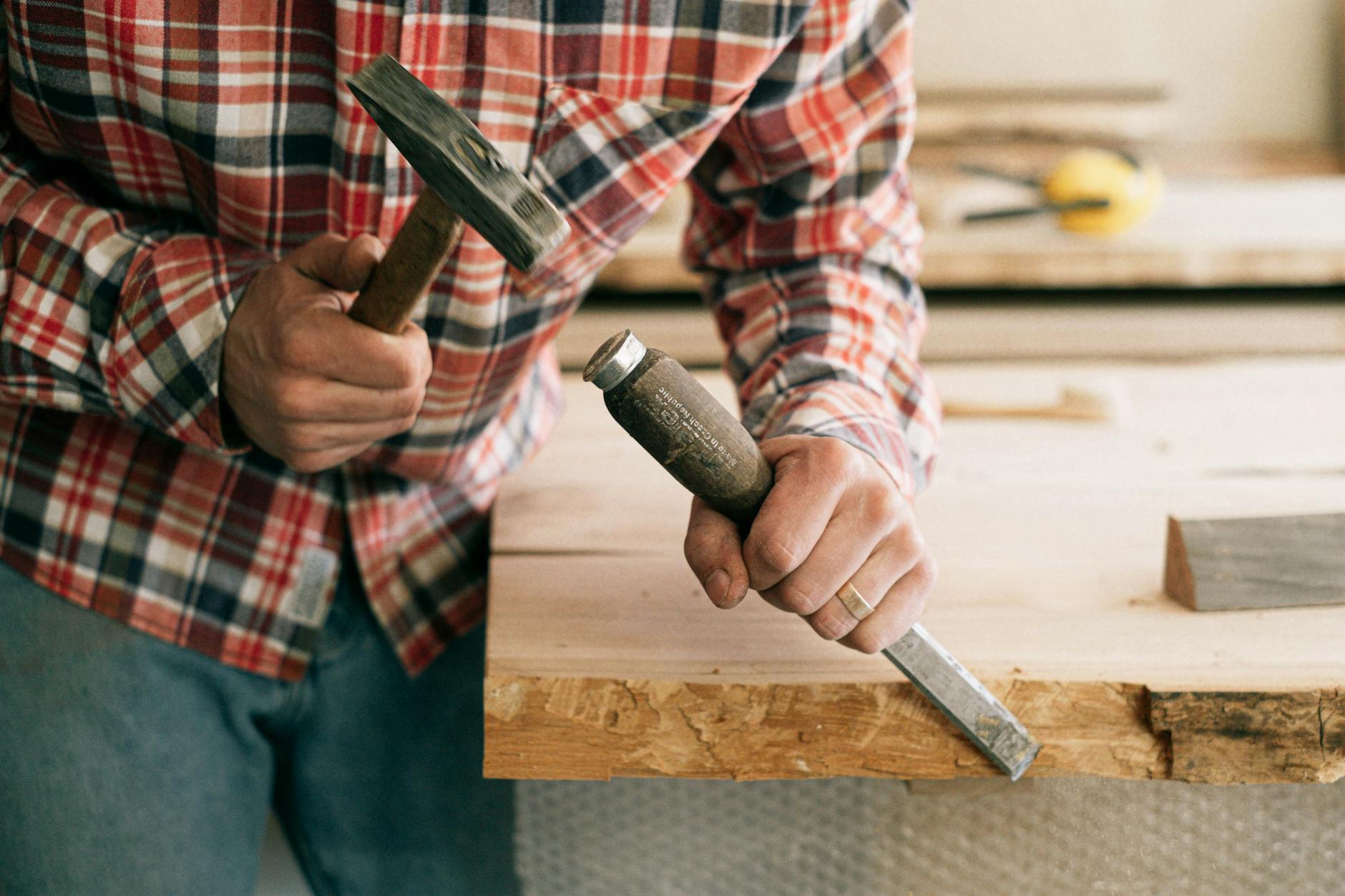
Rediscovering Craftsmanship
As consumers grow more conscious of sustainability and the impact of their purchasing decisions, handmade and artisanal products are experiencing a renaissance. Unlike their mass-produced counterparts, handcrafted items tell a story of craftsmanship that resonates with modern sensibilities. Traditional techniques such as hand-carving, weaving, and pottery-making not only offer aesthetic appeal but also support local artisans and encourage the use of sustainable materials.
Investing in bespoke pieces that embody traditional craftsmanship fosters a deeper connection between the owner and their home. Consider furniture made using time-honored joinery techniques or textiles woven on antique looms—each piece encapsulates the skill and dedication of its maker. This emotional resonance enriches the interior, transforming it from merely a functional space to a canvas illustrating the values and stories of its inhabitants.
The Aesthetic Appeal of Traditional Materials
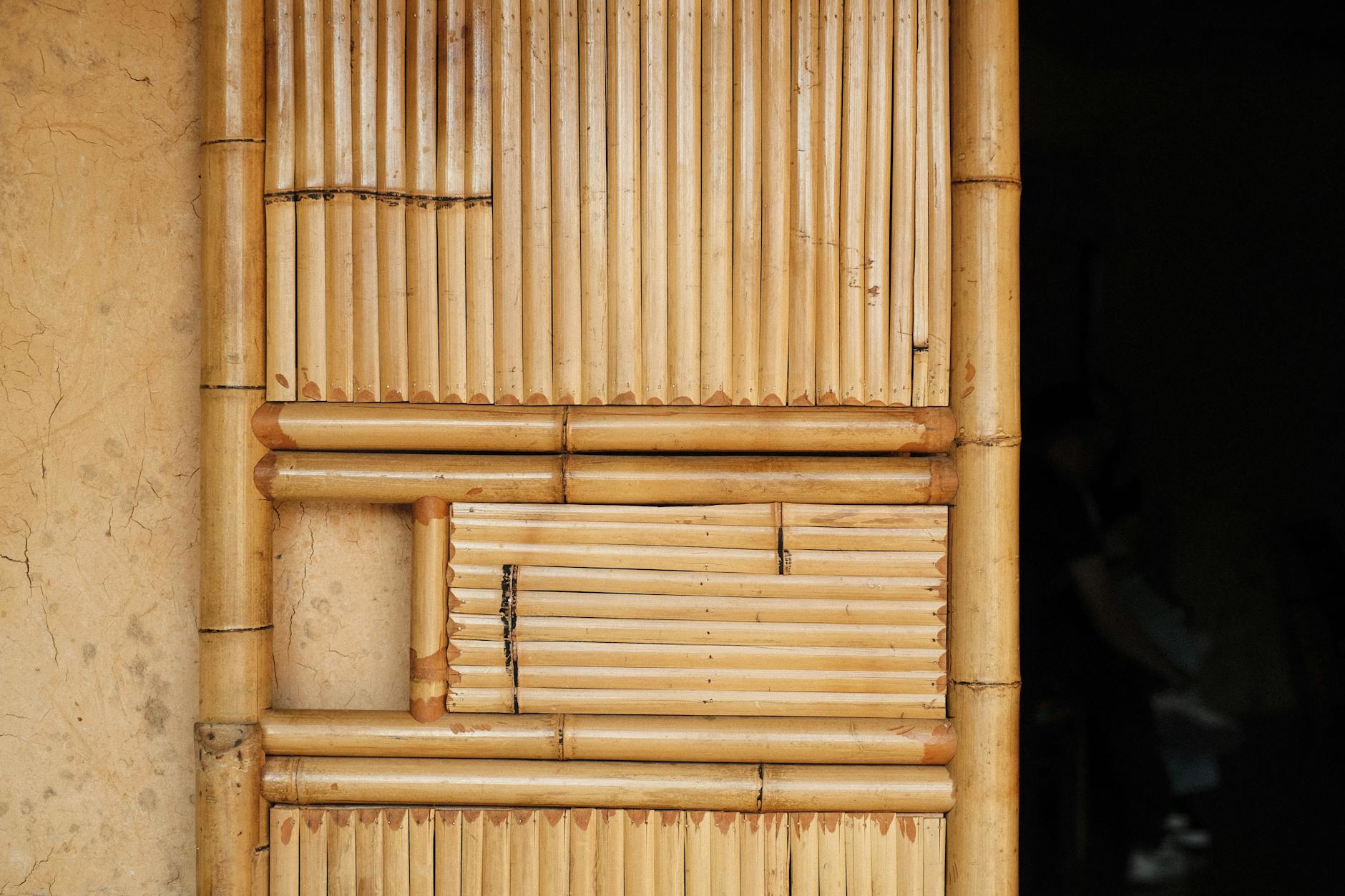
The selection of materials is crucial when incorporating traditional techniques into modern design. Natural materials such as wood, stone, and clay not only offer durability but also imbue a space with warmth and character. Wood, in particular, is experiencing a revival, with designers opting for reclaimed timber that tells its own story while reducing the carbon footprint associated with new production.
Textiles crafted using traditional methods can add depth and personality to any room. Artisanal fabrics like hand-dyed indigo, block-printed cotton, and woolen rugs can infuse a contemporary space with a nod to history. By utilizing these materials, homeowners can strike a balance between modern aesthetics and traditional narratives, creating spaces that feel both fresh and rooted in heritage.
Integrating Vintage Finds
The charm of vintage pieces, whether through thrift-store treasures or family heirlooms, cannot be overstated in the context of interior design. These items, crafted using traditional techniques, carry their own stories, adding layers of meaning to a space. Mixing vintage elements with modern design offers a compelling juxtaposition that enhances overall aesthetic appeal.
For instance, a sleek, contemporary sofa can be beautifully complemented by a coffee table from the mid-century, showcasing the artistry of a different era. This blend can evoke a sense of nostalgia while remaining stylishly relevant. Additionally, embracing vintage lighting fixtures, ceramics, and decorative accents can serve as conversation starters, enticing guests to learn about the rich histories behind such pieces.
The Role of Artistry in Modern Interiors
Artistry plays a pivotal role in the resurgence of traditional techniques within interior design. Designers are commissioning artisans to create bespoke pieces tailored to their clients’ preferences and spaces. This collaboration between modern designers and traditional artisans ignites a creative synergy that yields unique results.
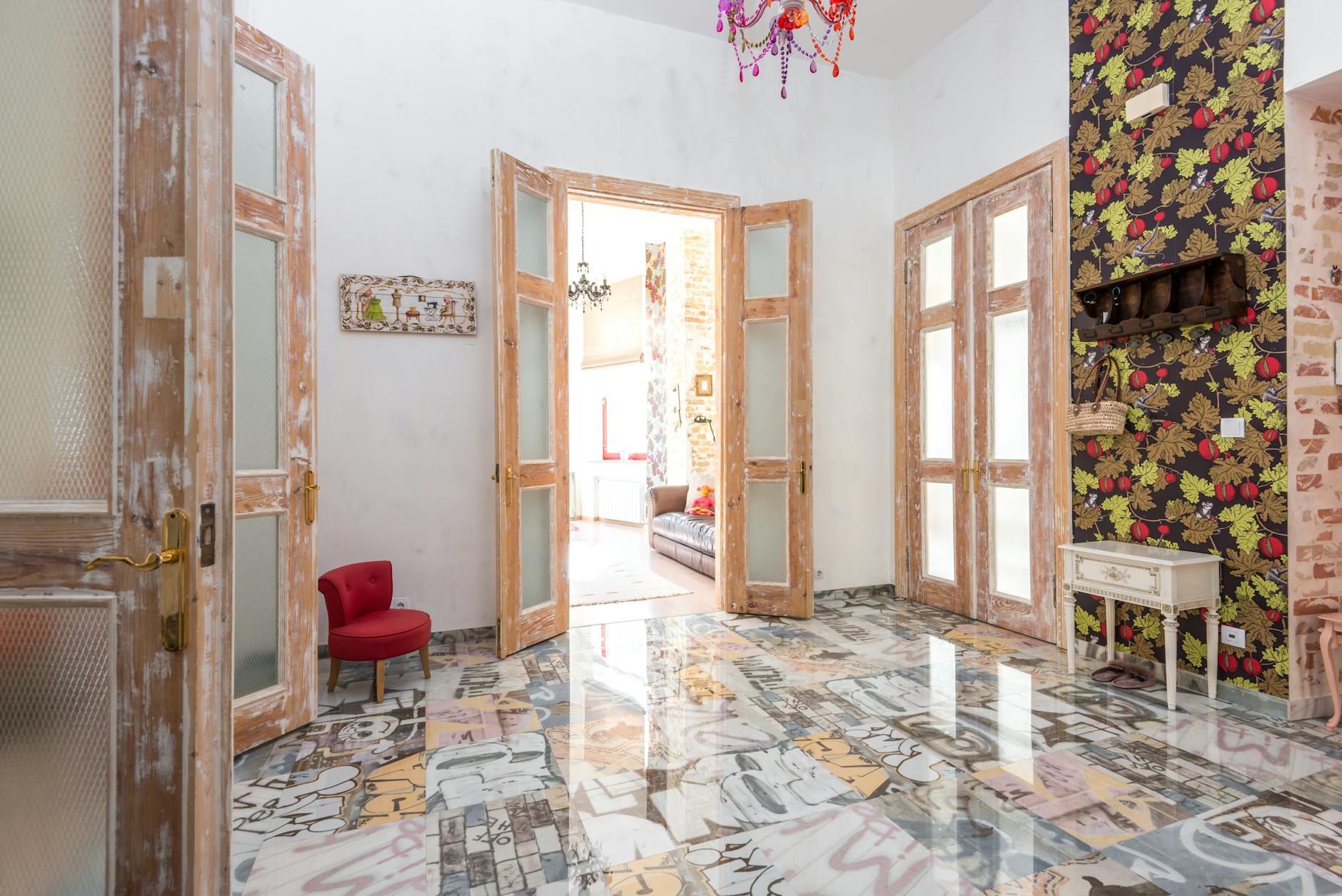
For example, custom tile-making—a technique rooted in history—has found its place in contemporary interiors. Artisans can craft personalized backsplashes or flooring that speak to individual style while utilizing age-old methods. This level of personalization is increasingly appealing, providing a stunning visual narrative that distinguishes one’s home from the ordinary.
Furthermore, integrating wall murals or decorative plasterwork, which are traditional forms of artistry, can enhance the architectural integrity of a space. These details can elevate even the simplest rooms, turning them into extraordinary works of art that reflect the personality of the inhabitants.
Creating Meaningful Spaces Through Traditional Techniques
The combination of traditional techniques with contemporary aesthetics does not merely aim to create visually appealing environments; it seeks to foster a sense of belonging and identity. As individuals become more aware of their consumption choices, the appeal of spaces that acknowledge cultural heritage and artisanal skill grows stronger. Traditional design techniques provide an opportunity to create meaningful spaces that resonate with stories and personal histories.
In a world where everything seems transient, establishing a home that reflects enduring values offers both solace and connection. The thoughtful incorporation of craftsmanship, natural materials, vintage pieces, and artistry cultivates an environment that nurtures the soul and fosters relationships. As we embrace the return of these traditional techniques, we are not merely decorating our spaces—we are weaving a tapestry of our lives, experiences, and identities.
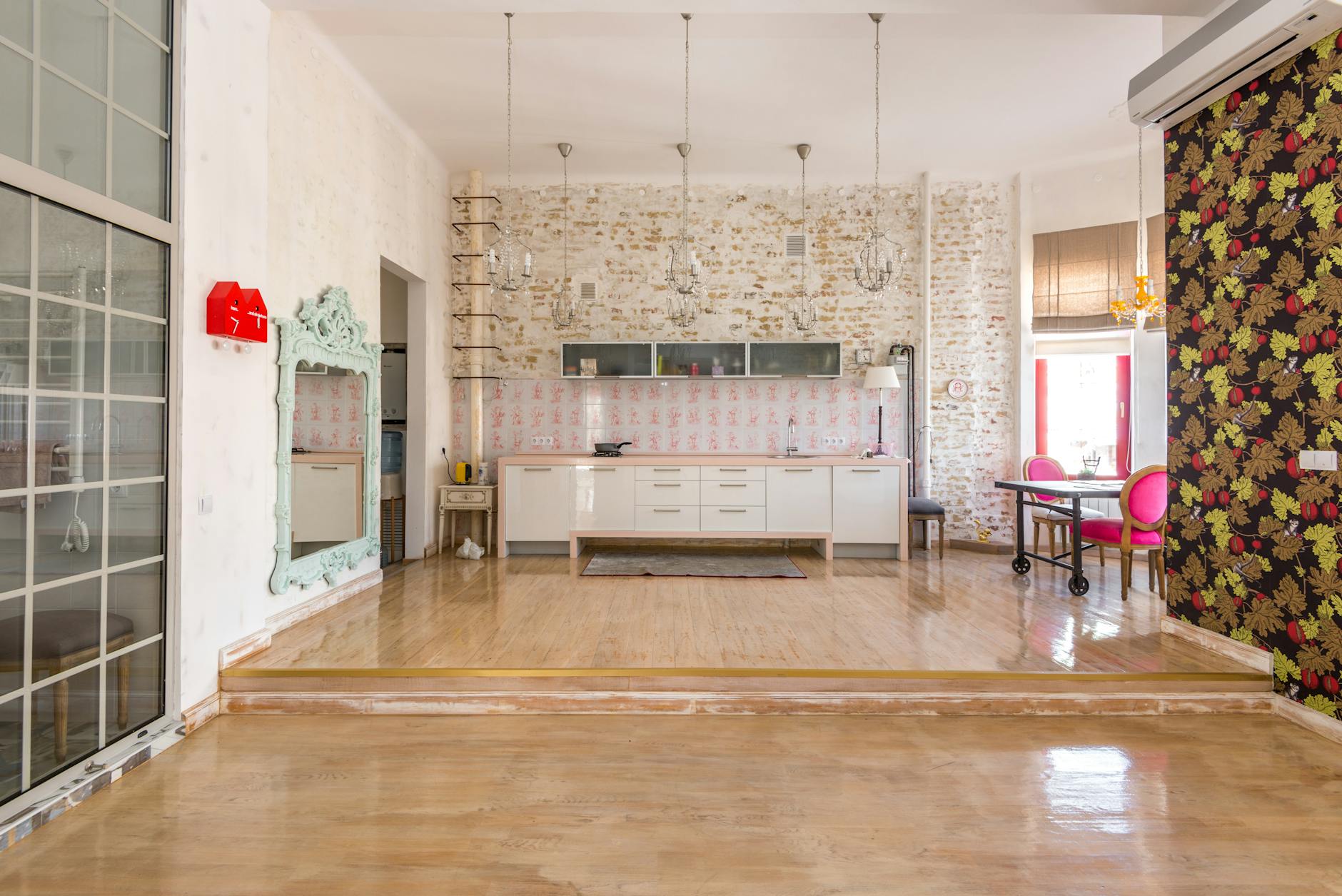
The revival of traditional techniques in interior design is about more than aesthetic preferences; it’s a profound statement of values and philosophies in a rapidly changing world. By choosing to invest in handcrafted pieces, sustainable materials, and timeless artistry, we are participating in a movement that honors the past while enhancing our present and future. The spaces we choose to inhabit should reflect who we are, and through the lens of traditional craftsmanship, we can cultivate interiors that transcend time, creating lasting legacies for generations to come.
