
In the ever-evolving world of interior design, certain pieces stand out for their enduring appeal and consistent value. Whether it’s a striking piece of furniture, an exquisite work of art, or a vintage accessory, some items possess a quality that allows them to transcend trends and retain their worth over time. But what gives these pieces their lasting significance? This article delves into the characteristics that contribute to the timeless nature of selected interior design elements, drawing on history, craftsmanship, and emotional connection.
The Influence of Timeless Design Principles
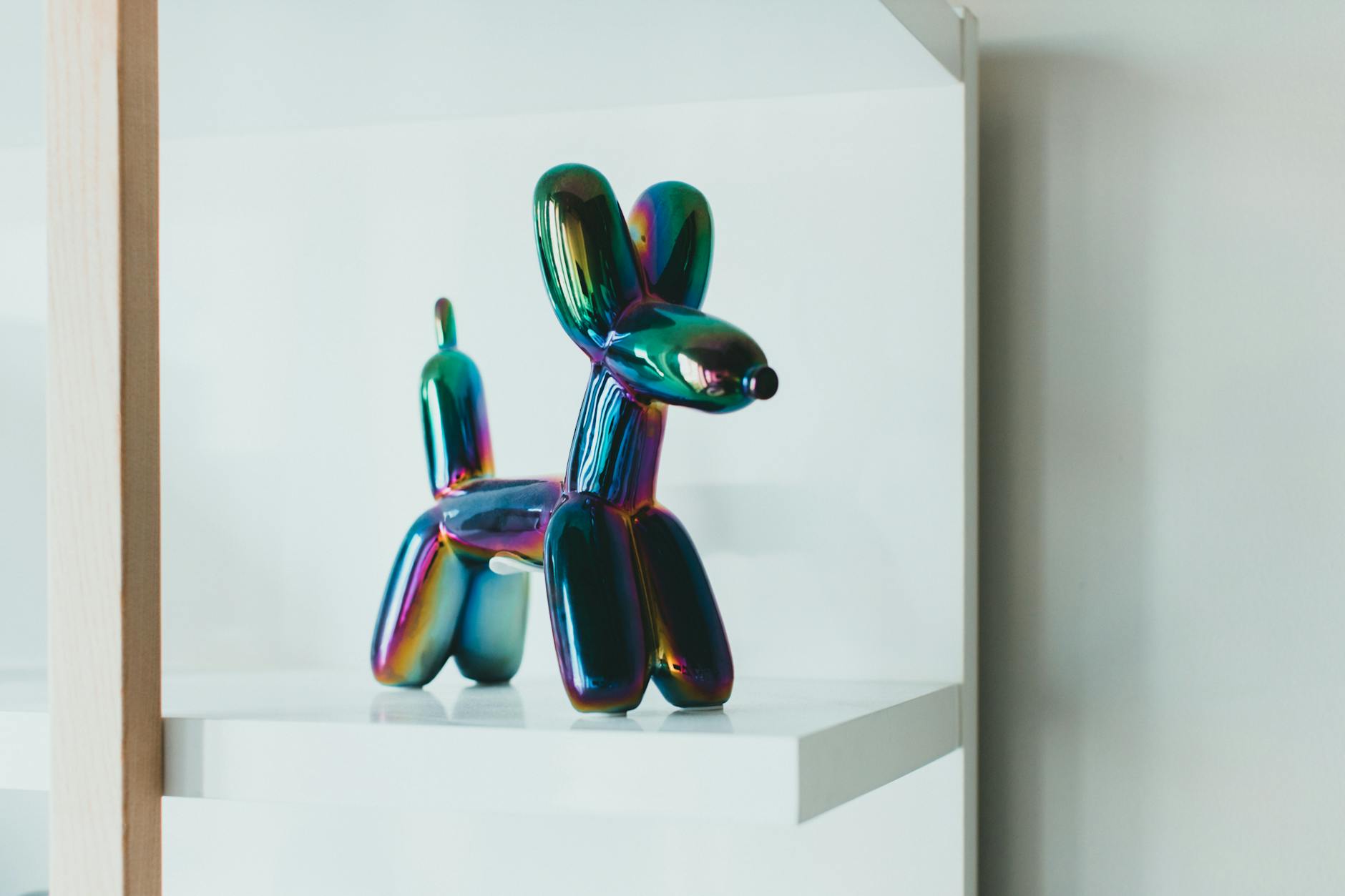
To understand why some pieces maintain their value, we first need to consider the principles of timeless design. Great designs are often characterized by simplicity, functionality, and a sense of harmony. These principles have been embraced by iconic designers throughout history—think of the clean lines of Mid-Century Modern furniture or the elegant curves of Art Deco pieces. Such designs elicit a sense of balance and proportion, making them not only visually appealing but also universally relevant.
The works of renowned designers like Charles and Ray Eames or Eero Saarinen highlight how thoughtful design can endure the test of time. Their creations are celebrated for their aesthetic appeal, ergonomic considerations, and innovative use of materials. For enthusiasts and collectors, these design elements hold intrinsic value beyond mere decoration; they represent a legacy of creativity and groundbreaking thought that remains fresh and coveted.
The Significance of Quality Craftsmanship
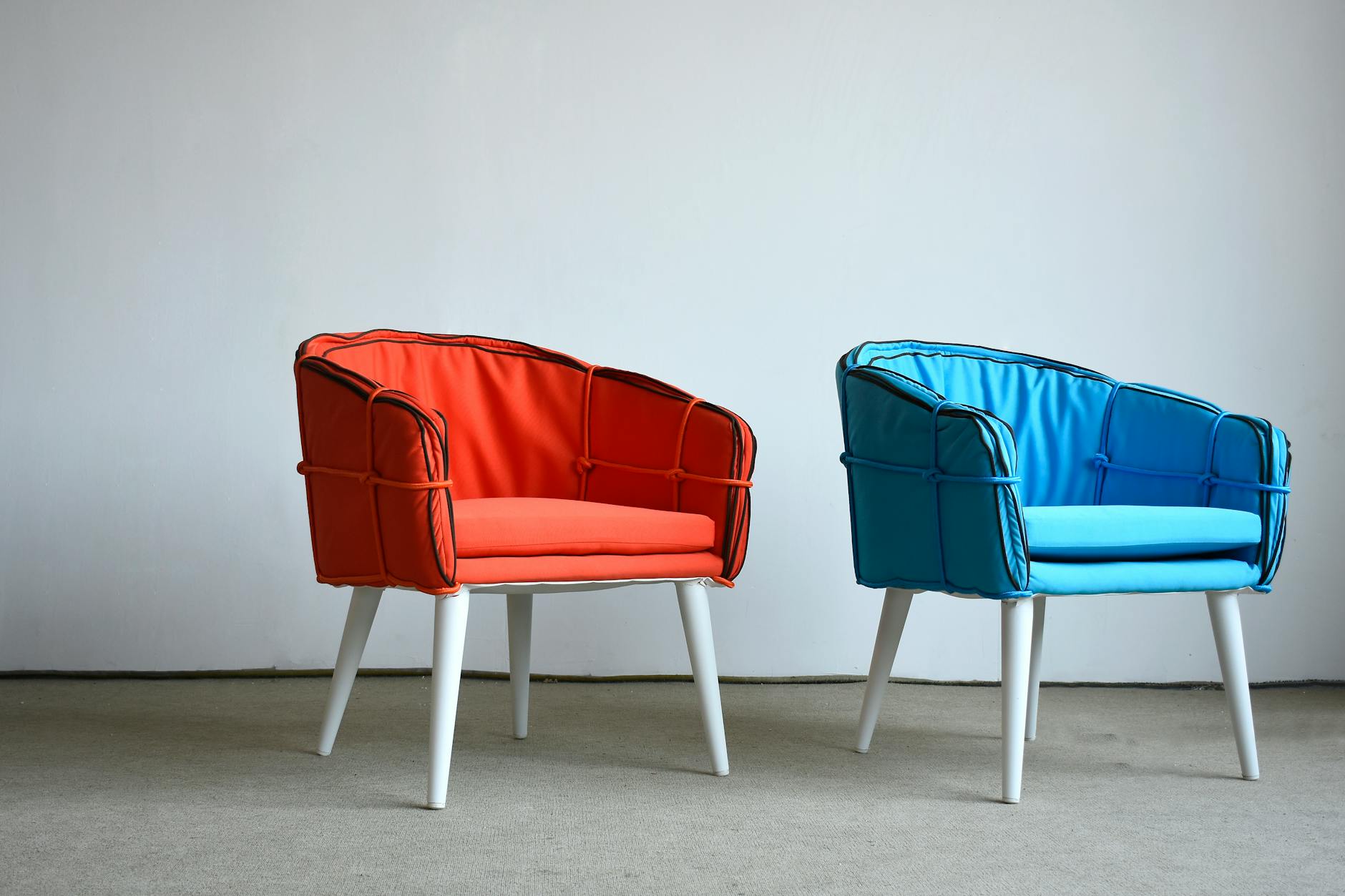
Another critical factor that contributes to the lasting value of certain design pieces is the quality of craftsmanship. Handmade items, particularly those created using traditional techniques, often carry a story imbued with history and expertise. The dedication involved in the creation of artisanal pieces lends them a uniqueness that mass-produced items simply cannot replicate.
Take, for instance, the meticulous craftsmanship of hand-carved wooden furniture or the intricate details of a handmade rug. Each piece not only showcases the skill of its maker but also serves as a testament to the time-honored traditions of craftsmanship. These elements of rarity and authenticity elevate their worth in the eyes of collectors and design enthusiasts alike, ensuring that they remain sought-after items for generations.
“Quality over quantity—investing in well-crafted pieces brings lasting satisfaction and value.” – Unknown
Historical Significance and Cultural Relevance
Many timeless design pieces are steeped in historical significance or cultural relevance, which adds to their desirability and value. These items often tell stories about the time periods from which they emerged, reflecting the societal values, artistic movements, and technological advancements of their eras. For example, Victorian-era furnishings, with their ornate detailing, embody a sense of luxury and craftsmanship that many still admire today.
Moreover, as society continues to evolve, the context in which these pieces were created can resonate deeply within contemporary culture. Designers and collectors alike often find inspiration in past styles, leading to a revival of interest in vintage and antique items. This cyclical relationship between history and modern design ensures that particular pieces remain relevant, as their stories continue to inspire new generations.
Emotional Connections and Personal Narratives
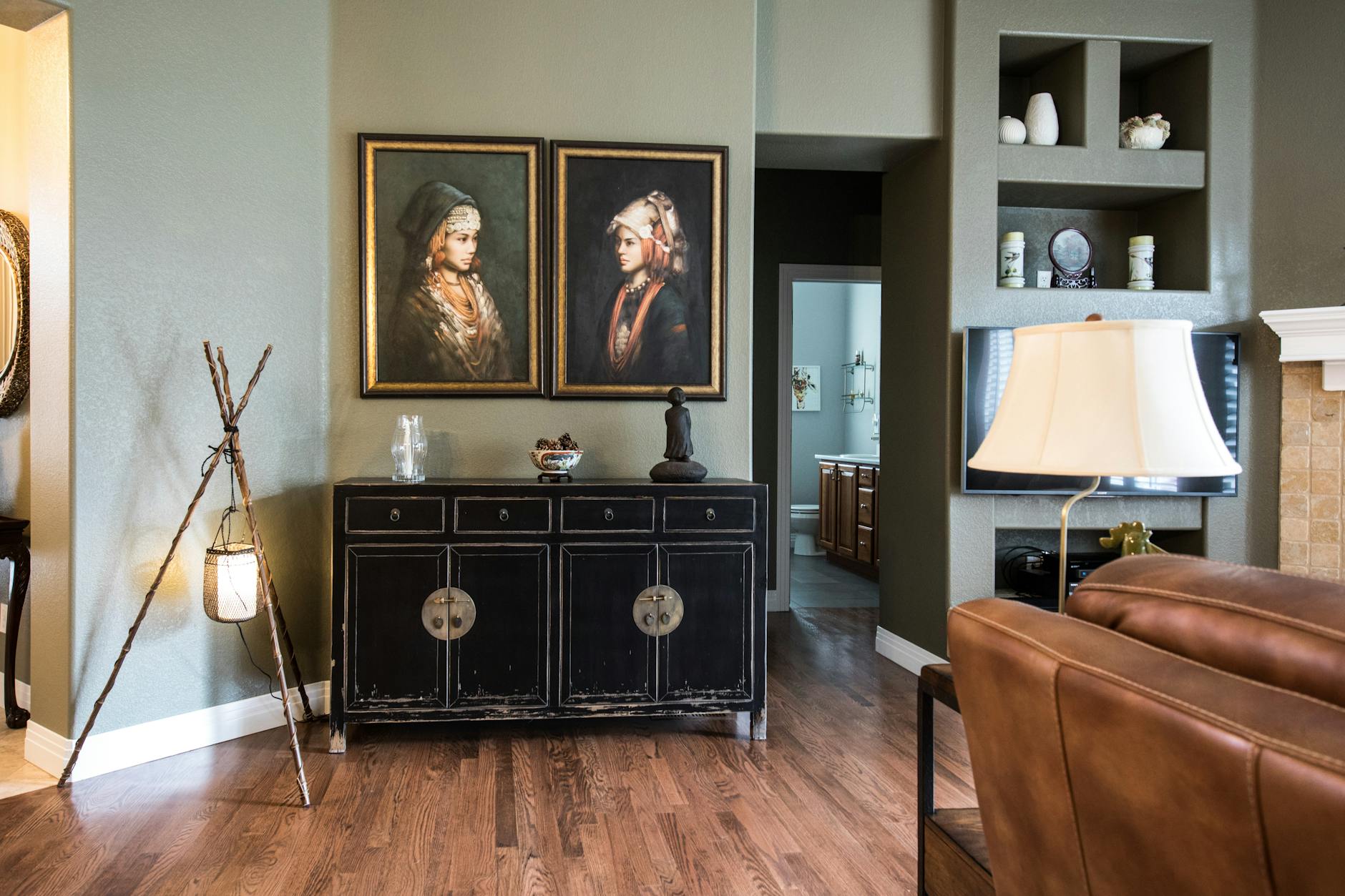
Lastly, the emotional connection that individuals form with certain design pieces plays a crucial role in their enduring value. An item that has been passed down through generations carries with it not just aesthetic appeal, but also personal narratives and memories. Family heirlooms, for instance, often hold more than just monetary worth; they embody sentiments, traditions, and the legacies of those who came before us.
As such, these pieces transcend their function as mere objects and become cherished artifacts within a home. When people invest in quality items that resonate with their personal stories or aesthetic preferences, they ensure a lasting bond that reinforces the piece’s value. This emotional investment transforms a beautiful chair or a striking vase into a beloved companion—a timeless element of their home.
Conclusion: A Lasting Legacy of Value
In an age of fast fashion and fleeting trends, the allure of timeless design pieces remains strong. By embracing design principles that prioritize simplicity and functionality, valuing quality craftsmanship, acknowledging historical significance, and fostering emotional connections, certain items rise above the rest and maintain their worth. Investing in such pieces not only enhances the aesthetics of a home but also builds a legacy that can be passed through generations. As we curate our spaces, let us remember the enduring beauty of thoughtfully designed elements that stand the test of time.
