In a world increasingly dominated by mass production and automation, the concept of craftsmanship has emerged as a beacon of authenticity in the luxury market. As consumers search for items that not only serve a function but also tell a story, the emphasis on handmade quality has gained significant traction. This article delves into the allure of craftsmanship in modern luxury, exploring its significance, the resurgence of artisanal methods, and the value it adds both to products and to the consumer experience.
The Resurgence of Artisanal Skills
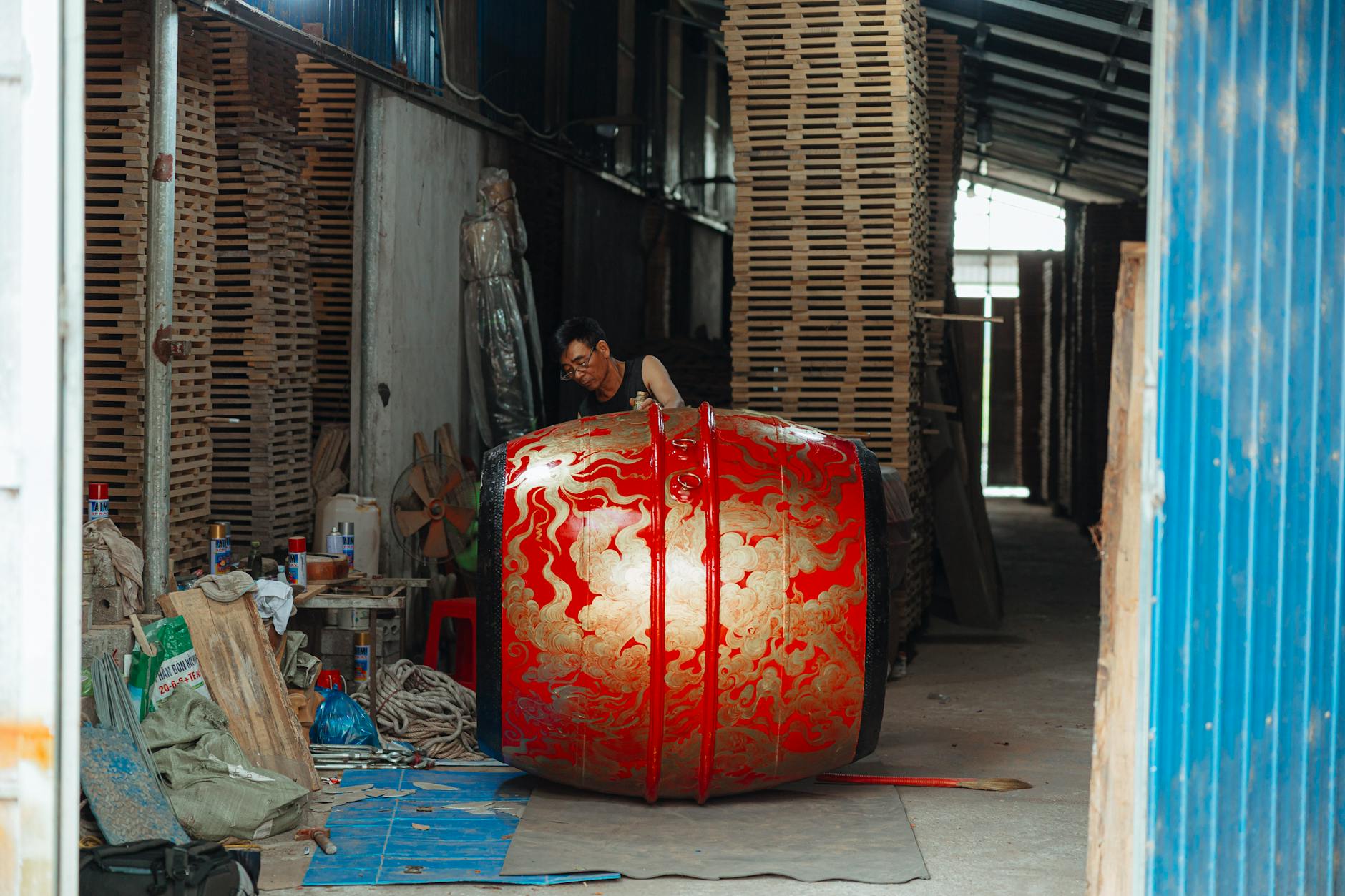
Craftsmanship is not merely about creating a product; it embodies a deep-rooted tradition and skill passed down through generations. In recent years, there has been a renewed interest in artisanal skills as people seek products that reflect the time, effort, and passion behind their creation. This shift is particularly evident in industries such as fashion, furniture, and food, where consumers are willing to invest more for items that are handcrafted.
The revival of artisanal techniques has led to a new appreciation for the painstaking processes that distinguish luxury goods. For example, many high-end fashion brands are now re-engaging with traditional tailors and artisans to create bespoke garments that are not only stylish but also unique to each wearer. This approach empowers artisans, giving them recognition and monetary value for their expertise while enriching the brand’s narrative.
Moreover, as sustainability becomes a more pressing concern, artisanal brands often prioritize responsible sourcing and production. By utilizing local materials and methods, they minimize the carbon footprint associated with mass production, making craftsmanship an environmentally conscious choice for luxury consumers.
Craftsmanship as an Emotional Connection
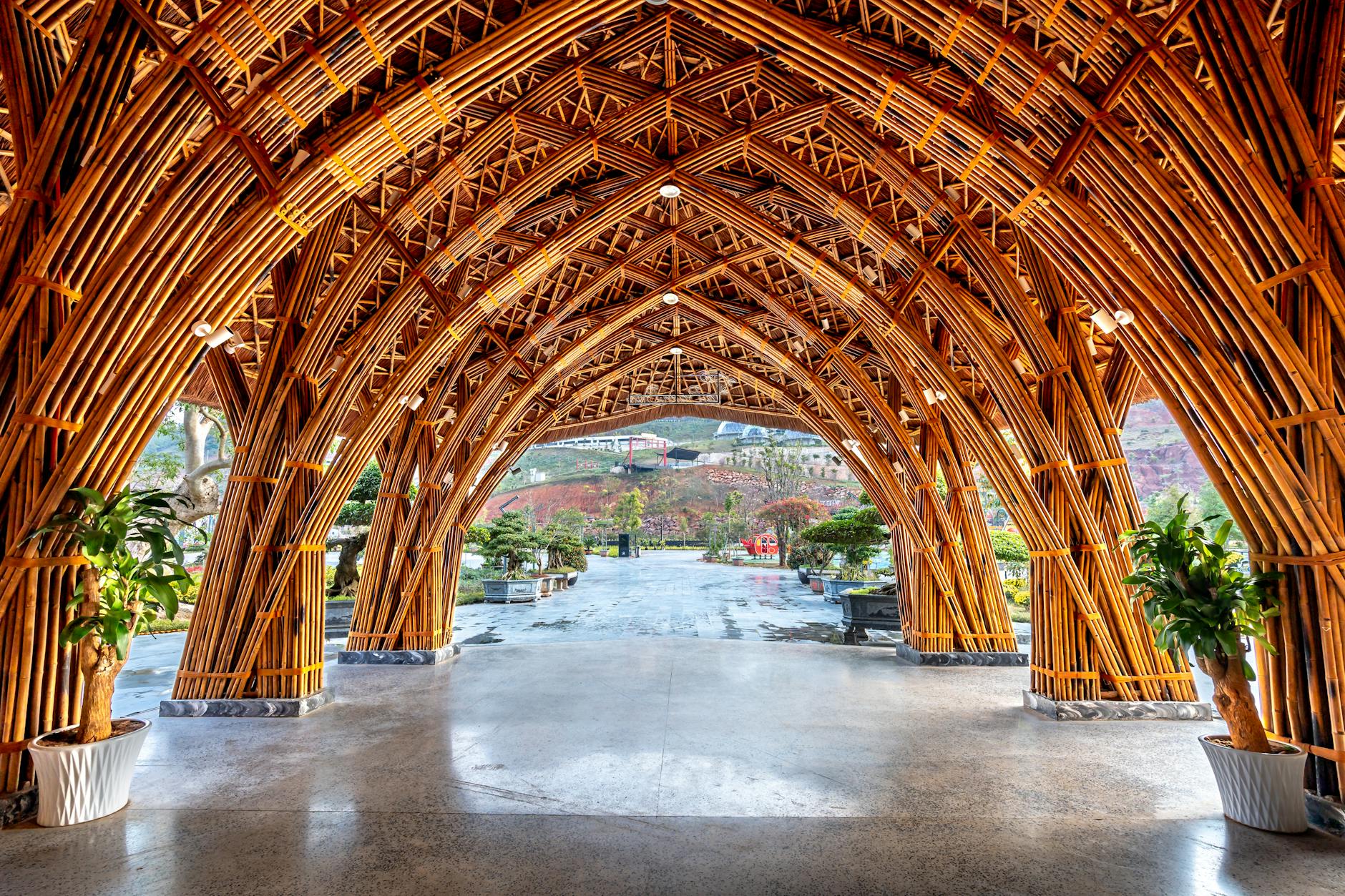
In the realm of luxury, emotional connections are paramount. The unique stories behind handcrafted items foster a deeper relationship between the buyer and the product. For consumers, luxury is about more than just ownership; it’s about acquiring a piece with character and a narrative that resonates with their personal values. This emotional layer transforms a simple purchase into a cherished possession, often passed down through generations.
“The true luxury of an item lies not only in its price tag but in the passion and skill invested in its creation.”
This emotional aspect extends beyond the product itself; it encompasses the entire consumer experience. Many luxury brands that prioritize craftsmanship offer immersive storytelling through their marketing, showcasing the artisans at work and the techniques used in production. This storytelling adds significant value to the purchase, allowing consumers to feel a part of the journey.
Additionally, handcrafted products often evoke nostalgia and a sense of authenticity that mass-produced items lack. As consumers navigate a fast-paced world filled with disposable trends, the timeless appeal of craftsmanship acts as a grounding force, reminding them of the beauty found in patience and skill.
The Economic Impact of Craftsmanship in Luxury Markets
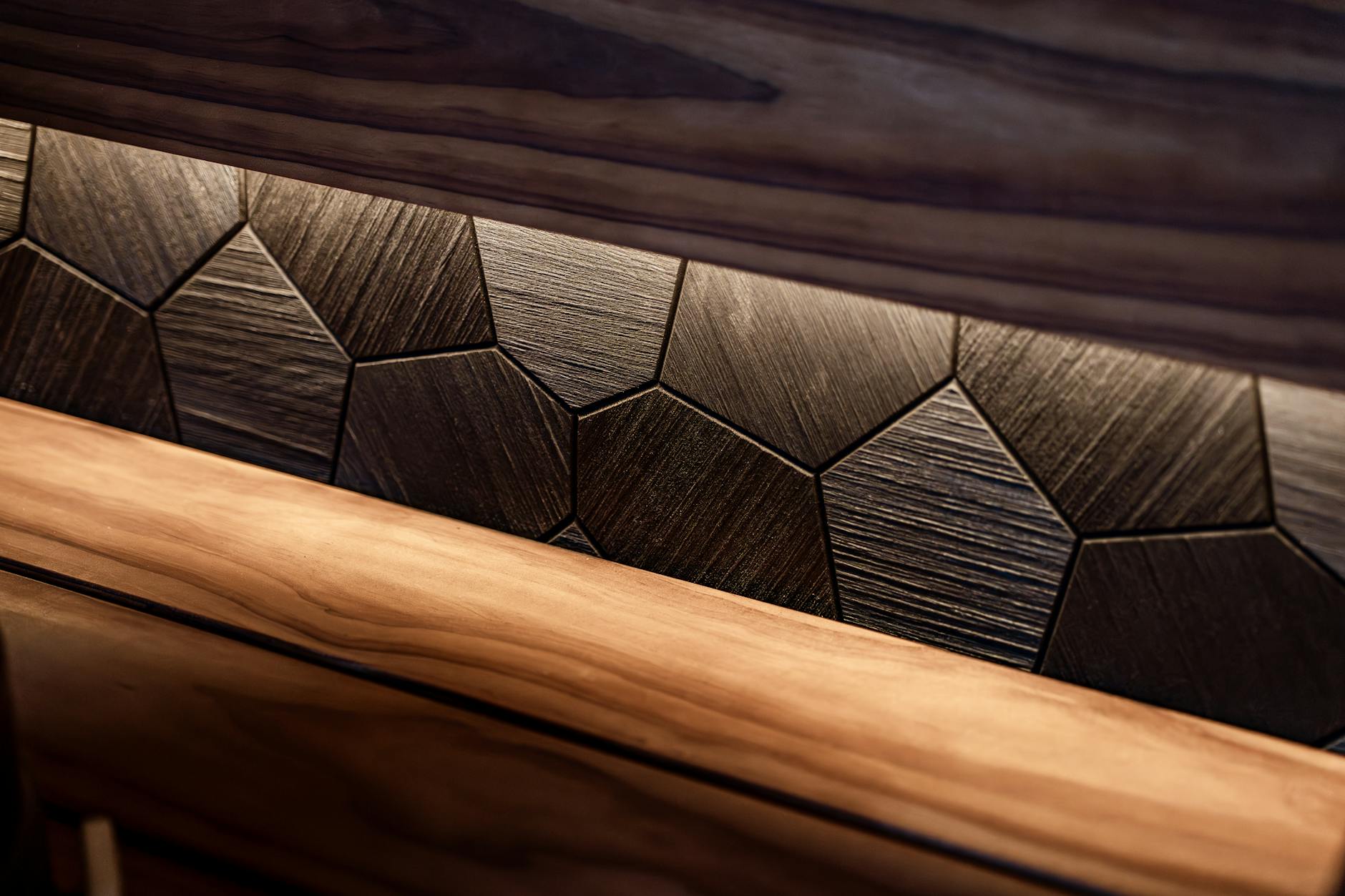
The impact of craftsmanship on the luxury sector extends beyond the emotional and aesthetic to include economic ramifications as well. With consumers increasingly turning towards artisanal products, companies that prioritize craftsmanship often see substantial growth. The global market for handmade products has seen significant expansion, with consumers valuing quality over quantity.
This shift not only benefits brands that embrace craftsmanship but also supports local economies. Artisanal businesses often source materials locally and employ skilled artisans within their communities, fostering job growth and supporting traditional crafts. Communities such as Italy, Japan, and Morocco have recognized the economic potential of their artisans, investing in initiatives to promote local craftsmanship on a global scale.
Furthermore, luxury brands that successfully highlight their commitment to craftsmanship can differentiate themselves in an overcrowded market. This differentiation not only justifies premium pricing but also creates a loyal customer base willing to advocate for brands that align with their values.

Craftsmanship: A Sustainable Future for Luxury
As the luxury market evolves, the value of craftsmanship is increasingly intertwined with sustainability. Consumers are becoming more aware of the environmental impact of their purchases and are seeking out brands that practice ethical production. Craftsmanship offers a solution, as artisans prioritize quality over quantity, creating durable products that encourage longevity instead of disposability.
Many luxury brands are now on the forefront of sustainable practices, integrating craftsmanship with eco-friendly initiatives. For instance, some companies are exploring zero-waste techniques and using recycled materials, while others are investing in training programs for artisans to ensure the passing on of skills in a sustainable manner. By embracing craftsmanship as a core value, luxury brands not only appeal to eco-conscious consumers but also contribute to a broader movement toward sustainable consumption.
In this way, craftsmanship embodies a philosophy that transcends trends and reinforces the idea that true luxury is found in quality, detail, and responsibility. By choosing artisanal products, consumers are not just making a purchase; they are participating in a movement that values heritage, skill, and sustainability.
The Future of Luxury Craftsmanship
As we look to the future, the value of craftsmanship in modern luxury will likely continue to grow. As technology advances, the importance of human touch and skill may become even more pronounced. While automated production offers efficiency, it often lacks the soul and character found in handcrafted goods. The balance between innovation and tradition will shape the landscape of luxury, and craftsmanship will serve as a critical touchstone in this dialogue.
Ultimately, the allure of craftsmanship lies in its ability to foster connections—between the artisan and the product, the product and the consumer, and the consumer and the greater community. As more luxury brands recognize this intrinsic value, craftsmanship will increasingly position itself not just as a niche market but as a cornerstone of modern luxury—echoing the sentiment that true luxury is a celebration of artistry, skill, and sustainability.