
In the world of interior design, the aesthetic appeal and functionality of spaces often take center stage. However, one critical element transcends mere design principles: heritage. Heritage, in the context of interior design, refers to the history, culture, traditions, and personal memories interwoven into the fabric of a space. This article explores how heritage creates emotional value, enriching our living environments and influencing our intimate experiences within them.
The Emotional Resonance of Heritage
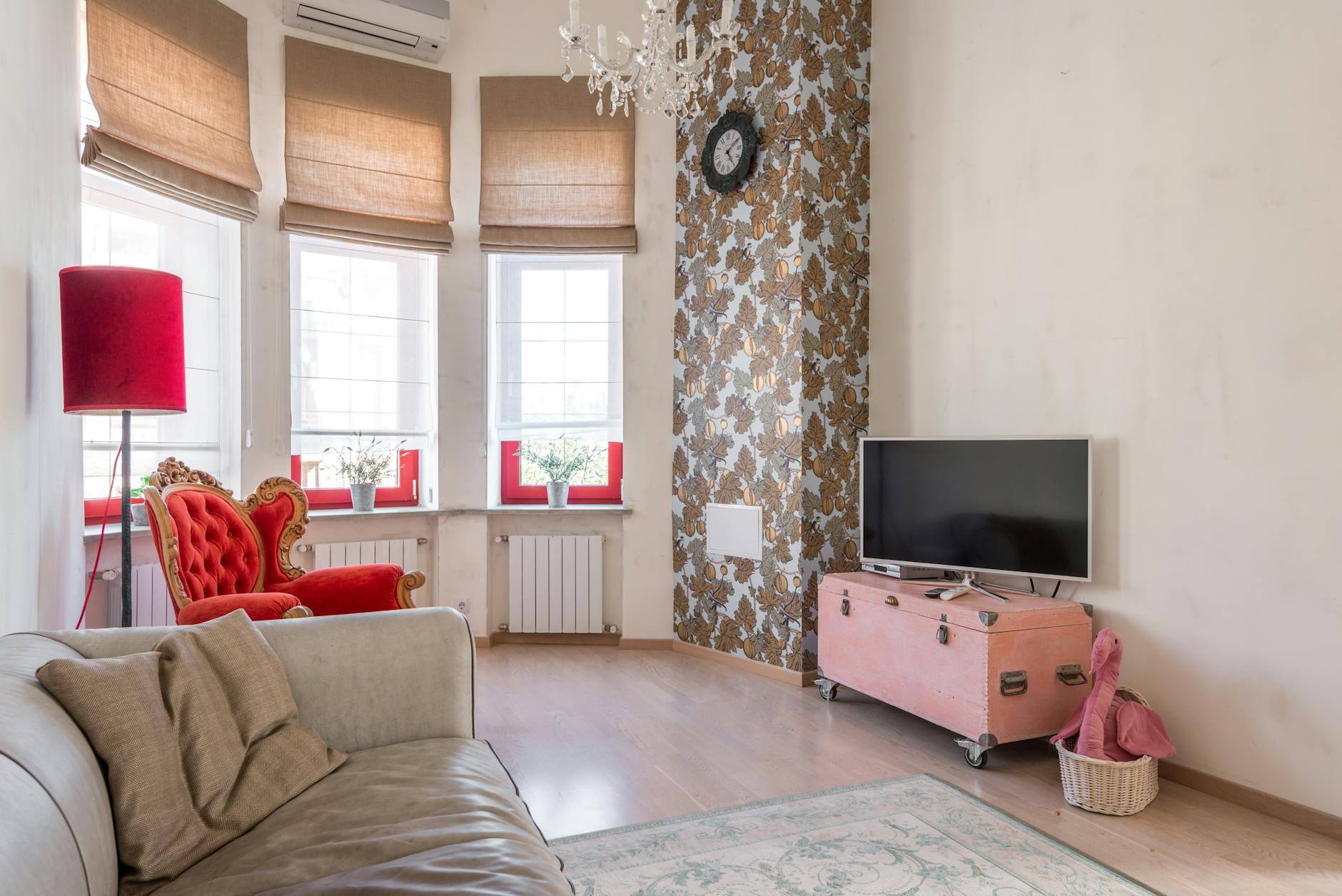
Our surroundings significantly influence how we feel and function. Spaces saturated with heritage evoke emotional responses that might not always be easy to articulate. This is not merely nostalgia; it is a profound connection to personal and collective histories. For instance, a family heirloom may evoke memories of cherished moments, such as holidays or gatherings, which in turn, enhances the emotional value of the space it occupies.
When we incorporate elements of heritage into interior design, we craft environments that resonate with deeper meanings. For example, a vintage piece of furniture may hold stories of previous generations, creating a sense of continuity and belonging. In contrast, a modernist aesthetic, while visually striking, may lack the warmth provided by elements steeped in history. Emotional value is embedded in these connections, fostering a sense of identity and place.
Crafting Personal Narratives through Design
Every individual and family has a unique heritage, and the interior design of our spaces can reflect these personal narratives. By selecting items that symbolize one’s background—be it through cultural artifacts, family heirlooms, or even colors and patterns that tell a story—designers create intimate environments that resonate with inhabitants on a profound level.
For instance, a homeowner of Italian descent may choose to display vintage ceramics, reminiscent of their grandmother’s kitchen, while another might opt for textiles that celebrate their African roots. These deliberate design choices serve not just an aesthetic purpose but also create an emotional landscape rich with personal significance. Individuals feel more connected to their space when they see elements that represent their heritage, leading to a more fulfilling living experience.
Heritage as a Source of Inspiration
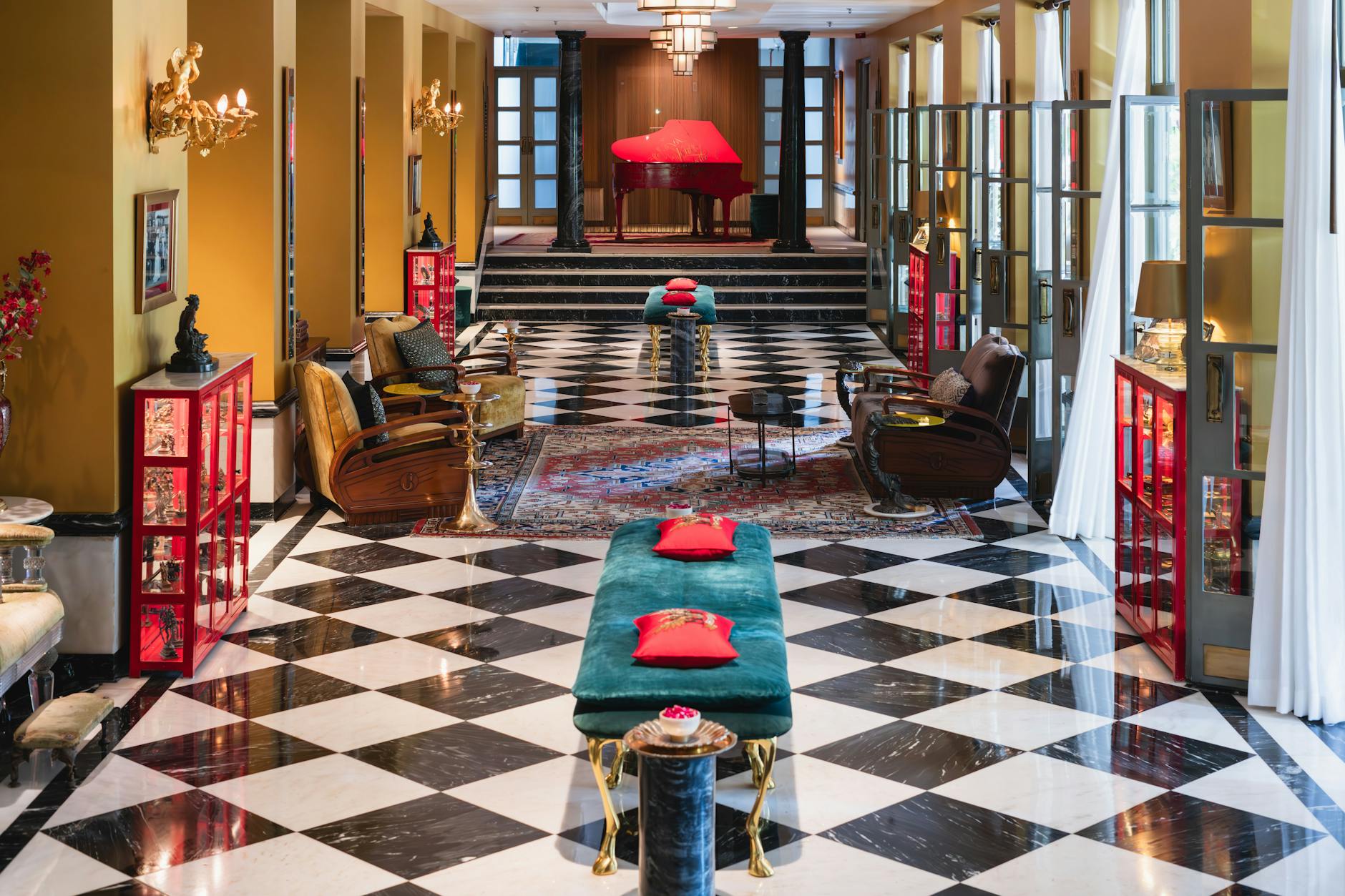
Heritage can also act as a wellspring of inspiration for interior design, offering various styles, patterns, and materials that enrich modern spaces. Whether it’s the intricate tile work of Moorish architecture, the simplicity of Scandinavian design, or the opulence of baroque interiors, designers often draw upon these historical styles to infuse their work with character.
Incorporating heritage-inspired elements can create unique juxtaposition in modern interiors. For example, mixing contemporary furniture with vintage pieces can yield a dynamic aesthetic that sparks conversations. Moreover, when interior designers weave elements of heritage into their projects, they invite a sense of story and authenticity that is often lacking in mass-produced furnishings. This approach fosters a deeper connection between the occupant and their surroundings, transforming spaces into meaningful environments.
Sustainability and Heritage: A Contemporary Approach
In recent years, there has been a growing awareness of sustainability in design, and heritage plays a critical role in this conversation. By valuing and preserving historical elements, designers contribute to sustainable practices that honor the past while promoting responsible use of resources. Reusing existing structures or repurposing vintage materials is not only eco-friendly but also adds emotional value to spaces.
Moreover, integrating heritage elements into modern design can mitigate the feelings of disposability that often accompany contemporary consumer culture. When spaces are filled with items that tell a story—whether through craftsmanship, age, or cultural significance—they become less about transient aesthetic trends and more about lasting connections. This sustainability of emotion transcends generations, creating a legacy that enriches future inhabitants.
Conclusion: The Lasting Impact of Heritage on Interior Design
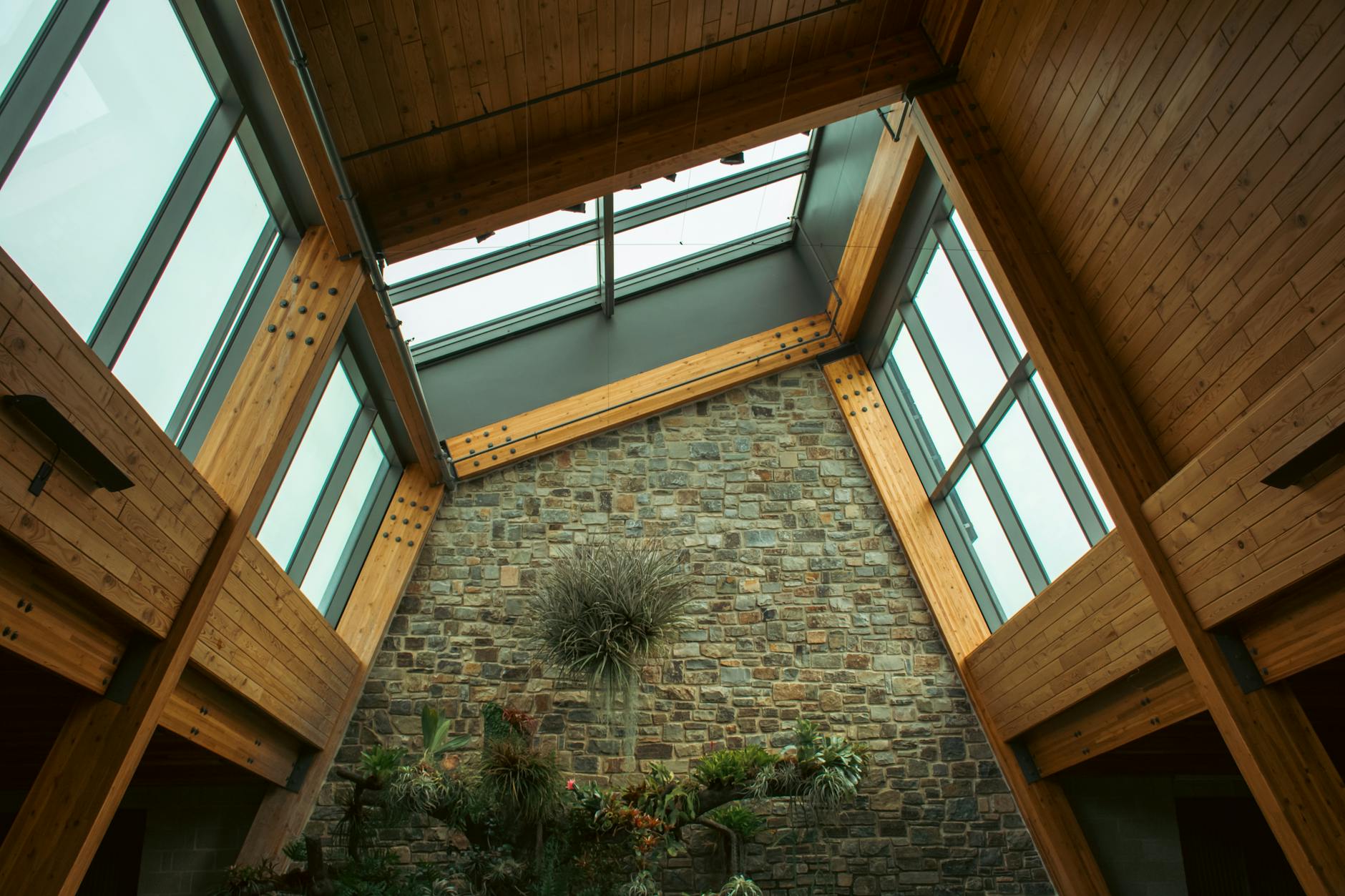
Heritage is not just a relic of the past; it is a vibrant thread that weaves through our lives, shaping our experiences and emotions in the present. Its power lies in its ability to create connections—to our families, our histories, and ourselves. As we engage with heritage in the context of interior design, we cultivate environments that not only reflect our identities but also foster emotional well-being.
Moving beyond aesthetics, the thoughtful integration of heritage into our living spaces can transform them into sanctuaries of memory, narrative, and authenticity. As we design our homes, let us embrace the beauty and significance of our heritage, allowing it to resonate through every room, every piece of furniture, and every cherished object.
