
In today’s fast-paced world, creating a sanctuary within your home is not merely a luxury; it’s a necessity. Our living spaces have the potential to be soothing havens that foster relaxation, creativity, and well-being. By thoughtfully designing your environment, you can make your home a retreat that rejuvenates your spirit and nurtures your mental health. This article will explore essential strategies that can help you transform your home into a tranquil sanctuary.
Embrace Minimalism
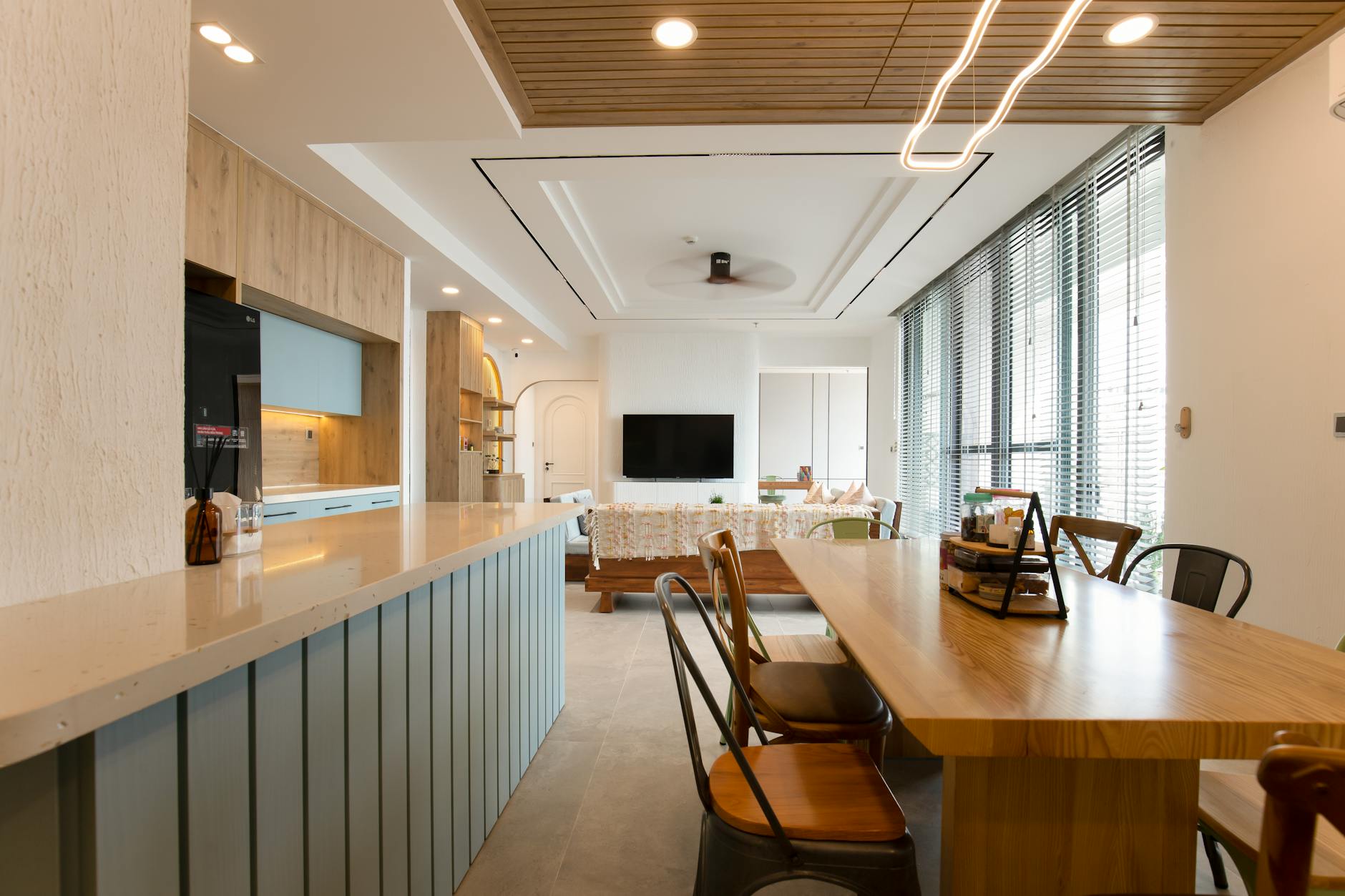
One of the most effective ways to create a serene sanctuary at home is to embrace minimalism. The clutter of unnecessary items can weigh heavily on your mind, distracting you from the peaceful ambiance you seek. To start, evaluate each room in your home and ask yourself what you truly need. Aim to keep only items that serve a purpose or are meaningful to you. Consider investing in multifunctional furniture—pieces that are both practical and aesthetically pleasing help reduce clutter while maximizing space.
Moreover, utilize storage solutions that are stylish and functional. Baskets, hidden compartments, or minimalist shelving can keep your belongings organized without compromising your home’s aesthetic. When each item has a designated space, maintaining order becomes effortless. Remember, the goal is to create an environment that feels spacious and visually calm, allowing your mind to rest and recharge.
Incorporate Natural Elements
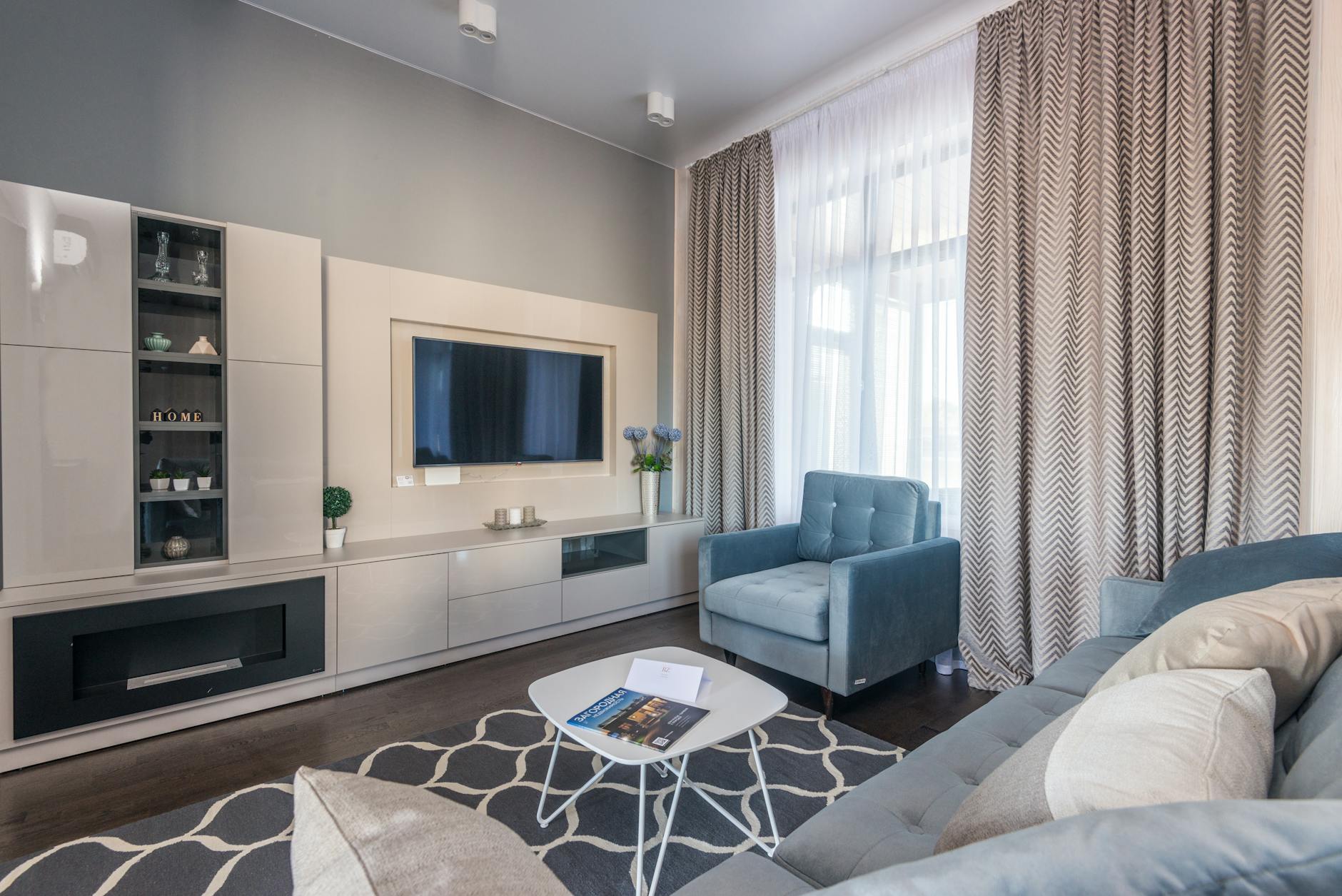
Bringing the outside in is a powerful way to enhance your home’s tranquility. Natural elements, such as wood, stone, and plants, can significantly improve the overall atmosphere. Start by selecting materials for your furnishings that have an organic feel—think reclaimed wood tables or stone countertops. These elements not only add warmth but also create a connection to the natural world, fostering a sense of grounding.
Plants are another essential aspect of a sanctuary. They purify the air, boost mood, and add life to your space. Choose low-maintenance indoor plants like succulents, peace lilies, or snake plants if you’re not an experienced gardener. Arrange them thoughtfully around your home, particularly in areas where you relax or work. The presence of greenery can be incredibly calming and serve as a daily reminder of nature’s beauty.
Create Cozy, Inviting Spaces
Your home should invite you to linger and unwind, so creating cozy spots for relaxation is key. Start with your living room. Layering textures—such as soft throws, plush cushions, and comfortable rugs—can make your seating area warm and inviting. Consider the lighting as well; soft, warm-toned lighting can set a soothing mood. Invest in dimmable lights or smart bulbs that allow you to adjust brightness according to the time of day or your activities.
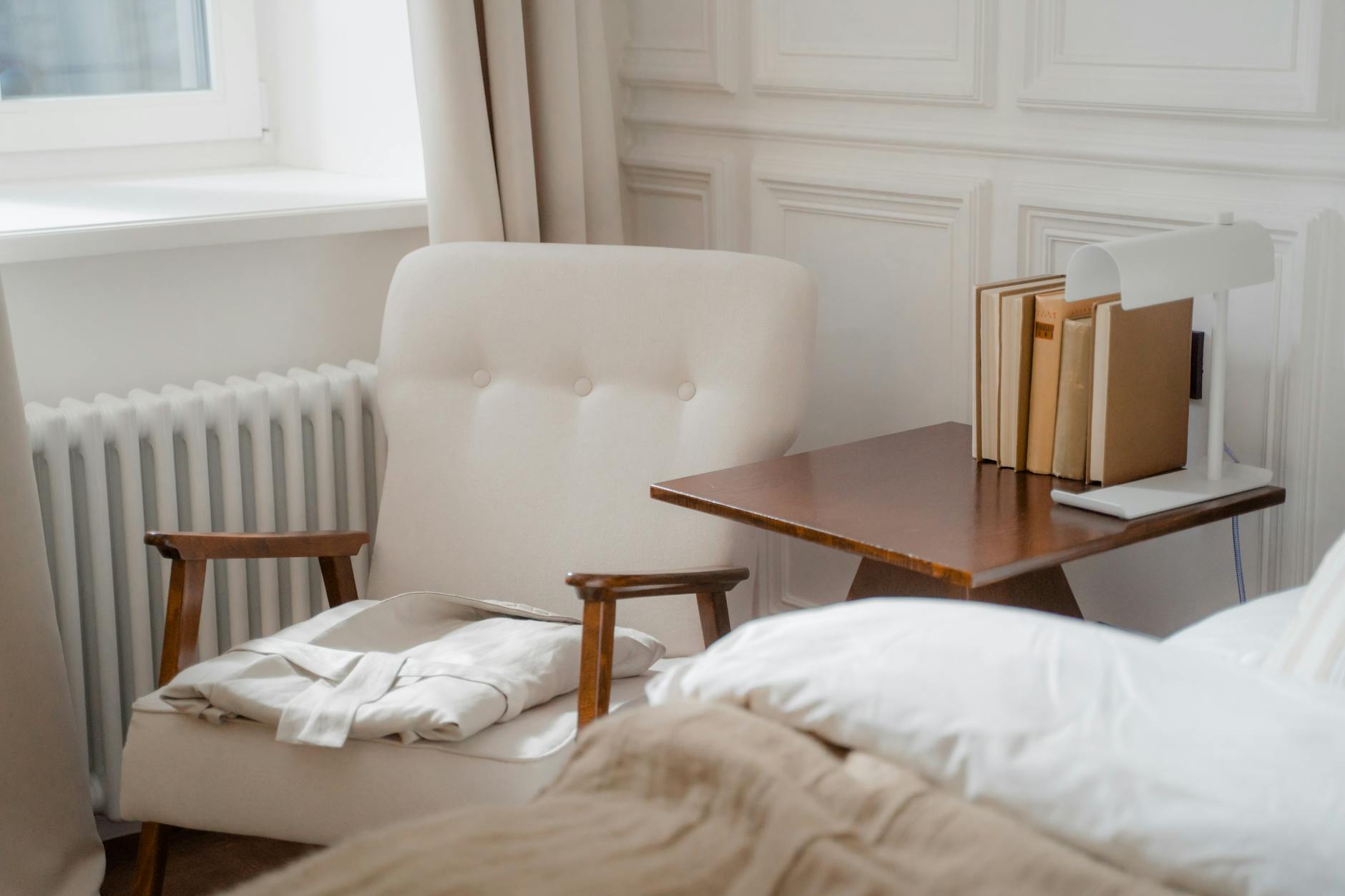
Don’t forget about your bedroom—an essential space for restoration. Opt for calming colors, such as soft blues or muted greens, which can evoke a sense of tranquility. Invest in quality bedding and pillows that encourage restful sleep. Create a reading nook by adding a comfortable chair and good lighting, or dedicate a corner to meditation or yoga. Each of these elements can contribute to making your home feel like a personal sanctuary.
Personalize with Intent
To truly transform your home into a sanctuary, it’s crucial to infuse your personality into the design. Surround yourself with items that inspire joy and peace. This could include artwork, photographs, or souvenirs from meaningful travels. When selecting decor, opt for pieces that resonate with you on a deeper level, rather than mere trends. Each item should serve as a reminder of what brings you happiness and comfort.
Incorporating scents that you love can also deeply enhance the ambiance of your sanctuary. Consider using essential oil diffusers, scented candles, or incense. Scents like lavender, chamomile, or sandalwood can create a calming atmosphere, enabling you to unwind at the end of a long day. As you personalize your space, remember to stay true to what feels authentic to you; your home should reflect your unique journey, preferences, and lifestyle.
Consider Sound and Acoustics
A lesser-considered aspect of creating a sanctuary is the sound quality within your home. Noise can disrupt your peace, but it can also be transformed into a soothing element. Start by assessing any sources of unwanted noise and consider soundproofing options, such as heavy curtains or rugs that absorb sound. You might also choose to incorporate soft background music, nature sounds, or white noise to create a tranquil environment.
Consider adding speakers or sound systems that allow you to curate playlists for relaxation or concentration. The right auditory environment can significantly enhance your mood and promote a sense of calm. Ultimately, sound is an integral part of your sanctuary—the goal is to ensure that your home resonates with harmony and peace.
Design for Movement and Flow
Lastly, pay attention to the layout of your home. The flow of energy within a space can influence how you feel. Avoid overcrowded areas and ensure that pathways are clear; this will not only make your home feel more spacious but also promote a sense of calm. Arrange your furniture to facilitate interaction and make movement seamless, allowing for fluidity in how you navigate through your home.
Incorporate designated areas for different activities—places for work, relaxation, and socializing. This thoughtful zoning can help in achieving balance in your day-to-day life. As you design for movement, consider how each space serves your needs, making adjustments to ensure that your sanctuary is functional as well as aesthetically pleasing.
Creating a sanctuary at home is a deeply personal journey. Every choice you make contributes to an environment that nurtures your well-being and enriches your life. By embracing minimalism, incorporating natural elements, crafting cozy spaces, personalizing your decor, considering the acoustics, and designing for flow, you can turn your house into a place of refuge—a sanctuary that rejuvenates your spirit and offers a peaceful escape from the outside world.
