
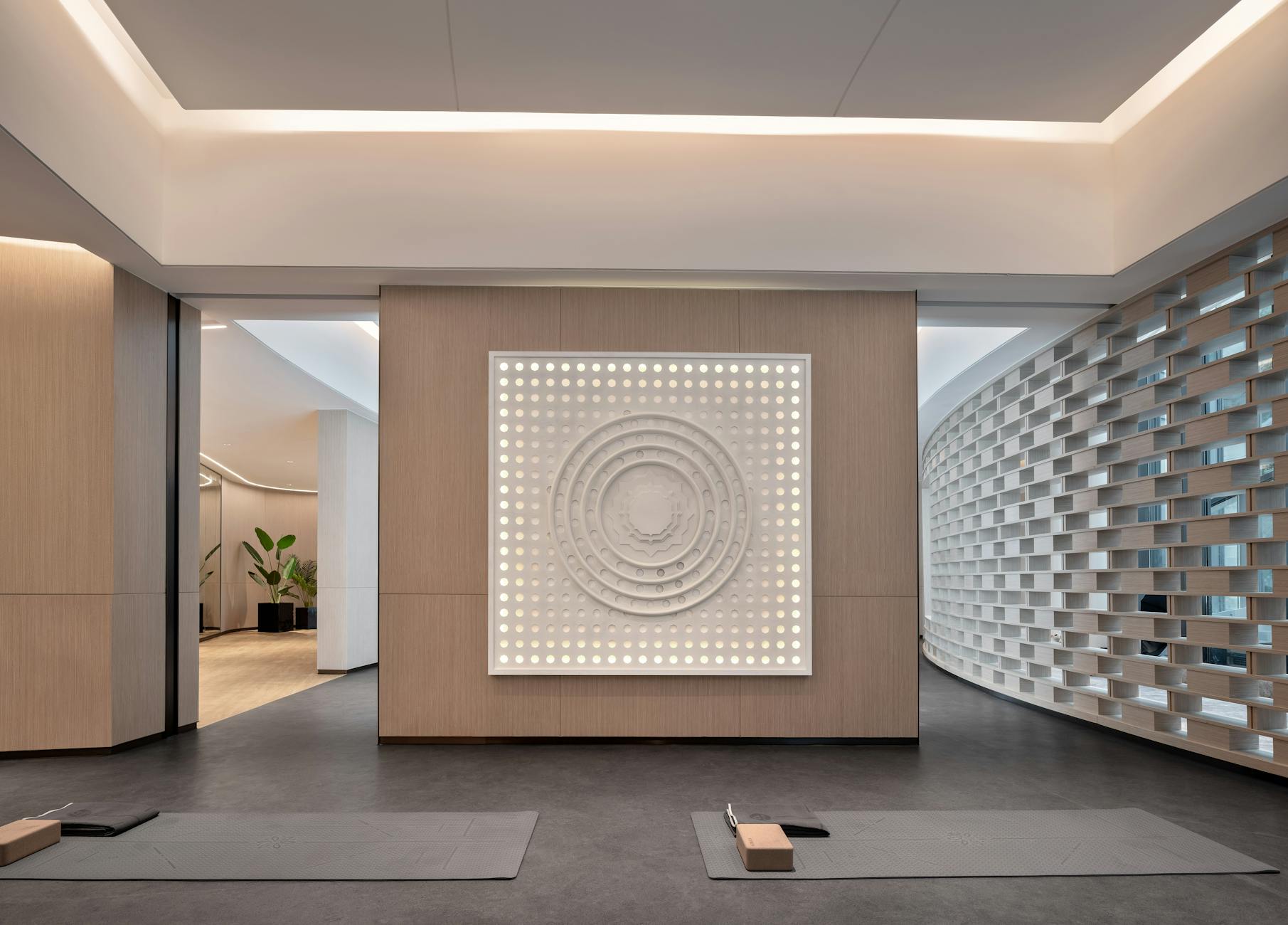
In an increasingly fast-paced world, the demand for mindfulness practices has never been greater. As the pressures of daily life can lead to chronic stress and anxiety, many people are seeking ways to reconnect with themselves and cultivate a sense of peace. Mindfulness goes beyond mere meditation; it’s a lifestyle choice that encourages living in the moment and appreciating life’s simple pleasures. This article will explore beginner-friendly mindfulness practices, embedding them within the context of home design. After all, your living space significantly influences your mental well-being.
Creating a Mindful Environment
Your environment plays a crucial role in your ability to practice mindfulness. A cluttered home can lead to a cluttered mind, making it challenging to focus and relax. Begin by assessing the spaces you spend the most time in—these are the areas you should prioritize for a mindful transformation. Start small; choose a single room or even a corner of a room to concentrate your efforts.
To create a mindful environment, consider incorporating elements that promote relaxation and tranquility. Soft lighting is essential; utilize warm-toned lamps or candles to create a cozy atmosphere. Natural materials such as wood, cotton, and linen can help foster a sense of connection to the earth. Adding plants not only beautifies your space but also enhances air quality, making your environment feel more livable and nurturing.
Remember, the goal is not to create a perfect space but rather a personal sanctuary that encourages mindfulness. Think about the colors you use, the placement of furniture, and the decoration. Opt for calming shades like soft greens and blues, which can evoke feelings of calmness and serenity. A mindful design should also reflect your personality—include art or mementos that resonate with you. A space that feels uniquely yours can foster feelings of safety and relaxation.
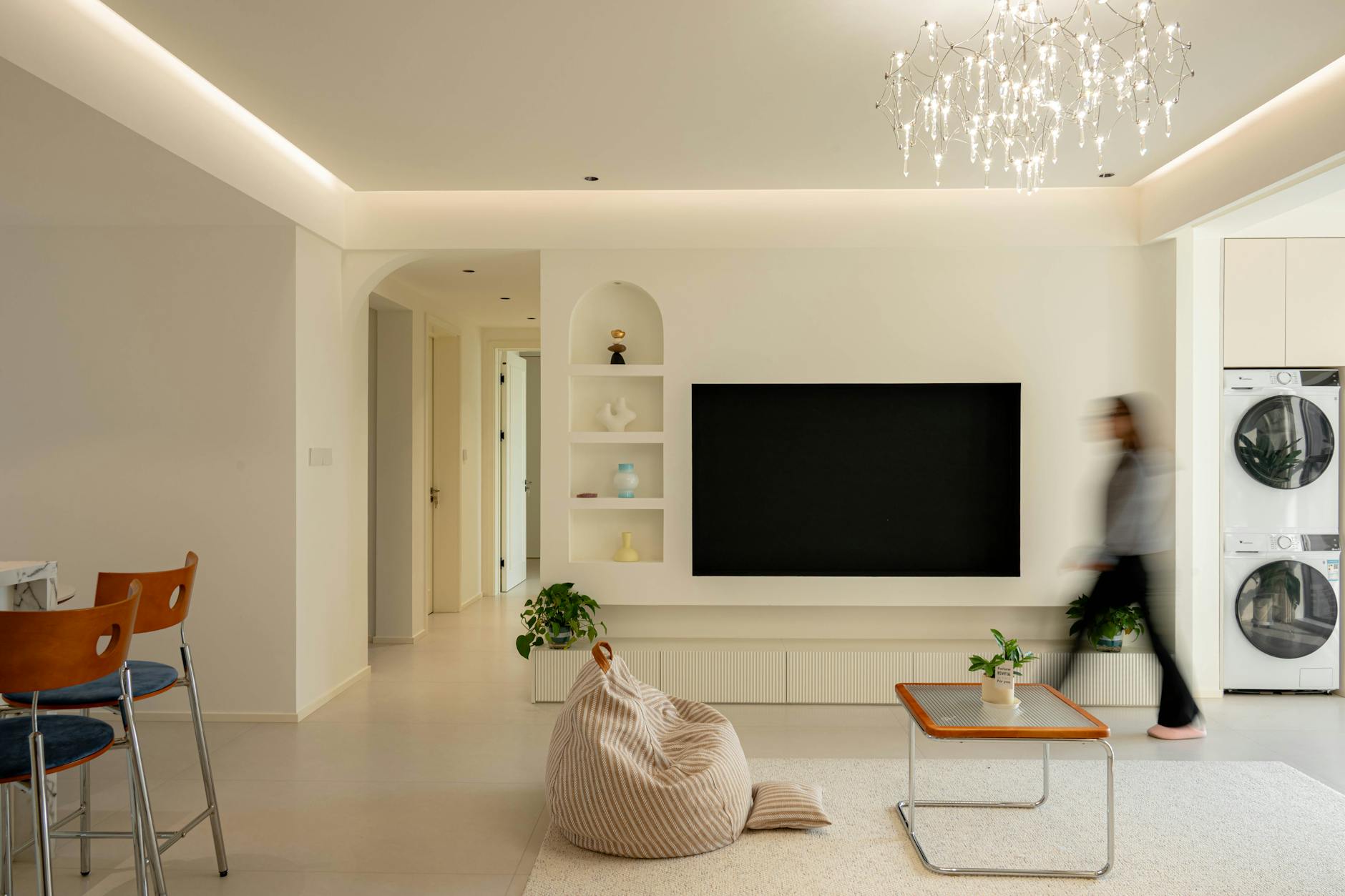
Incorporating Mindfulness Practices into Your Daily Routine
Incorporating mindfulness into your daily life doesn’t have to be complicated. The key is consistency and simplicity. Start with short sessions that fit into your schedule, gradually increasing length and complexity as you become more comfortable. Morning routines can be particularly effective for starting your day with intention. Consider practicing mindfulness first thing in the morning, before distractions take over. This could involve setting aside ten minutes to meditate, practice breathing exercises, or engage in a gentle yoga routine.
When dining, try to eat mindfully by focusing on the textures, flavors, and aromas of your food. This practice can turn an ordinary meal into a sensory experience. Lay your dining table with care; use enjoyable tableware and create a pleasant atmosphere with flowers or candles. Eating mindfully not only enhances your appreciation for food but can also promote healthier eating habits.
Another practice to consider is mindful walking. Instead of rushing from one point to another, use your commute as an opportunity for reflection. Pay attention to the sensations in your body as you walk; feel your feet connecting with the ground and the rhythm of your breath. This simple shift can turn an everyday task into a moment of mindfulness, allowing you to centering yourself amidst life’s busyness.
Mindfulness Meditation Techniques for Beginners
Mindfulness meditation is one of the most effective ways to cultivate a present moment awareness. As a beginner, it can be helpful to start with guided meditations, which are widely available through apps or online platforms. Select a quiet and comfortable spot in your home where you can sit or lie down undisturbed. Set a timer for a manageable duration—start with just five or ten minutes—and gradually increase as you become more accustomed to the practice.
During meditation, focus on your breath. Notice the sensation of the air as it fills your lungs and the natural rhythm of your exhalation. If your mind begins to wander, gently guide it back to your breath without judgment. The practice of returning your attention to the breath will become your training ground for mindfulness in everyday life.
Mindfulness can also be practiced through body scans, where you mentally check in with different parts of your body to release tension. This can be integrated into your meditation practice—after your breathing focus, take note of how each area of your body feels, starting from your toes and moving up to the crown of your head. This technique helps deepen your mind-body connection and promotes relaxation.
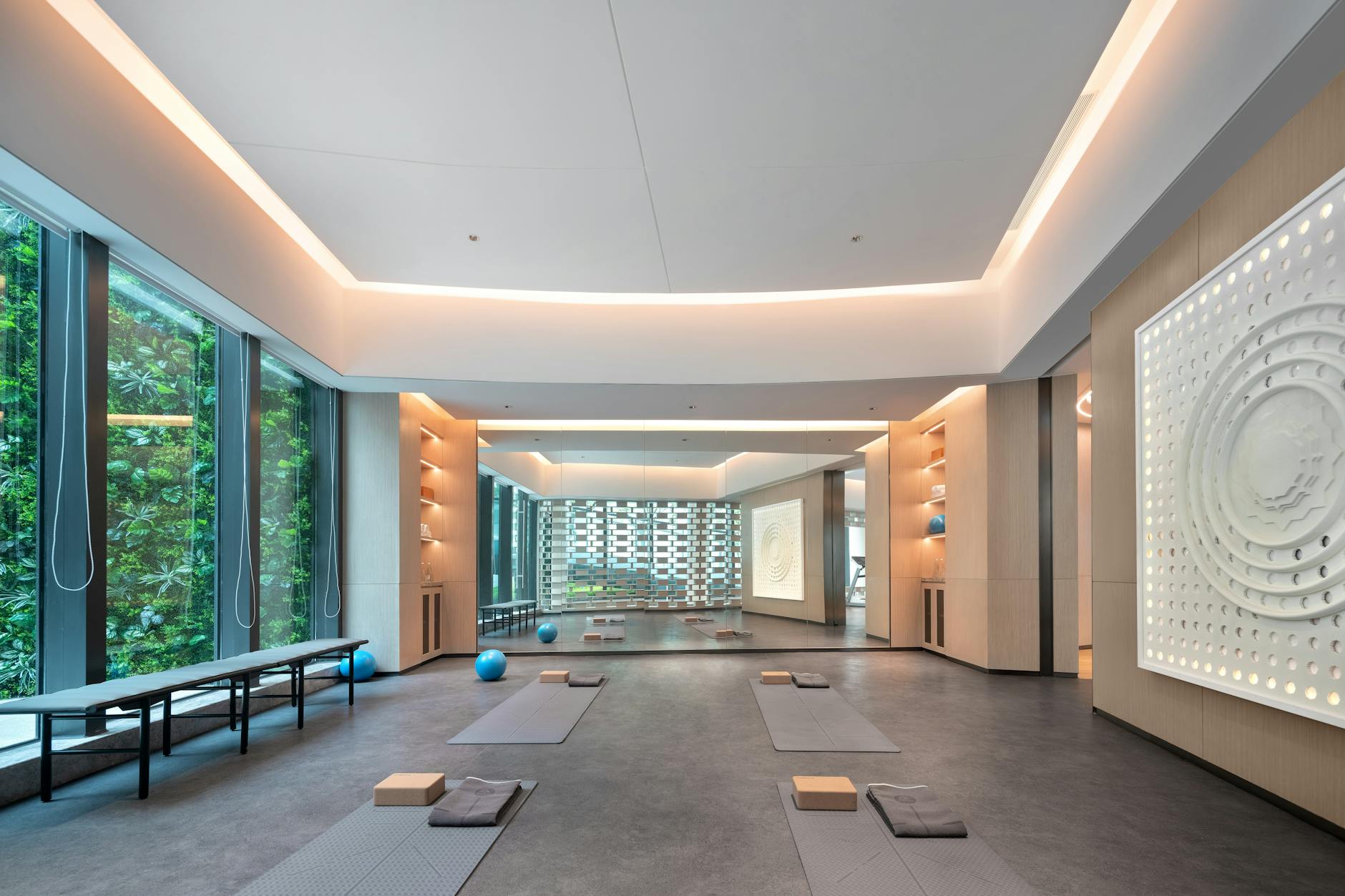
Establishing a Mindfulness Practice at Home
Creating a dedicated mindfulness space in your home can significantly enhance your practice. It doesn’t need to be a large area; even a small alcove or a cozy chair can work as your mindfulness corner. Personalize this space with items that inspire tranquility, such as cushions, blankets, and meaningful objects like crystals or photos. The more you use this space for mindfulness activities, the more it will become a trigger for relaxation and presence.
Consider scheduling regular time in this space for mindfulness practices. Block off time in your calendar for meditation, gentle yoga, or even reading a book that promotes mindfulness. Having a designated time reinforces the importance of these practices in your life. As you make these moments a priority, you’ll likely notice a deepening sense of peace and awareness spill into other areas of your life.
Occasionally, mix it up to keep your practice engaging. Explore different forms of mindfulness—such as breathwork, journaling, or sound therapy. The variety will keep you inspired and help you discover what resonates best with you. Whether it’s engaging in a simple stretch while watching the trees sway outside your window or practicing gratitude by writing down three things you appreciate, every mindful moment counts.
Incorporating mindfulness into your home and daily routine may seem daunting at first, but as you take small steps to cultivate these practices, you’ll find your life expanding in remarkable ways. A peaceful living space, combined with consistent mindfulness practices, turns your home into a sanctuary where both your mind and body can thrive.
