
In our fast-paced world filled with constant distractions, the concept of decluttering our lives has never been more essential. Whether it’s physical clutter in our homes, digital clutter on our devices, or emotional clutter in our minds, the need to clear away the unnecessary has become paramount. This article will guide you on where to start your decluttering journey, offering practical steps and insights to help you minimize your surroundings and maximize your peace of mind.
Understanding the Need for Decluttering
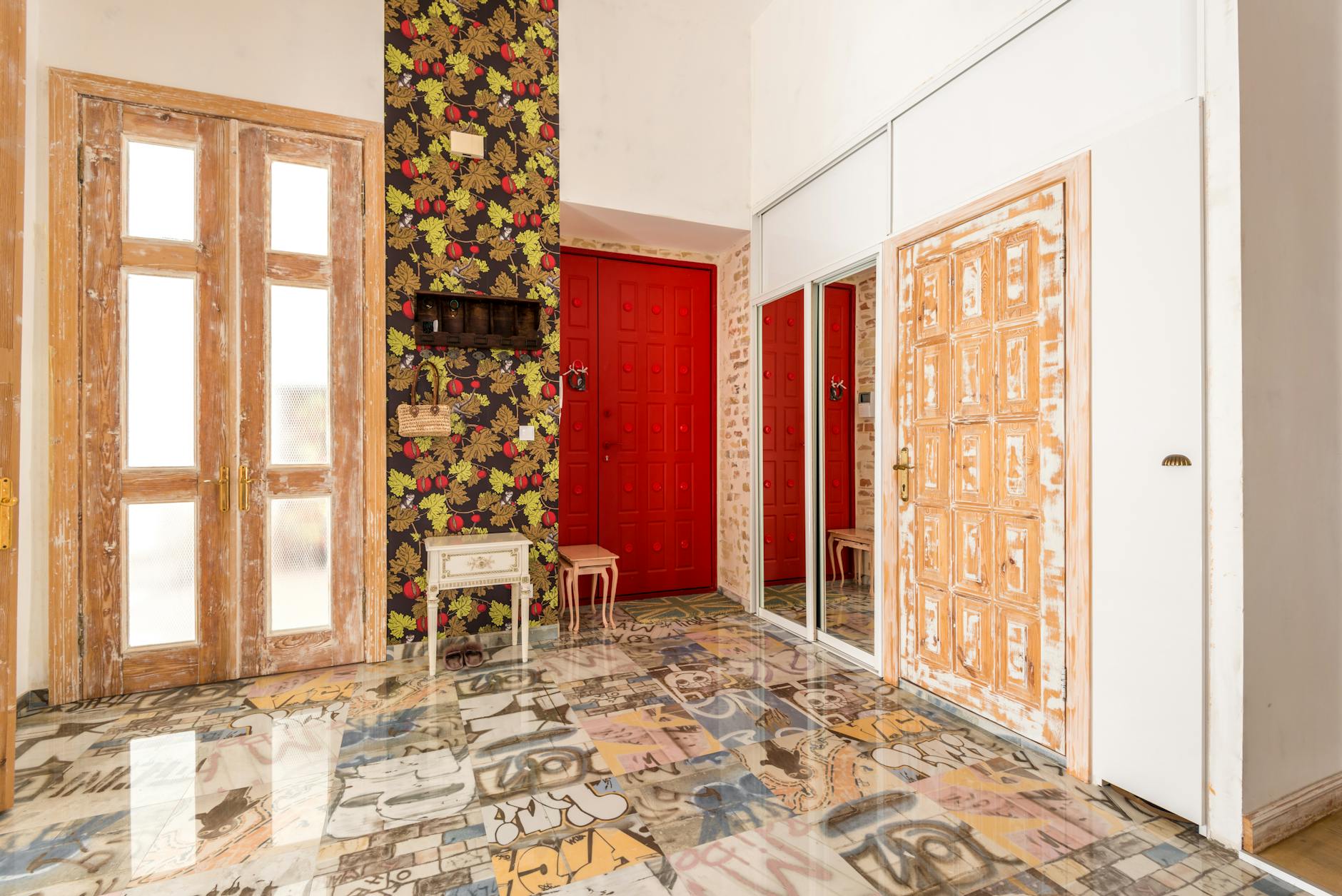
First, it’s crucial to understand why decluttering is necessary. A cluttered environment can lead to feelings of overwhelm, stress, and anxiety. Research shows that physical clutter can increase cortisol levels—our stress hormone—essentially making us less productive and more distracted. When we simplify our surroundings, we free ourselves from this mental weight, allowing space for clarity and focus. Think of decluttering as not just a physical activity but a mental and emotional cleanse as well. By removing unnecessary items and thoughts, we create an environment that promotes well-being and productivity.
Furthermore, decluttering isn’t solely about throwing things away; it’s about making conscious choices regarding what we want in our lives. This process allows us to reflect on our values and priorities, ultimately leading to a more fulfilling and intentional lifestyle. By recognizing what truly matters, we can eliminate distractions and focus our energy and resources on areas that bring us joy and purpose.
Where to Start: The Decluttering Process
Starting the decluttering process can feel daunting, especially if you’re surrounded by years’ worth of accumulated items and memories. The key is to begin with small, manageable steps. Here are some practical strategies to help you get started:
1. Define Your Goals
Before diving into decluttering, take a moment to define your goals. Ask yourself what you want to achieve through this process. Is it to create a more organized space? Reduce feelings of anxiety associated with your belongings? Or simply to make room for new experiences? Setting clear intentions will help guide your actions and keep you motivated as you go through your belongings.
2. Tackle One Area at a Time
Attempting to declutter your entire home in one go can lead to frustration and burnout. Instead, focus on one area at a time, such as a room, closet, or even a single drawer. Start small—perhaps the top of your desk or a shelf in your kitchen. By concentrating your efforts, you’ll see progress more quickly, creating a sense of accomplishment that encourages you to continue.
3. Sort Everything into Categories
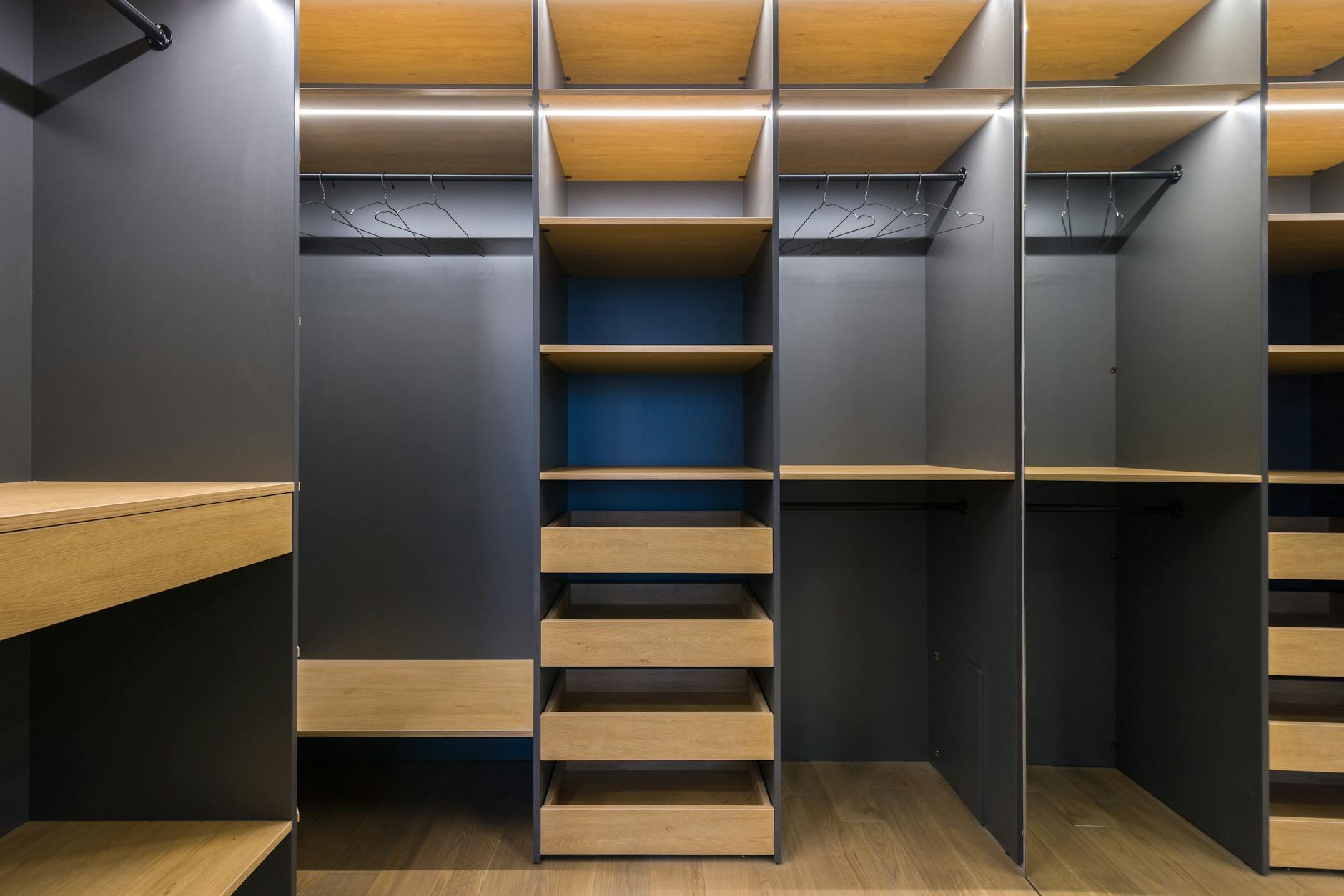
When you begin decluttering, categorize items into three main groups: Keep, Donate, and Discard. As you sort through your belongings, ask yourself critical questions about each item: Do I use this? Does it bring me joy? Would I purchase this again? If the answer is no, consider donating it or discarding it. This process can be illuminating, revealing patterns in your consumption habits and the emotional attachments you may have to certain items.
For items that hold sentimental value, it’s important to acknowledge the memories without needing to keep every item. Perhaps take a photograph of a cherished gift before letting it go. This way, you preserve the memory while creating space for new experiences.
4. Establish a Decluttering Routine
Decluttering shouldn’t be viewed as a one-time event, but rather as an ongoing practice. Establish a regular routine to keep clutter at bay. For example, dedicate a few minutes every week to evaluate spaces and let go of items that no longer serve you. Consider adopting the “one in, one out” rule: for every new item you bring into your home, let go of an existing one. This habit will help you maintain a clutter-free environment long-term.
Digital Decluttering: A Necessary Step
In addition to physical clutter, the digital realm also requires our attention. The average person spends hours each day on their devices, making it essential to keep our digital spaces organized. Start by unsubscribing from newsletters and emails that no longer interest you. Organize your files and delete unnecessary documents. Consider using apps or tools to help manage your digital life more effectively, such as a password manager or a file organization system.
The Emotional Component of Decluttering
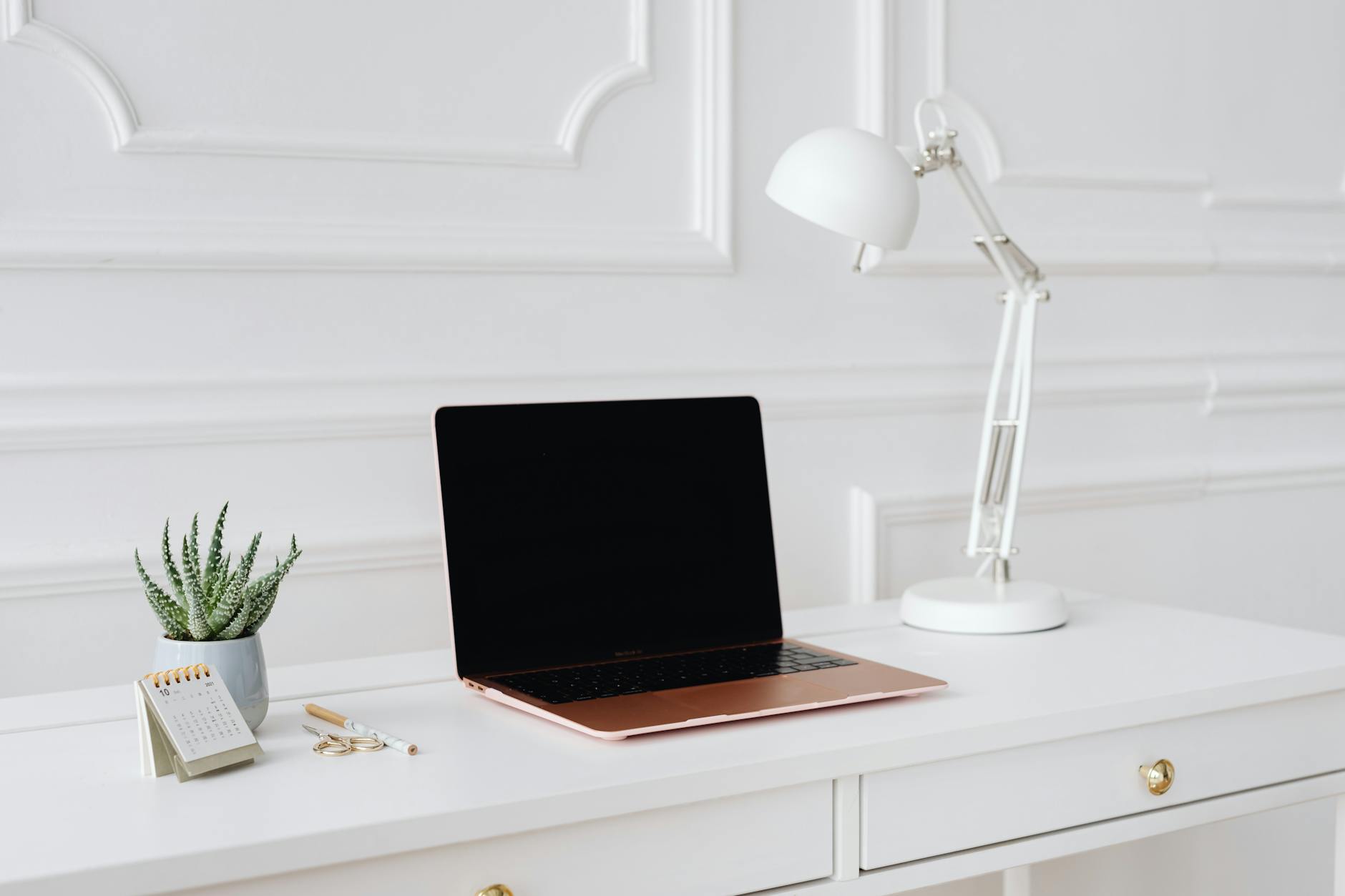
Decluttering can be an emotional process. Often, we hold onto items not because we use them, but because we associate them with feelings or memories. Recognizing this emotional attachment is the first step in overcoming it. Journaling about your feelings regarding certain items can provide clarity and help you understand why you may be reluctant to let go.
Cultivating a mindset of gratitude can also be beneficial. Acknowledge the role that items played in your life before deciding to release them. By showing appreciation for what you have while making room for new opportunities, you foster a healthier relationship with your belongings.
Maintaining a Clutter-Free Lifestyle
After going through the decluttering process, maintaining a clutter-free environment requires ongoing commitment. Regularly assess your possessions and make mindful decisions about new purchases. Develop habits that promote organization, such as having a designated place for all items and tidying up regularly. Engage family members or roommates in the process to create a supportive atmosphere where everyone shares the responsibility of keeping spaces organized.
Incorporating minimalism into your lifestyle can also aid in maintaining clarity and simplicity. Minimalism encourages individuals to live with less, making conscious choices about what they own and the impact those items have on their lives. Adopting this mindset shifts your focus from quantity to quality, enabling lasting fulfillment without the weight of excess.
Ultimately, decluttering your life is a transformative process that goes beyond just cleaning up your space. By taking the first steps toward decluttering, you make room for growth, opportunities, and a more intentional lifestyle. Remember that the journey is personal; take your time to explore what works best for you. Embrace the simplicity, and discover the freedom that comes with a life uncluttered.
