
Preserving the charm and character of historic properties while integrating modern luxury is an art that requires skill and vision. As the world moves toward contemporary aesthetics and conveniences, the challenge becomes how to enhance, rather than overshadow, the original beauty of these historical structures. In this article, we delve into the nuances of luxury interior design for historic properties, exploring methods to blend the old with the new, thereby creating a harmonious living environment that respects the past while embracing modern comforts.
Understanding Historical Context
Before diving into design choices, it’s vital to understand the historical context of a property. Each historic home carries its narrative—be it Victorian, Colonial, or Art Deco—and the architecture tells a story of its time. This awareness opens a dialogue between the designer and the property, allowing for a more informed approach to refurbishment.
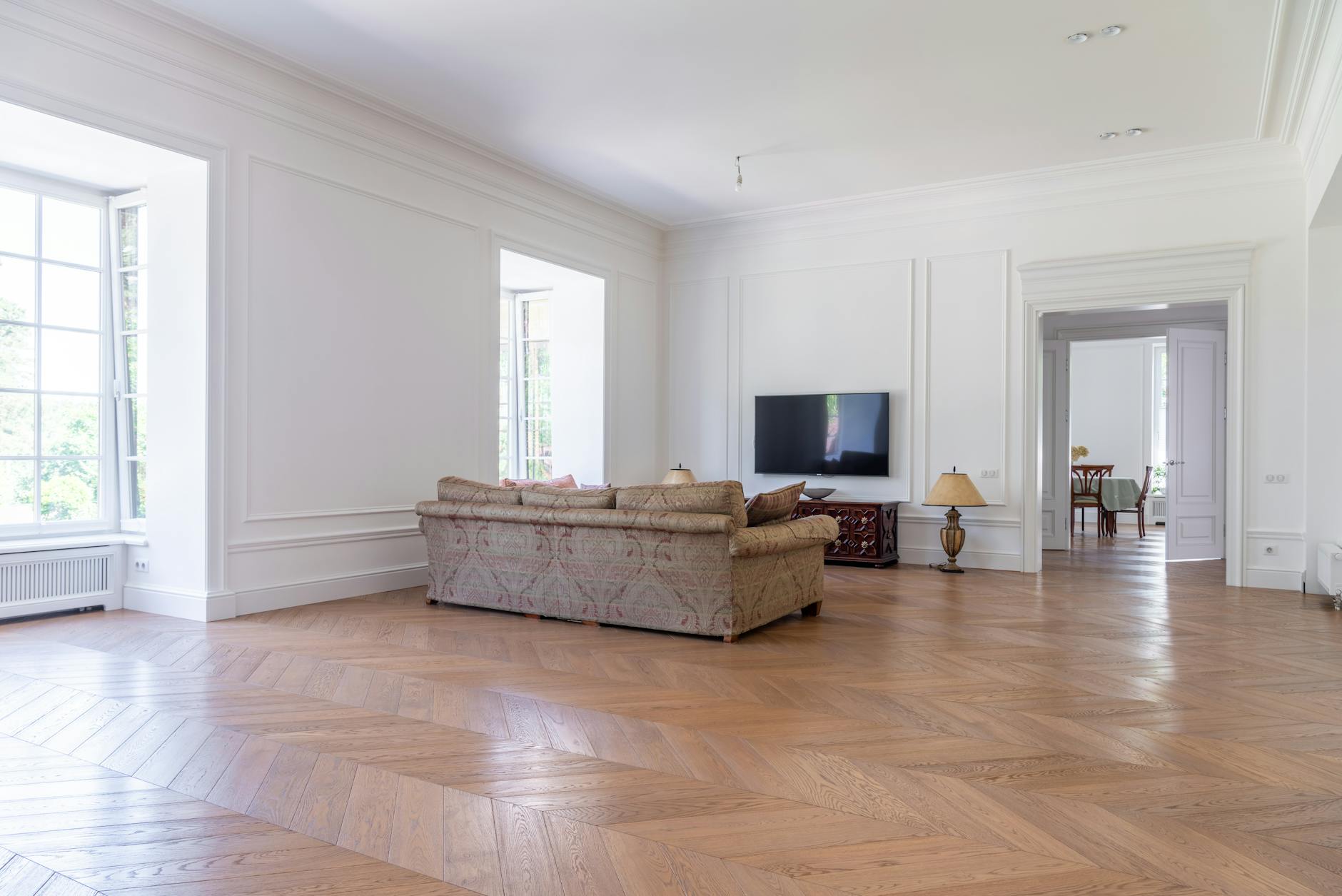
When working with a historic property, research is fundamental. Designers should study the building’s original materials, craftsmanship, and prevailing design trends of its era. This knowledge can influence the selection of materials and colors, ensuring that modern additions complement the property’s original features. For instance, retaining the original hardwood floors or vintage moldings can provide a striking contrast to contemporary furniture, creating a seamless blend of time periods.
Choosing Materials That Honor History
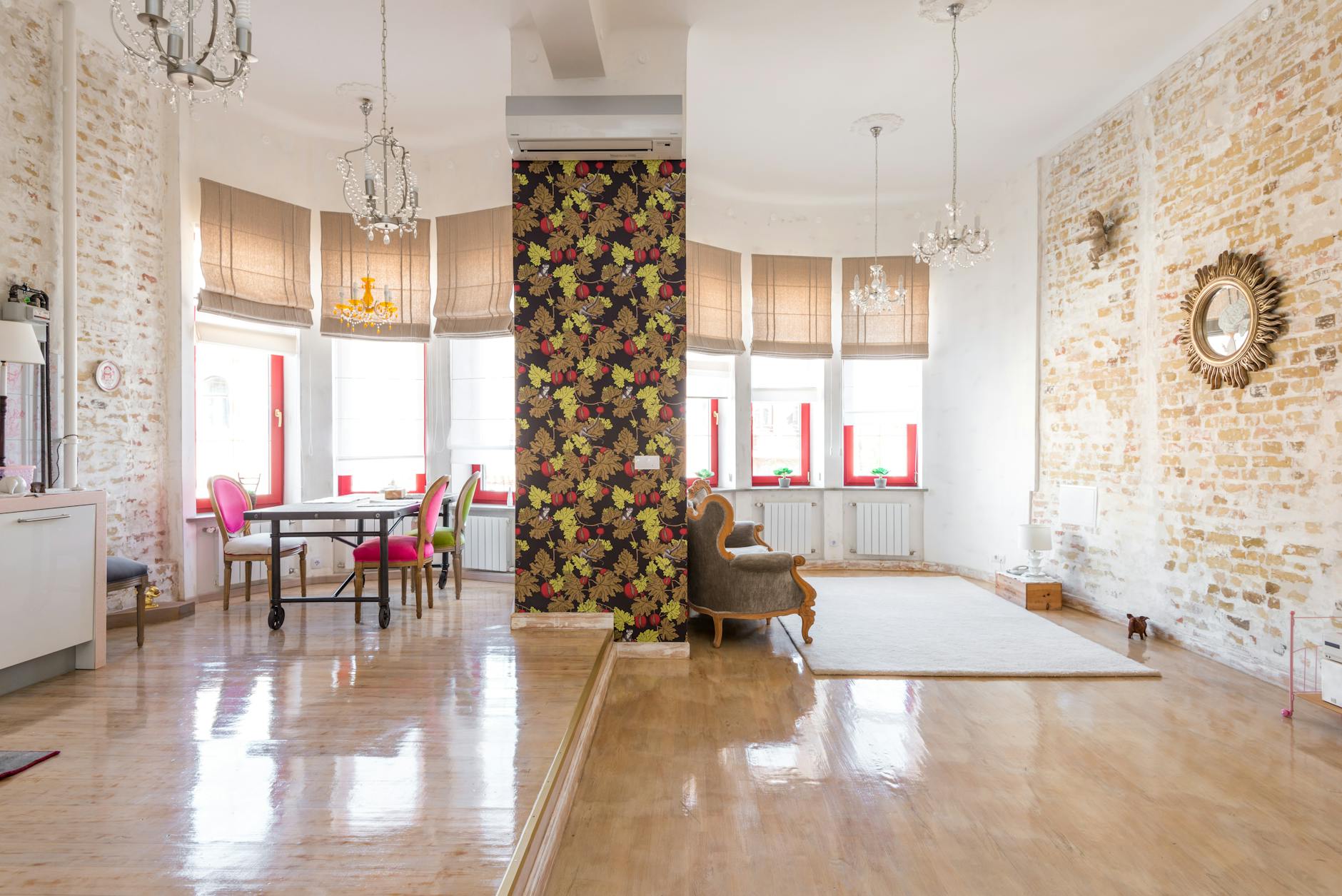
Luxury interior design is often rooted in high-quality materials, but when working with historic properties, the selection becomes even more critical. Authentic materials resonate with the history of the building and can elevate the overall aesthetic. Use of reclaimed woods, hand-crafted tiles, and antique fixtures not only honors the property’s past but also adds unique character to the space.
For instance, a historic Victorian home may benefit from elegant wallpaper with floral patterns reminiscent of the era, while an Art Deco property might showcase geometric prints and luxurious fabrics like velvet or silk. Incorporating these materials allows designers to create layers of richness that engage the senses while maintaining historical integrity.
Moreover, sustainable materials have become increasingly important in luxury design. Utilizing reclaimed materials not only pays homage to the building’s history but also contributes to environmental conservation—a poignant consideration in today’s design landscape.
Luxury Meets Functionality
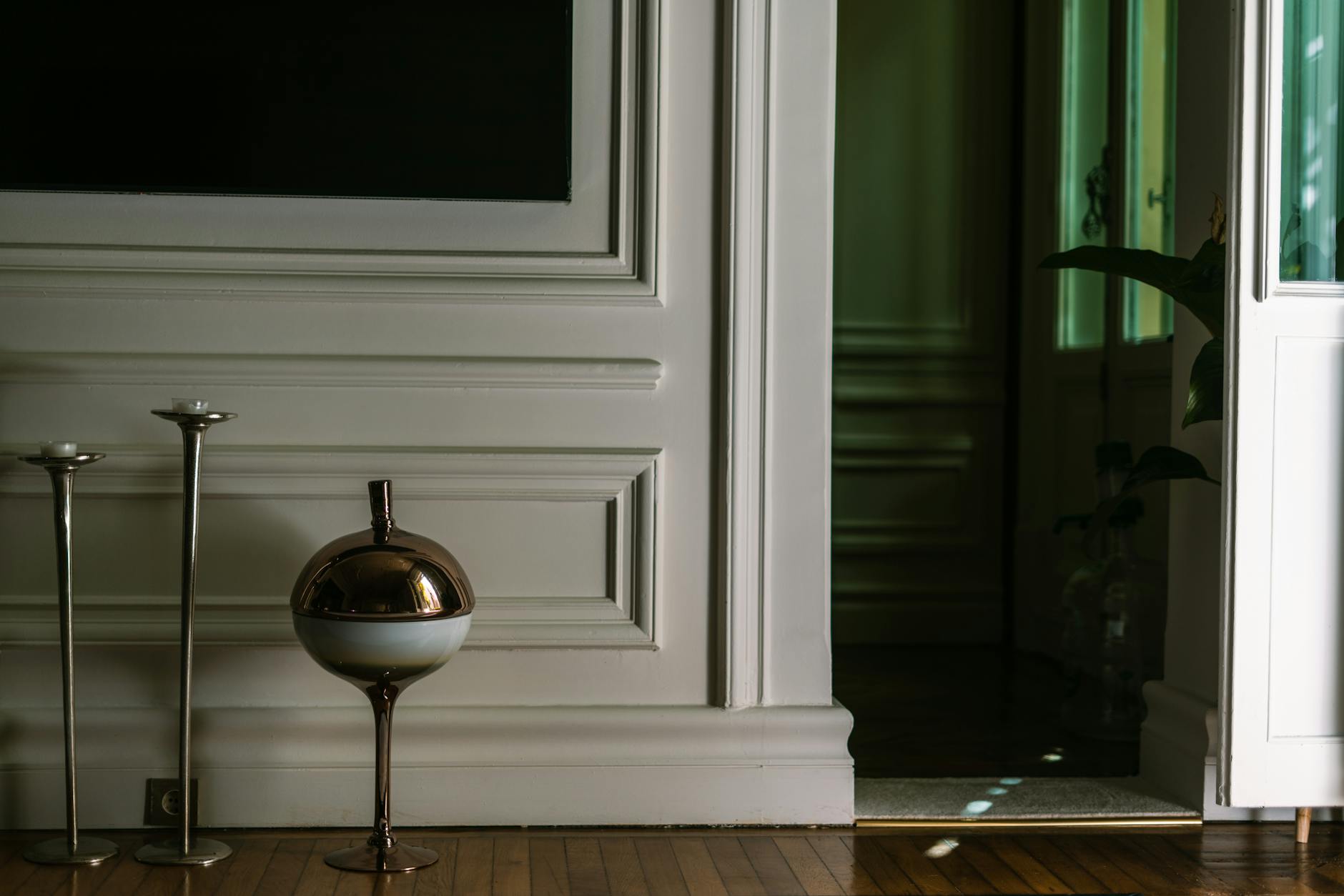
Incorporating modern technology into historic interiors poses a unique challenge. A luxurious environment must not only be aesthetically pleasing but also functional. Smart home technologies, such as automated lighting, temperature control, and security systems, can be integrated without compromising the historical character of the property. Designers can cleverly conceal tech systems, ensuring they remain invisible while enhancing the living experience.
Additionally, consider the flow of space. Historic properties often have intricate layouts that may not align with contemporary living standards. An open-concept design may be desirable, but it is essential to maintain the original layout’s integrity. This might mean utilizing existing rooms creatively, such as converting a drawing room into a modern library or a formal dining room into a casual gathering space. These adaptations can increase comfort and functionality, giving residents the luxury of modern living without losing the essence of the past.
Furnishings That Bridge Eras
The choice of furnishings plays a pivotal role in luxury interior design, especially within historic properties. High-quality, timeless pieces can enhance a space while allowing the architecture to shine. Selecting furniture that reflects the home’s age ensures that even modern pieces feel at home in the historic setting. For example, pairing a classic Chesterfield sofa with contemporary art pieces can create a striking visual dialogue.
It’s also essential to incorporate bespoke furniture options that cater to the property’s scale and proportion. Custom-made pieces can ensure that modern comforts do not overwhelm the space. When choosing colors and patterns for upholstery, opt for those that harmonize with the property’s existing features. Subtle nuances in fabric choices can evoke a sense of nostalgia while still catering to a luxury aesthetic.
“Luxury is not a necessity but a state of mind. In historic properties, it reflects a profound appreciation for history and modernity.” – Renowned Interior Designer
Personal Touches and Artistry
A truly luxurious interior is characterized by personal touches that resonate with the occupants. Artwork, heirlooms, and collectibles can serve as focal points that tell stories and breathe life into the space. When integrating art with historic interiors, always consider the scale and style; large contemporary pieces may clash with delicate moldings, while small antiques may be overshadowed by high ceilings.
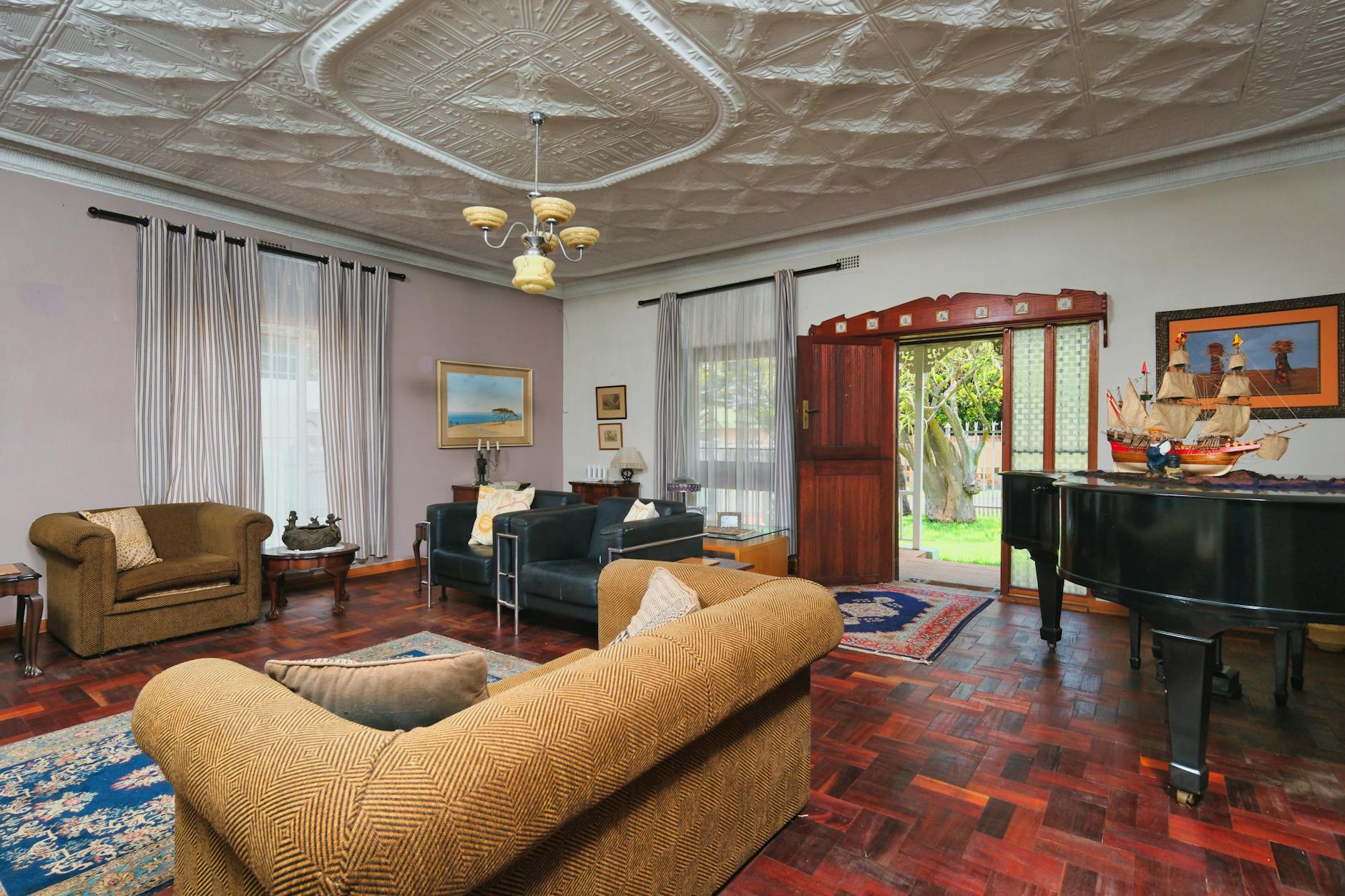
Layering textiles such as plush rugs, elegant drapes, and decorative cushions can also provide softness and comfort, making the environment feel lived in. Elements like a grand chandelier in a spacious foyer can create an immediate sense of opulence, enhancing the grandeur of the home while still paying homage to its architectural roots.
In conclusion, luxury interior design for historic properties is both an exciting challenge and a rewarding endeavor. By understanding the context of the building, carefully selecting materials, embracing functionality, and weaving in personal touches, designers can create spaces that celebrate the past while offering the comforts of modern living. The goal is not just to revitalize the aesthetic appeal but to capture the essence of the home, allowing it to thrive in a contemporary setting without losing its historical spirit.
