
In the realm of interior design, the conversation often shifts toward aesthetics or functionality, but what often remains in the background is the profound impact of space on our psychological well-being. In luxury living, where every detail is curated for both appearance and experience, understanding the psychology of space becomes essential. The right design choices can foster relaxation, inspire creativity, or even promote social interaction. As we delve into this topic, we’ll explore how luxury spaces can be designed not only for beauty and comfort but also to enhance mental and emotional well-being.
Spatial Awareness and Emotional Resonance
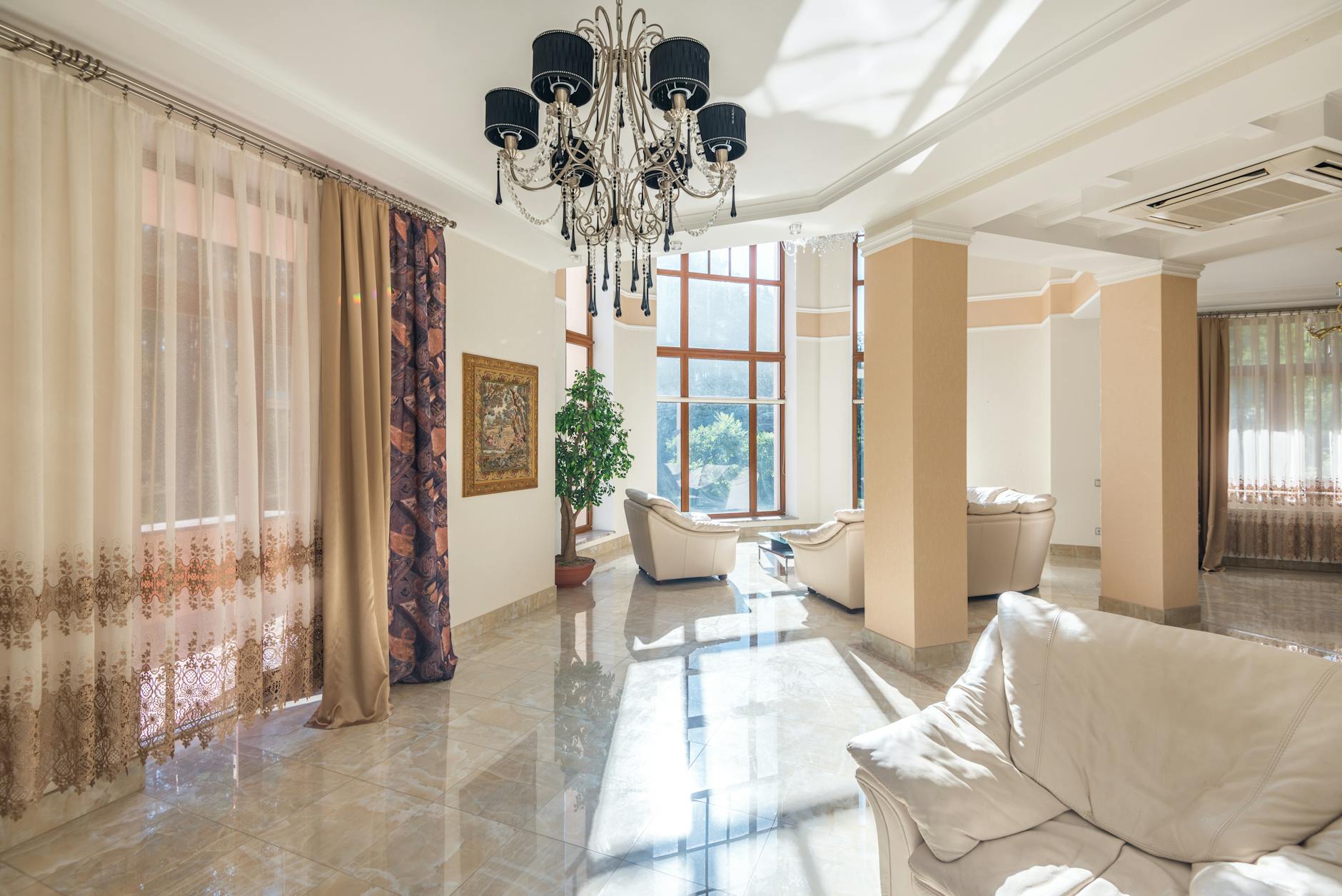
The concept of spatial awareness plays a crucial role in how we interact with our environments, particularly in luxury settings. Luxury homes often feature open floor plans, high ceilings, and expansive windows, all of which contribute to a feeling of freedom and openness. These design elements can make a space feel less claustrophobic and more inviting, which significantly impacts our emotions. For instance, the use of natural light gradually transforms a space, making it feel more alive and energizing.
Moreover, the arrangement of furniture can dictate the flow of movement within a room, affecting how comfortable we feel while interacting with others. In a luxury living room designed for social gatherings, sofas might be arranged in a way that encourages conversation, creating a more intimate atmosphere. On the other hand, a space that feels blocked off or overly formal can inhibit social interactions, leading to feelings of discomfort or isolation.
Research in environmental psychology supports this idea, suggesting that our surroundings can significantly affect our moods and behaviors. Well-designed luxury spaces take into account the psychological need for connection, using layout and design elements to foster not only comfort but also a sense of community among inhabitants.
The Role of Color and Materiality
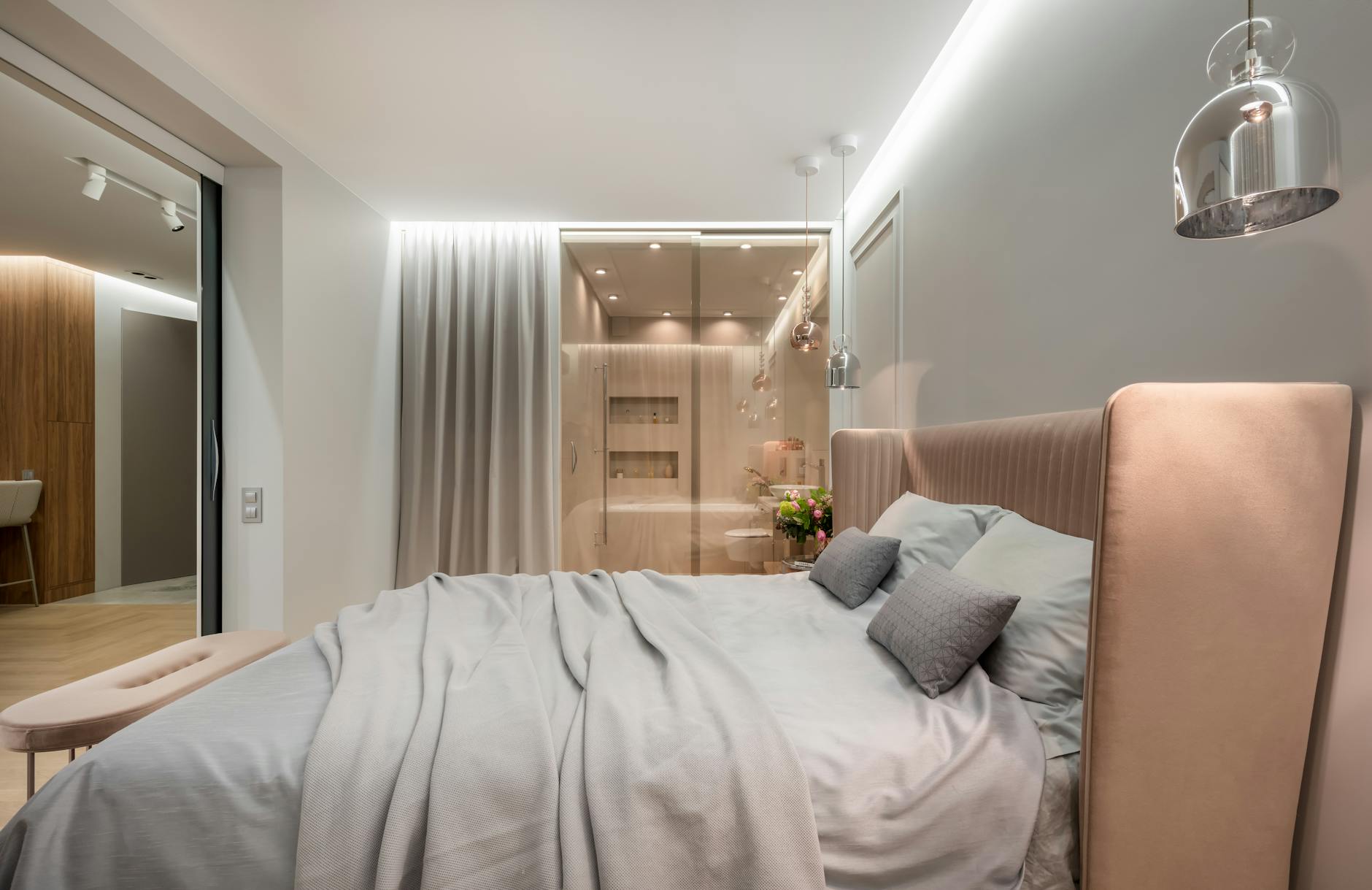
Color and material choices are not just aesthetic; they also convey emotional messages. In luxury living, the palette often leans towards calming hues such as soft blues, greens, and neutral tones that evoke feelings of serenity and balance. These colors are particularly useful in spaces designed for relaxation, like bedrooms or spas, where one might want to unwind and recharge. Studies have shown that colors can evoke specific emotional responses, meaning that a well-thought-out color scheme can enhance the intended use of a room.
Additionally, the materials used in luxury design can impact our sensory experience of space. Natural materials like wood, stone, and textiles not only offer durability and beauty but also connect us to nature—a principle known as biophilia. Incorporating such elements can ground us, making our living spaces feel more harmonious with the natural world. This connection to nature can help alleviate stress and contribute to a sense of well-being, which is particularly important in urban settings where such connections may be lacking.
Furthermore, high-quality finishes and tactile materials encourage a tactile relationship with space. The luxury home is designed to engage multiple senses, fostering an environment that feels comforting and inviting. The interplay of different textures can draw people into the space while making them feel calm and at ease, further amplifying the emotional effects of the design.
The Influence of Lighting
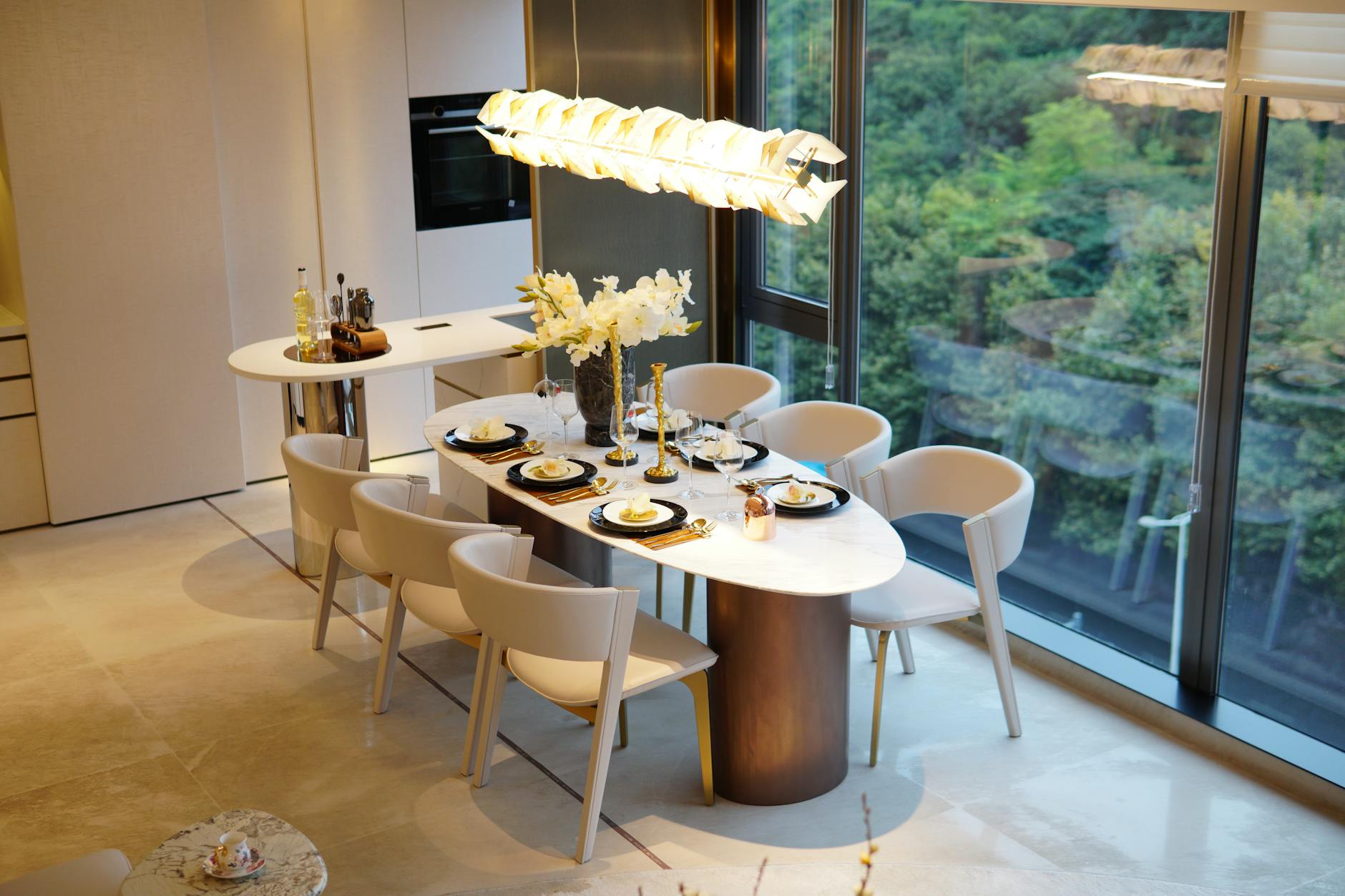
Lighting is perhaps one of the most powerful tools in interior design, capable of dramatically altering the mood of a space. In luxury living, lighting design goes beyond mere functionality to embrace the emotional dimensions of illumination. Different lighting techniques can set the tone for any room—whether it’s soft and romantic, bright and energizing, or a cozy evening ambience. The strategic placement of lights can highlight architectural features or create focal points that draw attention to specific elements within a room.
Natural light, when harnessed effectively, can wash over a space and bring it to life, enhancing the overall psychological experience. Large windows that invite daylight into a room not only provide visual interest but also help regulate our circadian rhythms, promoting better sleep and overall health. In contrast, poorly lit areas can evoke feelings of gloom or isolation, which makes intelligent lighting design essential in luxury homes.
Moreover, the use of ambient, task, and accent lighting can create layers within a space, providing versatility that caters to various moods and occasions. For example, a dining room illuminated with warm, soft lighting during a dinner party sets an inviting stage for social interaction, while brighter task lighting may be employed in a kitchen for functionality. This flexibility allows homeowners to adapt their spaces to their needs, enhancing their experience of luxury living.
Creating Sanctuary: Personalization and Well-Being
One of the most significant aspects of luxury living is personalization, which directly impacts how we perceive space. A house is more than just a collection of rooms; it’s a reflection of our identities and lifestyles. Luxury spaces are often infused with elements that tell the story of the inhabitants, from artwork to personal collections, enhancing the emotional connection to the environment. Integrating personal touches can transform a generic luxury home into a sanctuary that resonates with its owner’s values and aspirations.
Moreover, the psychology of space is deeply intertwined with the notion of well-being. Spaces designed for relaxation and recharge—such as serene outdoor lounges or tranquil home offices—are becoming increasingly popular. The more personal and suitable these spaces are for their functions, the greater their positive impact on mental health. Incorporating areas for mindfulness, creativity, or even physical exercise can enhance the overall quality of life and well-being of a household.
Designing for well-being involves considering how each room can contribute to a holistic lifestyle. Features such as soundproofing, quality air filtration, and the incorporation of green spaces like indoor plants can all enhance our physical and mental health. As luxury living evolves, there is a growing recognition of the importance of holistic design that serves not just as a backdrop for our lives but as an active participant in our well-being.
In summary, the psychology of space in luxury living goes far beyond aesthetic considerations. It encompasses an understanding of how spatial arrangements, color palettes, lighting, and personalization intertwine to create environments that support well-being and emotional resonance. As we continue to explore the intersections of design and psychology, the potential for luxury living to enhance our lives becomes clearer.
