
When it comes to adventure travel, few experiences rival the thrill of visiting the world’s most dangerous tourist attractions. These locations often offer breathtaking views, adrenaline-pumping activities, and a unique experience that goes beyond the ordinary. However, they come with their own set of risks that can deter even the most seasoned travelers. Understanding the inherent dangers and how they intertwine with the design of these sites can provide valuable insight into their allure. Here, we’ll explore some of the world’s most perilous destinations while examining their architectural marvels and natural environments.
The Treacherous Trails of Mount Huashan, China
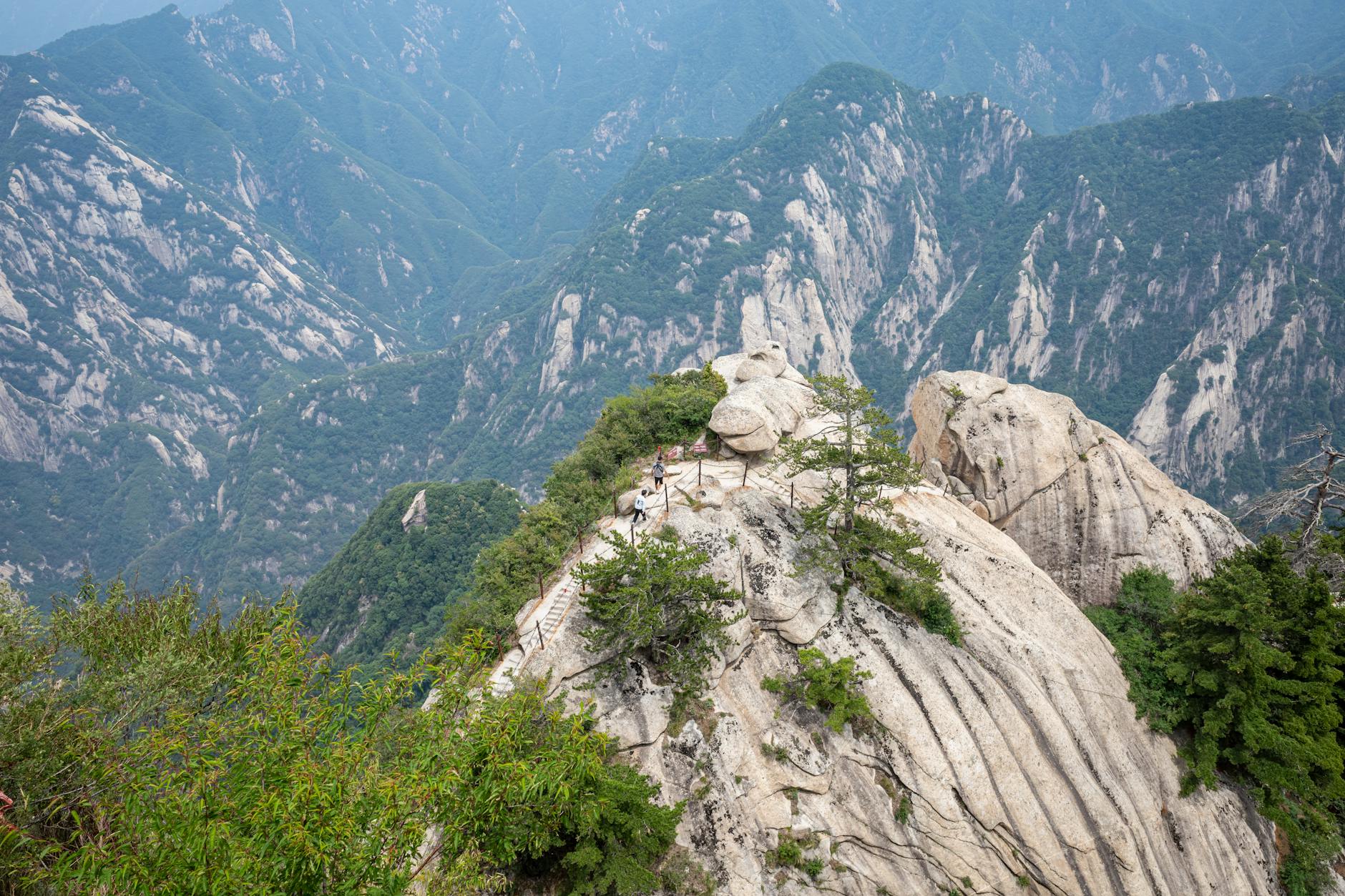
Mount Huashan is not just one of China’s Five Great Mountains; it is also home to one of the most dangerous hiking trails in the world. The mountain’s steep cliffs and narrow paths make for a challenging trek, which attracts thrill-seekers worldwide. Mount Huashan’s infamous plank walk—a narrow, wooden pathway attached to the mountainside—adds an element of danger that is both exhilarating and terrifying. Built into the cliff face, this pathway offers panoramic views of the surrounding valleys, but its perilous nature makes safety gear a necessity.
The design elements of the plank walk are fascinating. Constructed with a combination of wood and steel bolts, this precarious pathway exemplifies how human ingenuity meets nature’s raw power. However, the true challenge lies not just in the structure itself but in the mental fortitude required to navigate it. While its beauty is captivating, visitors must always remain aware of their surroundings and respect the forces of nature. As noted by one adventurer, “The moment you step onto the path, you realize the weight of every decision you make.”
Death Road, Bolivia: A Thrill-Seeking Cyclist’s Dream
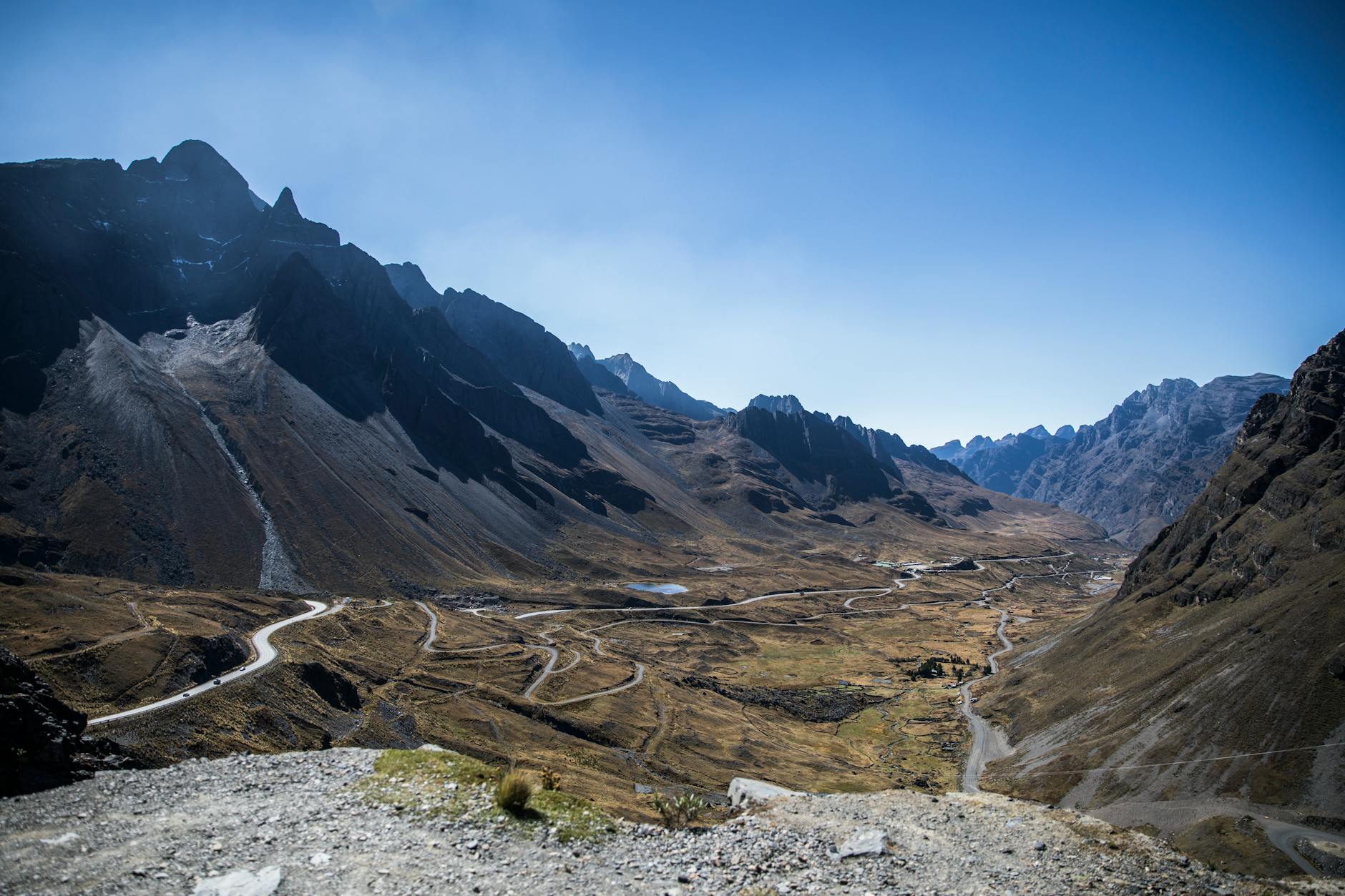
Known formally as Yungas Road, Death Road in Bolivia offers an intense biking experience over a treacherous mountain terrain. This route, famously dubbed the most dangerous road in the world, extends for nearly 40 miles and features steep drops, frequent landslides, and unpredictable weather. Originally built in the 1930s, Yungas Road was a crucial route for vehicles and remains a popular destination for adventurous cyclists eager for a thrilling descent.
The design of Death Road has evolved over the years—what was once a narrow, unpaved path has now transformed into a more structured but still perilous biking route. Local tour companies have made improvements to enhance safety; however, the risks remain significant. Cyclists navigating this road must contend with sudden drops of up to 3,000 feet, often with nothing but a guardrail to prevent a fall. Still, those who dare to ride it are rewarded with some of the most stunning views of the Andes, showcasing a natural beauty that makes the danger all the more worthwhile.
“There’s no better way to feel alive than to take risks that challenge both body and mind,” says one seasoned cyclist who completed the route.
The Challenges of Mount Everest
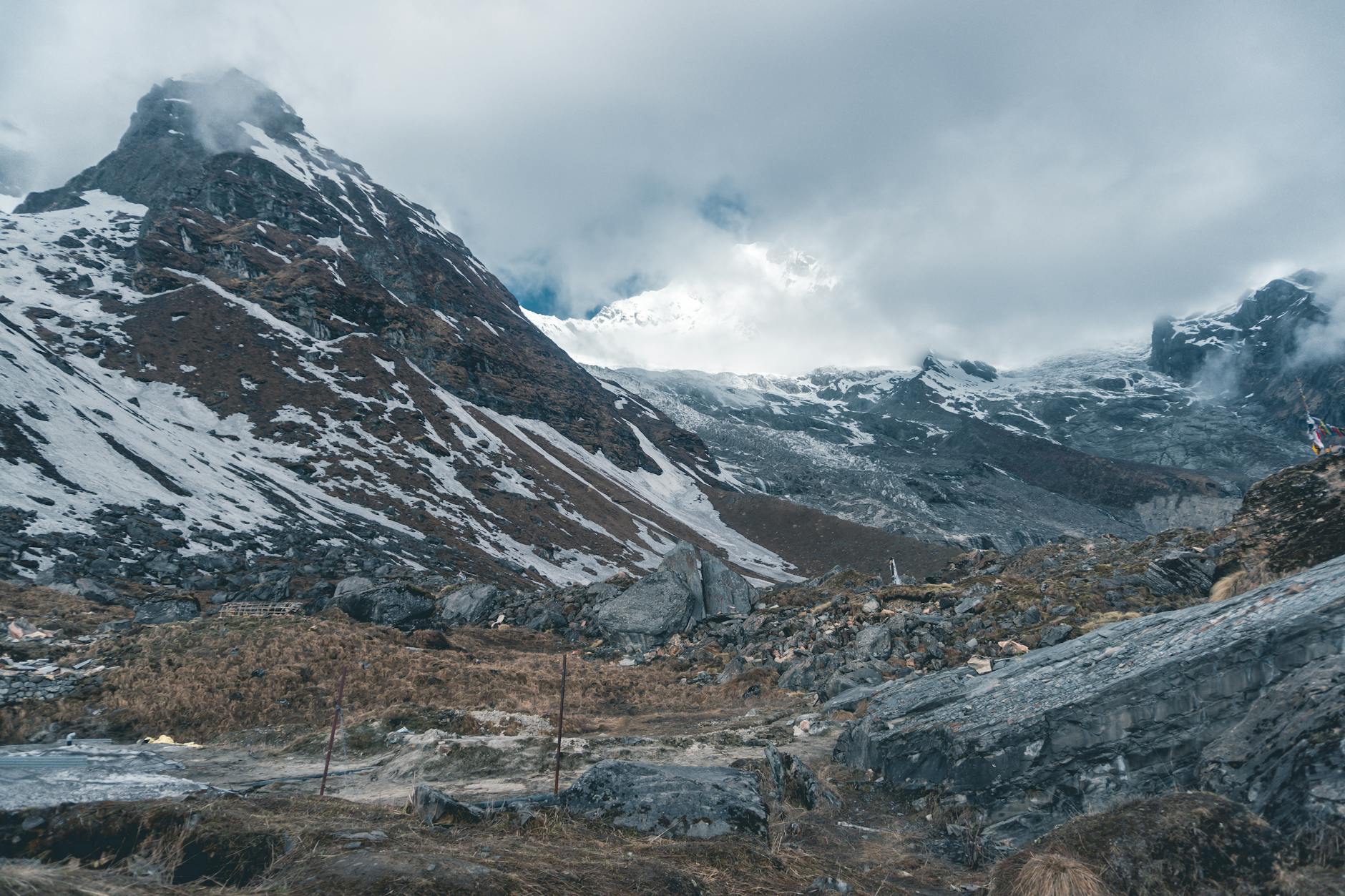
Mount Everest’s towering peaks and legendary status have lured climbers and adventurers for decades. However, reaching its summit is fraught with peril. From crevasses and avalanches to altitude sickness and unpredictable weather, the dangers are numerous. The Everest Base Camp trek itself, although less dangerous than summit attempts, still presents significant challenges due to the high altitude and the harsh environment. Trekking to the base camp offers trekkers a chance to experience the mountain’s majesty without the extreme risks of high-altitude climbing.
The design of the base camp area has evolved over the years due to an influx of climbers and tourists. Various expeditions have set up a temporary yet organized community of tents and supplies, creating an unusual juxtaposition against the backdrop of one of nature’s most majestic formations. However, these structures also contribute to environmental concerns, highlighting the need for sustainable design practices in extreme environments. As climbers prepare for their ascent, they must understand the gravity of their situation—both in terms of physical readiness and environmental impact.
The Architectural Marvels of the Amazon Rainforest
The Amazon Rainforest presents another realm of risk, with its unpredictable wildlife and dense, often confusing terrain. Tourists seeking to explore its beauty can encounter anything from venomous snakes to treacherous waterways. Despite these hazards, the Amazon’s allure lies in its unparalleled biodiversity and the survival skills needed to navigate it. Various eco-lodges and tours have emerged, focusing on sustainable design that respects the environment while providing comfort and safety to those who venture into the wild.
These lodges are designed with local materials and often use indigenous knowledge to create structures that blend into the landscape. Visitors can experience the Amazon’s natural beauty while also learning about its delicate ecosystem. The juxtaposition of modern design elements with traditional practices fosters a deeper understanding of the environment and its inhabitants. As conservation efforts grow, so does the need for responsible tourism that promotes both safety and respect for these vulnerable ecosystems.

Rethinking Design for Safety and Adventure
As the popularity of dangerous tourist attractions continues to rise, innovative design solutions are essential for ensuring visitor safety while preserving the thrill of adventure. From implementing advanced safety measures at sites like Mount Huashan to developing eco-friendly structures in the Amazon, designers are tasked with creating environments that balance excitement with responsibility. Moreover, education about the risks associated with these destinations plays a crucial role in promoting safe exploration.
Visitors must be equipped with knowledge and skills to navigate these treacherous terrains safely. Adventure tourism companies are increasingly focusing on educating their clients about the risks involved and providing thorough training before embarking on excursions. With informed travelers and conscientious designs, the exploration of dangerous tourist attractions can be both safe and exhilarating. The thrill of adventure does not have to come at the expense of safety; rather, they can coexist harmoniously through thoughtful design and responsible travel practices.
Ultimately, the world’s most dangerous attractions captivate the imagination and challenge our understanding of both nature and design. They remind us of the beauty and peril that coexist in the world, offering experiences that will be etched in memory long after the journey ends. Whether one is seeking the heights of Mount Everest or the depths of the Amazon rainforest, the thrill of discovery—the very essence of adventure—remains alive.
