
Travel photography transcends mere snapshots; it is an art that encapsulates vibrant cultures, breathtaking landscapes, and personal experiences. Whether you’re wandering through an ancient city or relaxing on a sun-soaked beach, understanding how to capture stunning travel photos can transform your travel memories into visual stories. This guide delves into techniques, tips, and insights to help you become a more skilled travel photographer.

Understanding Composition: The Heart of Photography
The foundation of stunning travel photography lies in composition. This involves arranging the elements within a frame to create a balanced and engaging photo. The rule of thirds is a fundamental guideline—imagine your frame is divided into nine equal parts by two horizontal and two vertical lines. Placing your main subjects along these lines or their intersections often yields more dynamic images. For instance, when photographing a landscape, position the horizon along the top or bottom third of the frame rather than directly in the center.
Leading lines can also enhance your photos by guiding the viewer’s eye through the scene. This can be anything from a winding road to a path through a forest. When you recognize these natural lines, you can draw attention to your subject more effectively. Additionally, incorporating elements in the foreground adds depth, making the viewer feel as though they are part of the scene.
The Magic of Light: Timing is Everything
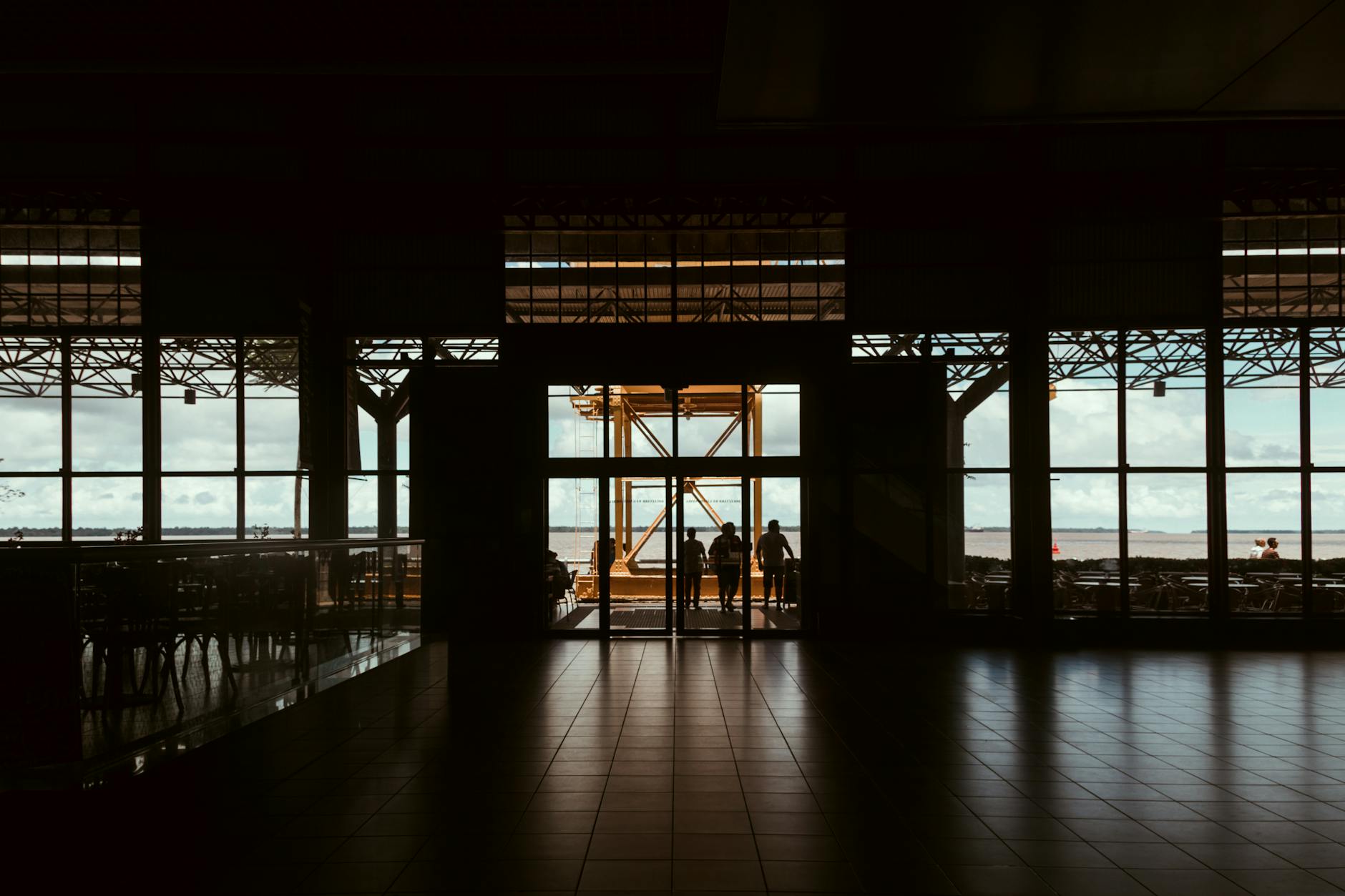
Light is the most crucial factor in photography, and understanding how to utilize it can elevate your travel photos to the next level. The golden hour—shortly after sunrise and before sunset—offers soft, warm light that creates a magical atmosphere. During this time, shadows are less harsh, and colors appear more vibrant. This is often considered the best time for photographers to capture both landscapes and portraits.
Conversely, midday sun can produce stark shadows and overly bright highlights. If you find yourself taking photos during this time, seek out shaded areas to soften the light. Additionally, incorporating elements like clouds or interesting skies can help create mood and texture in your images. Don’t shy away from experimenting with different times of day; even twilight can produce mesmerizing effects that transform the ordinary into the extraordinary.
Mastering Your Gear: Know Your Tools
While the foundational principles of photography apply regardless of equipment, knowing how to use your gear effectively is essential. Whether you’re using a smartphone or a professional DSLR, understanding your camera’s settings can significantly impact your results. For instance, familiarize yourself with aperture, shutter speed, and ISO settings, as these elements determine exposure and depth of field.
Many modern cameras and smartphones come equipped with various modes and settings tailored for specific environments. For travel photography, settings like landscape mode can enhance details in wide shots, while portrait mode can produce beautiful backgrounds with soft bokeh. Moreover, always shoot in the highest quality available—this gives you more flexibility during the editing process. Lastly, investing in a sturdy tripod can help you capture long exposures and night shots, further expanding your photographic repertoire.

Cultural Sensitivity: Capturing Stories with Respect
As you navigate the world with your camera, it’s vital to approach photography with cultural sensitivity. Each destination has its customs and etiquette, which can impact how you interact with people and spaces. Before taking photos of individuals, especially in more traditional communities, seek permission. This not only shows respect but may lead to more natural and emotive portraits. Engage with local cultures, learn their stories, and let the essence of those interactions inform your photography.
Furthermore, consider the representation of people and places in your images. Strive to tell authentic stories that reflect the depth of the cultures you encounter. This might mean capturing moments of daily life rather than just iconic landmarks. A bustling market scene, children playing, or artisans at work can convey the spirit of a place far more profoundly than a mere postcard image. By being respectful and mindful while you photograph, you create an opportunity to share the beauty of diverse cultures with honesty.
Edit with Intention: Bringing Your Vision to Life
The magic doesn’t end at your camera; post-processing is an integral step in the photography journey. While it’s essential to remain authentic to your subject, editing allows you to enhance your images and align them with your artistic vision. Familiarize yourself with editing software such as Adobe Lightroom or Photoshop, which provides a suite of tools for adjustments. Focus on adjusting brightness, contrast, and saturation to make your photos pop without overdoing it.
Additionally, consider cropping to improve composition or highlighting certain areas of your image to guide the viewer’s focus. Remember that less is often more; subtle edits can significantly enhance the overall impact without detracting from the original subject. Every image tells a story, and your editing choices can emphasize the emotions you want to convey, whether that’s joy, tranquility, or nostalgia.
Building a Consistent Travel Photography Style
As you gather a collection of travel photos, think about developing a signature style that sets your work apart. This could be through specific color palettes, unique compositions, or thematic elements that resonate with your vision. An artist like Steve McCurry, known for his vibrant colors and poignant portraits, showcases the importance of personal style in photography. By cultivating a consistent aesthetic, you create a cohesive portfolio that not only reflects your experiences but also resonates with viewers on a deeper level.
To further refine your style, draw inspiration from various photographers and art forms. Review your work critically—what common themes or techniques appear in your best photos? Over time, as you navigate different cultures and environments, your unique voice will emerge and mature, making your travel photography even more compelling.
In conclusion, capturing stunning travel photos is not solely about possessing the latest gear or traveling to exotic locations; it’s about understanding the nuances of light, composition, and cultural storytelling. By mastering these aspects and embracing a deliberate approach to both shooting and editing, you can create images that resonate, inspire, and transport viewers to the landscapes you’ve explored.
