
Traveling for festivals offers a unique opportunity to immerse oneself in different cultures, traditions, and experiences. These events are the heart of celebrations in many regions, showcasing local heritage, music, art, and gastronomy. From the vibrant colors of India’s Holi festival to the captivating sounds of Rio’s Carnival, each festival carries its own allure and essence. Here’s a glimpse into some of the best festivals that are truly worth the journey, where you’ll find not just entertainment, but also a deeper understanding of the world around you.
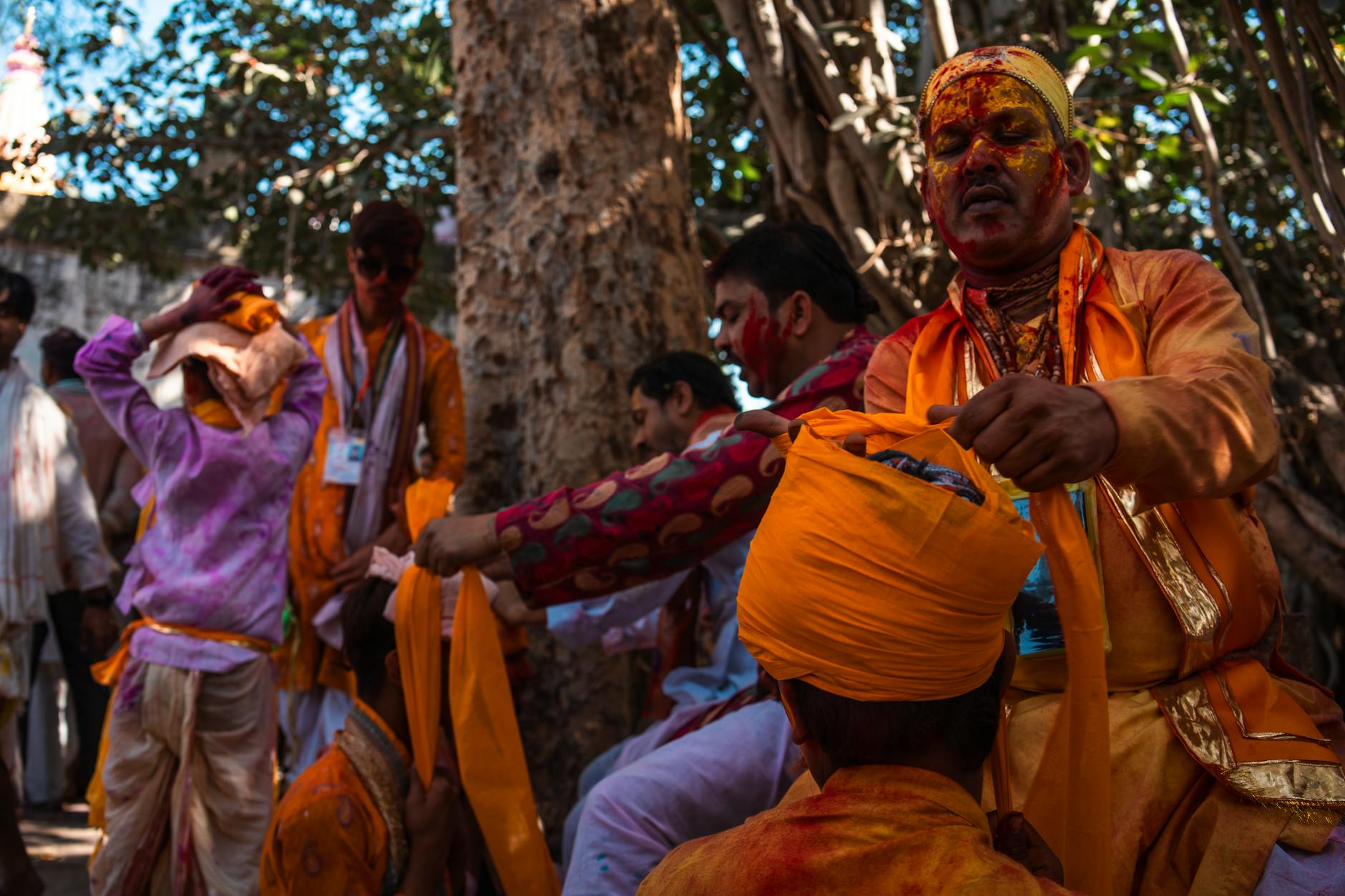
Holi Festival in India
Holi, often referred to as the Festival of Colors, is celebrated across India and in many parts of the world. Taking place in March, this exuberant spring festival symbolizes the victory of good over evil, love, and the arrival of spring. Participants joyfully splatter colored powders and water on each other, creating a vibrant spectacle that’s as photogenic as it is joyous.
Traditionally, Holi also involves communal feasts and music, enhancing its spirit of unity and togetherness. The atmosphere is electric, filled with laughter, dance, and merriment. Key cities for experiencing Holi include Varanasi, Jaipur, and Mathura, each offering unique local traditions that enrich the festivities. Travel enthusiasts flock to these locations to partake in celebrations where color, joy, and spirituality intertwine, making it an unforgettable experience.
The essence of Holi transcends its visual appeal—it is a celebration that invites people to break free from societal norms, embrace joy, and connect with each other. To truly enjoy the festival, it’s wise to dress in old clothes, because you will undoubtedly leave covered in a rainbow of colors.
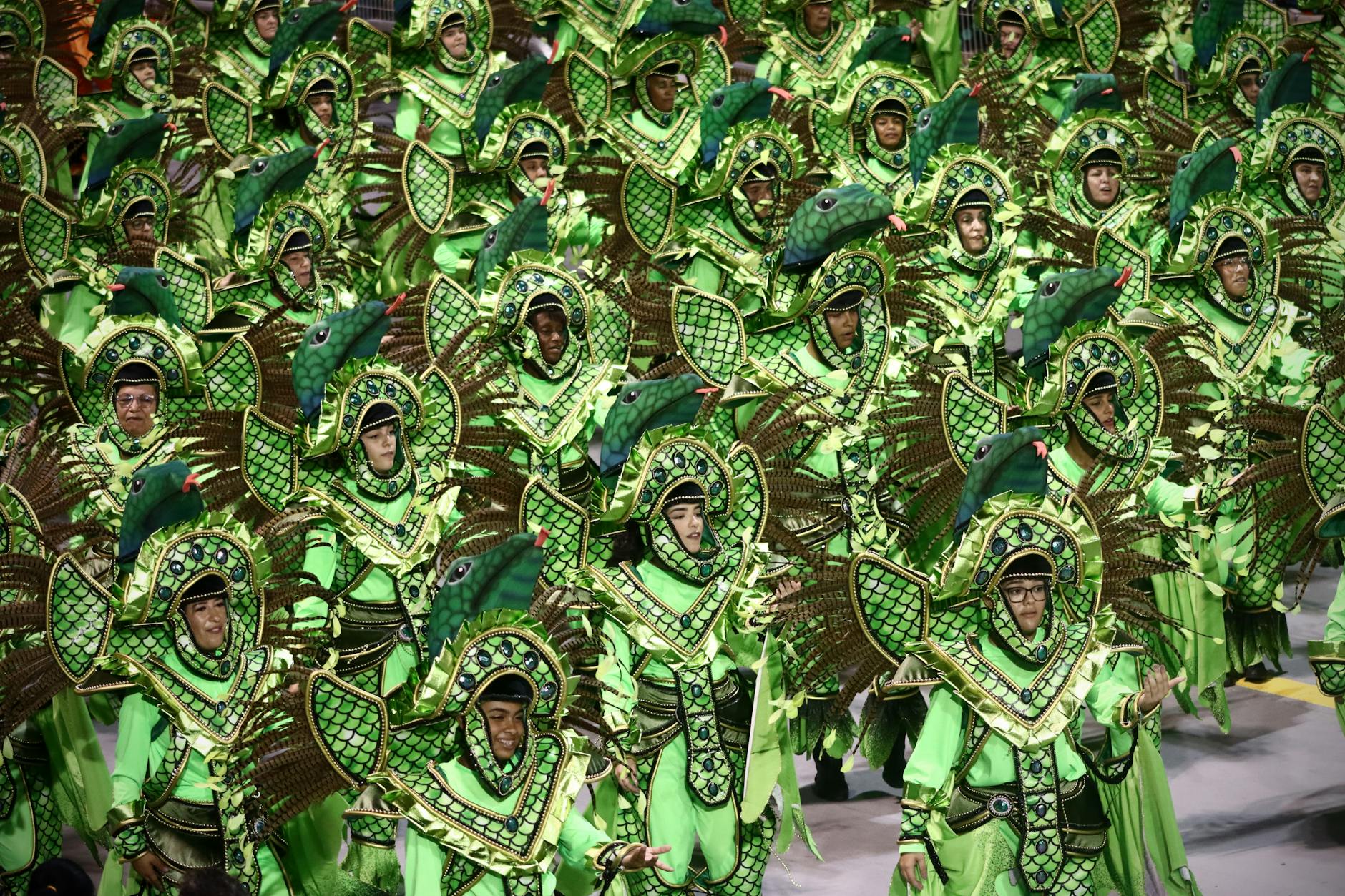
Rio Carnival in Brazil
The Rio Carnival is perhaps the most famous festival in the world, drawing millions of visitors to Brazil each year, usually in February or early March. With its roots in Portuguese colonial history, the carnival has evolved into a celebration that embodies the spirit of Brazil. It is renowned for its flamboyant parades, samba music, and dance. The vibrant costumes—often extravagant and adorned with feathers and sequins—capture the eye and add to the electric atmosphere of the event.
At the heart of the Rio Carnival is the Sambadrome, where samba schools compete in spectacular performances that blend artistry, rhythm, and passion. Each school tells a story through its parade, showcasing themes that reflect Brazilian culture and society. Beyond the parades, street parties, known as “blocos,” pop up across the city, inviting locals and tourists alike to dance, sing, and celebrate together.
To fully embrace the carnival experience, consider joining a bloco where you can mingle with locals, enjoy Brazilian street food, and wear a costume that reflects the festive spirit. The Rio Carnival is not just an event; it is an explosion of culture, history, and community that leaves a lasting impression on all who attend.
Oktoberfest in Germany
Oktoberfest in Munich is the world’s largest beer festival, attracting millions of visitors from around the globe every year. Officially commencing in late September and continuing into the first weekend of October, this festival is a celebration of Bavarian culture, with an emphasis on beer, food, and traditional music. It began in 1810 as a royal wedding celebration and has since evolved into a massive event, hosting over six million attendees every year.
Visitors can indulge in a vast selection of beers, primarily from Munich’s renowned breweries, served in enormous steins. The aroma of local delicacies like pretzels, sausages, and roast chicken fills the air, complementing the beverages perfectly. The festival also features carnival rides, games, and performances by traditional folk musicians, creating a festive atmosphere that appeals to all ages.
While Oktoberfest is fundamentally a beer festival, it is also a journey into Bavarian customs and traditions. Dressing in traditional attire, such as lederhosen for men and dirndls for women, enhances the experience and allows festival-goers to fully immerse themselves in the spirit of the celebration. For many, Oktoberfest is not just about drinking; it’s a time to celebrate life, create memories, and forge new friendships.
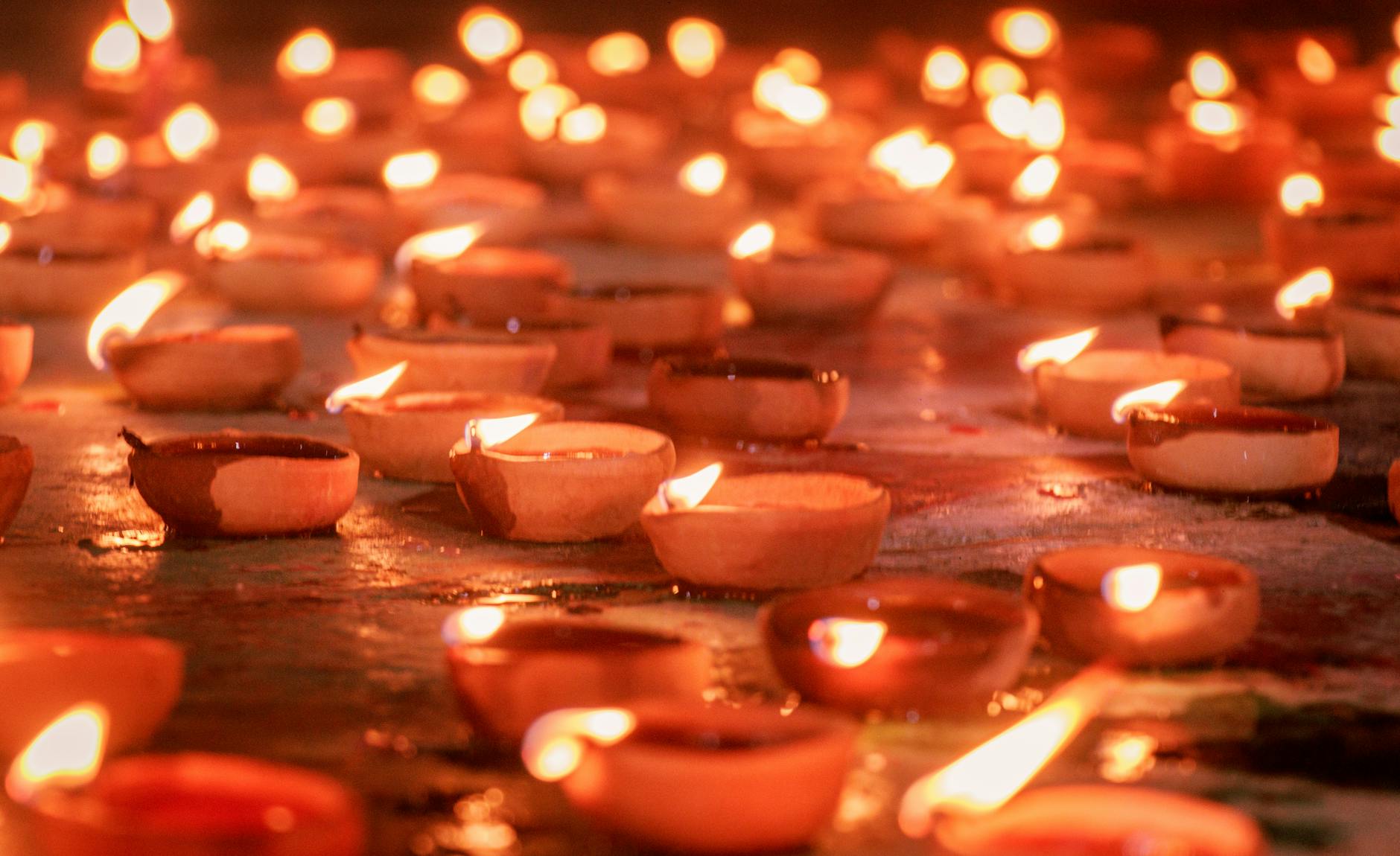
Diwali Festival in India
Diwali, the Festival of Lights, is one of the most significant celebrations in India, typically occurring in October or November. It symbolizes the victory of light over darkness and good over evil. Homes and public spaces are adorned with oil lamps, candles, and elaborate decorations, creating a breathtaking display of lights that illuminate the night.
The festival spans five days, with each day holding its own traditions and rituals. The main day of Diwali is marked by prayers to Lakshmi, the goddess of wealth, and is often celebrated with family gatherings, feasting, and the exchange of gifts. Fireworks light up the sky, enhancing the joyous ambiance and filling the air with excitement.
Cities such as Varanasi, Delhi, and Jaipur showcase their grandeur during Diwali, drawing visitors keen to witness the cultural richness of this festival. Attending Diwali not only allows for unique interactions with local customs but also provides an insight into the values and narratives that define Indian society. As you walk through the streets lit with thousands of lamps, the sense of belonging and community becomes palpable, making it a truly transformative experience.
La Tomatina in Spain
La Tomatina is a unique and absurdly fun festival held annually in Buñol, Spain, on the last Wednesday of August. This one-of-a-kind event attracts thousands of participants who gather to partake in what can only be described as the world’s largest food fight. It began in 1945 when a group of young people started throwing tomatoes at each other during a local festival, and it has since evolved into a globally recognized event.
Participants arrive early to secure a good spot, and as soon as the signal is given, the streets fill with laughter, chaos, and, of course, tomatoes. The town provides ripe, squishy tomatoes specifically for the event, ensuring that the fight is messy yet safe. While the primary allure is the tomato battle, La Tomatina also features a vibrant atmosphere of music, dancing, and camaraderie that lasts throughout the day.
The festival not only offers a thrilling experience but also promotes unity and joy among participants, as everyone is there for the sheer enjoyment of it. If you’re looking for a unique adventure that leaves you laughing and covered in tomato pulp, La Tomatina is the perfect festival to add to your travel itinerary.
In conclusion, attending one of these magnificent festivals presents an opportunity to engage with diverse cultures, participate in time-honored traditions, and create memories that transcend the confines of everyday life. Each festival provides a unique lens through which we can appreciate the richness of human experience. Whether you find yourself splashing in colors, dancing to samba rhythms, raising a stein, or illuminating the night with lamps, the world’s festivals await your discovery.
