
Festivals are a vibrant showcase of a community’s culture and traditions. While many of them involve music, dance, and food, some festivals take a more unconventional approach, showcasing the strange and bizarre aspects of human nature. From throwing tomatoes to celebrating death, these unique festivals around the globe offer a fascinating glimpse into the diversity of human expression. Let’s dive into some of the strangest festivals that not only entertain but also tell compelling stories of the societies they represent.
La Tomatina: The Messy Tomato Festival in Spain
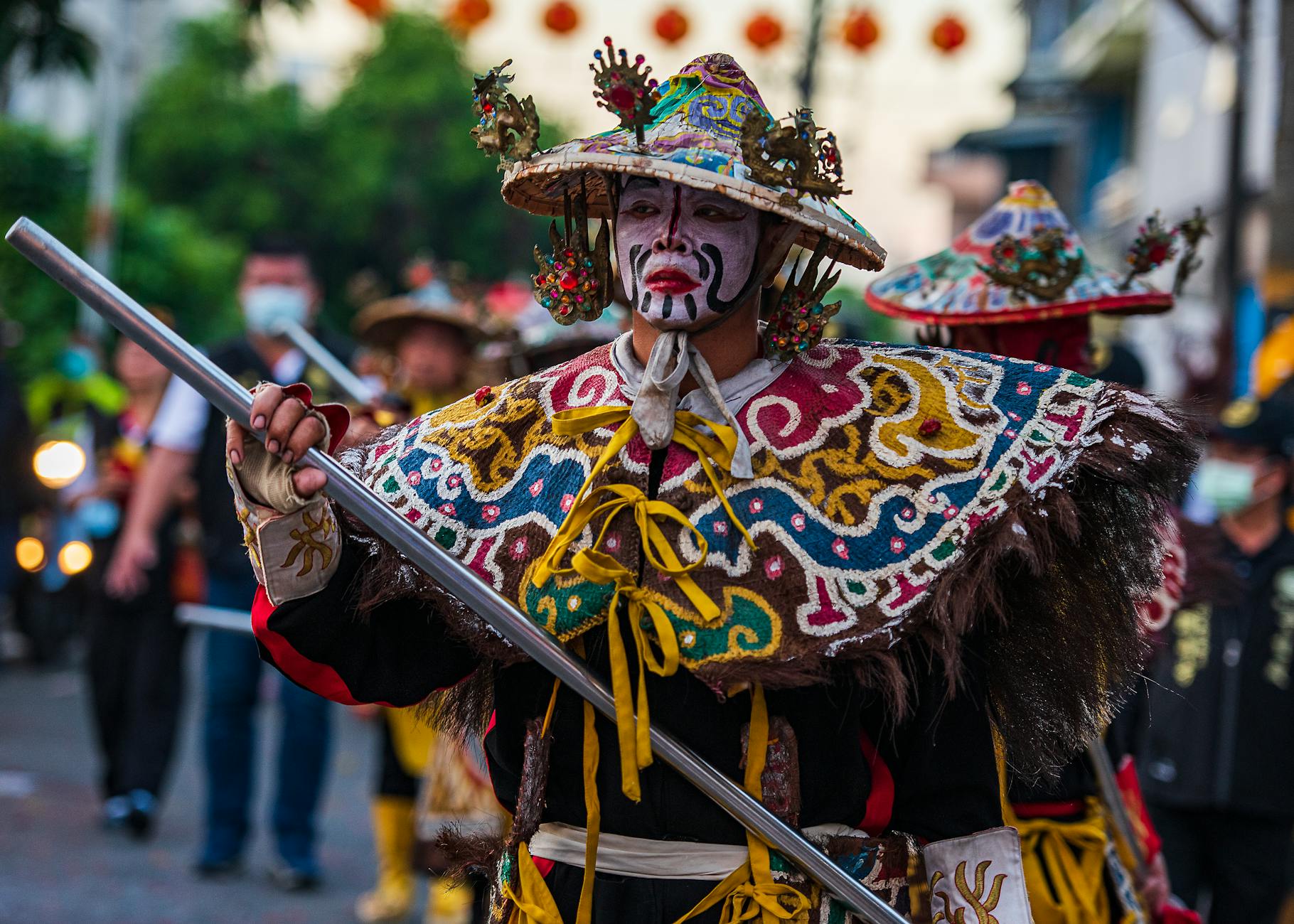
La Tomatina, held annually in the town of Buñol, Spain, is perhaps one of the most famous strange festivals in the world. This food fight festival takes place on the last Wednesday of August and attracts thousands of participants eager to throw ripe tomatoes at each other. The origins of La Tomatina can be traced back to a local food fight in 1945, but it officially became a festival in 1957. Since then, it has grown into a massive international event.
What makes La Tomatina so appealing is not just the sheer joy of throwing tomatoes but also the sense of camaraderie it fosters among participants. People of all ages come together to revel in the messy fun; they dress in old clothes that they do not mind ruining. After the festival, the town works hard to clean up, using fire hoses to wash away the remnants of the event. La Tomatina showcases the playful spirit of humanity while promoting a strong sense of community.
Dia de los Muertos: A Colorful Celebration of Life and Death
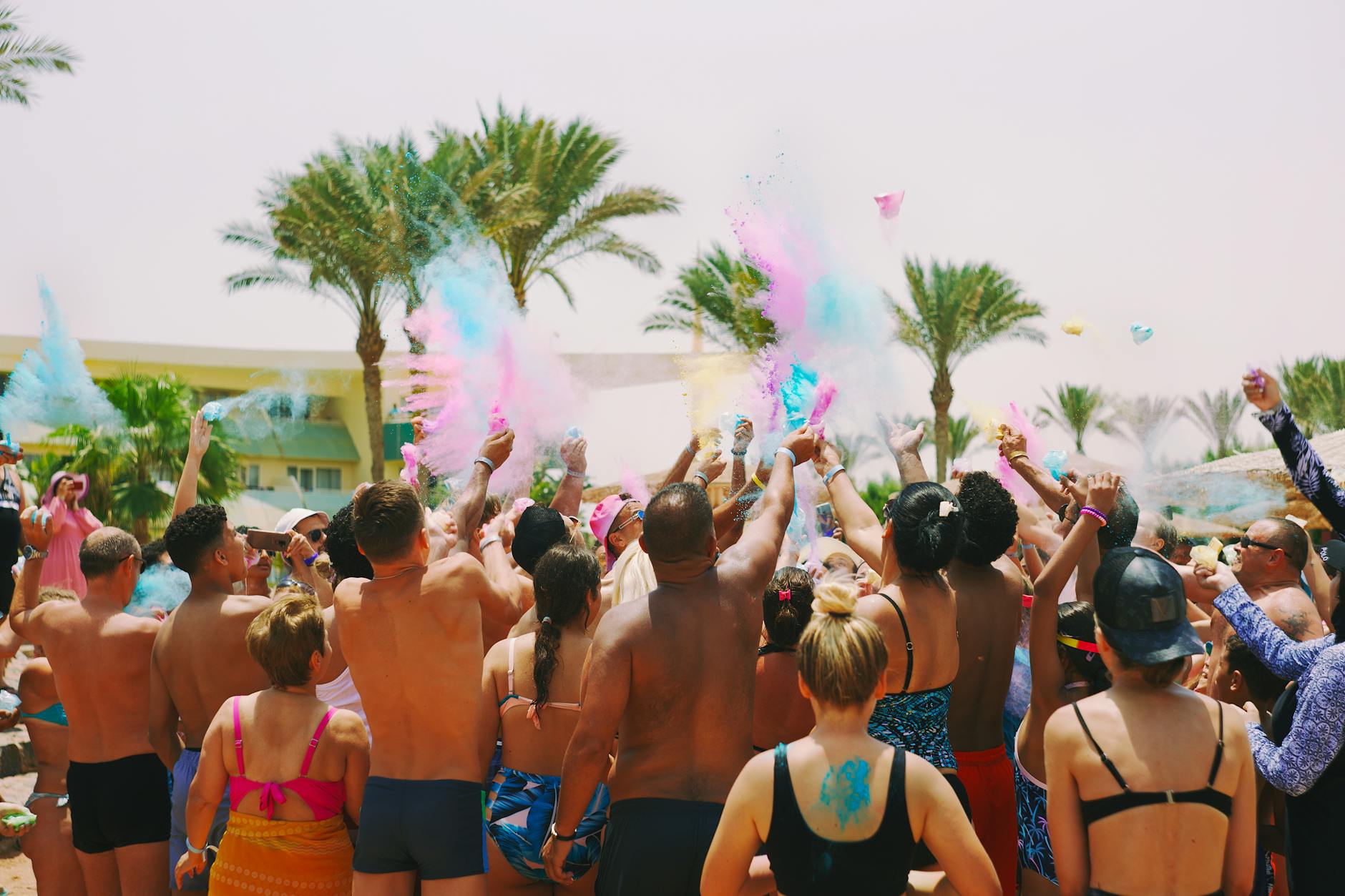
In contrast to the often somber attitudes toward death found in many cultures, Mexico’s Dia de los Muertos, or Day of the Dead, celebrates the lives of deceased loved ones in a vibrant and colorful manner. This festival, which takes place on November 1st and 2nd, is marked by families creating altars, or ofrendas, adorned with photographs, favorite foods, and other offerings for their departed. The holiday combines indigenous traditions with Catholicism, resulting in a beautiful blend of practices and beliefs.
Festivities include parades filled with music, dance, and participants dressed as calacas (skeletons) adorned with intricate designs. Iconic sugar skulls are also a significant part of the celebration, symbolizing the sweetness of life. Dia de los Muertos highlights the belief that death is not an end but a continuation of life in another form. It fosters a connection between the living and the dead, allowing individuals to honor their ancestors while celebrating the cycle of life.
Monkey Buffet Festival: A Feast for the Monkeys in Thailand
In Lopburi, Thailand, the annual Monkey Buffet Festival takes a rather peculiar approach to celebration. Considered a form of gratitude towards the long-tailed macaques that inhabit the region, this festival features an extravagant feast prepared exclusively for the monkeys. Held in late November, the event attracts tourists and locals alike, all eager to witness the monkeys indulging in a spread of fruits, vegetables, and other treats.
The festival not only focuses on entertaining the monkeys but also aims to boost tourism in the area. As locals set up elaborate displays of food, they encourage visitors to take photographs and marvel at the spectacle. However, concerns regarding the health and safety of the monkeys have been raised over the years, as the festival risks creating dependency on these food sources. Nevertheless, the Monkey Buffet Festival is a fascinating example of how communities celebrate their unique wildlife and promote local culture in surprising ways.
Cooper’s Hill Cheese-Rolling: A Race Against Gravity in England
Every spring, a peculiar sight unfolds at Cooper’s Hill in Gloucestershire, England, where locals and thrill-seekers gather for the annual Cheese-Rolling Festival. Participants chase a wheel of Double Gloucester cheese down the steep hill, tumbling and rolling along the way. The first person to cross the finish line at the bottom wins the cheese, but the real prize is the exhilarating experience of racing downhill in pursuit of a runaway dairy product.
This quirky tradition has origins dating back at least 200 years and has only grown in popularity over time. Although injuries are common due to the steep incline and rough terrain, the thrill of competition and the communal atmosphere keep participants coming back year after year. The Cheese-Rolling Festival epitomizes the idea that sometimes the most absurd activities can foster a strong sense of community and excitement, reminding us to embrace the joyous moments of life without fear.
Wife Carrying Championship: A Race with a Twist in Finland
Finland’s Wife Carrying Championship is another unusual yet entertaining festival that has gained international attention. Held annually in Sonkajärvi, this event sees male competitors racing through an obstacle course while carrying their wives (or partners) on their backs. The origins of this quirky competition stem from various legends, including tales of raiding parties in which men would carry off women from neighboring villages.
The race consists of a challenging 253.5-meter course that includes hurdles and water obstacles. To win, competitors must not only be physically fit but also demonstrate excellent teamwork and balance. Each year, participants from around the globe come to compete, showcasing their diverse backgrounds and cultures as they partake in the fun. The Wife Carrying Championship beautifully exemplifies how love and partnership can be celebrated through eccentric and playful events.
Conclusion: A Celebration of Humanity’s Quirks
Strange festivals around the globe serve as a whimsical reminder of the many ways people choose to celebrate their culture, history, and relationships. These events, marked by their quirks and eccentricities, foster unity and joy among participants, creating experiences that transcend borders and backgrounds. Whether it’s the joy of throwing tomatoes, honoring ancestors, or racing with loved ones on their backs, these festivals reveal the creativity and spirit of humanity. They teach us that life’s absurdities can be embraced and celebrated, creating cherished memories and shared experiences that reflect the vibrant tapestry of our world.
