
In an age characterized by rapid technological advancements and constant connectivity, the concept of slow living has gained traction as a refreshing antidote to the chaos of modern life. The essence of slow living lies in mindfulness, intentionality, and the appreciation of simple pleasures, all of which can be beautifully integrated into our home environments. This article explores how the principles of slow living can enhance our spaces, promoting tranquility and well-being amidst the hustle and bustle.
Creating a Calm Sanctuary
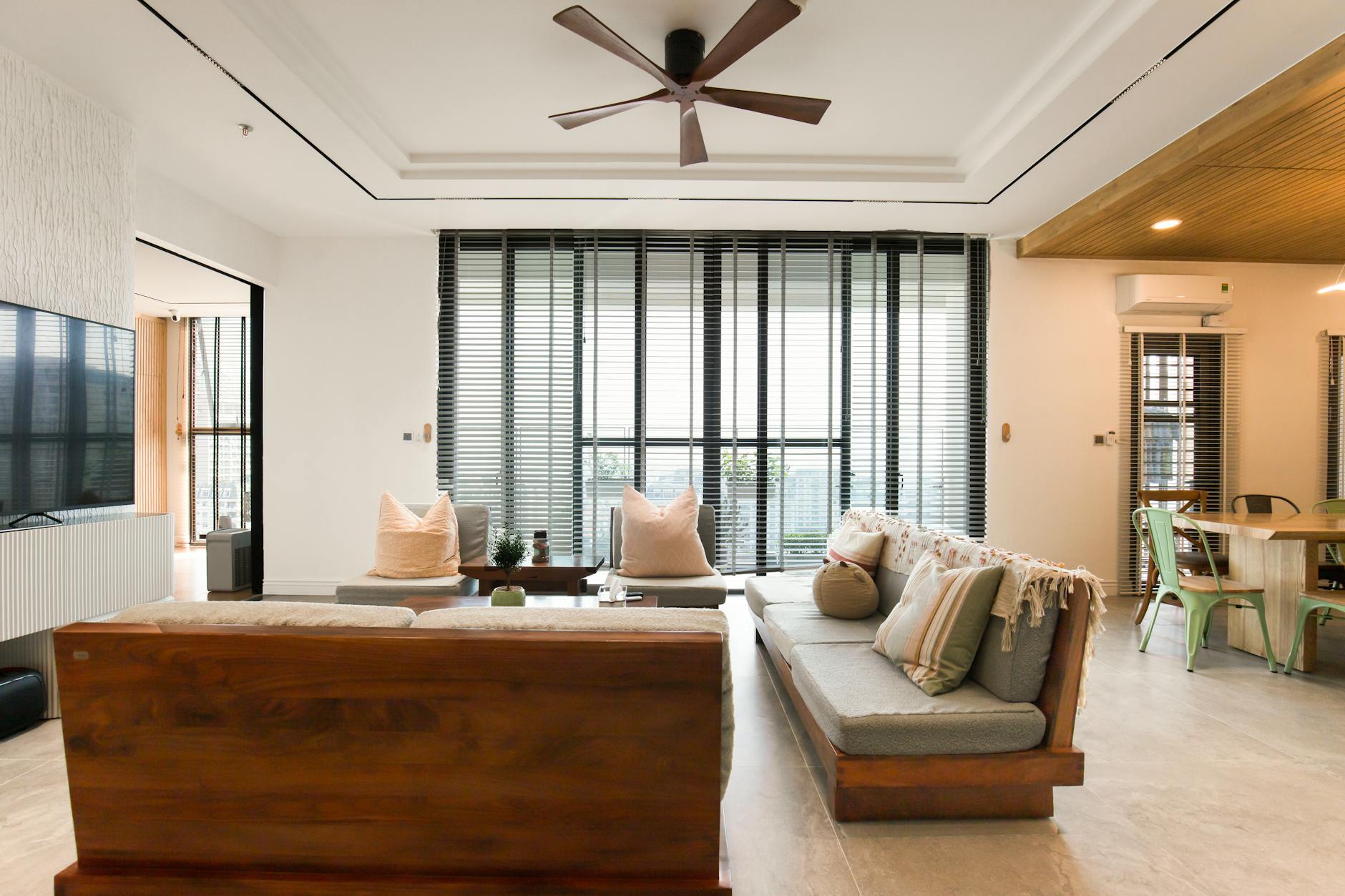
At the core of slow living is the idea of creating a retreat—an oasis of calm in a hectic world. Your home should serve as a sanctuary that reflects your values and encourages relaxation. Start by decluttering your space; excessive possessions can create visual chaos and mental noise. A minimalist approach not only simplifies your environment but also allows you to appreciate the items you choose to keep. Opt for multifunctional furniture that blends aesthetics with practicality, enabling you to maintain an organized yet inviting atmosphere.
Incorporate natural elements into your design to foster a sense of connection with the outdoors. Biophilic design, which emphasizes the integration of nature into our living spaces, can be achieved through the use of plants, natural light, and organic materials. For instance, consider adding indoor plants like peace lilies or snake plants, which not only purify the air but also bring a touch of greenery that soothes the spirit. Large windows or skylights that flood your home with natural light can enhance your mood while reducing reliance on artificial lighting, thereby cultivating a more serene environment.
Designing Mindful Spaces
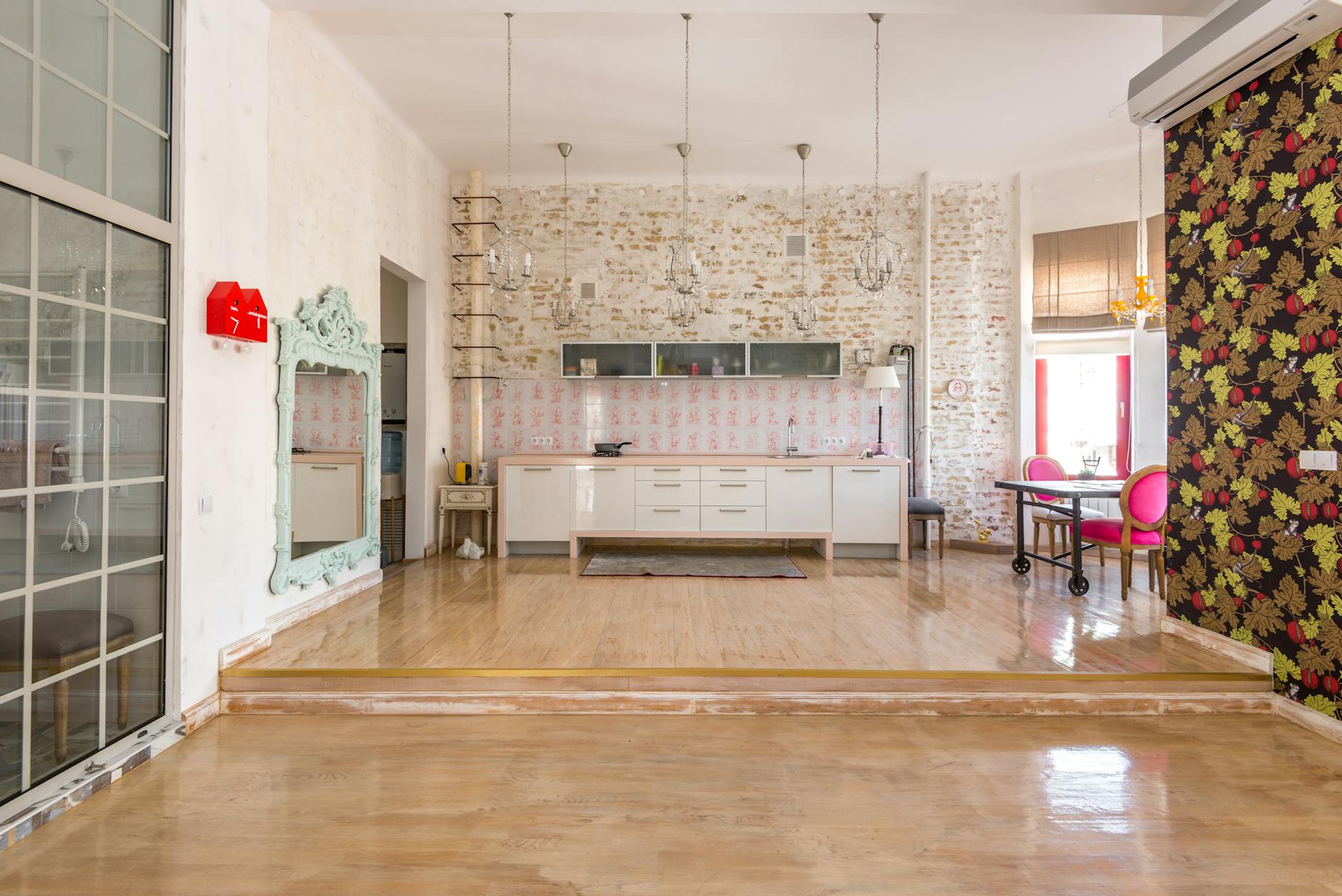
Mindfulness is a fundamental aspect of slow living, and your home should reflect this principle through intentional design choices. Each room should serve a specific purpose, facilitating activities that promote relaxation, creativity, or connection with loved ones. For example, a cozy reading nook with comfortable seating, good lighting, and a small bookshelf can encourage daily practices of reading and reflection. This not only nurtures your soul but also creates a dedicated space that invites you to engage in slow, meaningful activities.
Incorporating elements that stimulate the senses can deepen the experience of mindfulness within your home. Consider the use of soft textiles such as organic cotton curtains, linen throws, and plush rugs that invite touch and comfort. Additionally, integrating soothing colors like muted greens, gentle blues, and warm neutrals can evoke tranquility and help create a peaceful atmosphere. When selecting decor, prioritize items that are both beautiful and functional, allowing form to follow function without sacrificing aesthetic value. This careful curation transforms your living space into a harmonious setting that nurtures a slower pace of life.
“Simplicity is the ultimate sophistication.” — Leonardo da Vinci
Encouraging Connection and Creativity
In the quest for slow living, fostering connections—whether with family, friends, or yourself—is paramount. Your home can facilitate these connections by encouraging communal activities. Design spaces that invite gatherings, such as an open-concept kitchen or a comfortable dining room that accommodates family dinners or game nights. These spaces should be equipped with comfortable seating, warm lighting, and perhaps a centerpiece that sparks conversation, such as a beautiful floral arrangement or a collection of travel souvenirs that tell a story.
Creativity thrives in environments that allow for exploration and play. Dedicate an area in your home for creative pursuits, whether it’s a craft corner, an art studio, or a writer’s desk. This space should reflect your personality and inspire you to engage in hobbies that contribute to your overall well-being. Personalized wall art, inspiring quotes, or a vision board can enhance this creative refuge, transforming it into a motivating sanctuary where ideas can flourish at a leisurely pace.
Embracing Digital Detox through Design
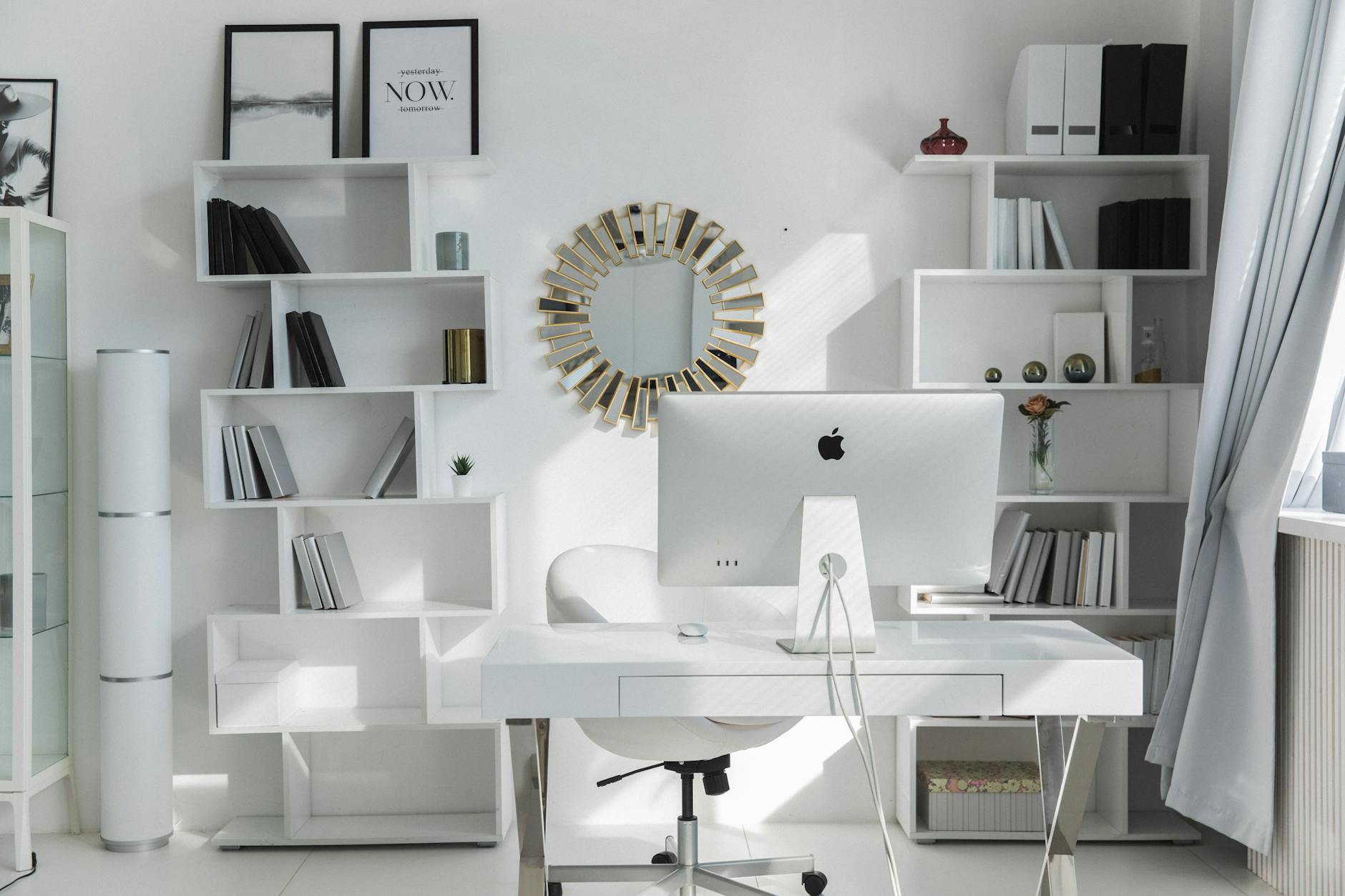
In a world dominated by screens, embracing a slow lifestyle often necessitates a digital detox. Your home can play a vital role in this process by creating areas free from technological distractions. Designate ‘tech-free zones’ where digital devices are left behind, encouraging uninterrupted moments of connection with yourself or your loved ones. Consider creating a serene meditation corner or a warm reading space where the only companions are books and blankets. This intentional separation can help you find balance and focus, allowing you to savor the present moment.
Implement design choices that support this tech-free lifestyle. For instance, opt for timeless furniture and decor, which encourages a shift away from the rapid trend cycles dictated by the digital world. Vintage pieces or handcrafted items not only bring character to your space but also foster a sense of nostalgia and appreciation for craftsmanship that transcends time. By surrounding yourself with meaningful items, you cultivate an environment that prioritizes authenticity over the incessant barrage of online trends.
Conclusion: A Retreat from the Everyday
In a fast-paced world, the art of slow living offers a powerful antidote that nourishes the soul and revitalizes our homes. By embracing intentional design choices that foster calm, connection, creativity, and mindfulness, we can cultivate spaces that not only reflect our values but also inspire a more fulfilling way of life. As we navigate the complexities of modern existence, let us remember that the journey toward tranquility begins within our own four walls, where the art of slow living can truly flourish.
