
In today’s fast-paced world, maintaining good mental health requires proactive efforts. While traditional approaches like therapy and medication play crucial roles, the environment in which we live also profoundly impacts our mental well-being. Thoughtful interior design, combined with certain daily habits, can create a nurturing space that promotes peace, productivity, and positivity. Below, we explore how specific daily routines, influenced by the design of our surroundings, can enhance mental health.
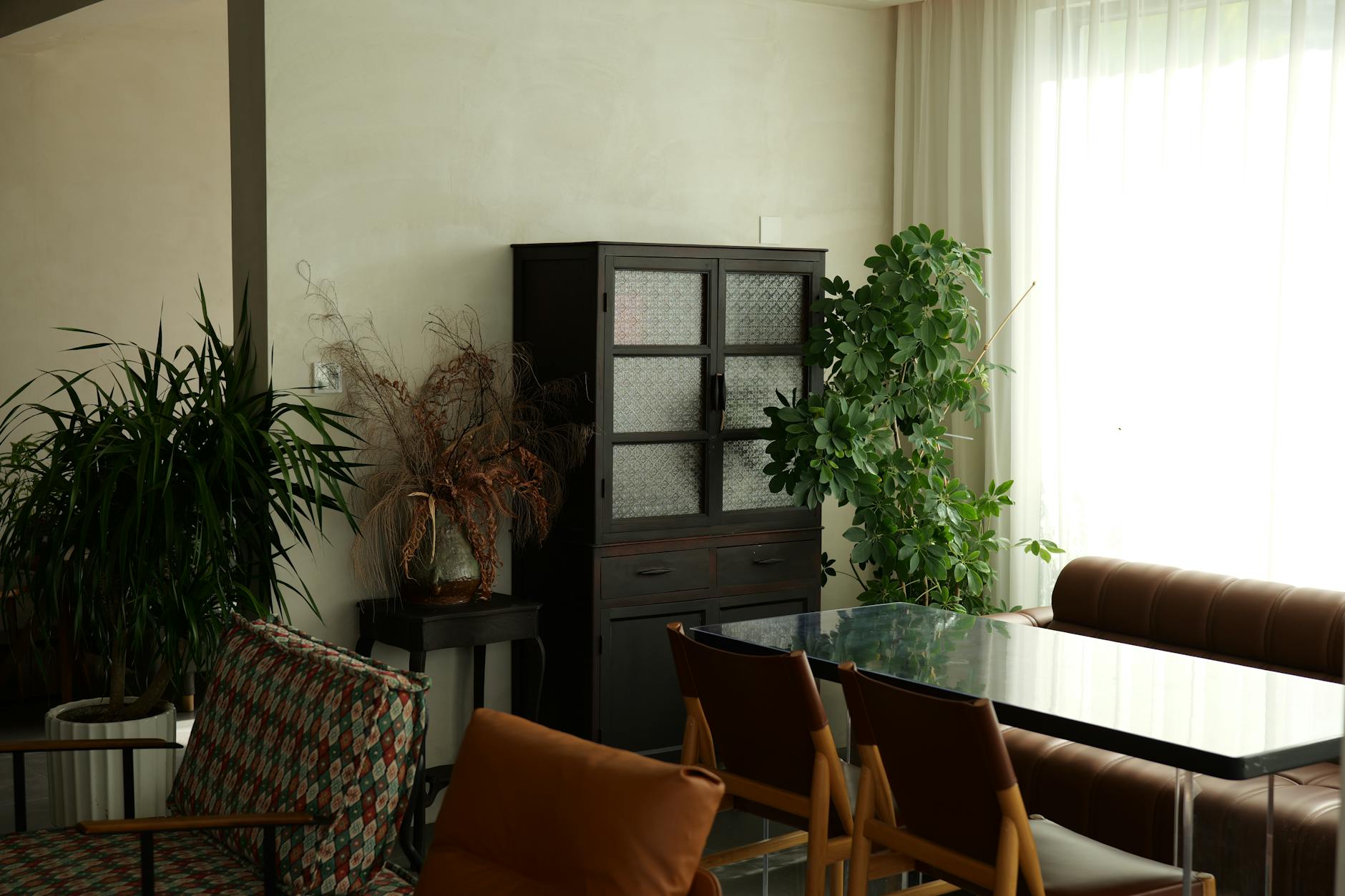
The Power of Nature: Bringing the Outdoors In
Integrating nature into your home design is not only visually appealing but also beneficial for mental health. Studies have shown that exposure to natural elements can reduce stress levels and improve overall mood. Incorporating plants into your space can create a calming atmosphere, providing both aesthetic beauty and psychological benefits.
Start your day by caring for your plants—a simple yet fulfilling task that can ground you. Consider placing a variety of greenery throughout your home. Snake plants, pothos, and peace lilies are excellent choices, as they are low-maintenance and purify the air. As you tend to these plants, take a moment to appreciate the life surrounding you, allowing the act to cultivate mindfulness and gratitude.
Moreover, large windows that invite ample natural light can enhance your living space’s connection to the outdoors. Morning sunlight can boost serotonin levels, improving mood and energy. If redesigning your space, prioritize natural light and strategic placement of mirrors to reflect and amplify this resource. Creating a tranquil nook by a window with comfortable seating can encourage relaxation, prompting daily habits like reading or meditating while soaking in the sun’s rays.
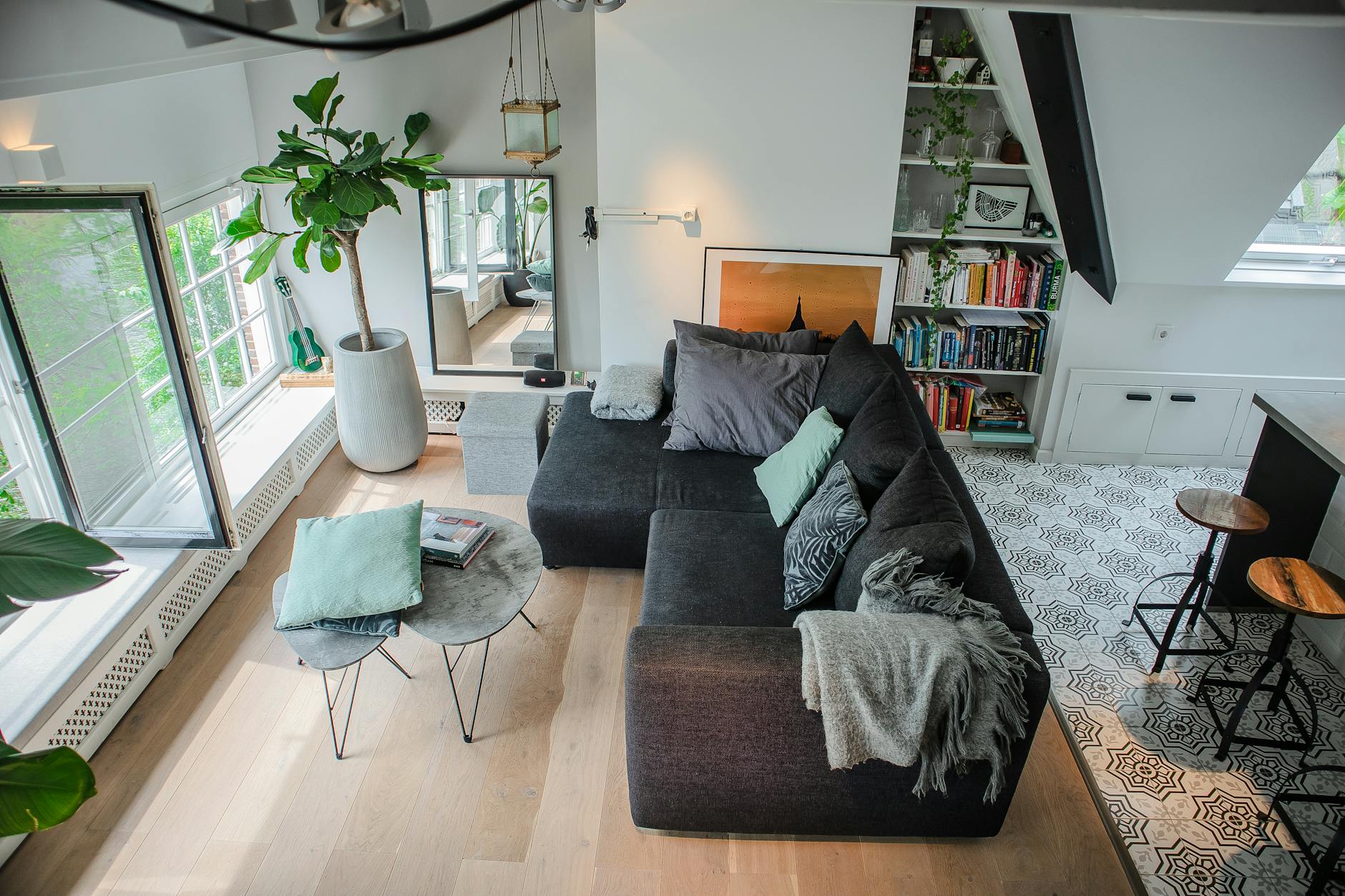
Creating a Mindful Routine with Design
Your home environment can significantly influence your daily routines and habits. Establishing a mindful routine begins at home—setting up spaces that encourage reflection and relaxation is essential. Designate an area solely for mindfulness practices, such as meditation or yoga. This space should be free from distractions and designed to evoke serenity.
Incorporate soft textures, soothing colors, and minimal clutter to create a peaceful ambiance. A simple mat, cushions, and a few candles or essential oil diffusers can transform any corner into a rejuvenating sanctuary. Engaging in daily meditation or gentle stretching in this environment can help clear the mind and promote mental clarity.
Additionally, the use of calming colors in home decor, such as soft blues, greens, or earth tones, can play a significant role in setting the mood. Painting walls or selecting decor in these calming hues can create a tranquil atmosphere that encourages relaxation. Pairing design elements with your mindfulness routine not only enhances the experience but also reaffirms the importance of prioritizing mental health.
Establishing Creative Spaces
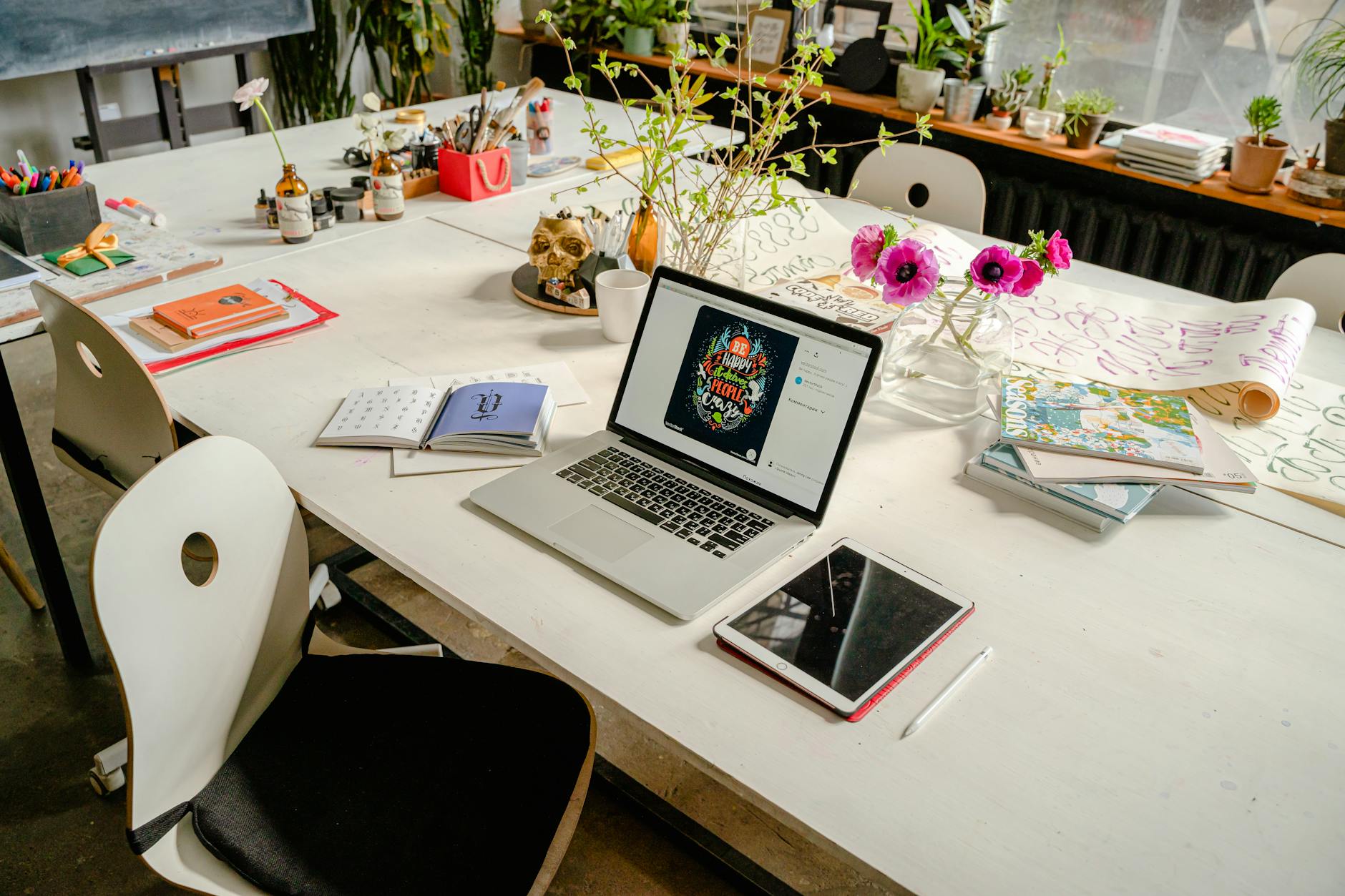
Creativity can be a powerful outlet for improving mental health. Whether you are a seasoned artist or just someone looking to explore new hobbies, creating a designated creative space can inspire you to indulge in artistic endeavors on a daily basis. By transforming a room or corner of your home into a creative hub, you invite positive energy and the potential for emotional release.
Incorporate bright colors, inspiring quotes, or artwork that resonates with you—these elements can foster motivation and stimulate creativity. Make sure the area is equipped with all necessary supplies, such as paints, sketchbooks, or craft materials, to minimize friction in starting a project. Engaging in creative activities—whether painting, writing, or crafting—can provide an escape from daily stressors and enhance self-esteem, as the act of creating often leads to a sense of accomplishment.
Moreover, consider including elements that represent your personal journey or aspirations within this space. This could be photographs, mementos, or even a vision board. Surrounding yourself with visual reminders of your goals and successes can cultivate a sense of purpose and direction, reinforcing positive thinking patterns.
Mindful Meal Preparation and Dining
The kitchen is often regarded as the heart of the home, and for good reason; it’s a place not only for nourishing the body but also for significant moments of connection and reflection. Establishing a daily habit of mindful meal preparation can be a therapeutic and rewarding experience. Engaging your senses—sight, smell, taste—while cooking can foster appreciation for the food you prepare and eat.
Start by designing a functional kitchen that inspires you to cook. Utilize open shelving to display colorful spices, fresh herbs, and cooking utensils that delight the eye. A well-organized kitchen encourages exploration and experimentation, making cooking a more enjoyable endeavor. Dedicate time each week to plan and prepare meals, transforming it into a ritual rather than a chore.
During meals, avoid distractions by turning off electronic devices. This simple act encourages meaningful conversations with family or friends, strengthening bonds and enhancing feelings of connectedness. Alternatively, if dining alone, use this opportunity to practice gratitude by reflecting on the ingredients, their origins, and the effort it took to create your meal. This mindful approach to dining can transform mealtime into a nourishing experience both physically and mentally.
Prioritizing Rest through Thoughtful Design
Sleep is one of the most critical components of mental health. An inadequately designed bedroom can disrupt sleep patterns, leaving you fatigued and irritable. To promote better rest, invest time and resources into crafting a sleep-friendly environment. The bedroom should be a sanctuary for relaxation, devoid of clutter and distractions.
Opt for blackout curtains to mitigate outside light, and choose a comfortable mattress and pillows that suit your sleeping style. Additionally, calming scents from lavender or chamomile essential oils can enhance relaxation and signal to your body that it is time to unwind. Creating a pre-sleep routine, such as dimming the lights and reading a book, can help signal to your body that it is time to transition into a state of rest.
Furthermore, consider incorporating calming soundscapes, like gentle rain or ocean waves, using a white noise machine or calming music before bed. This will create a cocoon-like atmosphere that encourages deeper sleep. By prioritizing restful sleep, you not only improve your mental health but also enhance your ability to face daily challenges with resilience.
In the quest for improved mental health, the fusion of intentional daily habits and thoughtful interior design is a powerful combination. By creating nurturing spaces and engaging in mindful activities, you can foster a home environment that supports your mental well-being. Start small; even minor changes can lead to significant improvements in how you feel on a day-to-day basis. Remember, the journey to better mental health is ongoing, and every step counts.
