
In today’s fast-paced world, emotional balance can often feel elusive. Stress, anxiety, and a whirlwind of daily responsibilities can easily lead us to feel overwhelmed. However, cultivating emotional balance is not merely about managing stress; it’s about fostering a resilient mindset and nurturing emotional well-being. This article explores effective daily practices that can help individuals achieve emotional equilibrium while enhancing overall quality of life.
Understanding Emotional Balance
Emotional balance refers to the ability to maintain stability and resilience under stress, ensuring that our reactions to life’s challenges are measured and controlled. It is important to recognize that achieving emotional balance is not about suppressing feelings; rather, it is about acknowledging and managing them in a healthy manner.
People often experience a range of emotions throughout the day, from joy and excitement to frustration and sadness. Emotional balance allows individuals to navigate these feelings without becoming overwhelmed or overly reactive. By integrating mindful practices into our daily routines, we can develop a toolkit for emotional regulation and stability.
Practicing Mindfulness and Meditation
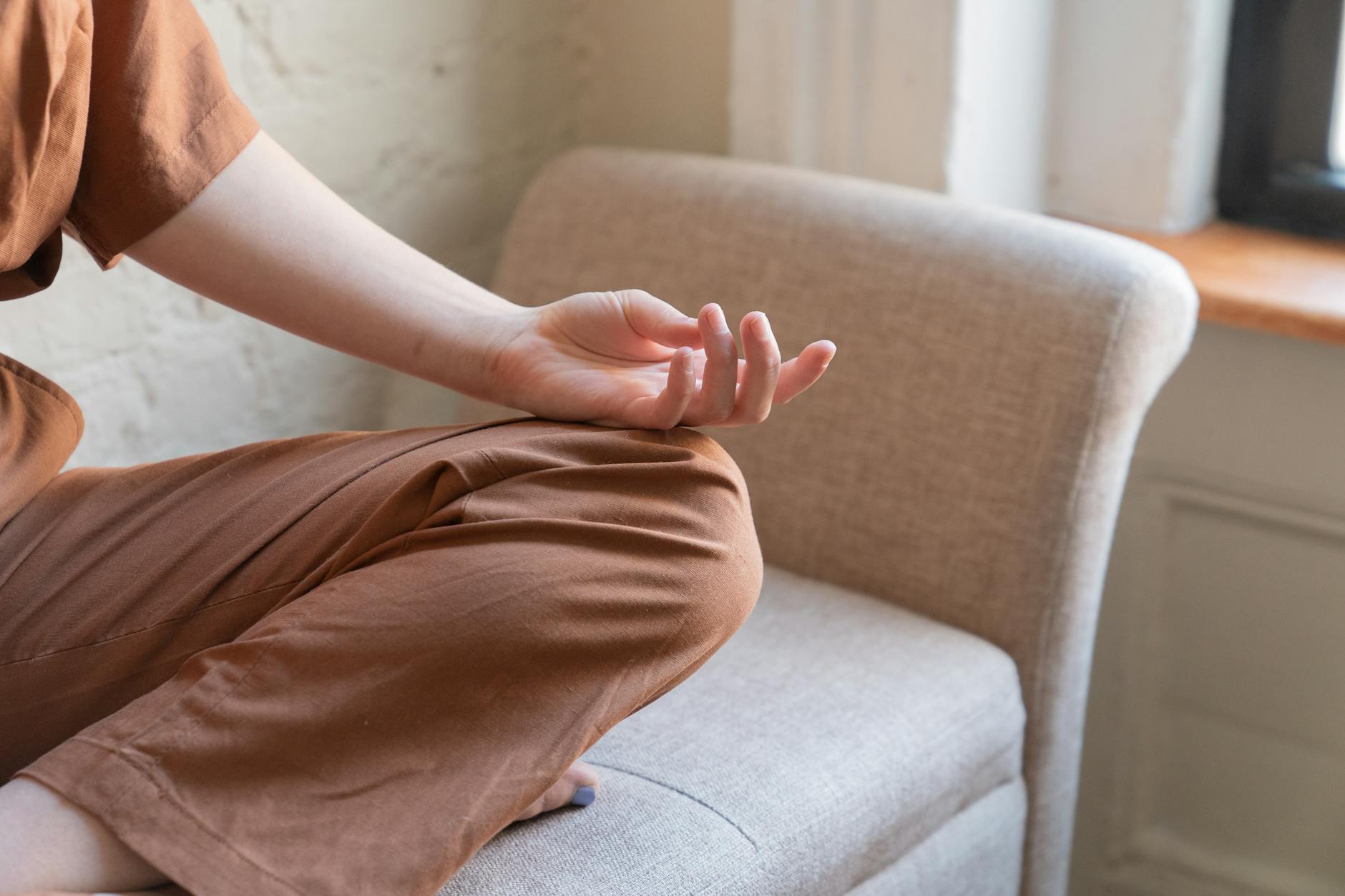
One of the most effective methods for achieving emotional balance is through mindfulness and meditation. Mindfulness encourages individuals to stay present in the moment, observe their thoughts and feelings without judgment, and cultivate an awareness of their emotional state. This practice can reduce anxiety and promote emotional stability by enabling us to respond rather than react to our feelings.
A simple yet effective mindfulness exercise involves taking a few moments each day to focus on your breath. Begin by finding a comfortable seated position. Close your eyes and take a deep breath in, filling your lungs completely, followed by a slow exhale. Repeat this for several minutes, allowing your thoughts to drift in and out as you maintain your focus on your breath. This practice cultivates a sense of calm, making it easier to manage emotions throughout the day.

The Power of Journaling
Journaling is another powerful tool for emotional balance. It enables individuals to express their thoughts and feelings on paper, providing clarity about emotional experiences. By taking time each day to write about your emotions, you can gain insights into patterns or triggers that affect your emotional state.
Consider setting aside a few minutes each morning or evening to reflect in your journal. You might write about your feelings, outline the events of your day, or set intentions for the day ahead. Over time, journaling can reveal underlying issues and patterns in your emotional responses, allowing for more informed decision-making when it comes to managing your emotions.
Additionally, journaling can serve as a safe space to process difficult emotions. When we externalize our thoughts through writing, it can lessen the intensity of those feelings and create a sense of distance from our emotional turmoil.
Engaging in Physical Activity
Regular physical activity plays a vital role in emotional balance. Exercise releases endorphins, the body’s natural mood lifters, which can help alleviate feelings of stress and anxiety. Engaging in physical activity can also serve as a healthy outlet for pent-up emotions, leading to improved emotional clarity and resilience.
The type of physical activity doesn’t have to be strenuous. Simple activities like walking, yoga, or dancing can be incredibly effective for emotional regulation. Aim for at least 30 minutes of exercise each day, even if it’s just a brisk walk around your neighborhood. This not only promotes emotional balance but also enhances physical health, creating a holistic approach to well-being.

Nurturing Social Connections
Human beings are inherently social creatures, and fostering connections with friends, family, and community members is essential for emotional balance. Positive social interactions boost feelings of belonging and support, significantly contributing to emotional well-being. Engaging in deep conversations or simply spending quality time with loved ones can help alleviate feelings of loneliness or isolation, which can exacerbate emotional distress.
To nurture these connections, make a conscious effort to reach out to someone each day. This could be as simple as sending a quick text to check on a friend or calling family members to catch up. Also, consider scheduling regular meet-ups or activities that foster deeper connections, such as group exercise classes, book clubs, or volunteer opportunities. Investing in relationships can create a support system that helps you navigate emotional challenges more effectively.
Limiting Stressors and Practicing Gratitude
By identifying and limiting stressors in your life, you can create a more balanced emotional landscape. This may involve setting boundaries at work, reducing time spent on social media, or avoiding negative environments. Learning to say no can be a liberating practice, helping you prioritize your emotional health.
In addition to limiting stressors, incorporating gratitude practices can also promote emotional balance. Gratitude shifts focus from what we lack to what we have, fostering a positive mindset. Consider keeping a gratitude journal where you write down three things you’re grateful for each day. This simple practice can significantly boost overall happiness and emotional stability.
“Gratitude is not only the greatest of virtues, but the parent of all others.” – Marcus Tullius Cicero
Practicing gratitude can help create a mental buffer against stress and anxiety, enhancing emotional resilience and balance. Over time, these practices can reshape the way you perceive challenges, allowing for a more grounded and optimistic approach to life.
Conclusion
Achieving emotional balance is a continuous journey that requires awareness, intention, and practice. By integrating mindfulness, journaling, physical activity, nurturing social connections, and gratitude practices into your daily routine, you can cultivate a sense of stability and resilience. Emotional balance is not merely a state of mind; it is a way of living that enriches not only your emotional health but also every aspect of your life.
