
In the world of elite interior design, the battle between timeless and trendy styles is a compelling narrative that shapes spaces and influences lifestyles. Designers are faced with the constant challenge of balancing the lasting appeal of classic elements with the excitement of modern trends. This article explores the defining characteristics of each approach, the consequences of following fleeting fashions versus investing in enduring aesthetics, and offers insight into how individuals can curate their environments.
The Allure of Timeless Design
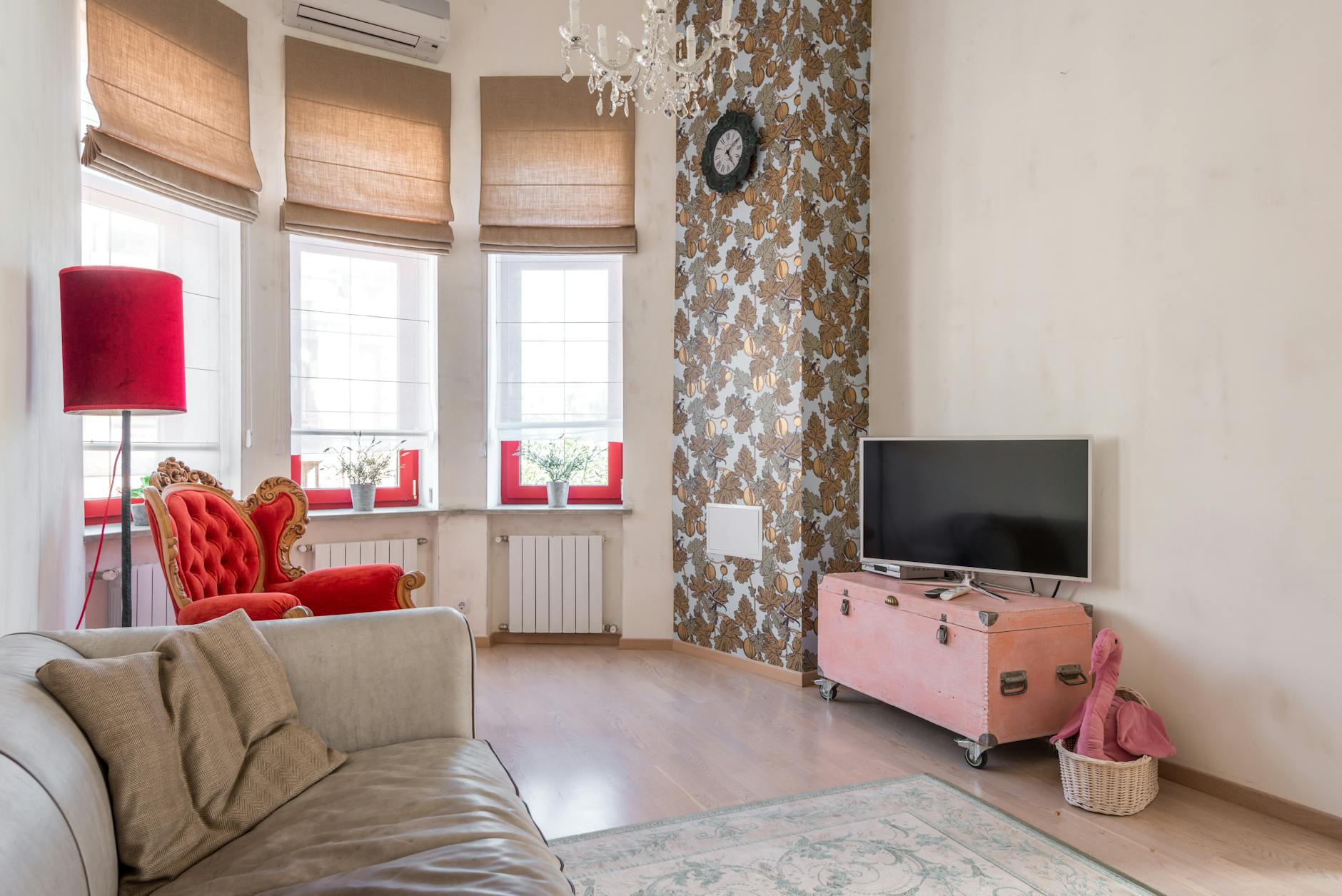
Timeless design transcends trends and fads, rooted in principles of harmony, balance, and functionality. Elements considered timeless—such as classic furniture shapes, neutral color palettes, and high-quality materials—create a sense of permanence. These designs often draw inspiration from historical styles, ensuring that they remain relevant through changing tastes.
A well-designed timeless space can evoke feelings of warmth and sophistication. For example, the use of hardwood flooring, crown molding, and classic wall treatments like wainscoting or coffered ceilings can seamlessly blend with modern aesthetics while retaining their traditional appeal. The careful selection of furniture pieces that have stood the test of time, such as a Chesterfield sofa or a Bergère chair, can add character and depth to a living environment.
Moreover, timeless interiors are inherently functional. An enduring design considers the needs of its occupants and promotes a purposeful use of space. Thus, throughout the years, these designs often require less renovation, making them not only aesthetically pleasing but also cost-effective.
The Impact of Trendy Design
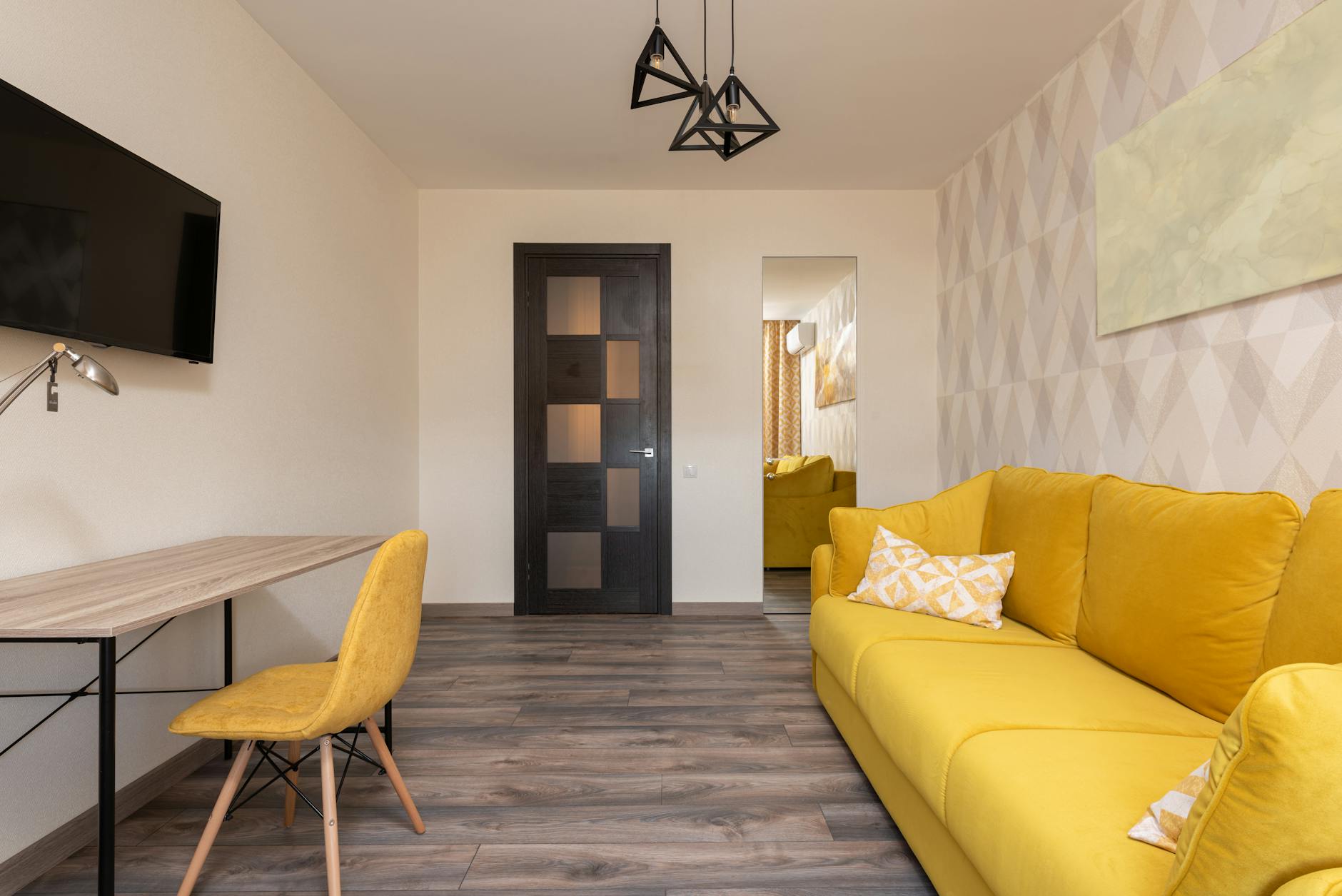
Trendy design, on the other hand, thrives on innovation and experimentation, often emphasizing the uniqueness of a moment in time. These spaces can convey a certain energy and excitement, appealing to those looking to make a statement. However, trends can be fleeting; what is en vogue today may feel outdated tomorrow. This constant change can lead to a cycle of renovation and replacement that detracts from the sustainability of a home.
For instance, the rise of open-concept living spaces and bold accent colors are representative of recent trends that encourage a more casual, interactive lifestyle. While these features may initially feel fresh and invigorating, they risk falling out of favor as tastes evolve. Additionally, trends often emphasize aesthetics over functionality, leading to impractical choices that may not serve the needs of daily life.
Trendy designs often borrow from various stylistic movements, combining eclectic elements from minimalism, bohemian influences, and mid-century modernism in a single space. While this can create visually striking interiors, it poses challenges in creating a cohesive look that endures through time. Furthermore, the reliance on trends can often lead to a lack of personal identity in the design, leaving spaces feeling more like a reflection of current fashion than a true representation of the inhabitant’s style.
Finding Balance: A Hybrid Approach
Rather than choosing between timeless and trendy, many designers and homeowners are finding ways to harmonize both concepts. By incorporating timeless foundational elements with selective trendy accents, individuals can create spaces that feel both current and enduring. This approach allows for personal expression while maintaining a sense of stability within the design narrative.
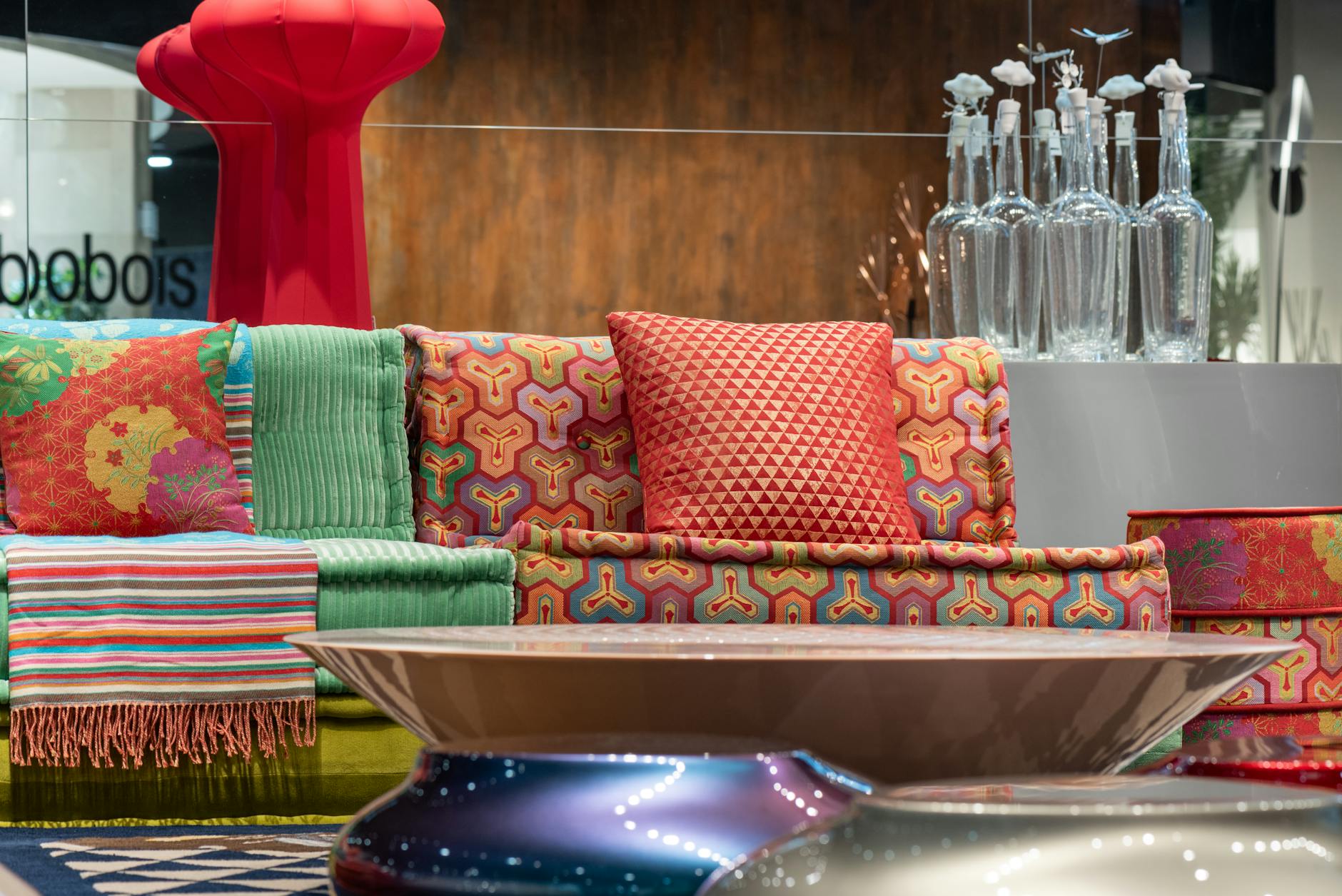
One effective method is to start with a neutral base—a well-structured sofa, classic wood cabinetry, and timeless light fixtures. From there, homeowners can introduce seasonal trends through accessories such as throw pillows, artwork, and even paint colors. This ensures that the core of the design remains stable, while still allowing for fresh updates that reflect current preferences.
Moreover, strategic layering can play a pivotal role in this balance. Carefully chosen decor items, such as a trendy rug or a contemporary piece of art, can add vibrancy without overwhelming the fundamental design. This allows designers to cultivate a unique space that feels alive and responsive to the occupants without sacrificing timeless elegance.
“A well-rounded design is one that celebrates the past while embracing the present.” – Renowned Designer
Ultimately, the tension between timeless and trendy in elite interior design reflects broader societal values and aspirations. A space marked by timelessness can evoke feelings of nostalgia and comfort, while trendy designs inject life and vibrancy into our everyday routines. Successfully navigating this dichotomy lies in understanding the individual’s lifestyle, priorities, and preferences.
A well-designed space becomes more than just a reflection of style; it serves as a canvas for memories and experiences, standing the test of time while still allowing for moments of spontaneity. As interior design continues to evolve, the integration of timeless and trendy elements represents an opportunity to create unique environments that resonate with both heart and mind.
