
In the ever-evolving world of interior design, one of the most significant yet often overlooked aspects is the origin and provenance of materials and furnishings. Understanding where our items come from and their historical significance not only enriches our environments but also informs our choices and values as consumers. In this article, we will explore how provenance impacts design aesthetics, the sustainability movement, and the cultural narratives we weave into our spaces.

Craftsmanship and Design Aesthetics
The craftsmanship behind a piece of furniture or décor item often tells a story that transcends its physical appearance. For example, Scandinavian designs, known for their minimalist style, often emphasize natural materials and functionality, reflecting the region’s cultural values and resource constraints. By choosing pieces with a known origin, designers can create a narrative in a space that enriches the visual experience.
Items with a known provenance allow for a deeper understanding and appreciation of craftsmanship. When selecting a vintage Persian carpet or a handcrafted pottery item from a local artisan, consumers are not just purchasing an object; they are investing in a story that embodies traditions, techniques, and cultural nuances. Such insights can evoke a sense of connection and belonging, making a house feel like a home.
Moreover, well-sourced pieces can serve as conversation starters. Imagine welcoming guests into your living room adorned with tribal masks from West Africa or furniture crafted from reclaimed wood sourced from old barns. Each item not only adds aesthetic value but also engages visitors in discussions about culture and history, enriching social gatherings and the overall atmosphere of the space.
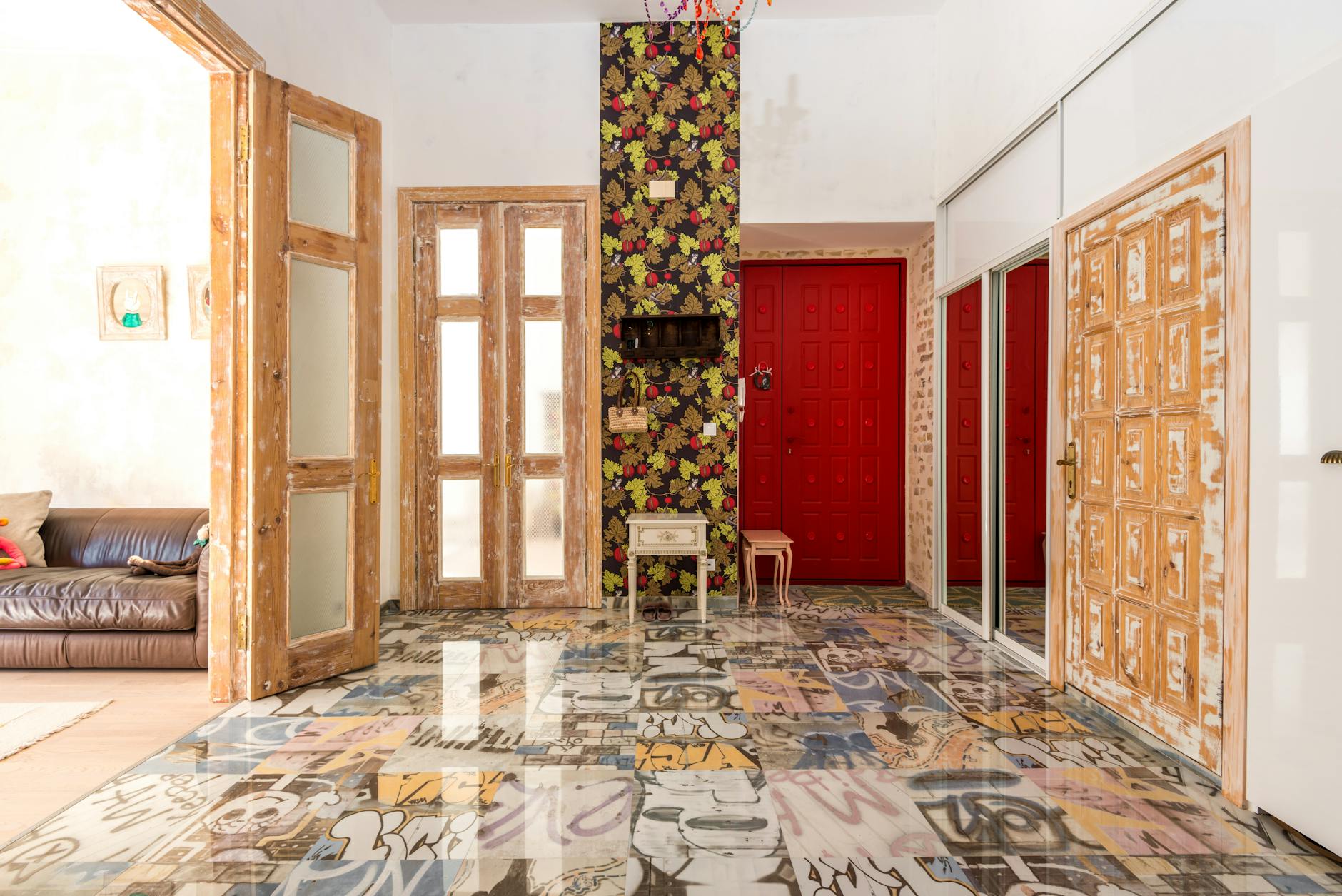
Sustainability in Sourcing
In recent years, the sustainability movement has gained momentum, prompting individuals to reconsider their consumption habits. The origin of products significantly impacts their sustainability, and understanding this connection is vital for responsible interior design. Sourcing materials ethically promotes environmental stewardship and supports local economies, fostering a positive impact on communities.
For instance, choosing sustainably harvested wood reduces deforestation and promotes responsible forestry practices. Items made from reclaimed materials not only minimize the carbon footprint associated with new manufacturing but also preserve historical elements. When integrating such pieces into a design, homeowners contribute to a circular economy while enjoying unique aesthetic qualities.
Moreover, selecting items from local artisans reduces transportation emissions, fostering a sense of community and supporting small businesses. The rise of “buy local” campaigns underscores the importance of provenance in promoting sustainable practices. By opting for locally-sourced décor, we can create spaces that echo the personality of their geographical context, thus enriching our living environments.

The Cultural Narrative of Spaces
Every item in a room has the potential to tell a story, revealing layers of culture, history, and identity. By consciously incorporating pieces with known origins, we are able to curate an environment that reflects our own values and narratives. This cultural resonance can be particularly poignant in multicultural cities, where influences from various backgrounds coexist.
Artworks, furnishings, and decorative items from diverse cultures can create a tapestry of narratives that honor different heritage while fostering inclusivity. For instance, a Japanese tea set, an African textile, or an Italian ceramic can sit harmoniously together, celebrating the beauty of cultural exchange. Each piece serves as a reminder of our shared humanity and the stories woven into our lives.
Additionally, understanding provenance enhances the emotional connection individuals feel to their environment. When we learn about the indigenous practices that inspired a piece of furniture or textile, we foster empathy and a deeper appreciation for the artisans’ skills and their cultural significance. Thus, spaces become more than just a collection of objects; they transform into a narrative landscape reflecting history and tradition.
“The origin of a piece is more than its background; it is an integral part of its identity.”
Modern Challenges and Embracing Authenticity
In a world dominated by mass production and consumerism, the importance of origin and provenance can sometimes get lost. The proliferation of cheap, mass-manufactured items creates a challenge for authentic design. As consumers, there is a responsibility to seek out quality over quantity, embracing pieces that are not only aesthetically pleasing but also meaningful.
Amidst this challenge, many designers are championing authenticity and are dedicated to establishing transparent supply chains. By partnering with artisans and craftspeople who prioritize skill and heritage over sheer volume, designers can curate collections that celebrate origin. In doing so, they assert that every item, whether a piece of art or a dining table, carries a legacy worth preserving.
Creating a home with purpose—investing in items with a rich backstory—encourages a lifestyle that values authenticity over trendiness. This mindful approach to interior design creates spaces filled with character and individuality, pushing against the tide of fleeting fashion.

As we navigate the complexities of contemporary living, the importance of origin and provenance in interior design grows ever more relevant. By embracing this ethos, we can forge spaces that are not only visually compelling but also rich in narrative and context. As we select pieces for our homes, let us prioritize awareness of where our items come from—infusing our environments with meaning and celebrating the diverse stories that shape our world.
