
In the bustling corridors of contemporary design, minimalism stands as a serene oasis—a movement that transcends mere aesthetics to embody a philosophy of life. Rooted in simplicity, functionality, and the reduction of excess, minimalist design has evolved into a cultural phenomenon that resonates with our modern sensibilities. But why has minimalism transformed from a fleeting trend to a revered aspect of modern heritage? This exploration delves into the origins, influences, and enduring relevance of minimalism in today’s world.
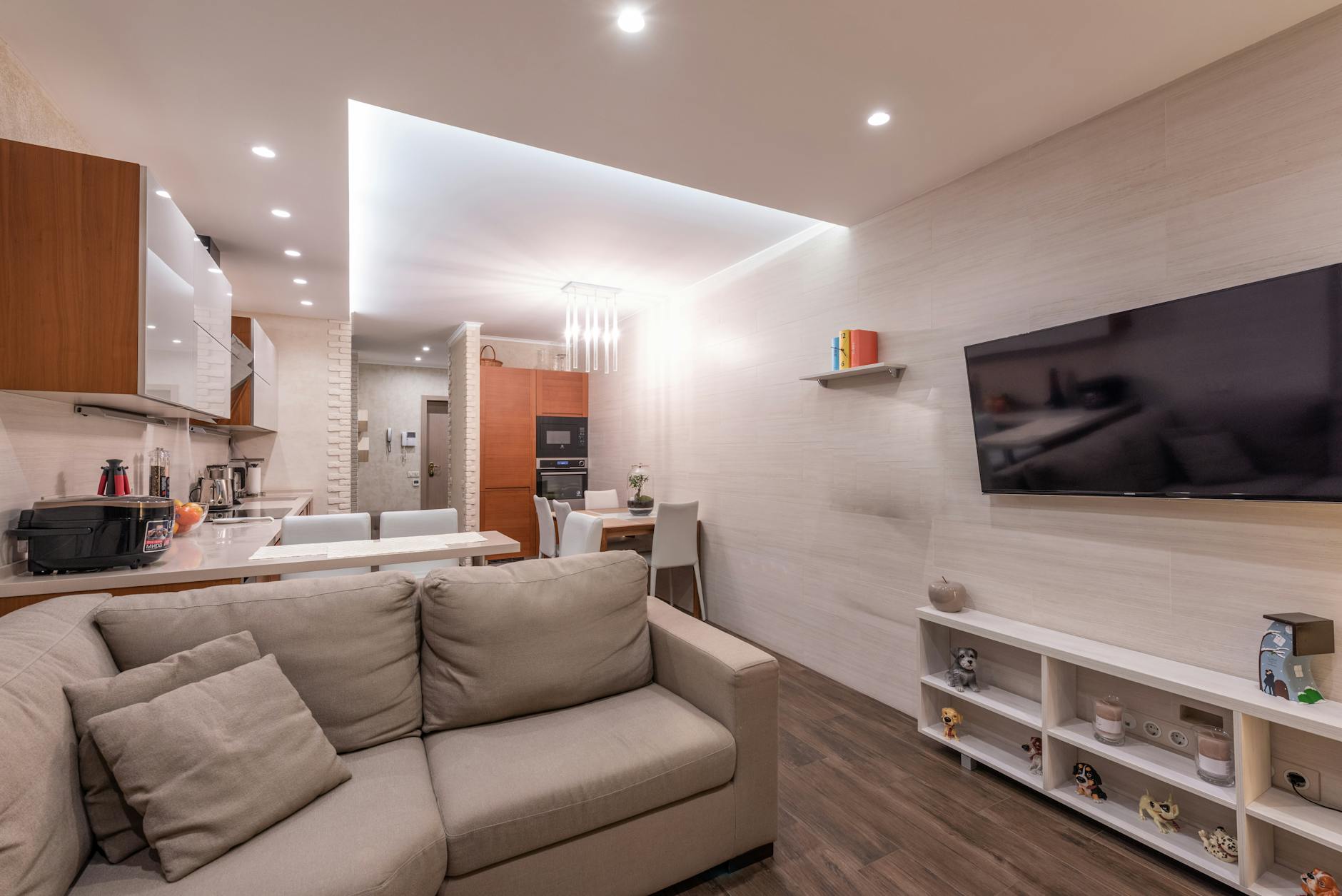
The Origins of Minimalism
Minimalism emerged as a counter-movement in the mid-20th century, primarily in response to the ornate, heavy designs that characterized previous eras. Influenced by movements such as the Bauhaus and Japanese aesthetics, minimalism emphasizes simplicity and the idea that “less is more.” Designers and architects such as Ludwig Mies van der Rohe and Tadao Ando shaped this ethos, advocating for spaces that prioritize function without the clutter of unnecessary ornamentation.
This design philosophy mirrored broader cultural shifts during the late 20th century. As the world faced rapid industrialization and urbanization, many began to crave simplicity amid chaos. The quest for serenity found its expression in the minimalist movement, which sought to strip away the superfluous and focus on what truly matters—whether in art, design, or life itself.
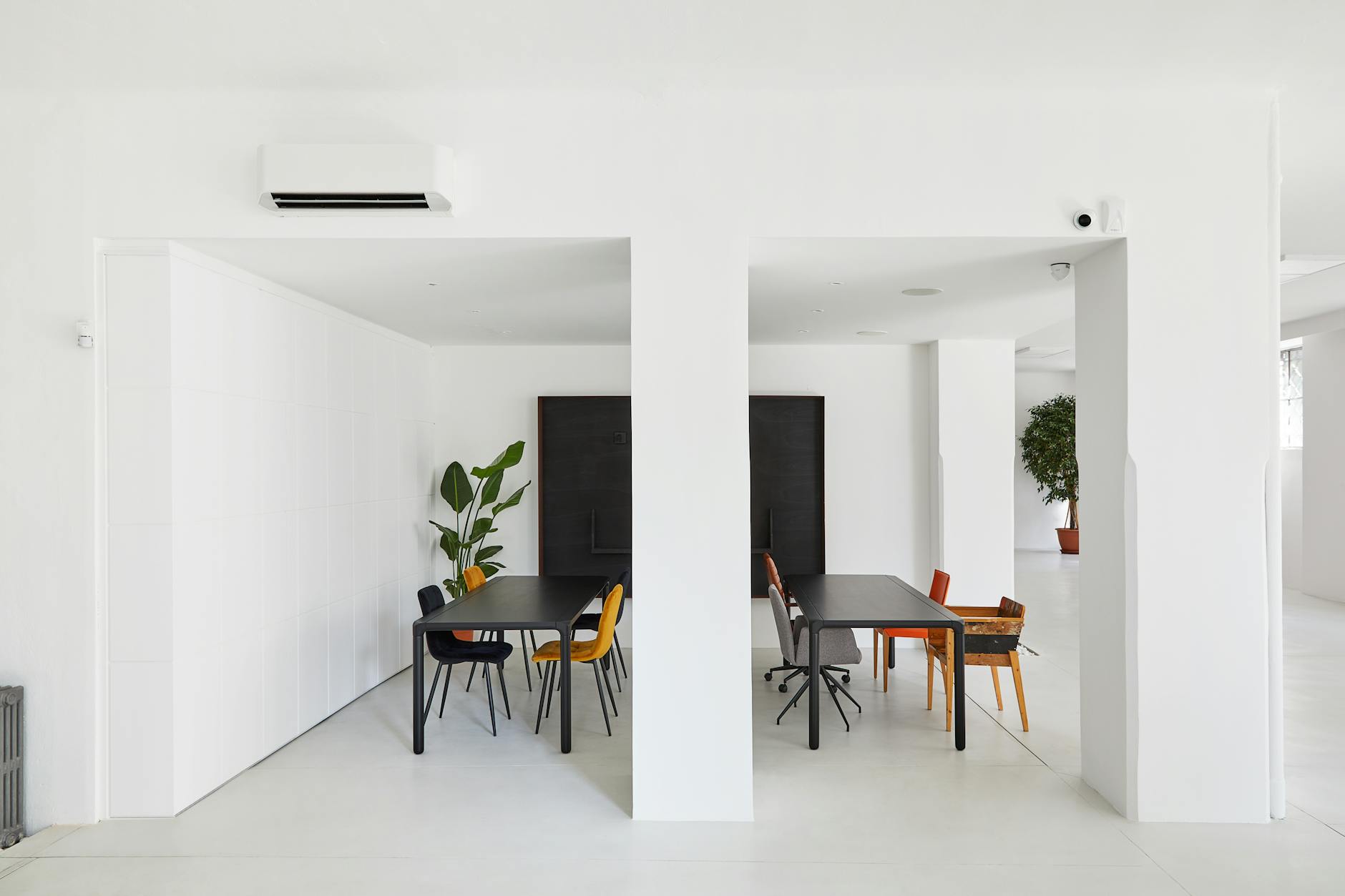
Influence of Technology on Minimalism
The advent of technology has played a pivotal role in cementing minimalism as a modern heritage. As our lives become increasingly intertwined with digital interfaces, the need for clarity and simplicity has never been more pressing. Technology encourages a streamlined approach to living, pushing us towards environments that foster focus and mindfulness. This need aligns perfectly with minimalist principles, where clutter is not just physical but digital.
Moreover, the rise of smart homes exemplifies how minimalist design principles integrate seamlessly with technology. Devices that prioritize functionality—such as hidden wiring, integrated storage solutions, and the use of space-saving furniture—reflect minimalist values. These innovations allow for the creation of homes that are not only visually appealing but also efficient, thus saving both time and energy, which are invaluable in a fast-paced world.
Sustainability and Minimalism: A Perfect Match
Today’s environmental concerns have also played into minimalism’s rise as a modern heritage. The aesthetic’s focus on quality over quantity aligns perfectly with sustainable living, where the goal is to create spaces that are not only beautiful but also environmentally responsible. Minimalism encourages individuals to purchase fewer, high-quality items that will last over time—an ethos that counters the culture of fast consumption.
In many ways, minimalism becomes a lifestyle choice rooted in sustainability. By reducing our possessions and being more selective about what we bring into our homes, we contribute to a lower carbon footprint. The minimalist home often incorporates natural materials, energy-efficient designs, and a strong connection to nature, fostering a meaningful coexistence with our planet. This sustainable approach has led many to adopt minimalist principles not just as a design choice but as a necessary lifestyle adjustment.
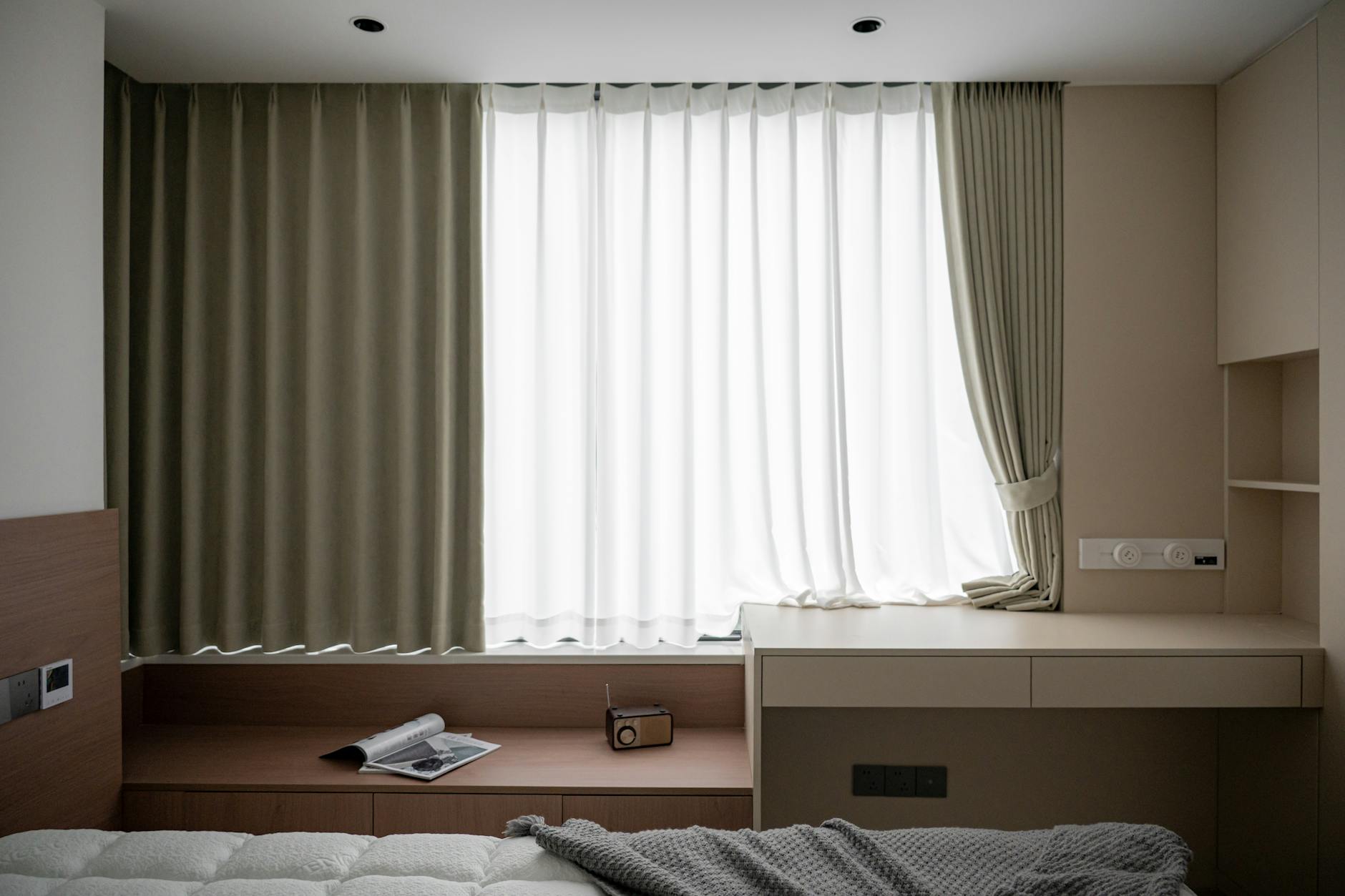
The Emotional Resonance of Minimalism
Minimalism’s appeal also lies in its emotional resonance. In a world replete with distractions and demands, minimalism offers a sense of calm and clarity. Spaces designed with minimalist principles can evoke feelings of peace and tranquility, as their clean lines and open spaces allow for mental breathing room. This emotional depth is particularly crucial in areas like bedrooms and living rooms, where individuals seek refuge from the external chaos of daily life.
Furthermore, the intentionality behind minimalism fosters a mindset of mindfulness. By reducing the number of items in our space, we learn to appreciate the beauty of simplicity and the importance of our surroundings. This emotional connection to our environments has led many to find purpose in curating their living spaces, ultimately enhancing their quality of life.
“The beauty of minimalist design is that it not only creates beautiful spaces but also cultivates a beautiful mindset.”
Minimalism in Contemporary Design
Today, minimalist design can be found in various sectors, from architecture and interior design to fashion and product design. Contemporary designers are exploring new interpretations of minimalism, blending it with local cultural elements to create unique yet simple solutions. This adaptive nature allows minimalism to remain relevant, catering to diverse tastes while retaining its core values.
For instance, many cities are embracing minimalist urban planning, emphasizing open spaces, greenery, and well-designed public areas. These spaces reflect the minimalist principles of functionality and beauty, encouraging community interaction while providing a retreat from urban sprawl. The integration of nature in these designs fosters a healthier, more balanced lifestyle, linking individuals to their environment in meaningful ways.
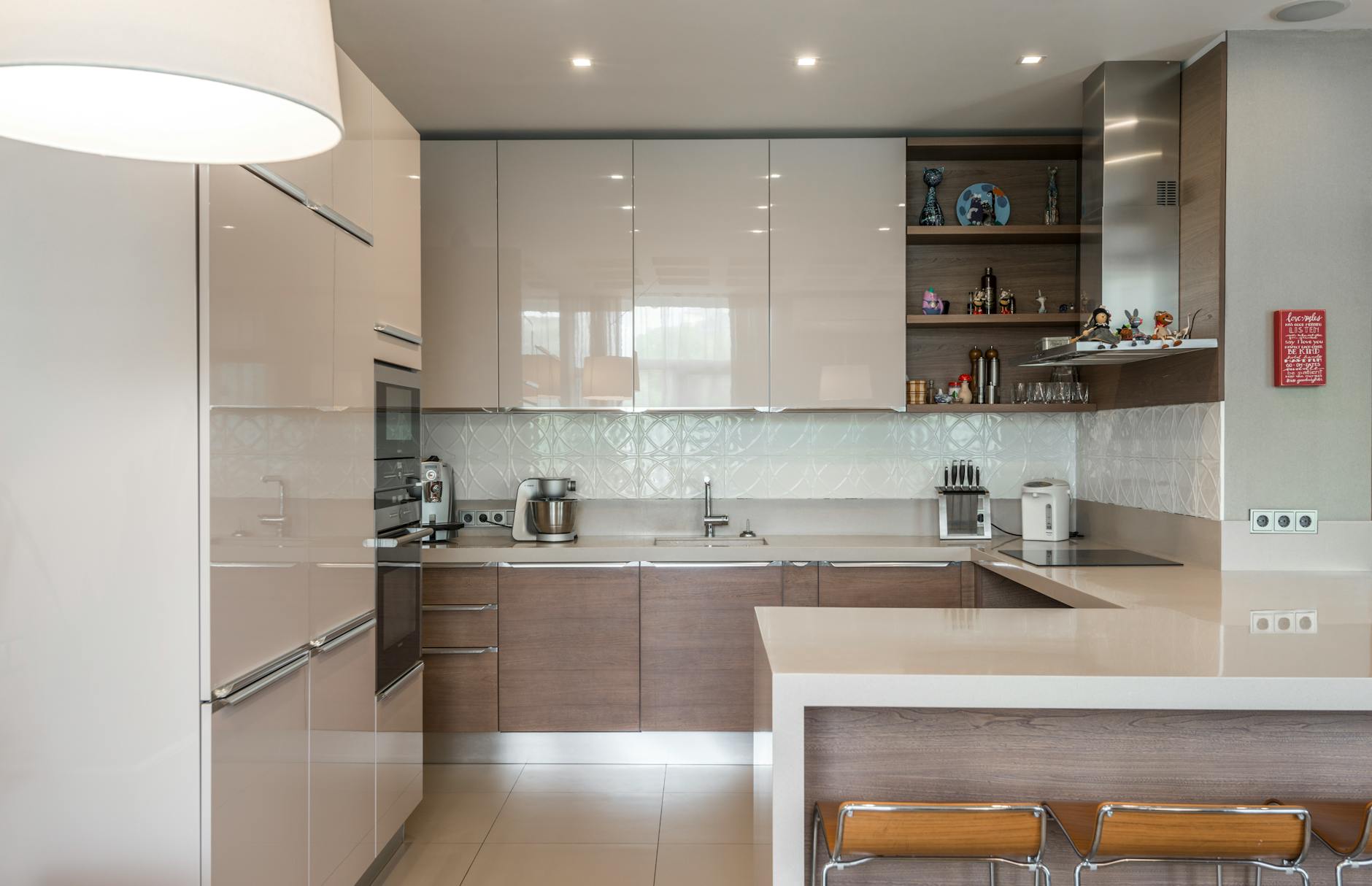
Furthermore, brands are recognizing the financial and ethical implications of minimalism. Retailers are streamlining their offerings to align with customer desires for quality over quantity, creating collections that reflect a minimalist lifestyle. This strategic shift not only meets consumer needs but also cultivates brand loyalty through authenticity and sustainability.
The Future of Minimalism
As we gaze into the future, the evolution of minimalism appears promising. The movement has not only established its place in design but has also cultivated a deep-rooted philosophy that transcends aesthetics. As societal values shift towards mindfulness, sustainability, and quality of life, minimalism stands ready to adapt and thrive. It invites us to reflect on our relationships with our possessions and environments, urging us to create spaces that truly resonate with our values and lifestyles.
In this rapidly changing world, the legacy of minimalism—its ability to evoke simplicity, serenity, and sustainability—will undoubtedly continue to shape contemporary design and individual lifestyles. What started as a mere design movement has morphed into an enduring cultural heritage, embodying the ideals of modern living.
