
In the world of elite events, fashion serves as more than just a means of dressing; it becomes a language of its own, communicating status, taste, and sometimes rebellion. From galas and award shows to charity balls and exclusive parties, what people wear is often dictated by a complex interplay of cultural norms, personal expression, and sometimes even political statements. In this exploration, we delve deep into the intricate tapestry of fashion choices at elite events, unearthing the layered meanings behind each ensemble and what they signal about the wearers.
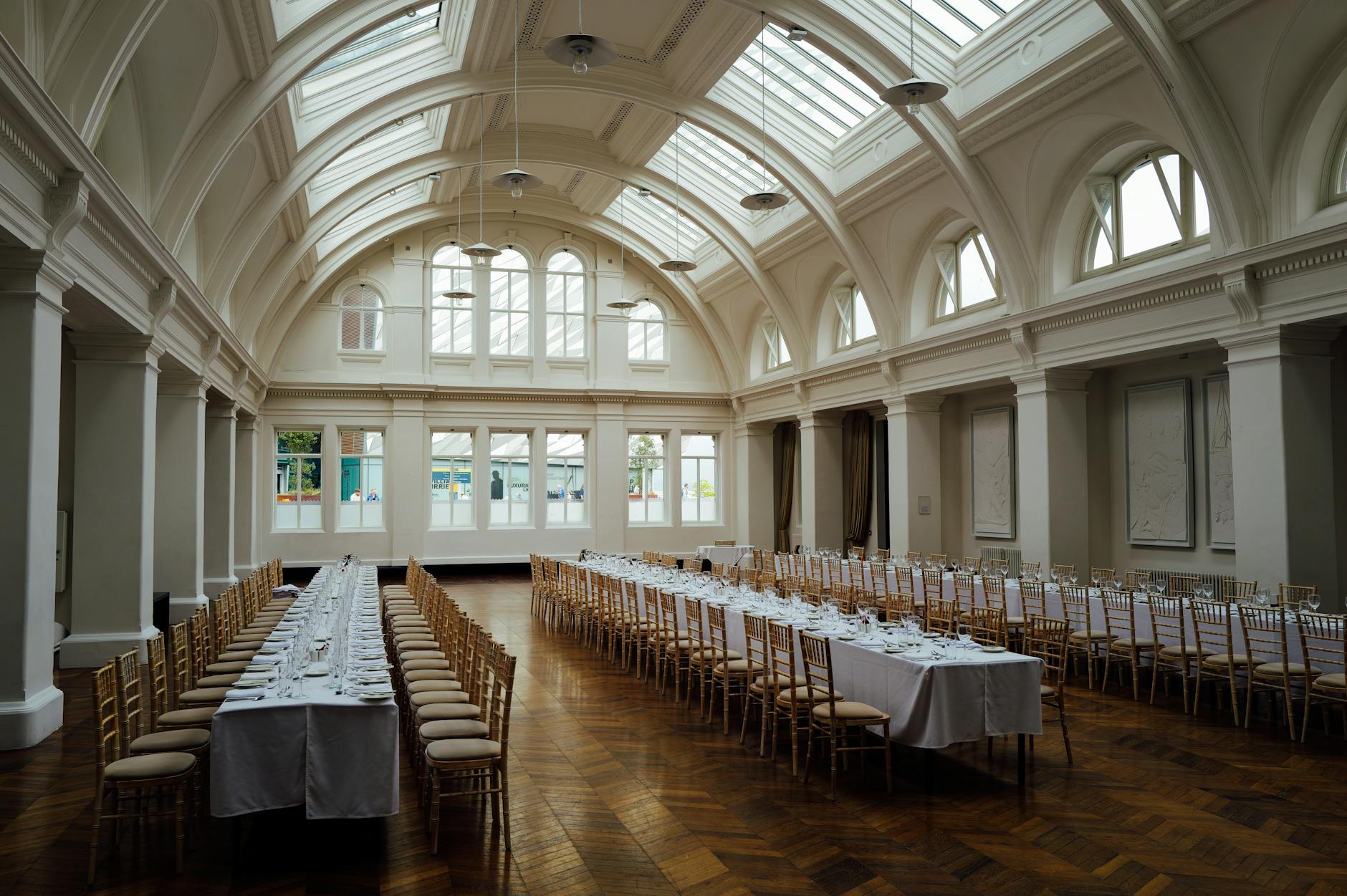
The Dress Codes That Define Elite Events
Elite events typically come with an accompanying dress code that offers both guidance and constraints. Understanding these dress codes is essential for anyone looking to navigate the high-fashion landscape. The most common dress codes include black tie, white tie, cocktail, and formal. Each comes with its specific expectations:
- Black Tie: Traditionally reserved for evening events, black tie attire requires men to wear a tuxedo and women to don floor-length gowns or upscale cocktail dresses. The focus here is on elegance and understated sophistication.
- White Tie: The most formal of all dress codes, white tie mandates men wear a tailcoat and women must wear formal ball gowns. This code often attends state dinners or high-profile charity events, and it allows for the most extravagant fashion choices.
- Cocktail: A step down from the previous two, the cocktail dress code invites creativity. Men typically wear dark suits while women can choose stylish cocktail dresses. This code allows for more color and personal flair.
- Formal: This code is general and can vary widely. It usually calls for dresses or suits that display elegance without adhering strictly to any previous categories.
The adherence to these dress codes not only elevates the event’s decorum but also acts as a social equalizer. For example, a simple black dress worn by a guest can sometimes convey the same level of effort as an intricately designed gown, allowing individuals to express personal style while remaining respectful of the event’s formality.
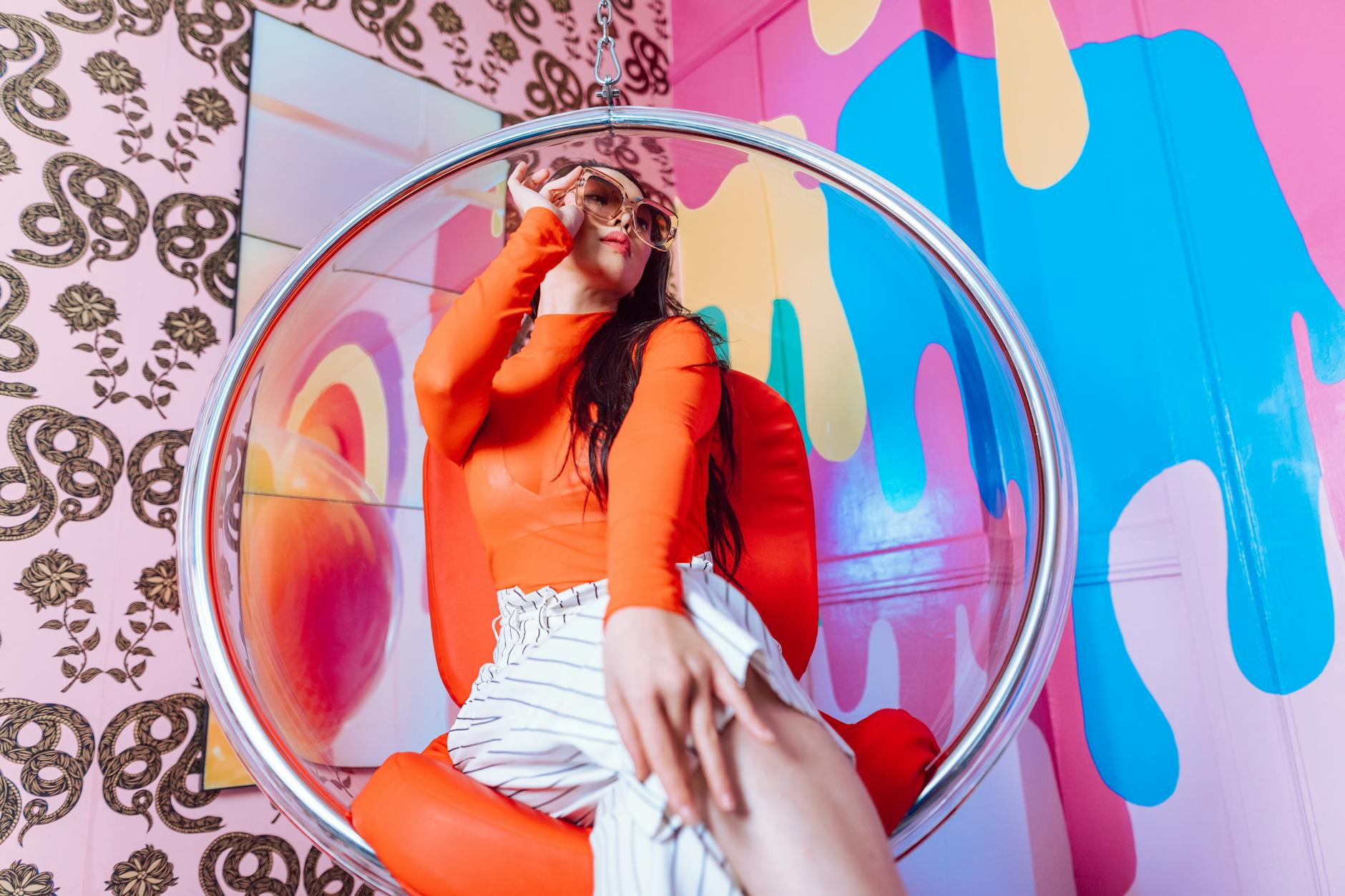
Fashion as a Narrative: Personal Stories and Cultural Influence
At elite events, clothing often tells stories. Designers channelling their heritage, celebrities making political statements, and attendees expressing their individuality through fashion choices all contribute to a rich narrative thread. Consider the case of celebrities who choose to wear sustainable brands or attire made from recycled materials. Beyond just a fashion choice, it becomes a powerful statement on environmental issues, resonating with many attendees and observers alike.
A notable example is actress Emma Watson, who has frequently used red carpet appearances to advocate for sustainable fashion. By wearing outfits sourced from eco-friendly designers or vintage collections, she not only brings attention to her cause but also inspires others to reflect on the impact of their fashion choices. As more attendees adopt similar philosophies, the conversation around ethical fashion continues to evolve within elite spaces.
Moreover, cultural influences play a significant role in the fashion displayed at elite events. Designers from diverse backgrounds infuse their heritage into their collections, challenging conventional fashion narratives. This cultural infusion creates a richer visual experience at events, with guests showcasing garments that tell a story about their roots or beliefs. When a guest wears a traditional piece—be it from an indigenous culture or a modern reinterpretation—it can prompt meaningful dialogues on inclusivity and representation in the fashion industry.

Trends and Shifts in Elite Fashion
The landscape of elite fashion is ever-changing. Recent years have witnessed a surge in trend statements that challenge traditional aesthetics. For instance, the rise of gender-fluid fashion has led to a blurring of lines regarding what is deemed appropriate for men and women. The 2020 Met Gala, themed “About Time: Fashion and Duration,” saw guests like Billy Porter and Harry Styles don outfits that defied conventional gender norms, thus making a bold statement about identity and personal expression.
Additionally, the pandemic has instigated a shift towards comfort without sacrificing style. In 2021, many elite events opted for hybrid formats, leading guests to adopt a more relaxed yet stylish approach to what was once rigidly formal. This shift is indicative of broader societal transformations, suggesting that even elite fashion can adapt to contemporary lifestyles. Designers responded with collections that merged classic elegance with modern sensibilities, enabling wearers to feel both comfortable and chic.
Furthermore, the influence of social media cannot be understated. Platforms like Instagram and TikTok have democratized fashion consumption, allowing attendees to spotlight their outfits, thus inspiring others. This visibility amplifies trends, making statements like “micro-trends”—those fashions that come and go quickly—easier to emerge. When someone showcases a unique outfit for an elite event online, it can ripple through social circles and beyond, influencing the fabric of future events.
Conclusion: The Societal Significance of What We Wear
What people wear to elite events serves as a window into the prevailing attitudes of society, reflecting not only personal style but also broader cultural movements. Every gown, tuxedo, or chic cocktail number is imbued with layers of meaning that extend beyond mere fabric and thread. As societal values continue to evolve, so too will the fashion choices made at elite events, ensuring the conversation around style remains dynamic and relevant.
As we observe the kaleidoscope of fashion at these prestigious gatherings, it becomes clear that clothing is not just a choice; it is a statement—one that resonates deeply within the cultural consciousness.
