
Deserts are often characterized as barren, lifeless expanses where few creatures can thrive. However, this popular perception is misleading. In truth, deserts offer some of the most breathtaking landscapes and rich biodiversity on our planet. Beyond their arid appearances, these ecosystems are teeming with life and reveal unique geological features, cultural histories, and fascinating weather patterns. In this article, we will explore some of the world’s most incredible deserts, delving into their remarkable characteristics and what makes them truly special.
The Sahara Desert: A Sea of Sand
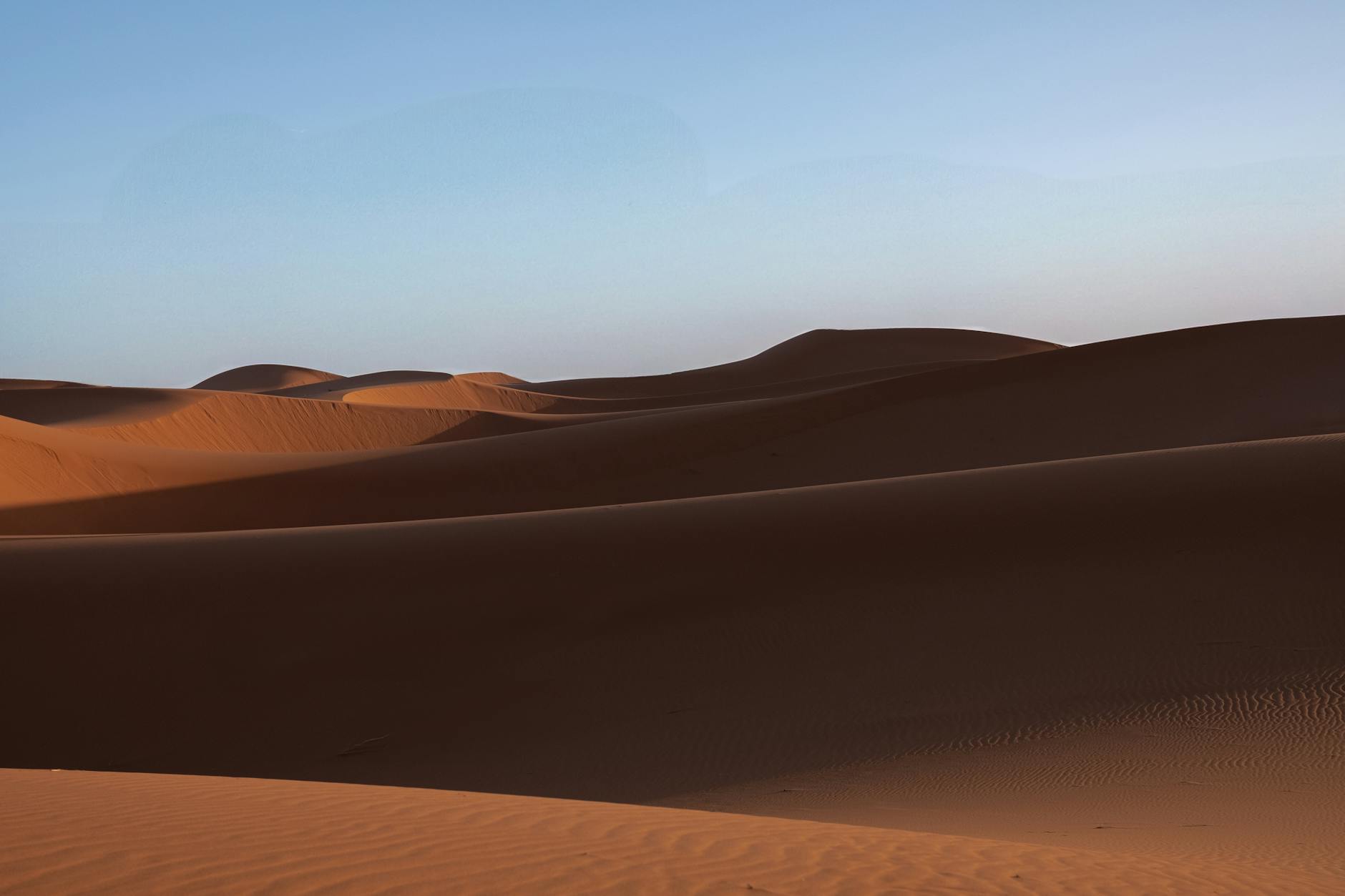
The Sahara Desert, the largest hot desert in the world, stretches over 9 million square kilometers across North Africa. Home to stunning sand dunes that can reach heights of up to 250 meters, the Sahara is a vast sea of golden grains. However, beneath its surface lies an astounding variety of ecosystems, ranging from rocky plateaus to salt flats, and even oases that burst with life in an otherwise inhospitable landscape.
Despite its reputation as a barren wilderness, the Sahara is home to numerous flora and fauna. Many plants have adapted to the harsh conditions, including the resilient acacia tree and the hardy date palm. Wildlife such as the addax antelope, desert fox, and various reptiles have evolved to survive the extreme temperatures and scarce water sources. The cultural richness of the Sahara is also noteworthy. The Tuareg people, often referred to as the “Blue People,” navigate the desert with incredible skill, showcasing a deep understanding of the land’s geography and climate.
The Atacama Desert: The Driest Place on Earth
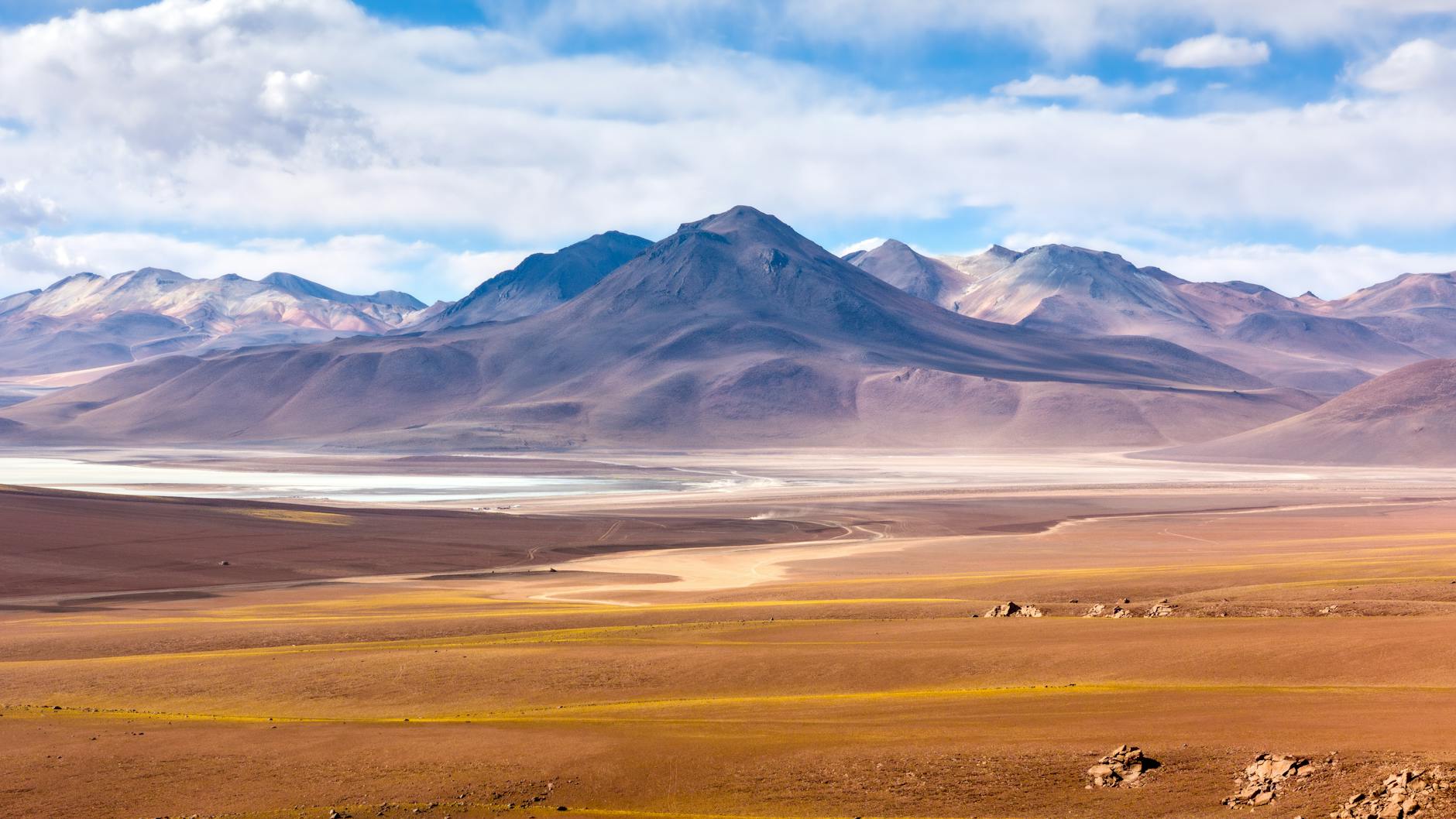
Located along the coast of Chile, the Atacama Desert is recognized as the driest non-polar desert in the world. Some weather stations in this region have recorded no rainfall for years, leading scientists to consider it an extreme example of aridity. However, despite the lack of moisture, the Atacama is characterized by its stunning landscapes, which include salt flats, volcanoes, and surreal rock formations. The Valle de la Luna (Valley of the Moon) is one of the most striking features of this desert, with its otherworldly terrain resembling the surface of the moon.
One of the remarkable adaptations in the Atacama are the incredibly resilient plants and animals that call this desert home. The “desierto florido,” or flowering desert, occurs during rare rainfall events when a kaleidoscope of wildflowers blankets the ground. Additionally, species such as the vicuña and various cacti thrive in this environment, marvelously adapted to the realities of their surroundings. The desert is also significant for astronomers, as its high-altitude, dry air, and lack of light pollution create optimal conditions for viewing the cosmos.
The Namib Desert: A Timeless Wonder
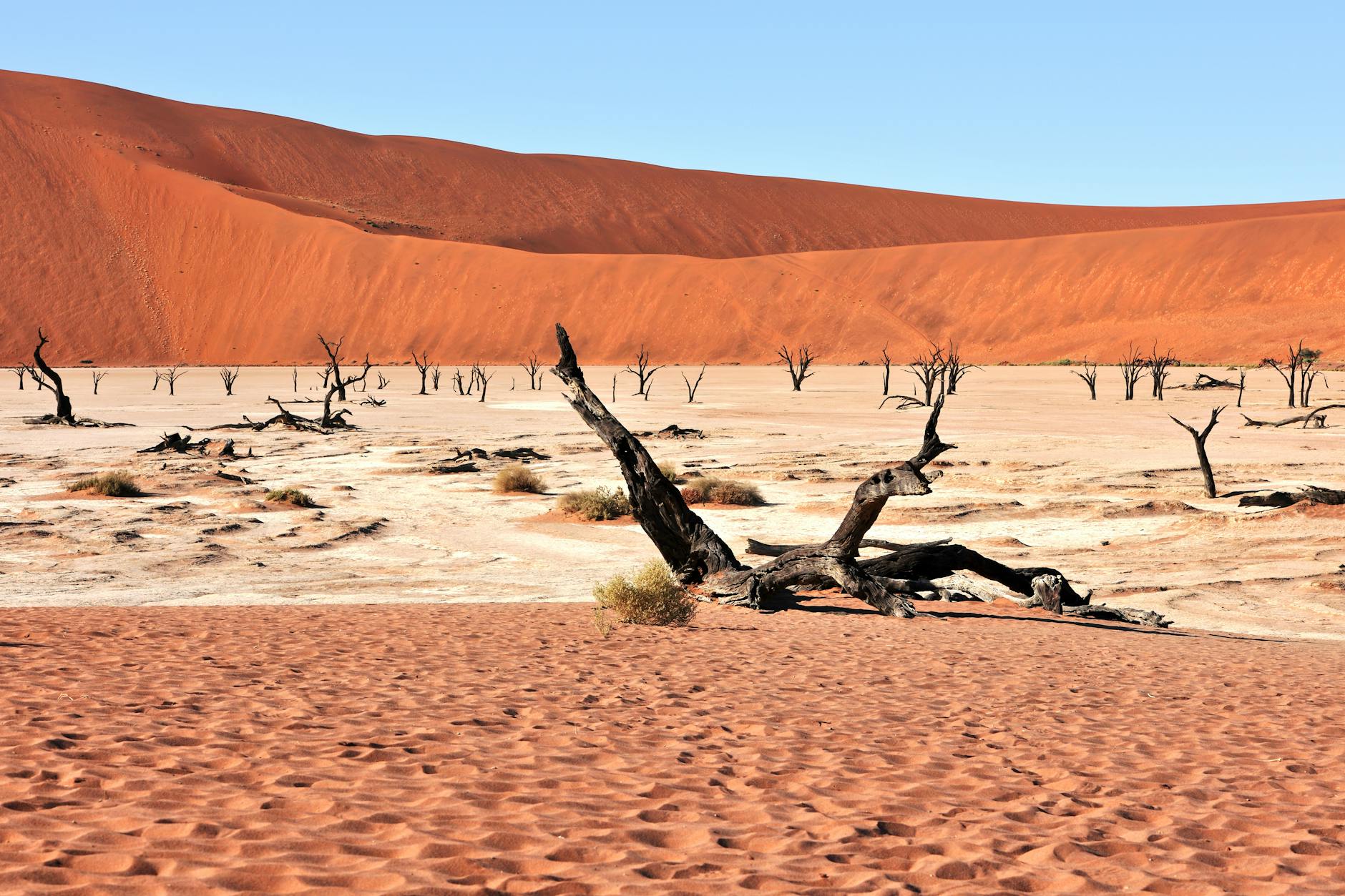
Situated along the southwestern coast of Africa, the Namib Desert is considered one of the oldest deserts in the world. Its name translates to “vast place,” and it encompasses a wide range of landscapes, including towering sand dunes, gravel plains, and the iconic Skeleton Coast. The Namib is famous for its massive sand dunes, some of which are among the highest in the world, reaching heights of over 300 meters.
What makes the Namib particularly captivating is its unique biodiversity. The desert is home to extraordinary species such as the Welwitschia plant, which can survive for over a thousand years, and the hardy desert-adapted elephants and lions that traverse these arid landscapes. The fog that rolls in from the Atlantic Ocean provides necessary moisture, creating a microhabitat that supports life in a place otherwise defined by its desolation. The Namib is also rich in cultural history, showcasing ancient rock engravings that tell the stories of the indigenous San people.
The Mojave Desert: A Geological Marvel
Located in Southern California, the Mojave Desert is distinguished by its unique geology and biodiversity. Spanning over 57,000 square kilometers, it plays host to iconic natural wonders like the Joshua Tree National Park. Characterized by its dramatic rock formations, cacti, and varied wildlife, the Mojave is a desert landscape that feels alive with color and texture.
The desert is not only stunning but also ecologically significant. Home to the endangered desert tortoise and the striking Joshua tree, the Mojave showcases a variety of ecosystems. The weather patterns in this region also contribute to its unique terrain, where temperature fluctuations can be extreme, ranging from scorching heat during the day to chilly nights. The Mojave is a canvas for adventurers, offering opportunities for hiking, rock climbing, and exploring the remnants of ancient volcanic activity.
The Gobi Desert: A Land of Contrasts
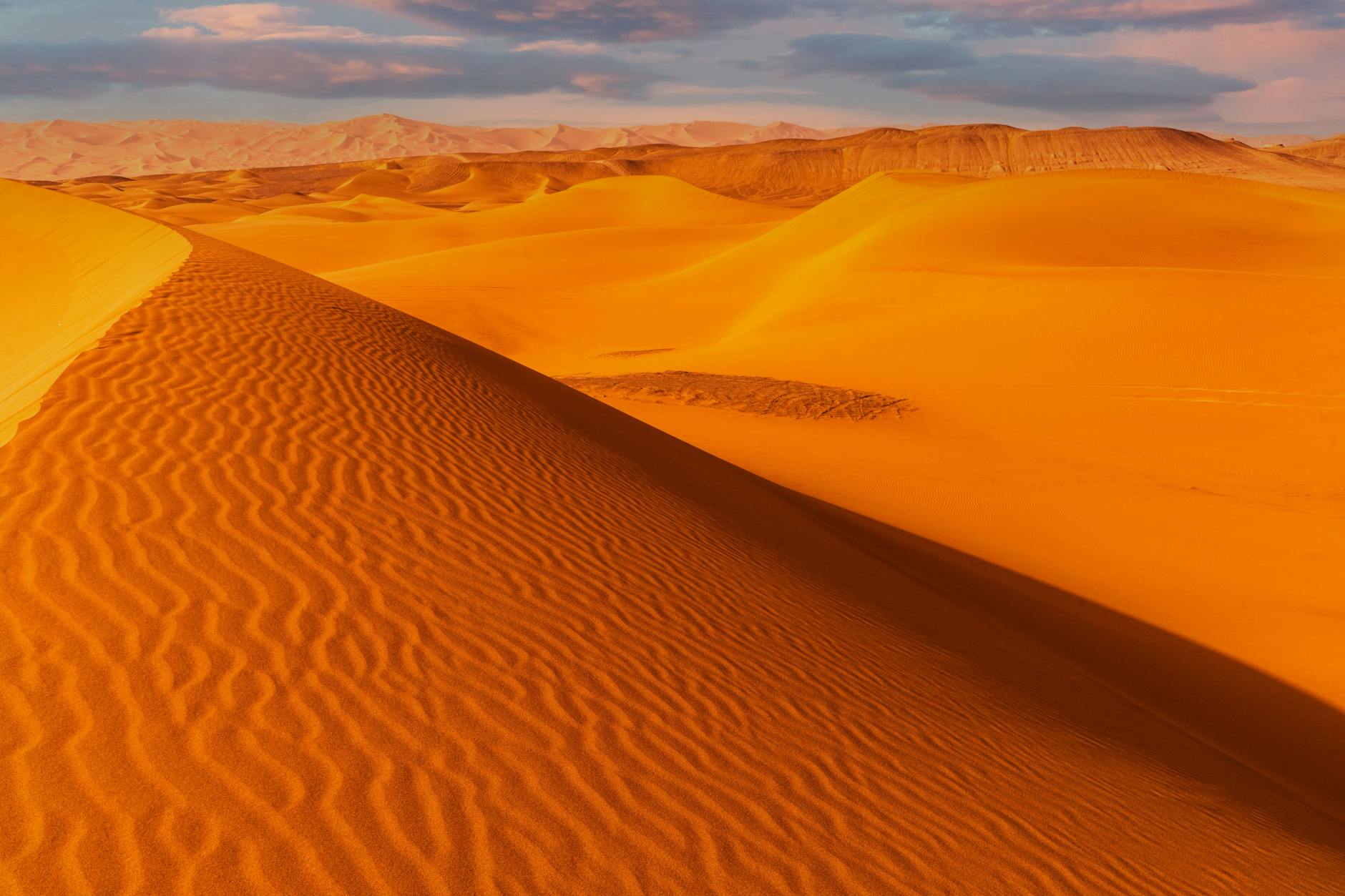
The Gobi Desert, spanning northern China and southern Mongolia, is known for its diverse landscapes that include vast sand dunes, rugged mountains, and grasslands. Unlike traditional deserts, the Gobi experiences significant temperature swings, making it one of the most extreme environments on Earth. It is classified as a cold desert, where winter temperatures can drop to -40 degrees Celsius, contrasting sharply with summer highs that can exceed 40 degrees Celsius.
This stark contrast in climate supports a surprising range of wildlife, including the rare Bactrian camel, snow leopards, and various species of gazelles. The Gobi is also culturally rich, steeped in the history of the Silk Road, where traders once traversed its challenging terrain to exchange goods between East and West. The Gobi’s ancient fossil beds have revealed significant discoveries, including dinosaur bones and other prehistoric remains, offering insight into the Earth’s compelling history.
In exploring these incredible deserts, we gain a deeper appreciation for the resilience of life in extreme conditions. Each desert presents a unique tapestry of landscapes, ecosystems, and cultural histories that captivate the imagination and inspire awe. From the vast expanses of the Sahara to the stunning features of the Atacama, Namib, Mojave, and Gobi, these deserts teach us about adaptation, survival, and the inherent beauty of our planet.
