
Africa, the second-largest continent, is a tapestry of diverse cultures, breathtaking landscapes, and rich histories. Traveling across Africa can be an exhilarating adventure, offering experiences that range from the lush rainforests of the Congo Basin to the arid deserts of the Sahara. However, with such a vast continent comes a host of factors to consider for a successful journey. This article outlines essential information and tips for traveling across Africa, ensuring you make the most of your experience.
Understanding the Diversity of Africa
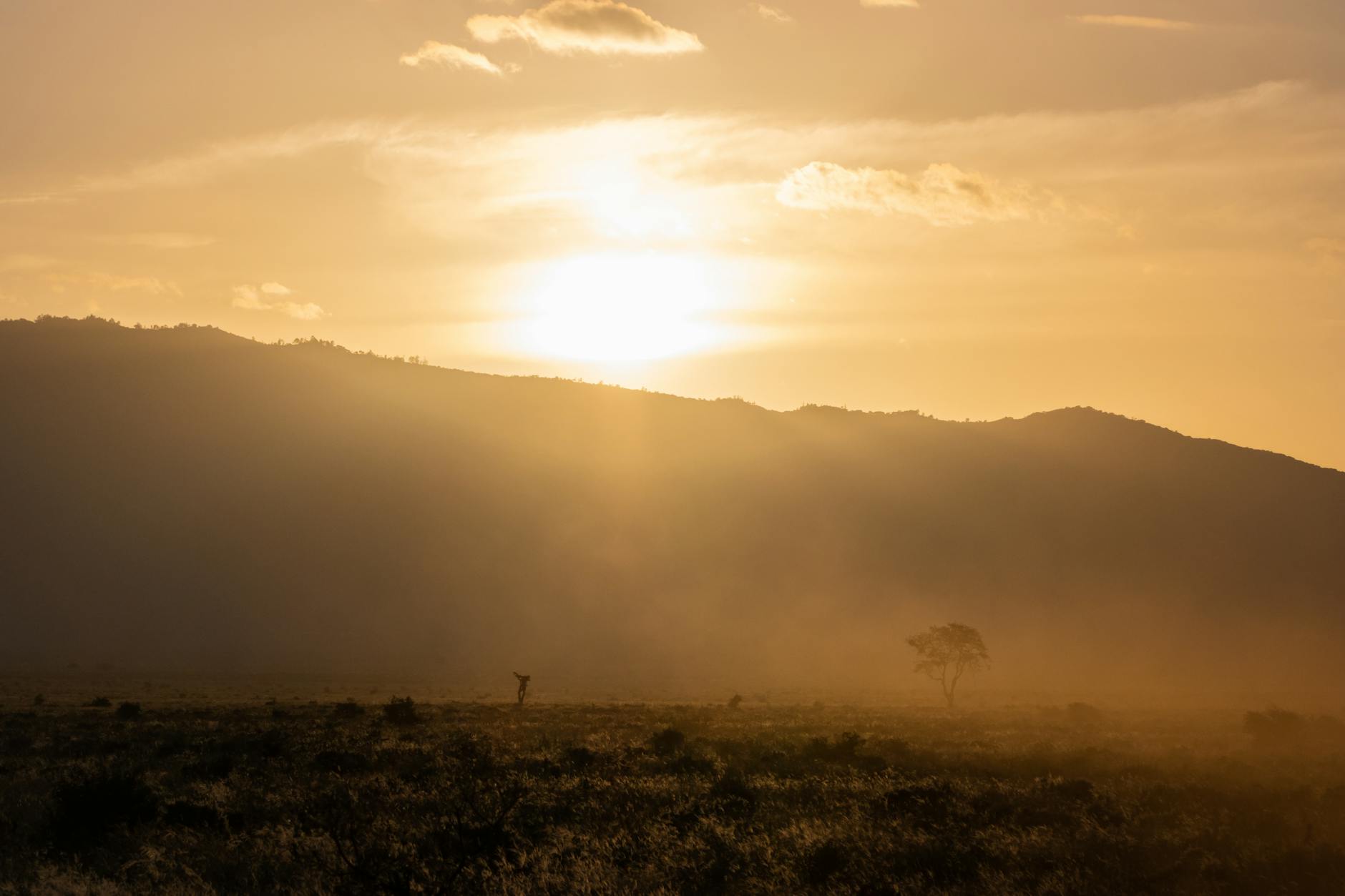
Africa is home to 54 countries, each with its distinct culture, languages, and customs. It is imperative to understand this diversity before planning your travel itinerary. For example, North Africa is largely influenced by Arab culture, whereas sub-Saharan Africa showcases a wide array of traditions and lifestyles stemming from indigenous tribes. Engaging with local communities can enhance your experience, allowing you to appreciate the continent’s rich heritage.
One of the most significant aspects of African culture is the hospitality of its people. From the Maasai warriors of Kenya to the Berber tribes of Morocco, locals often take pride in sharing their traditions with visitors. Learning a few basic phrases in local languages, such as Swahili or Arabic, can go a long way in building rapport and enriching your travels.
Planning Your Travel Itinerary
When traveling across Africa, planning is vital. The continent’s size and logistics can be daunting, so it’s beneficial to narrow your focus to specific regions or countries based on your interests. Popular destinations include Cape Town’s stunning coastlines and Table Mountain, the wildlife-rich Serengeti in Tanzania, and the ancient pyramids of Egypt. Researching the best times to visit these regions can help you avoid adverse weather conditions or overcrowding at tourist sites.
Transportation can vary significantly depending on the area. While major cities typically have reliable public transport, more remote areas may require a 4×4 vehicle or guided tours. Domestic flights are often the quickest way to travel between major cities, but overland journeys can provide a unique perspective of the rural landscapes and local communities.

Safety and Health Considerations
Your safety should always be a priority when traveling. Research the political climate and any travel advisories for the countries you plan to visit. While many regions in Africa are safe for tourists, some areas may have conflicts or issues that necessitate caution. It’s also wise to register with your country’s embassy upon arrival.
Health precautions are equally important. Vaccinations for diseases such as yellow fever, malaria, and Hepatitis A are often recommended. Carrying a first-aid kit and ensuring you have adequate travel insurance is advisable. Additionally, being conscious of food and water safety—such as drinking bottled water—can prevent many common health issues associated with travel in the region.
“Traveling in Africa can be both challenging and rewarding. Embrace the journey, and you’ll find unforgettable memories waiting for you.” – Travel Enthusiast
Engaging with Nature and Wildlife
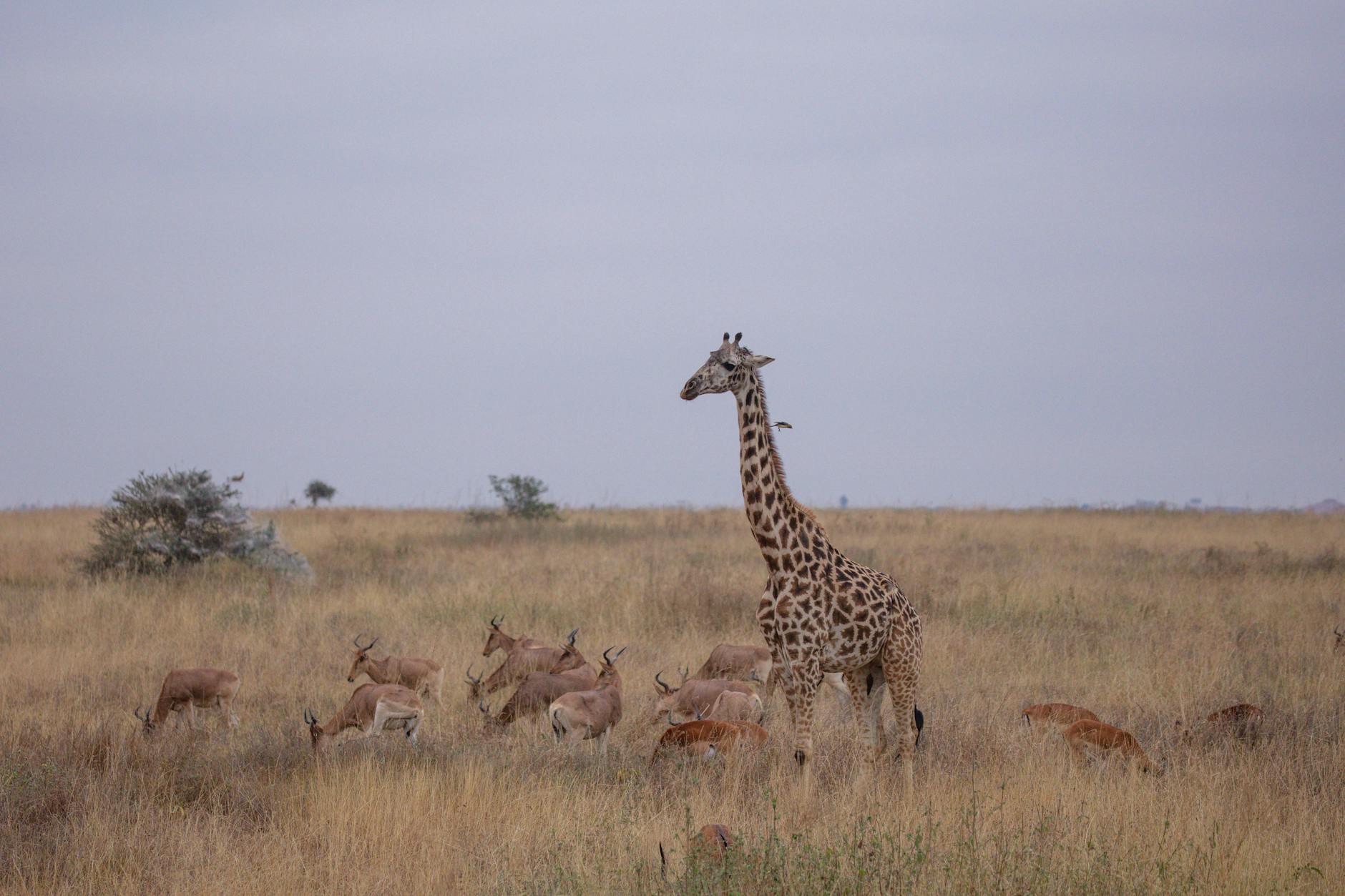
Africa boasts some of the world’s most iconic wildlife experiences, from the Great Migration in the Serengeti to gorilla trekking in Uganda. When planning wildlife excursions, choose ethical and responsible tours that contribute to conservation efforts and support local communities. This not only enhances your experience but also helps to preserve these breathtaking environments for future generations.
National parks and reserves often have specific guidelines to follow during your visits, which are essential for both your safety and the safety of the wildlife. Participating in guided tours can provide insights that self-guided tours may miss, allowing you to learn about the ecosystems and the delicate balance they maintain.
Cultural Experiences and Local Cuisine
African culture is not just found in its sights but also in its sounds, colors, and flavors. Local cuisines vary greatly, allowing travelers to indulge in a culinary adventure. From South Africa’s braai (barbecue) to Morocco’s tagine, the food reflects the country’s heritage and ingredients. Participating in cooking classes or food tours can provide deeper insight into local customs and traditions.
Moreover, attending local festivals and events can immerse you in the culture. Events like the Festival of the Sahara in Tunisia or the Durbar Festival in Nigeria provide a glimpse into the rich traditions of various ethnic groups. Engaging with the local arts scene—be it music, dance, or visual arts—can also be a rewarding way to experience the vibrancy of African cultures.
Final Thoughts: Respecting the Land and Its People
Traveling across Africa can be one of the most enriching adventures of your life, filled with opportunities for discovery and connection. As you plan your journey, it is crucial to approach your travels with respect and consideration for the places and cultures you will encounter. This not only enhances your experience but also ensures that future travelers can enjoy the same wonders.
By understanding the diversity of the continent, planning effectively, prioritizing safety and health, and engaging with local cultures, you can create unforgettable memories. Africa awaits, ready to unveil its treasures to those who dare to explore its vast landscapes and rich heritage.
