
UNESCO World Heritage Sites are not just places to visit; they are a gateway to understanding our planet’s rich tapestry of history, culture, and natural beauty. These sites are designated for their outstanding universal value to humanity and represent the collective heritage of our world. From ancient ruins and architectural marvels to breathtaking natural landscapes, each site tells a unique story. In this article, we will explore some of the most incredible UNESCO World Heritage Sites, delving into their significance, architectural wonders, and the role they play in preserving our shared global heritage.
Cultural Heritage: The Marvelous Craft of Human Ingenuity
Cultural heritage sites often showcase the remarkable achievements of human creativity and engineering through the ages. One such gem is the Great Wall of China, a monumental achievement that stretches over 13,000 miles. Originally built to protect against invasions, the wall stands today as a testament to the ingenuity of ancient civilizations. Visitors can hike along its rugged paths, gaining insight into the historical significance of this architectural wonder while soaking in stunning views of the surrounding landscapes.
Another impressive cultural site is the Colosseum in Rome, an enduring icon of the Roman Empire. This amphitheater, capable of holding up to 80,000 spectators, was the scene of gladiatorial contests and public spectacles. Today, it remains a symbol of the brilliance of Roman engineering and architecture. Walking through its ancient corridors, one can almost hear the echoes of the crowds that once filled its seats, a vivid reminder of the vibrant history that unfolded within its walls.
“The Great Wall of China offers a unique opportunity to walk through history while marveling at nature’s beauty.”
Navigating Nature: UNESCO’s Natural Wonders
Some UNESCO sites are landmarks of natural beauty that captivate the imagination and inspire awe. The Galápagos Islands are a striking example, known for their unique biodiversity and role in Charles Darwin’s theory of evolution. These islands are home to various species found nowhere else on Earth, and their pristine environments have been preserved through strict conservation efforts. Travelers to the Galápagos can explore volcanic landscapes, crystal-clear waters, and diverse ecosystems, gaining a deeper understanding of the interconnectivity of life on our planet.

Another site of breathtaking natural wonder is the Grand Canyon. This massive geological formation, carved by the Colorado River, showcases millions of years of Earth’s history in its layered rock formations. Standing at the rim of the canyon, visitors are treated to panoramic views that highlight the vastness and beauty of the natural world. The Grand Canyon not only serves as a playground for outdoor enthusiasts but also as a vital area for scientific research, providing insights into geological and ecological processes.
“The Grand Canyon is a breathtaking reminder of the power of nature and time, offering a glimpse into the planet’s geological history.”
Architectural Wonders: The Art of Preservation
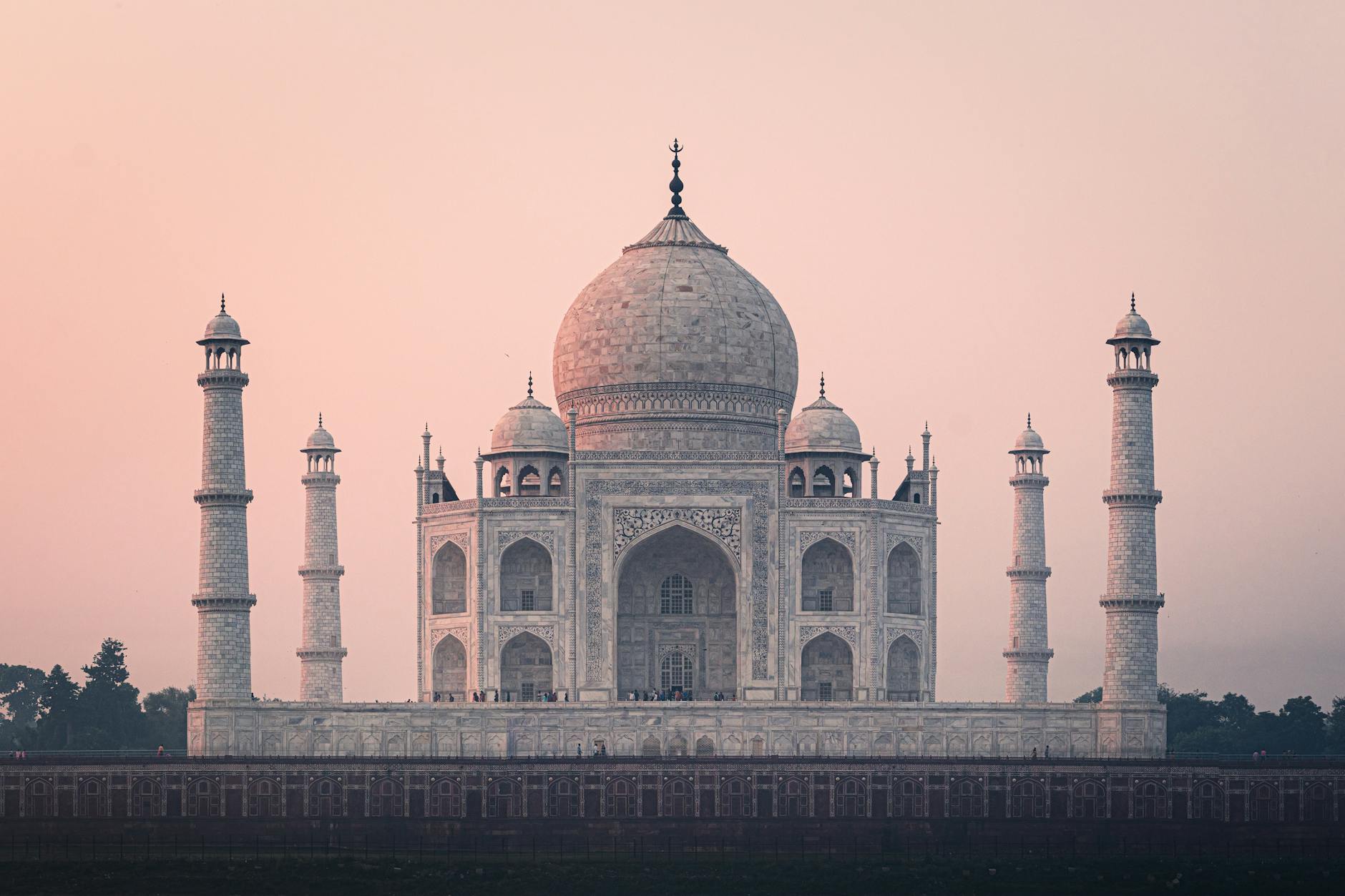
Many UNESCO World Heritage Sites are celebrated for their outstanding architectural significance and artistry. The Taj Mahal in India, for instance, is a shining example of Mughal architecture, blending Persian, Islamic, and Indian styles into a harmonious masterpiece. Built in the 17th century as a mausoleum for Mumtaz Mahal, the wife of Emperor Shah Jahan, the Taj Mahal is renowned for its breathtaking beauty, intricate marble inlay work, and tranquil gardens. It attracts millions of visitors each year, who come to marvel at its stunning symmetry and the romantic story behind its creation.
The Acropolis of Athens is another iconic site that transcends mere architectural achievement. This ancient citadel, perched atop a rocky hill, features several structures of great historical and cultural significance, including the Parthenon. Constructed in the 5th century BC, the Parthenon stands as a symbol of ancient Greece’s glory and democratic ideals. Visitors to the Acropolis not only gain insight into the ingenuity of ancient architects but also into the philosophical and cultural ideals that defined that era.
Conservation Challenges and Global Responsibility
While UNESCO World Heritage Sites are revered and celebrated, they also face significant challenges in conservation and preservation. Factors such as climate change, urbanization, and tourism threaten the integrity of these sites. For example, rising sea levels endanger coastal heritage sites, while mass tourism can lead to wear and degradation of fragile environments. It is essential for governments, local communities, and international organizations to collaborate on sustainable practices that protect these invaluable treasures for future generations.
Furthermore, awareness and education play crucial roles in conservation efforts. By fostering a sense of global responsibility, communities can engage in preserving their cultural and natural heritage. Initiatives that promote responsible tourism, such as limiting visitor numbers and implementing eco-friendly practices, are vital steps toward safeguarding these extraordinary sites. The promotion of cultural appreciation through education can also enhance understanding and respect for diverse heritages and histories.
“Conserving UNESCO World Heritage Sites is not just a local responsibility, but a global imperative to protect our shared heritage.”
A Heritage Worth Preserving
UNESCO World Heritage Sites are more than mere destinations; they are living chronicles of our global heritage, encapsulating stories of human endeavor, artistic brilliance, and natural marvels. From the Great Wall of China to the delicate ecosystems of the Galápagos Islands, these sites serve as reminders of the intricate relationship between humanity and the environment. By visiting these extraordinary places, we contribute to a greater understanding of our world and the importance of preserving it.
As we marvel at the rich history and breathtaking beauty of UNESCO World Heritage Sites, we are reminded of our responsibility to protect these treasures. Engaging in sustainable tourism practices, advocating for conservation, and supporting local communities can help ensure that future generations enjoy the same awe and inspiration we experience today. Let us celebrate the remarkable achievements of past civilizations and the wonders of our natural world, safeguarding them for all to cherish.
