
The world of fashion is a tapestry woven with stories, each thread representing innovation, artistry, and historical significance. At the heart of this intricate weave lies the realm of couture houses—exclusive establishments dedicated to creating high-end, custom-fitted clothing. These houses have not only transformed the way we view fashion but have also mirrored societal changes through the decades. This article explores the evolution of couture houses, their cultural impact, key players, and the future of high fashion.
The Birth of Couture: Paris at the Forefront
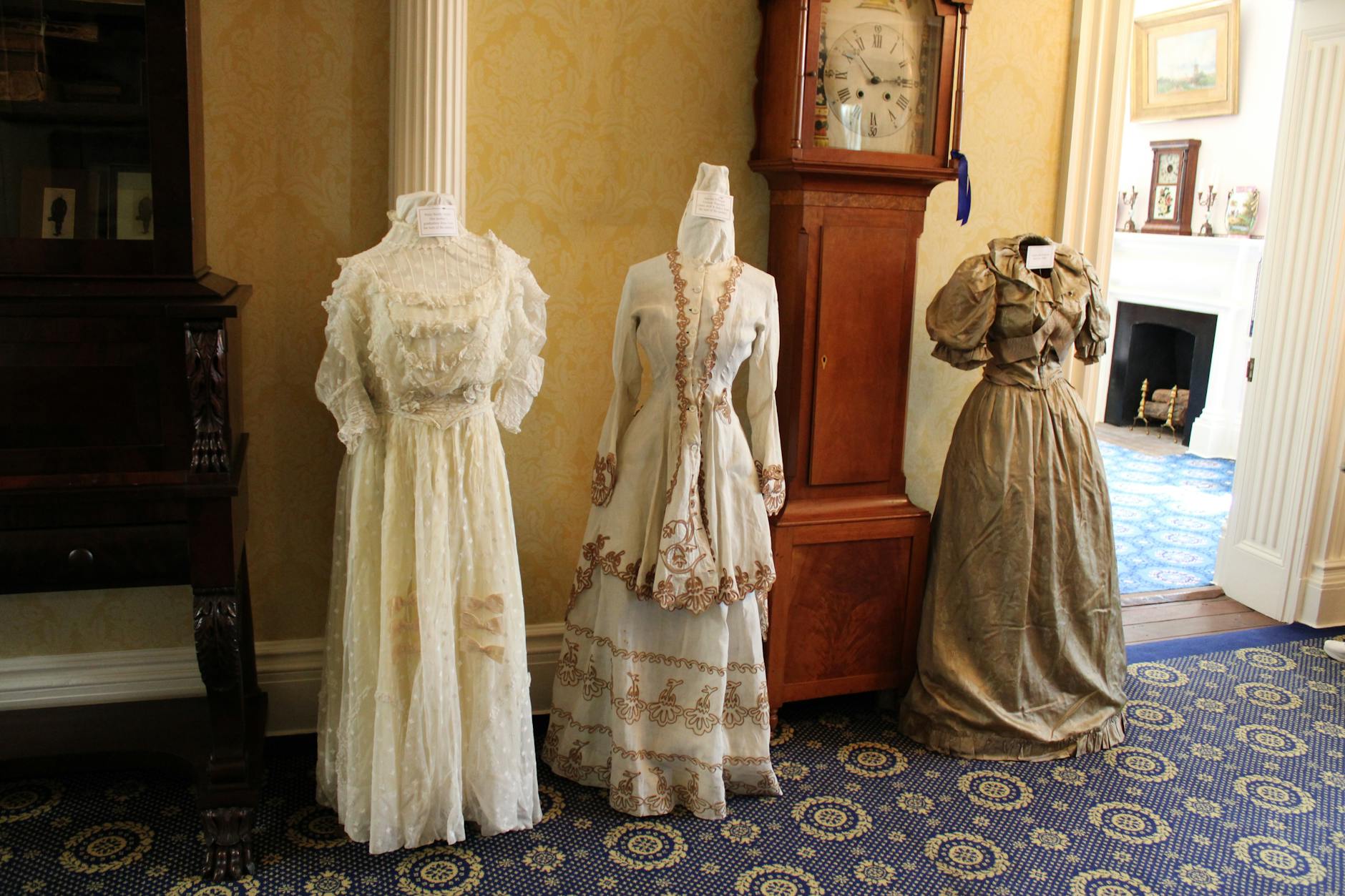
The origins of couture can be traced back to 1858 when English designer Charles Frederick Worth opened his first atelier in Paris. Worth is widely regarded as the father of haute couture, having pioneered the idea of creating unique designs for individual clients rather than simply following existing trends. His work set the stage for the exclusive world of fashion, blending art with fabric and transforming garments into wearable art.
During the 19th century, Paris emerged as the epicenter of fashion, with the establishment of the Chambre Syndicale de la Haute Couture in 1868, which laid down standards for couture houses. This influential body aimed to preserve the integrity of haute couture, ensuring that only the most talented designers and artisans could label their work as “couture.” The exclusive milieu nurtured the likes of designers such as Paul Poiret and Coco Chanel, who would go on to revolutionize women’s fashion in the early 20th century.

The Golden Age of Couture: A Reflection of Society
The interwar period marked the golden age of couture. Designers began to reflect the changing dynamics of society through their creations. The flapper dress, introduced by Coco Chanel in the 1920s, symbolized women’s liberation and the rejection of traditional norms. Chanel’s pioneering spirit extended to the use of jersey fabric, previously reserved for men’s underwear, to create sophisticated yet comfortable designs.
As the world plunged into the Great Depression, couture houses had to adapt to the shifting economic landscape. Despite financial constraints, the demand for couture remained strong among the elite. Designers like Christian Dior emerged in the aftermath of World War II with the “New Look,” characterized by its voluminous skirts and cinched waists. This aesthetic not only defined an era but also signaled a return to femininity and opulence after years of scarcity.
The Rise of Iconic Couture Houses
Couture houses flourished throughout the 1950s and 1960s, with iconic names such as Givenchy, Balenciaga, and Valentino leading the charge. These designers pushed the boundaries of creativity, experimenting with silhouettes, fabrics, and techniques that would define haute couture for decades. For instance, Balenciaga’s innovative cuts and forms challenged conventional fashion, emphasizing structure over decoration.
The creation of the ready-to-wear market in the 1960s marked another significant shift for couture houses. As fashion became more accessible, many established brands began to offer pret-a-porter collections, blending luxury with practicality. This democratization of fashion allowed consumers to experience the allure of high fashion, albeit in a more affordable and manageable form.
Couture Today: Navigating the Digital Age
In recent years, the landscape of couture has evolved yet again, influenced by globalization, technology, and changing consumer preferences. The rise of social media has enabled fashion houses to connect directly with audiences, showcasing collections instantly to millions. Brands like Gucci and Balenciaga have capitalized on this trend, employing bold marketing strategies that resonate with younger demographics.
Nevertheless, the traditional essence of haute couture remains intact. The dedication to craftsmanship, intricate detailing, and custom design continues to captivate clients who seek individuality in a mass-produced world. Fashion weeks in Paris still serve as the stage for couture houses to unveil their luxurious collections, a testament to the enduring appeal of bespoke fashion.
The Future of Couture: Embracing Sustainability
As the fashion industry faces increasing scrutiny regarding its environmental impact, many couture houses are embracing sustainability as a core value. Designers are turning to eco-friendly materials, sustainable practices, and ethical sourcing to create their masterpieces. The challenge lies in balancing luxury with responsibility, a task that requires innovation and creativity.
Labels such as Stella McCartney have pioneered eco-conscious couture, marrying high fashion with environmental awareness. By championing cruelty-free materials and reducing waste, these designers are paving the way for a new era in haute couture—one that prioritizes the planet without compromising on style or craftsmanship.
“Fashion is a form of self-expression. High fashion, especially couture, is about making a statement that transcends time and trends.” – Renowned Fashion Historian
The journey of couture houses is a reflection of broader societal shifts, encapsulating the desires and aspirations of generations. As we navigate an ever-changing world, these establishments continue to inspire and innovate, reminding us that fashion is not merely about clothes; it’s about identity, artistry, and culture.
The future of haute couture is bright, filled with potential for collaboration, creativity, and sustainability. As new designers emerge and established houses adapt to modern challenges, the couture landscape promises to remain a dynamic and influential force in the world of fashion.
