
The resurgence of vintage fashion, furniture, and collectibles reflects a broader cultural shift as individuals increasingly gravitate toward items steeped in history and character. In a world dominated by fast fashion and mass-produced goods, vintage pieces offer a welcome departure. This article explores the multifaceted reasons behind this trend, delving into psychological, environmental, and social factors that contribute to the growing appreciation of vintage aesthetics.
The Allure of History and Character
One of the most compelling reasons people are returning to vintage pieces is the inherent history and character these items possess. Each vintage piece tells a story, a narrative infused with its previous owners, eras it has lived through, and the craftsmanship that went into its making. Unlike contemporary mass-produced products, vintage items often showcase unique designs that reflect the artistry and cultural context of their time.
Moreover, individuals are drawn to the nostalgia that vintage items evoke. As society collectively grapples with the rapid pace of modern life, there’s a comforting familiarity in objects that harken back to simpler times. Whether it’s the charm of a 1960s dining set or the elegance of a vintage dress, these pieces serve as tangible connections to the past, offering a sense of comfort and belonging in an increasingly digital world.
“Vintage pieces are more than just objects; they are gateways to the past, each one with a unique story to tell.” – Fashion Historian
Environmental Considerations
In an era where sustainability and eco-consciousness are paramount, vintage shopping stands out as a responsible choice. The fashion industry is one of the largest polluters in the world, with fast fashion contributing significantly to waste and carbon emissions. By choosing vintage, consumers actively participate in a circular economy, giving items a second life and reducing the demand for new production.
Moreover, vintage pieces often outlast their modern counterparts in terms of durability. Many vintage items were crafted with quality materials and superior craftsmanship, contributing to their longevity. This durability not only makes vintage purchases economically sensible but also aligns with the growing desire for sustainable living. When people choose vintage, they are making a statement about their values and their commitment to preserving the environment.
The Unique Fashion Statement
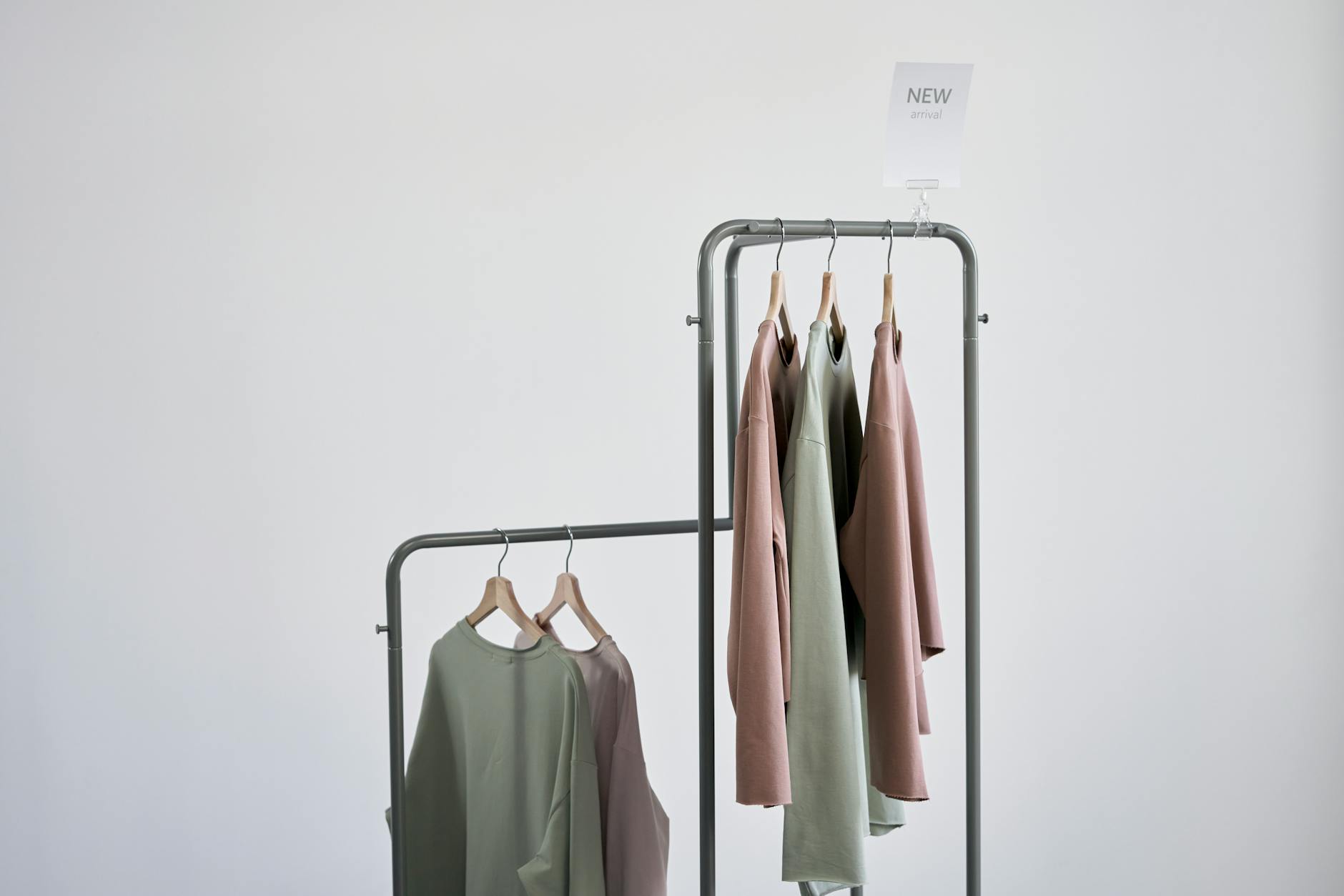
Vintage fashion allows individuals to cultivate a distinct personal style that sets them apart from the crowd. In a world dominated by trends that come and go, vintage pieces offer a timeless alternative that defies the fleeting nature of contemporary fashion. Many people seek to express their individuality through unique and eclectic combinations, and vintage clothing serves as the perfect vehicle for that expression.
Moreover, with the rise of social media platforms like Instagram and TikTok, vintage fashion has become a popular trend among younger generations. Influencers and fashionistas showcase their finds, creating a sense of community around vintage shopping. This not only fuels the desire for unique pieces but also encourages people to share their styling tips, fostering a culture of creativity and self-expression.
“Wearing vintage is not just about fashion; it’s a way of expressing who you are and where you come from.” – Fashion Blogger
The Thrill of the Hunt
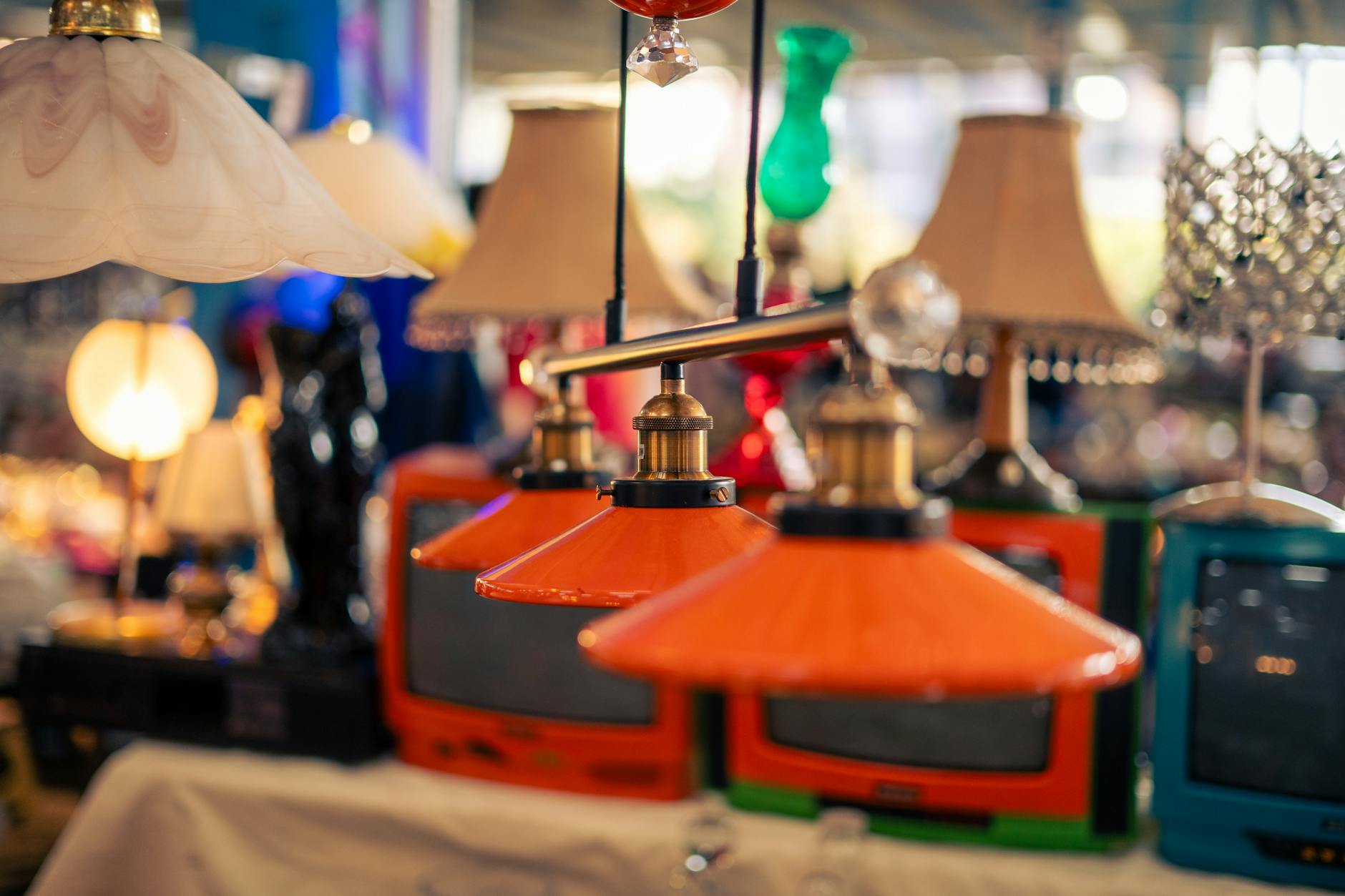
For many, the allure of vintage shopping lies in the thrill of the hunt. Scouring thrift stores, flea markets, and estate sales for hidden treasures can be an exhilarating experience. The anticipation of discovering a one-of-a-kind item imbues shopping with excitement that is often absent from traditional retail environments.
This treasure-hunting aspect of vintage shopping transforms what could be a mundane chore into a fulfilling adventure. It taps into a sense of nostalgia and curiosity about the past while emphasizing the value of slow retail. The process also fosters a deeper appreciation for the items themselves, as shoppers become more informed about the history and context of their finds.
The Role of Social Media and Online Marketplaces
Social media has played a pivotal role in the resurgence of vintage items, particularly among younger consumers. Platforms like Instagram and Pinterest are rife with images of aesthetically pleasing vintage finds, inspiring people to seek out similar items in their local communities. The hashtag culture surrounding vintage fashion and decor has created a sense of belonging among enthusiasts, further promoting the trend.
Additionally, online marketplaces have made vintage shopping more accessible than ever. Websites like Etsy, Depop, and eBay allow consumers to browse an expansive array of vintage items from the comfort of their homes. This ease of access encourages exploration and experimentation, empowering shoppers to incorporate vintage pieces into their lives without the constraints of geographical location.
“Social media has democratized vintage fashion, making it possible to discover and share unique finds globally.” – Digital Marketing Expert
Connecting with Community and Craftsmanship
As people gravitate toward vintage pieces, they also find themselves drawn to local artisans and small businesses that specialize in restoring and repurposing vintage items. This trend fosters a sense of community, as individuals seek to support local economies and celebrate craftsmanship over mass production. Engaging with artisans provides an opportunity to learn about the history and care associated with vintage items, enhancing the shopping experience.
Moreover, workshops and events centered around vintage restoration and customization have gained popularity, allowing people to develop a deeper connection with their pieces. Such initiatives not only preserve traditional crafting techniques but also encourage a new generation to appreciate the value of handmade goods. This collective appreciation of craftsmanship reinforces the notion that vintage items are not merely relics of the past but are also carriers of cultural heritage.

In conclusion, the return to vintage pieces is a multifaceted trend that reflects the evolving values of contemporary society. The allure of history, environmental considerations, and the desire for unique expression combine to create a powerful movement. As more people embrace vintage shopping, they not only enrich their lives with distinctive items but also contribute to a more sustainable, community-oriented future.
