
In a world that often prioritizes speed over substance, the concept of slow fashion emerges as a beacon of sustainability and mindfulness. While primarily associated with clothing, the principles of slow fashion can significantly enhance interior design, encouraging homeowners and designers alike to embrace quality, craftsmanship, and ethical practices. This article delves into how slow fashion influences interior design, its importance in today’s consumption-driven society, and practical steps for integrating these principles into your living spaces.
The Philosophy Behind Slow Fashion
At its core, slow fashion is about resisting mass production and the fast-paced culture of consumerism. It champions the idea of investing in fewer, high-quality pieces that stand the test of time, both in style and durability. This philosophy encourages a more thoughtful approach to purchasing, focusing on the materials used, the artisans behind the products, and the environmental impact of our choices.
When applied to interior design, slow fashion invites us to reconsider how we furnish our homes. Instead of filling our spaces with disposable items seemingly designed for the short term, we are encouraged to select pieces that tell a story, reflect our values, and contribute to a sustainable future. Every item we choose for our interiors can reflect the principles of slow fashion—whether it’s an artisan-crafted chair or ethically sourced linen curtains.
Craftsmanship and Quality Over Quantity
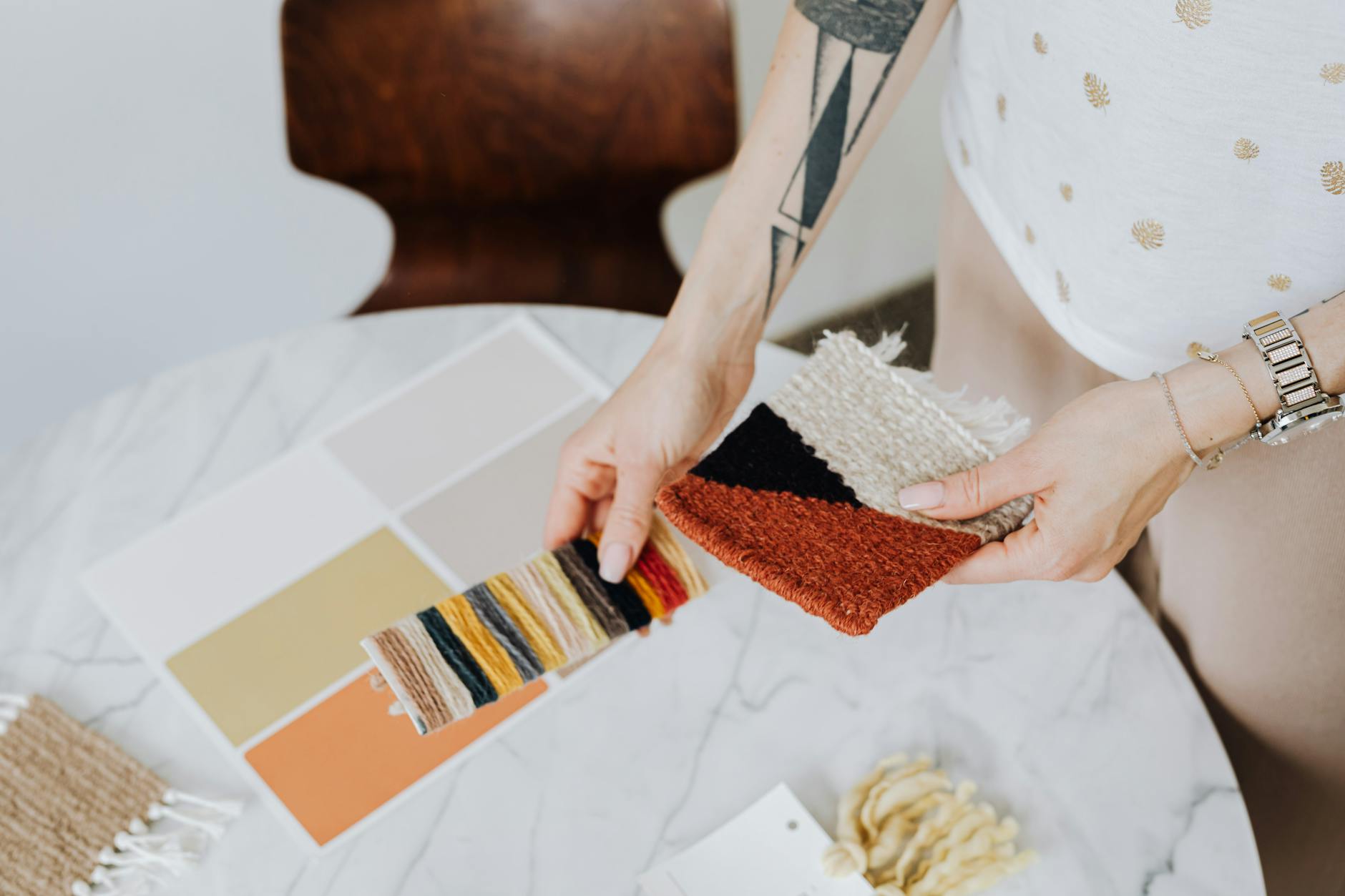
One of the most significant tenets of slow fashion is the focus on craftsmanship. In the context of interior design, this translates into selecting furniture and decor that embody artisanal skills and traditional techniques. Supporting local artisans not only helps preserve cultural heritage but also reduces the carbon footprint associated with shipping and mass production.
Consider investing in handmade furniture or decor that showcases unique designs and superior materials. For example, a handcrafted wooden table not only serves as a functional piece but also becomes a focal point in the room, reflecting the maker’s skill and passion. Similarly, textiles like handwoven rugs or organic cotton throws can enhance the aesthetic of your space while promoting sustainable practices.
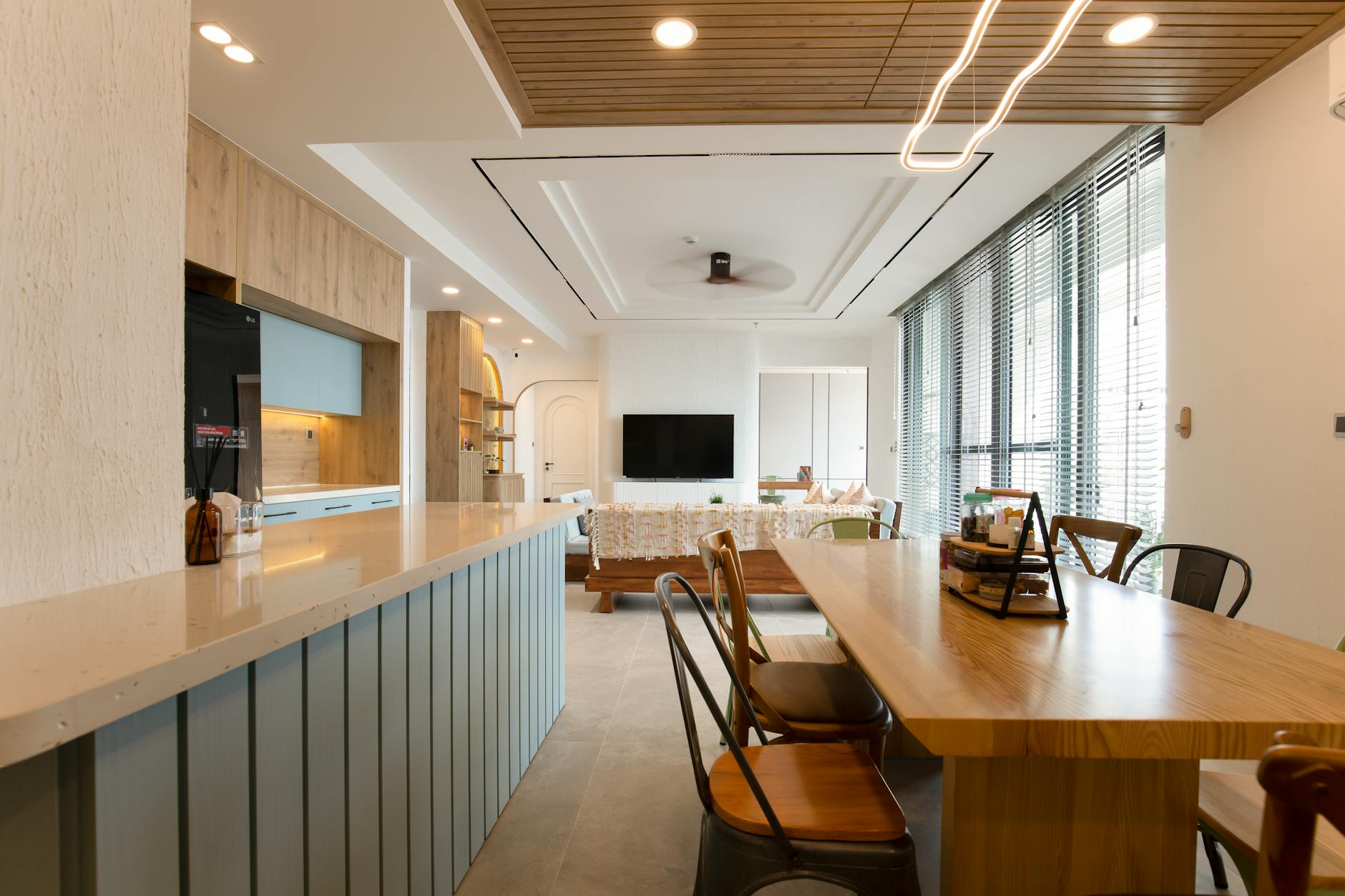
As you curate your interior space, remember that fewer, well-chosen items tend to have a more profound impact than a cluttered room filled with trendy but cheaply made goods. Each piece should resonate with you and your lifestyle, contributing to a cohesive and meaningful atmosphere.
Sustainable Materials: The Heart of Slow Design
Material selection is pivotal in the slow fashion movement, and it plays a crucial role in interior design. Opting for sustainable materials can drastically reduce the environmental impact of our homes. Bamboo, reclaimed wood, organic cotton, and recycled metals are just a few examples of materials that are more environmentally friendly than conventional choices.
When selecting upholstery or fabrics for curtains, seek out organic options free from harmful chemicals and dyes. Not only do these materials promote a healthier living environment, but they also showcase a commitment to sustainability. Imagine draping your windows with rich, organic linen that not only looks beautiful but also supports ethical farming practices. Such choices not only elevate your home’s aesthetic but also contribute positively to the planet.
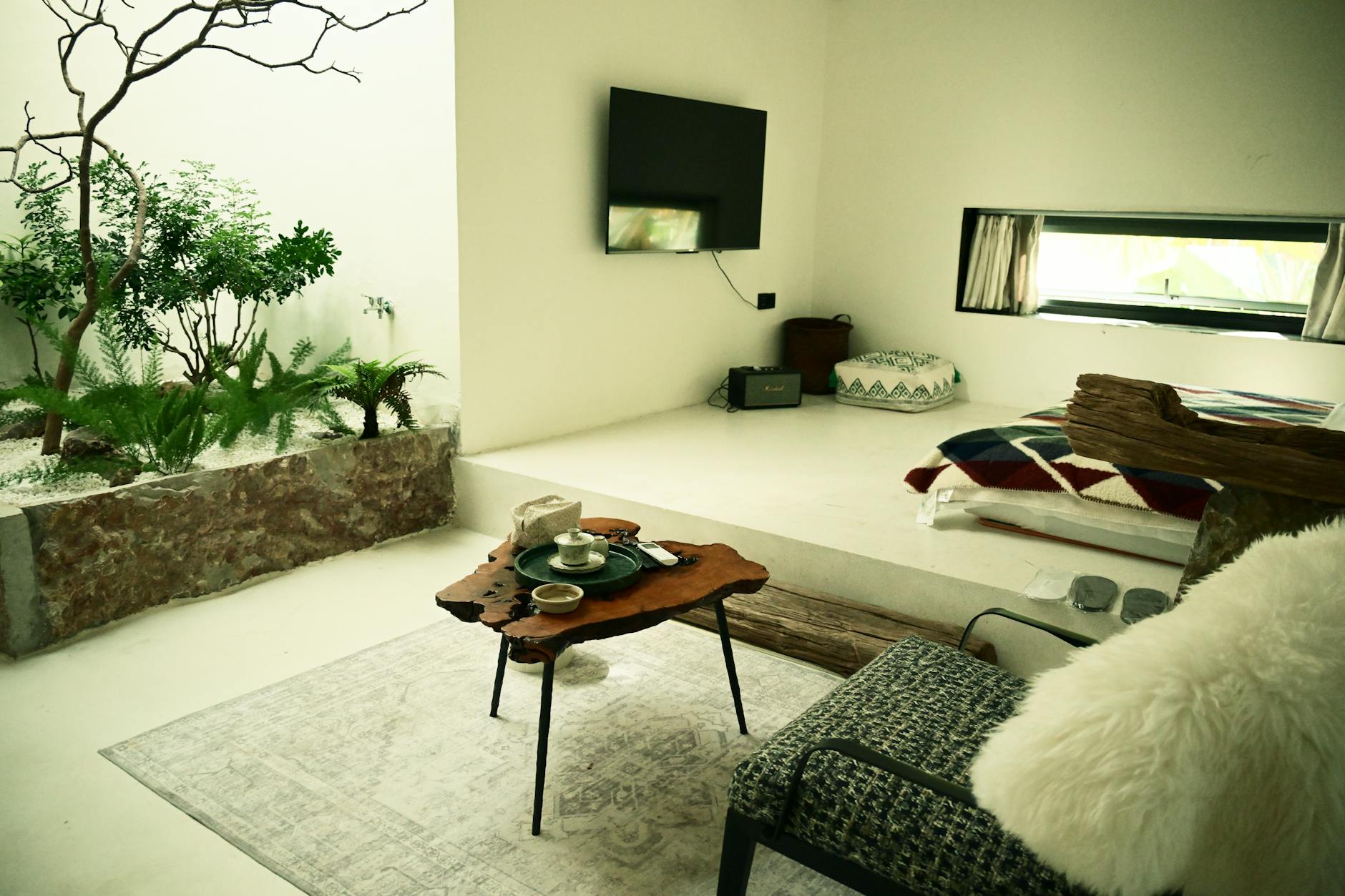
Moreover, consider the longevity of the materials you choose. Items made from durable resources are often more cost-effective in the long run, as they do not need to be replaced frequently. This strategy aligns with the core philosophy of slow fashion—invest in quality, not quantity.
The Role of Second-Hand and Vintage Finds
Another critical aspect of slow fashion in interior design is the appreciation for second-hand and vintage pieces. Thrifting not only allows for unique finds that carry history and character, but it also significantly reduces waste by giving a new life to items that might otherwise end up in landfills. By integrating vintage pieces, you create a layered and personalized aesthetic that resonates more than mass-produced options.
When sourcing these pieces, take the time to explore local thrift shops, flea markets, or online marketplaces specializing in pre-loved goods. A vintage side table, for example, can evoke nostalgia while adding depth to your space. To create a harmonious look, mix and match these unique items with newer, sustainably made elements. This blend of old and new not only tells a story but also makes a bold design statement.
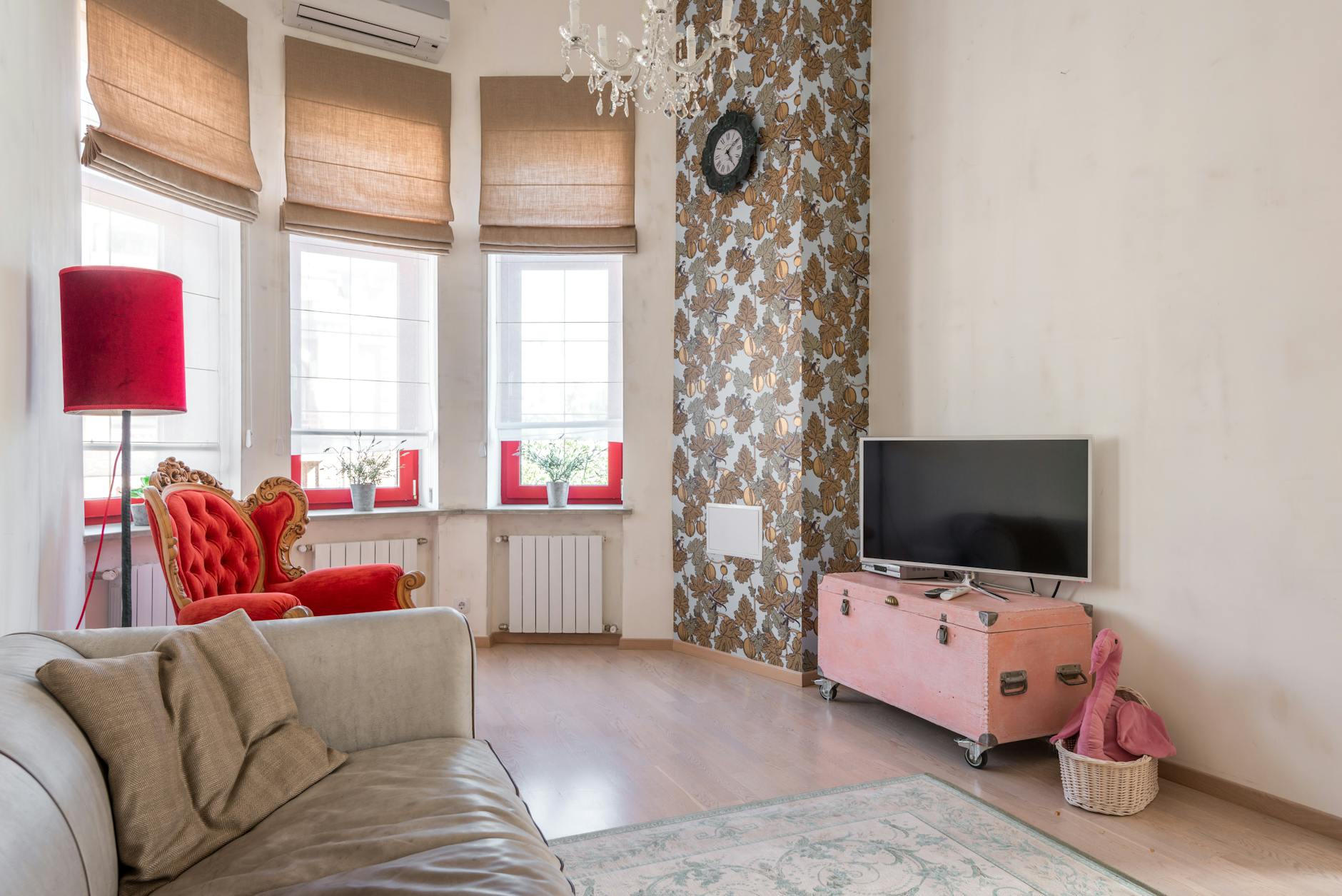
Embracing second-hand decor also aligns perfectly with the sustainability movement—reducing demand for new production and minimizing the carbon footprint associated with creating and transporting new materials. It’s an innovative way to foster individuality while supporting a more sustainable lifestyle.
Conclusion: The Future of Interior Design through Slow Fashion
As we navigate through a consumer world increasingly aware of its choices, the role of slow fashion in interior design will only grow in significance. By prioritizing craftsmanship, sustainable materials, and the unique charm of vintage finds, we not only elevate our living spaces but also contribute positively to the environment. The art of slow fashion encourages us to view design as a journey filled with intention and purpose, where every item selected enhances both our homes and the planet.
So, whether you are embarking on a complete renovation or simply refreshing a room, take a moment to reflect on the stories behind your choices. Embrace the art of slow fashion in your interior design, and together, we can create homes that are not only beautiful but also sustainable.
