
In our fast-paced world, the concept of boundaries is often overlooked. As we navigate the complexities of personal and professional life, it becomes crucial to establish healthy boundaries that promote mental clarity, emotional well-being, and a balanced lifestyle. One innovative way to foster these boundaries is through intentional interior design. The spaces we inhabit play a significant role in influencing our behavior and mindset. By creating environments that reflect our boundaries, we can nurture our well-being and create a sanctuary for ourselves.
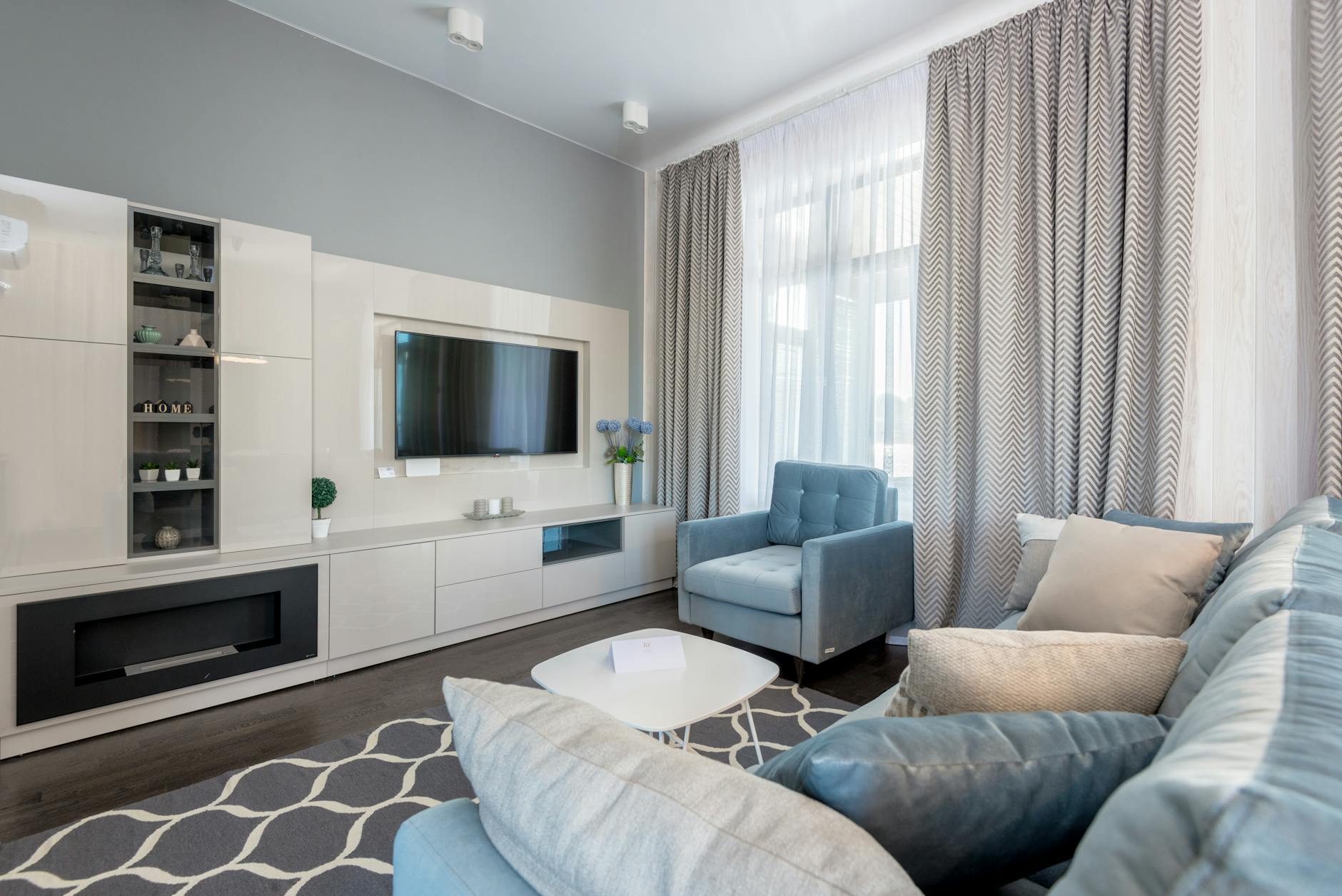
Understanding Boundaries: The Foundation of Well-Being
Boundaries are essential for maintaining a healthy relationship with ourselves and others. They define the limits of what we are willing to accept in our interactions and experiences. According to psychologist Dr. Henry Cloud, “Boundaries are the property lines of your soul.” When we establish clear boundaries, we can prevent burnout, manage stress, and enhance our overall quality of life. This principle can be seamlessly integrated into our living spaces through thoughtful design choices.
Incorporating elements that encourage relaxation and personal reflection is vital in creating a boundary-rich environment. For instance, designated areas for mindfulness or quiet time can help reinforce the importance of mental space. Whether it’s a reading nook filled with your favorite books, or a cozy corner with plants, these spaces remind us to prioritize our well-being amidst the chaos of daily life.
Designing Personal Sanctuaries
The concept of personal sanctuaries transcends mere aesthetics; it embodies an intentional choice to carve out a space that invites peace and tranquility. Begin by evaluating areas in your home or workspace that may be cluttered or chaotic. Consider implementing storage solutions that not only declutter but also promote a sense of calm. For example, decorative baskets or stylish cabinets can keep your environment organized while enhancing its visual appeal.
When designing your sanctuary, prioritize natural light and ventilation. Studies have shown that exposure to natural light can significantly enhance mood and productivity. Large windows or strategically placed mirrors can amplify the amount of daylight entering your space, fostering a sense of openness and clarity. Pair these features with soft, warm lighting options for the evenings, creating an ambiance that promotes unwinding and relaxation.
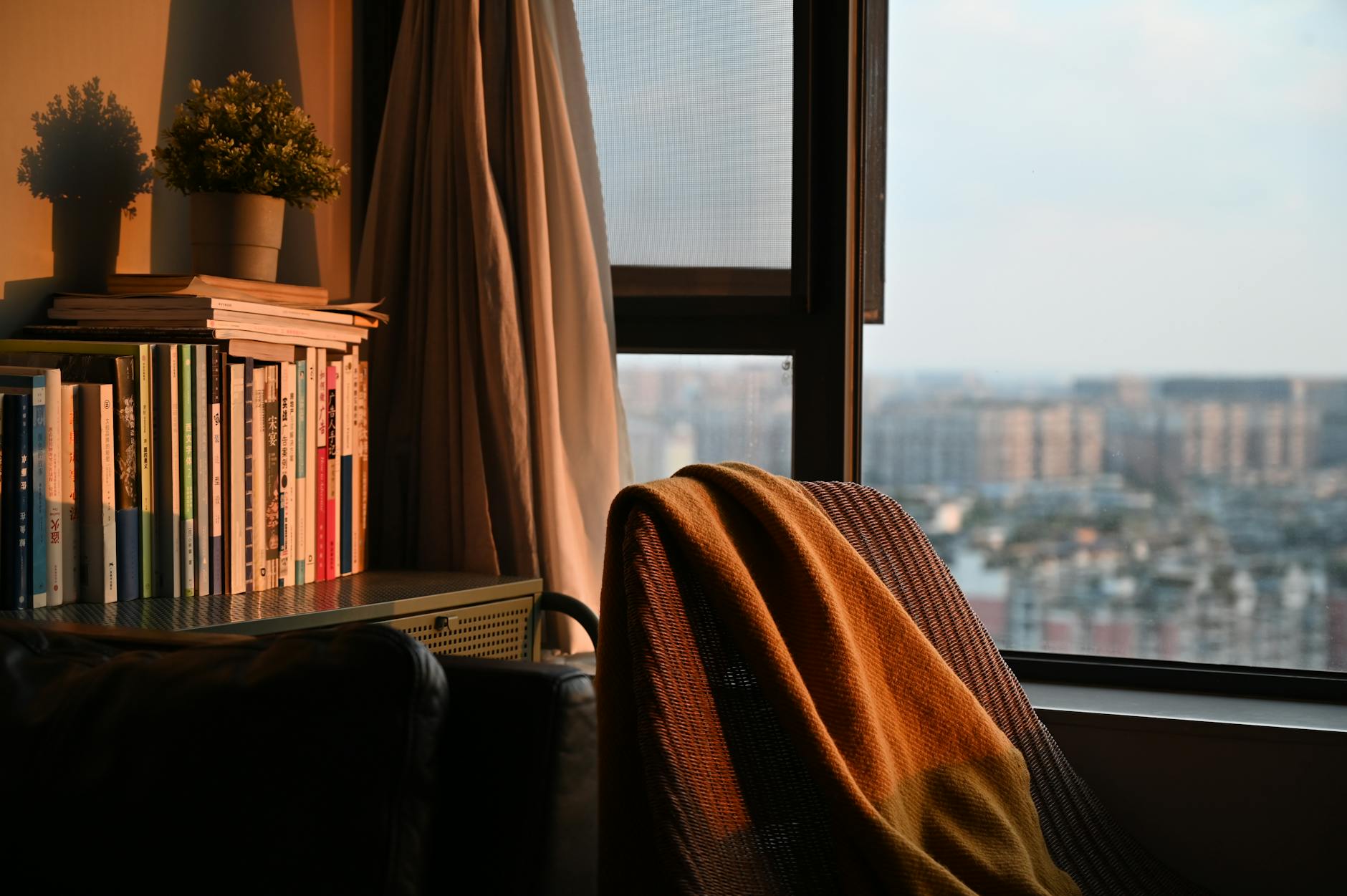
Additionally, integrating elements of nature—such as indoor plants, water features, or natural materials—can further enhance the calming effect of your sanctuary. Biophilic design, which emphasizes the human connection to nature, can have a profound impact on our mental health. Incorporating organic shapes, earthy textures, and a palette inspired by nature can create a soothing atmosphere that encourages personal reflection and rejuvenation.
Creating Zones for Different Activities
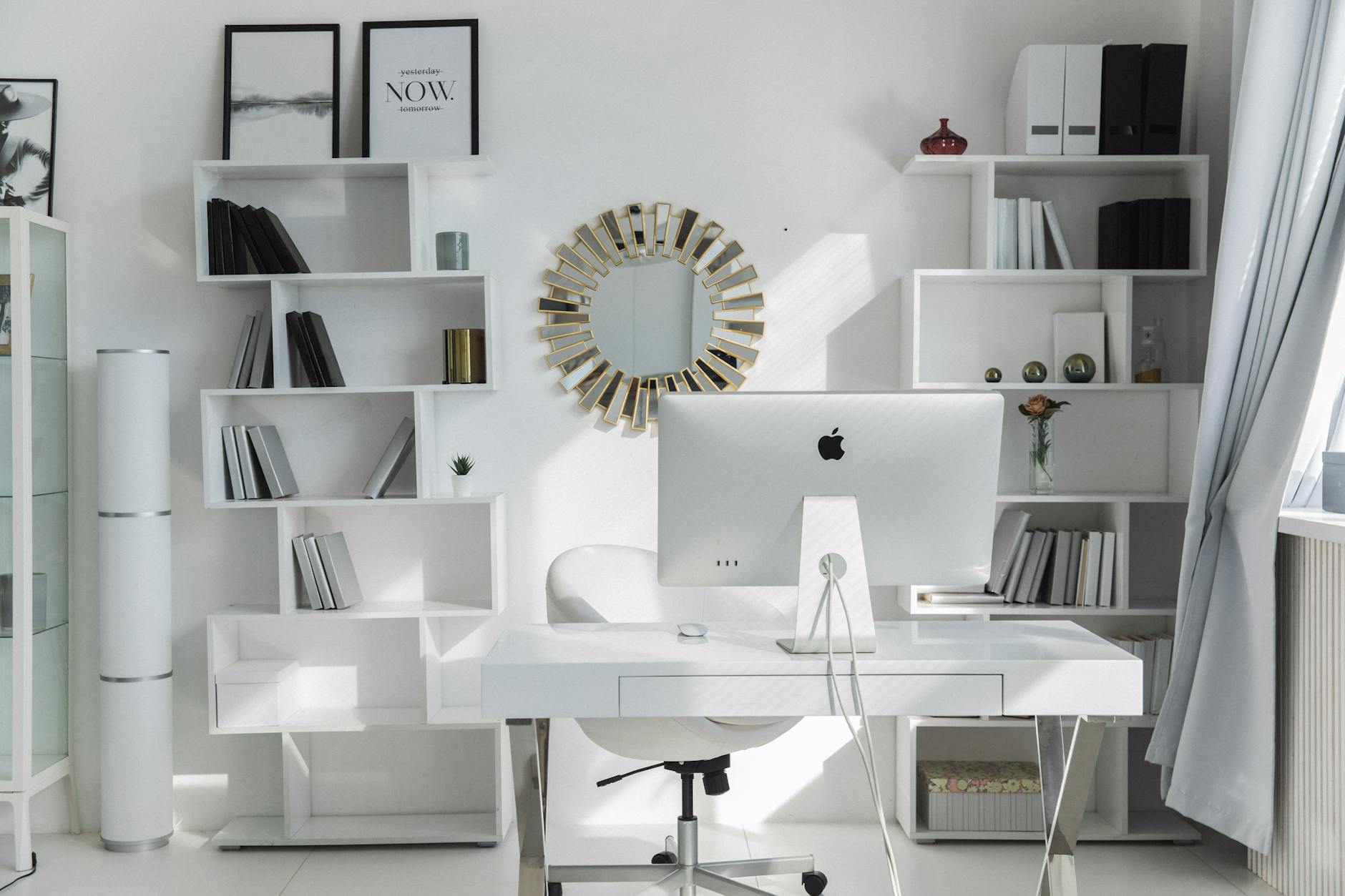
Establishing distinct zones within a space can empower us to maintain boundaries by delineating areas for work, relaxation, and social interaction. For example, if you work from home, setting up a dedicated workspace is crucial. This area should be free from distractions and designed to promote productivity. A comfortable chair, an ergonomic desk, and adequate lighting are essential components of a workspace that fosters focus and minimizes stress.
Equally important is designing areas that cater to relaxation and leisure. Consider how you can allocate space for hobbies or activities that recharge your spirit. If you enjoy yoga, a small area with proper mats, calming decor, and perhaps a corner for meditation can serve as a retreat from daily pressures. This distinction between work and play can help reinforce the boundaries we set in our lives—allowing us to shift gears more seamlessly and effectively.
Expressing Your Boundaries Through Decor
Every element within your space serves as a reflection of your identity and values. Therefore, it’s essential to choose decor that reinforces your personal boundaries. Art pieces, photographs, or textiles that resonate with you can signify what you hold dear, thus creating a more meaningful environment. Select colors and textures that elicit a specific emotional response; for instance, soothing blues and greens are often associated with tranquility, while vibrant yellows may invigorate your spirit.
Creating visual barriers, such as room dividers or strategically placed furniture, can physically demarcate areas within an open space. This not only provides a sense of privacy but can also serve as a reminder of the boundaries you wish to maintain. For example, if you have an open-plan living area, placing a bookshelf or a decorative screen can create a subtle transition between different activities or moods, promoting a clear distinction between relaxation and work.
The Role of Technology in Boundary Setting
In the modern age, technology plays a pivotal role in shaping our environments and experiences. While it can bring us closer together, it can also blur the lines between personal and professional boundaries. Implementing smart home technology can help create an adaptive environment that serves our needs. For instance, smart lighting systems can adjust brightness based on the activity—setting a calming atmosphere in the evening while providing focused lighting during work hours.
Furthermore, consider adopting a digital detox strategy where technology is minimized in designated areas. Creating tech-free zones, such as your bedroom or dining area, can enhance your ability to disconnect and recharge. This conscious decision to limit distractions allows for more meaningful connections with yourself and others—reinforcing the importance of personal boundaries in your daily life.
Nurturing Your Boundaries through Routine
Ultimately, establishing and maintaining boundaries is an ongoing process that requires consistent reinforcement. Designing your space to reflect these boundaries is just one piece of the puzzle. Establishing routines that honor and uphold these boundaries is equally important. Consider setting aside time for reflection, creativity, or relaxation within your designed sanctuary. These moments of intentionality will cultivate a deeper connection to your personal space, fostering a mindful approach to everyday living.
Additionally, share your boundary intentions with those around you. Open communication can help cultivate respect and understanding among family members, friends, and colleagues. By modeling the boundaries you wish to uphold, you create an atmosphere of mutual respect, leading to more harmonious interactions.
In conclusion, curating environments that reflect our boundaries is integral to cultivating a balanced and fulfilling life. The spaces we inhabit should be tailored to nurture our well-being, promote relaxation, and delineate responsibilities. As we take the time to create intentional interior design, we not only honor ourselves but also inspire those around us to do the same. By merging design principles with boundary-setting practices, we embark on a journey toward a healthier, more harmonious life.
