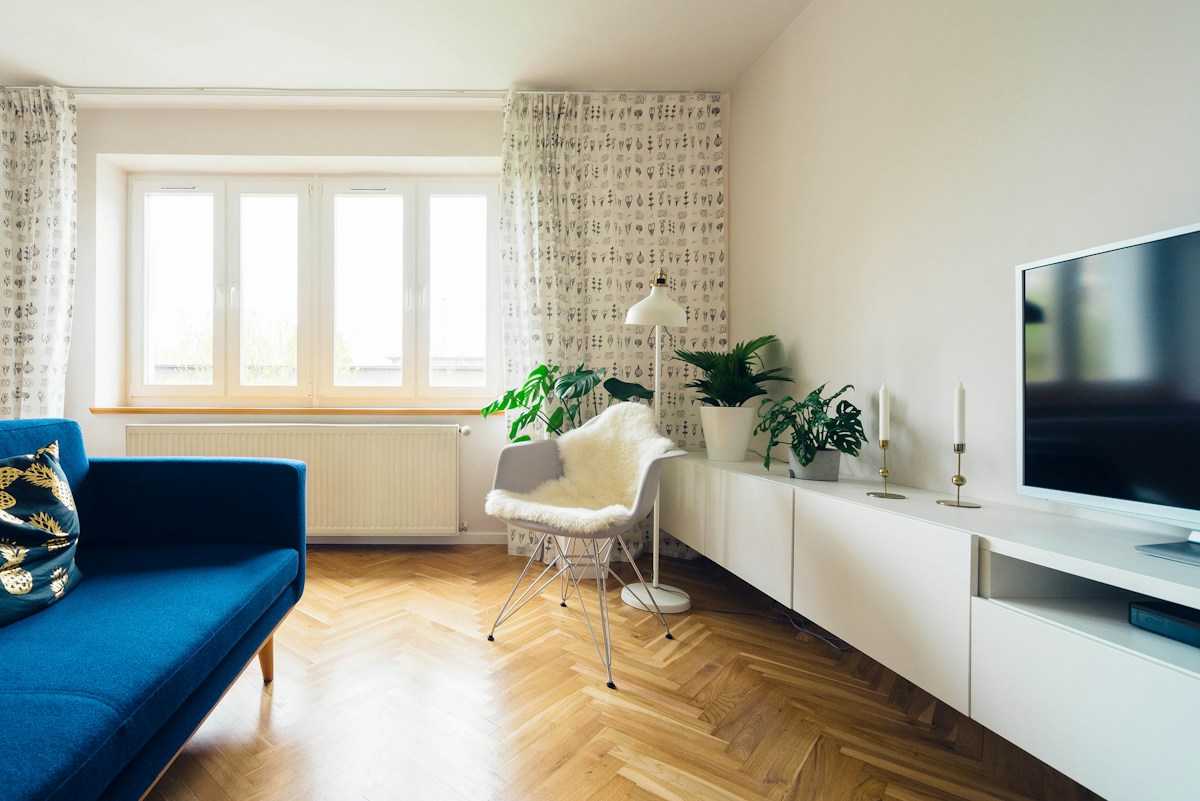
Transforming Your Space: The Art of Layering Textures in Interior Design
In the realm of interior design, the concept of layering textures is a powerful tool that can dramatically alter the mood and perception of a space. While color and layout often take center stage, texture adds depth, warmth, and tactile interest that can elevate a room from ordinary to extraordinary. This article delves into the art of layering textures, providing you with practical tips and insights on how to create a harmonious and inviting environment.
The Importance of Texture in Interior Design
Texture is more than just a visual element; it engages our senses and evokes emotions. In the context of interior design, texture can create contrast, highlight architectural features, and contribute to the overall aesthetic of a room. A well-curated mix of textures can bring a sense of balance and comfort, making spaces feel more lived-in and inviting.
When considering texture, think beyond just fabrics. Incorporate various materials like wood, metal, glass, and stone. Each material has its unique texture that can contrast or complement others. For instance, a sleek glass table can juxtapose beautifully with a rugged wooden console, creating a dynamic interplay that captures attention.
Choosing the Right Textures for Your Space
Selecting the appropriate textures involves understanding the purpose and mood of the room. Different areas of your home will benefit from different textures. For example, a cozy living room may benefit from soft textiles, while a sleek kitchen might call for polished surfaces. Here are some practical tips to guide you in choosing textures:
-
Assess the Functionality: Consider how the space will be used. High-traffic areas may require more durable textures, while bedrooms can indulge in softer, more luxurious materials.
-
Mix and Match: Don't shy away from combining various textures. Pair smooth fabrics with rough surfaces, or mix shiny materials with matte finishes. This creates visual interest and a layered look.
-
Consider Color and Pattern: Textures can also come in patterns. When integrating patterned textiles, ensure they complement the color palette of the room. For instance, a geometric rug can anchor a space while adding depth to solid-colored furniture.
-
Layering Textures: Start with a base layer and build from there. For example, a plush area rug serves as a foundation, while throw pillows, blankets, and artwork can be added for depth and interest.
-
Use Natural Elements: Incorporating natural textures is an excellent way to bring the outdoors in. Think about using materials like jute, linen, or reclaimed wood. These elements not only add texture but also create a sense of warmth and organic beauty.
Layering Techniques: Practical Applications
Once you’ve selected your textures, it's time to put them into action. Here are some practical layering techniques to consider:
-
Textured Walls: Consider adding texture to your walls through paint techniques, wallpaper, or 3D wall panels. A textured wall can serve as a focal point while enhancing the overall design of the room. For example, a reclaimed wood accent wall can add depth and character to a minimalist space.
-
Layering Fabrics: Use various fabrics in your upholstery and decor. A velvet sofa can be complemented with linen or cotton throw pillows. Mix different fabric weights to achieve a balanced look. Incorporating a chunky knit throw can add warmth and coziness to the space.
-
Incorporate Decorative Elements: Accessories like vases, sculptures, and artwork can introduce additional textures. Choose items made from different materials such as glass, ceramic, or metal to create an engaging visual narrative. For instance, a sleek ceramic vase can stand out against a rough wooden table, showcasing the beauty of contrast.
-
Lighting Effects: Lighting is a crucial element that can enhance textures in your space. Consider pendant lights with interesting shapes and materials that cast intriguing shadows. Natural light can also play a significant role in showcasing textures, so use sheer curtains to soften the light while allowing it to filter through.
-
Outdoor Integration: If you're designing a space that opens to the outdoors, consider how textures can transition between the indoor and outdoor areas. Use similar materials or colors to create a seamless flow. For example, if you have a wooden deck, using wooden elements in your interior design can create continuity.
Creating a Cohesive Look
While layering textures is an exciting and creative endeavor, maintaining cohesion is essential. Here are some tips to ensure your layered textures work harmoniously:
-
Color Palette: Stick to a cohesive color palette that ties all the textures together. This doesn’t mean everything has to match, but rather that the colors complement each other. Shades of neutrals can allow for a diverse range of textures without overwhelming the space.
-
Scale and Proportion: Pay attention to the scale of your textures. Large-scale textures, such as a chunky knit blanket or a bold area rug, should be balanced with smaller accessories. This creates a sense of proportion and prevents any single element from dominating the space.
-
Focal Points: Identify focal points in your room and use textures to draw attention to them. For instance, a beautifully textured piece of art can serve as a visual anchor, while the surrounding textures support and enhance its presence.
-
Themes and Styles: Consider the overall theme or style of your home. Whether you lean towards a modern, bohemian, or industrial aesthetic, ensure your texture choices align with this vision. For example, a bohemian space can embrace a mix of patterns and textures, while a modern design may favor cleaner lines and subtle textures.
Conclusion: Embrace the Texture Journey
Layering textures in interior design is an art form that invites creativity and personal expression. By thoughtfully combining various materials, fabrics, and decorative elements, you can create a space that is rich in depth and character. Remember, the journey of layering textures is not just about aesthetics; it’s about creating a sensory experience that resonates with you and those who inhabit the space.
As you embark on your texture journey, don’t hesitate to explore inspiration from various sources, such as design blogs or platforms like Pinterest. Curating a vision board can help you visualize how different textures will work together in your home. For more inspiration, check out curated collections on platforms like Pinterest, such as this texture layering board or this decor inspiration.
In the end, the beauty of layering textures lies in its ability to transform a simple room into a multi-dimensional experience that tells a story—your story. Embrace the process, experiment freely, and let your creativity shine through in every layer.