The Art of Layering Textiles in Interior Design: A Guide to Creating Warmth and Depth
When it comes to interior design, one of the most effective yet often overlooked techniques is the art of layering textiles. From cozy throws to luxurious curtains, the right combination of fabrics can transform a space, adding warmth, depth, and a touch of personality. Layering textiles is not just about aesthetics; it also enhances comfort and functionality within a room. In this article, we’ll explore how to effectively layer textiles in your interiors, ensuring that your space feels inviting and well-curated.
Understanding the Basics of Textile Layering
Layering textiles involves combining different fabrics, textures, and patterns to create a cohesive look that adds visual interest to a room. The key to successful layering lies in understanding the various elements at play: color, texture, pattern, and scale. When executed properly, layering can enhance the dimension of a space, creating a rich and inviting atmosphere.
-
Choose a Color Palette: Start with a harmonious color palette that sets the tone for your space. Consider selecting a base color that will dominate the room, then choose complementary and contrasting hues for your textiles. This palette can include neutral shades for larger items, such as sofas and rugs, while introducing bolder colors in smaller accessories like cushions and throws.
-
Mix Textures: Texture is essential in layering textiles as it adds depth and intrigue. Combine smooth fabrics, such as silk or cotton, with rougher textures like wool or linen. This contrast not only makes the space feel more dynamic but also encourages touch, inviting people to engage with the environment.
-
Incorporate Patterns: Patterns can bring energy to a room, but it’s important to mix them thoughtfully. Start with a dominant pattern—perhaps a floral or geometric design—and balance it with smaller, subtler patterns that complement the larger one. For example, if your main upholstery features a bold print, consider pairing it with striped or polka-dotted cushions in the same color scheme.
-
Vary Scale: Mixing different scales of patterns and textures can create visual tension and interest. For instance, a large-scale floral print can be beautifully offset by smaller-scale geometric cushions. This principle can also apply to the size of your textiles; a large area rug can anchor a space while smaller throws and pillows add layers of comfort.
Practical Tips for Layering Textiles in Different Spaces
While the principles of layering textiles remain consistent, the application can vary based on the room’s purpose and style. Here are some tips for layering textiles in various spaces:
-
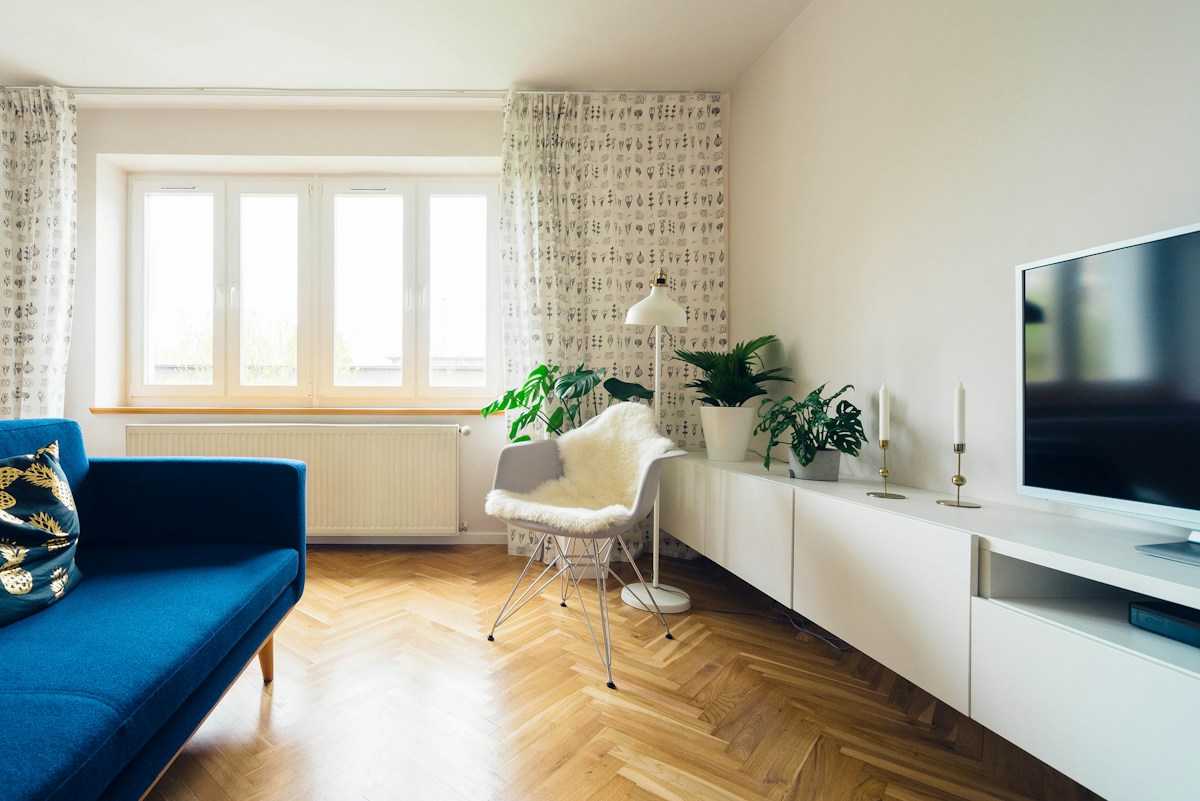
Living Room: The living room is often the heart of the home, making it a prime spot for textile layering. Start with a large area rug to define the space, then layer in a mix of cushions and throws on your sofa. Consider using a combination of materials—such as velvet, cotton, and linen—to create a cozy yet sophisticated look. Drape a textured throw over the back of the sofa for visual appeal and added warmth.
-
Bedroom: In the bedroom, layering textiles can significantly enhance comfort and create a tranquil atmosphere. Begin with quality bedding, such as a soft duvet cover and crisp sheets. Layer on a quilt or blanket for added warmth, and don’t forget decorative pillows in various sizes and shapes. Incorporate a plush area rug at the foot of the bed for a layered effect that invites you to step out of bed onto something soft.
-
Dining Room: For the dining room, textiles can add elegance and comfort to an often underappreciated space. Start with an attractive tablecloth or runner that complements your table setting. Layer in fabric napkins and placemats to add texture and color. Consider incorporating upholstered chairs that feature a unique fabric, creating a focal point that enhances the overall design.
-
Home Office: In a home office, layering textiles can make the space feel more inviting and less sterile. Opt for a soft area rug underfoot that helps define your workspace and adds warmth. Layer your desk chair with a cozy throw or cushion for added comfort during long hours of work. Additionally, consider textile wall hangings or fabric bulletin boards to introduce color and texture to the room.
Lighting: An Essential Component of Textile Layering
While textiles are crucial in creating warmth and depth, lighting plays an equally important role in showcasing these elements. Proper lighting can highlight the different textures and patterns within your layered textiles, enhancing their visual appeal. Here are some tips for integrating lighting effectively:
-
Use Soft, Warm Lighting: Choose warm-toned bulbs to create a cozy atmosphere that complements your layered textiles. Soft lighting can enhance the feel of fabrics and colors, making them appear even more inviting.
-
Incorporate Task and Ambient Lighting: Layering lighting sources can add dimension to your space. Combine overhead fixtures with table lamps and floor lamps to create a well-lit environment that allows you to enjoy the beauty of your textiles at all times of day.
-
Highlight Textured Elements: Place lamps strategically to cast light on textured fabrics, such as woven throws or embroidered cushions. The interplay of light and shadow can enhance the depth and character of your layered textiles, making them stand out even more.
Conclusion: Embrace the Art of Textile Layering
Layering textiles is an art that can transform a space from ordinary to extraordinary. By thoughtfully combining colors, textures, patterns, and scales, you can create a visually stunning environment that feels warm and inviting. Whether you are redesigning your living room, refreshing your bedroom, or reimagining your home office, incorporating a variety of textiles will add depth and personality to your interiors.
As you embark on your layering journey, remember that the process is about personal expression. Take inspiration from various sources, and don’t hesitate to experiment until you find the combination that resonates with your style. For more ideas and inspiration, consider exploring platforms like Pinterest, where you can find a wealth of textile layering concepts to spark your creativity. Check out examples like this one or this one to see how others have successfully utilized textiles in their designs.
Ultimately, layering textiles is not just about decoration; it’s about creating a space that feels like home. Embrace the process, let your personality shine through, and enjoy the warmth and comfort that a well-layered interior can bring.