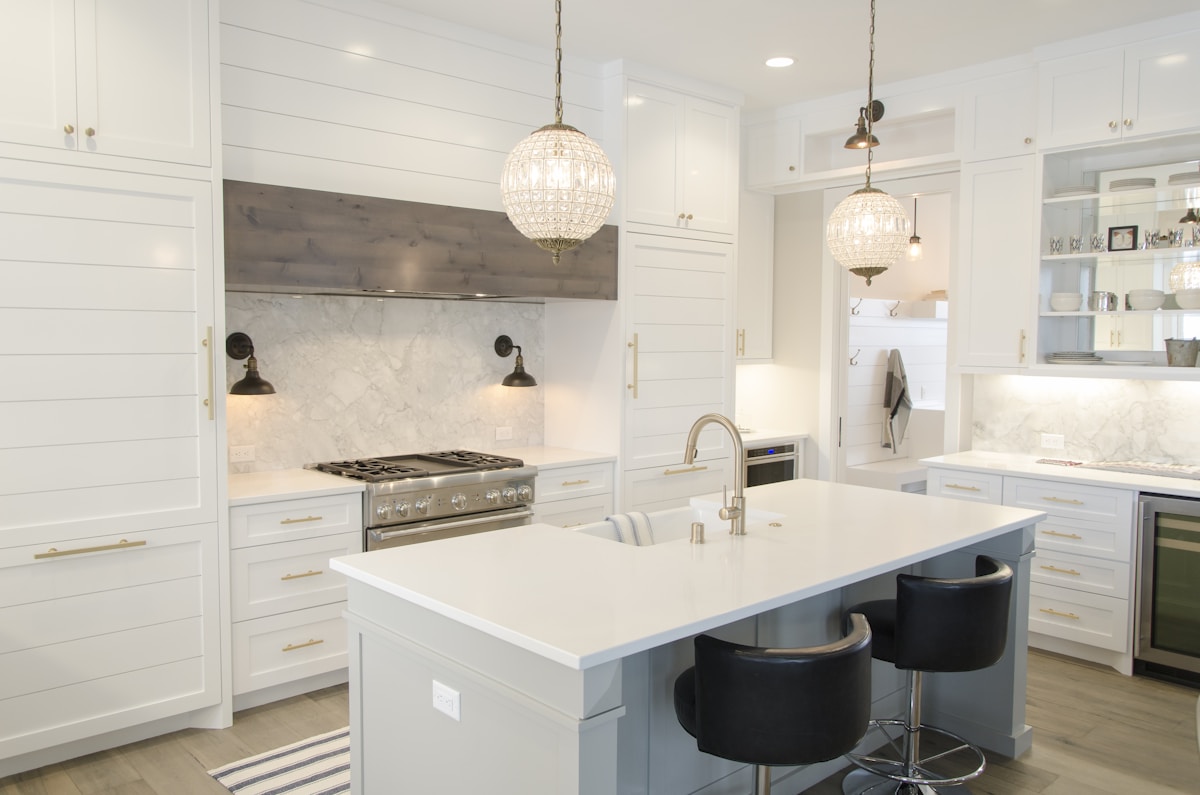
Transforming Spaces: The Art of Layered Lighting in Interior Design
In the realm of interior design, one of the most transformative yet often overlooked elements is lighting. While color palettes, furniture selections, and decor styles receive considerable attention, lighting can dramatically influence the ambiance and functionality of a space. Layered lighting, in particular, plays a crucial role in creating a harmonious environment that caters to both aesthetic appeal and practical use. This article delves into the intricacies of layered lighting, offering insights into how to effectively implement it within any interior space.
Understanding Layered Lighting: The Basics
Layered lighting consists of three primary types: ambient, task, and accent lighting. Each type serves a distinct purpose and contributes to the overall illumination of a room.
-
Ambient Lighting: This is the foundational layer that provides general illumination. Think of it as the main source of light in a room, ensuring that you can navigate comfortably without straining your eyes. It can be achieved through ceiling-mounted fixtures, chandeliers, or wall sconces.
-
Task Lighting: As the name implies, task lighting is focused on specific areas where activities such as reading, cooking, or working occur. Examples include desk lamps, under-cabinet lighting in kitchens, and pendant lights over dining tables.
-
Accent Lighting: This layer adds drama and highlights particular features within a space, such as artwork, architectural details, or plants. Accent lighting can be accomplished with spotlights, LED strips, or decorative fixtures that draw attention to focal points.
Combining these three lighting types creates a balanced environment, enhances the room's functionality, and sets the desired mood. Understanding how to leverage each type effectively is the first step toward mastering layered lighting in your interior design.
Choosing the Right Fixtures and Bulbs
Once you understand the layers of lighting, the next step is selecting the right fixtures and bulbs to achieve your desired effect. The choices you make can significantly alter the atmosphere of your space.
-
Fixture Selection: When choosing fixtures, consider the style and scale of your room. A large, ornate chandelier may overwhelm a small dining room, while sleek, minimalist fixtures can enhance modern spaces. Additionally, consider the function of the light; for example, a bright pendant light may work well in a kitchen, while softer wall sconces can create a cozy atmosphere in a living room.
-
Bulb Types: The type of bulb you choose is equally important. LED bulbs are energy-efficient and have a long lifespan, making them an excellent choice for ambient lighting. For task lighting, opt for bulbs that provide a high color rendering index (CRI), ensuring that colors appear vibrant and true. Warm white bulbs (2700K-3000K) create a welcoming environment, while cooler tones (4000K-5000K) are ideal for more focused tasks.
-
Dimmers: Incorporating dimmer switches into your lighting scheme allows you to adjust the intensity of light based on the time of day or the activity at hand. Dimming capabilities can enhance the versatility of your lighting, enabling you to create a lively atmosphere for entertaining or a tranquil setting for relaxation.
Layering fixtures and bulbs thoughtfully can significantly enhance the functionality and appeal of a room, allowing you to adapt the lighting to various activities and moods.
Creating Zones with Lighting
One of the most effective ways to utilize layered lighting is to create distinct zones within an open-concept space. By strategically placing different types of lighting, you can delineate areas for various functions, enhancing both usability and comfort.
-
Living Areas: In a living room, you might have a central ambient fixture, such as a ceiling fixture or chandelier, complemented by task lighting like floor lamps or reading lights next to seating areas. Accent lighting, such as LED strips along shelves or spotlights on artwork, can add visual interest.
-
Kitchens: In kitchens, ambient lighting is crucial for overall visibility, but task lighting is paramount for work surfaces. Under-cabinet lights illuminate countertops for food preparation, while pendant lights over islands provide focused light for cooking and dining.
-
Bedrooms: In bedrooms, layered lighting can create a serene atmosphere. A soft overhead fixture provides general light, while bedside lamps offer task lighting for reading. Accent lighting, such as wall sconces or LED strips behind the headboard, can create a warm, inviting ambiance.
Creating zones not only enhances the functionality of your space but also allows you to tailor the atmosphere to suit different moods and activities, making your home more versatile and enjoyable.
Incorporating Natural Light
While artificial lighting is vital, don’t underestimate the power of natural light. Harnessing sunlight can significantly enhance your layered lighting strategy. Here are some practical tips to maximize natural light in your interiors:
-
Window Treatments: Choose sheer curtains or blinds that can be easily opened to allow maximum sunlight during the day. If privacy is a concern, consider using light-filtering shades that provide both light and seclusion.
-
Mirrors: Strategically placing mirrors can reflect natural light deeper into a room. A large mirror opposite a window can double the light in a space, making it feel brighter and more expansive.
-
Light Colors: Opt for light-colored walls and furnishings to reflect natural light. Soft whites, light grays, and pastels can amplify the brightness of a room while creating a fresh aesthetic.
-
Open Spaces: If possible, consider an open floor plan that allows light to flow freely between rooms. Removing unnecessary walls or using glass partitions can enhance the effectiveness of both natural and artificial lighting.
Incorporating natural light into your layered lighting scheme enhances the overall brightness of your space and promotes a sense of well-being, creating a more inviting and comfortable environment.
Conclusion: The Transformative Power of Layered Lighting
In the world of interior design, understanding and implementing layered lighting can transform a space from mundane to magnificent. By combining ambient, task, and accent lighting, selecting the right fixtures and bulbs, creating distinct zones, and maximizing natural light, you can craft an environment that is not only functional but also beautifully inviting.
The art of layered lighting is an ongoing journey, one that allows for adaptation and change as your needs and preferences evolve. Whether you're redesigning your home or simply refreshing a single room, consider how lighting can enhance your space. Embrace the transformative power of light, and watch as your interiors become more vibrant, dynamic, and alive.
For inspiration, explore various lighting designs on platforms like Pinterest, where you can find unique ideas for layered lighting setups. Check out this link for some creative concepts or explore this link for more innovative lighting styles.