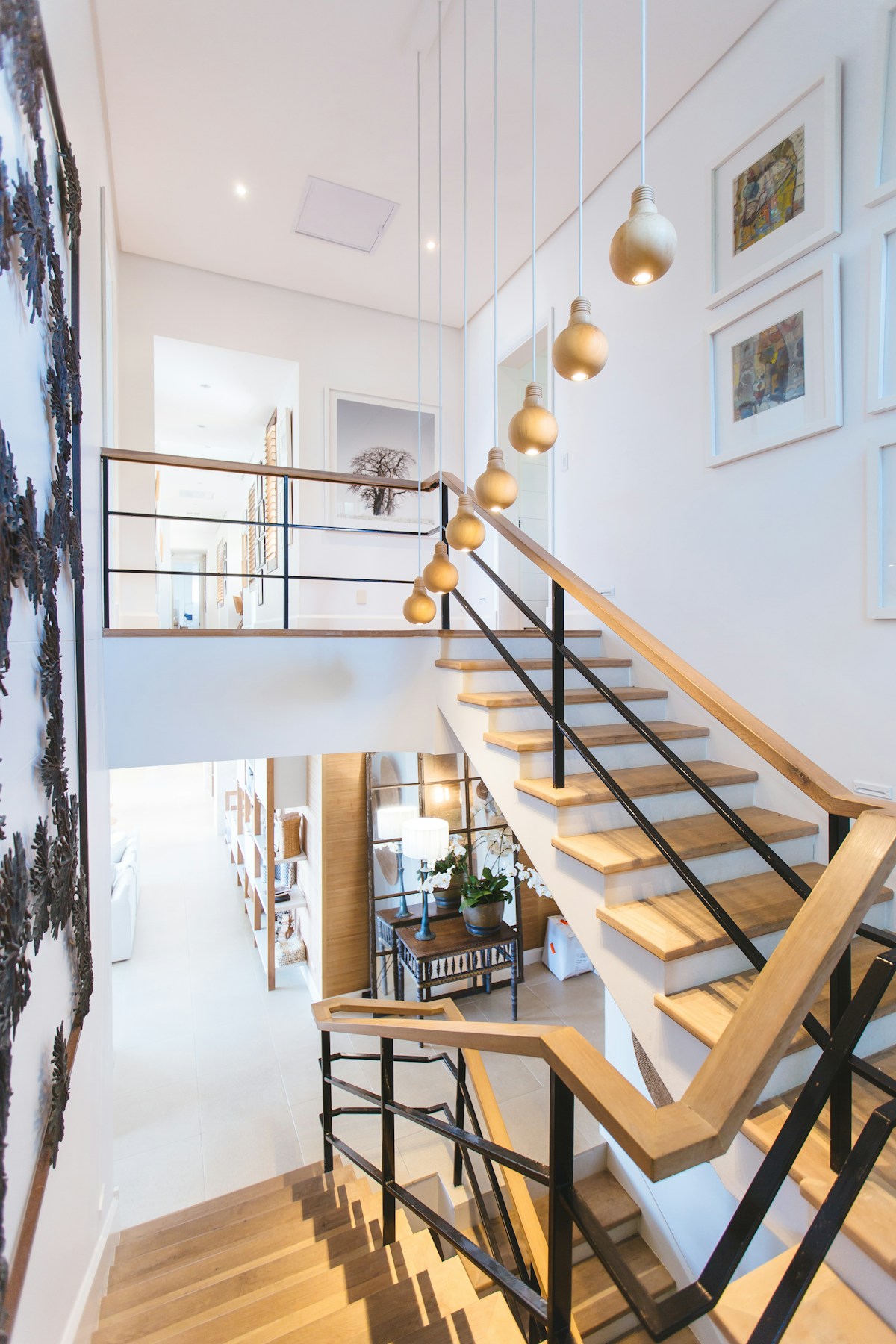
Transforming Spaces: The Art of Layered Lighting in Interior Design
In the realm of interior design, lighting is often relegated to a secondary role, overshadowed by vibrant color palettes and exquisite furniture choices. However, the truth is that lighting defines a space just as much as structural elements do. Properly executed, layered lighting can transform the ambiance of any room, enhancing its functionality and aesthetic appeal. This article dives deep into the art of layered lighting, exploring its types, benefits, and practical tips to help you illuminate your spaces effectively.
Understanding Layered Lighting
Layered lighting is a design strategy that combines different light sources and types to create a harmonious and functional lighting scheme. The three main types of lighting involved in layering are ambient, task, and accent lighting. Each serves a distinct purpose, and when used together, they can elevate a room from ordinary to extraordinary.
-
Ambient Lighting: Often referred to as general lighting, ambient lighting provides a uniform illumination throughout the space. It serves as the foundation of layered lighting, creating an overall glow that allows occupants to navigate the room comfortably. Common sources include ceiling-mounted fixtures, chandeliers, and wall sconces.
-
Task Lighting: As the name suggests, task lighting is focused illumination designed to aid specific activities such as reading, cooking, or working. This type of lighting can be achieved through table lamps, under-cabinet lights in kitchens, and dedicated reading lights in living areas.
-
Accent Lighting: This type of lighting is used to highlight specific features within a room, such as artwork, architectural details, or decorative elements. Accent lighting creates visual interest and depth, drawing attention to focal points. Sources include track lighting, spotlights, and even decorative candles.
Benefits of Layered Lighting
The advantages of layered lighting extend far beyond aesthetics. By strategically employing different types of lighting, you can significantly enhance the functionality and mood of your space.
-
Flexibility: Layered lighting allows you to adjust the ambiance according to different activities or times of day. For instance, a bright, well-lit environment is ideal for cooking, while a softer, warmer glow is perfect for winding down in the evening.
-
Enhanced Aesthetics: By incorporating accent lighting, you can create visual interest and drama within your space. Highlighting artwork or architectural features adds depth and texture, transforming the room into a more dynamic environment.
-
Improved Functionality: Task lighting ensures that specific areas are well-lit for their intended purposes. Whether it’s a well-placed desk lamp for your home office or under-cabinet lighting in the kitchen, appropriate task lighting enhances productivity and safety.
-
Mood Setting: Lighting has a profound impact on our emotions and perceptions. The right combination of ambient, task, and accent lighting can evoke feelings of warmth, calm, or vibrancy, allowing you to create the perfect mood for any occasion.
Practical Tips for Implementing Layered Lighting
Now that we understand the importance of layered lighting, let’s explore some practical tips for implementing it effectively in your home.
-
Assess Your Space: Before diving into lighting decisions, analyze the function of each room. Consider how you use the space and what activities will take place. This assessment will help you determine where to focus your lighting efforts.
-
Start with Ambient Lighting: Begin your layering process with ambient lighting. Choose fixtures that complement your interior style while providing sufficient light. For instance, a modern pendant light can serve as a statement piece in a contemporary kitchen or dining area.
-
Incorporate Task Lighting: Once your ambient lighting is in place, think about specific tasks that require additional illumination. Invest in adjustable table lamps for reading nooks or install under-cabinet lighting in the kitchen to brighten work surfaces. Make sure task lighting is positioned correctly to avoid glare and shadows.
-
Add Accent Lighting: To draw attention to art pieces or architectural features, incorporate accent lighting. Use track lighting or wall-mounted fixtures to highlight these areas. Remember, accent lighting should be about three times brighter than the ambient light in the room to achieve the desired effect.
-
Consider Dimming Options: Dimmers are a game-changer in layered lighting. They allow you to adjust the brightness of your ambient lighting, creating different moods throughout the day. Installing dimmer switches can transform a bright, energetic space into a cozy retreat with just a flick of a switch.
-
Utilize Natural Light: Don’t forget about the role of natural light in your layered lighting strategy. Arrange mirrors strategically to reflect light and make spaces feel larger. Choose sheer window treatments to allow sunlight to filter in, enhancing the overall brightness of the room.
Creating a Cohesive Design
While layering lighting types is essential, achieving a cohesive design is equally important. The interplay between different lighting fixtures should enhance the overall aesthetic of your space. Here are some tips for ensuring that your lighting choices harmonize with your interior design:
-
Choose a Consistent Style: Select lighting fixtures that complement your overall design theme. Whether your style is modern, rustic, or eclectic, ensure that your lighting choices resonate with the character of the room.
-
Mix Materials Thoughtfully: While it’s important to maintain consistency, mixing materials can add depth. For example, a brass pendant light paired with a wooden table lamp can create a visually interesting combination while still feeling cohesive.
-
Vary Heights: To add visual interest, vary the heights of your lighting fixtures. Hanging pendant lights at different levels or using floor lamps alongside table lamps can create a dynamic atmosphere.
-
Use Color Temperature Wisely: The color temperature of your light bulbs affects the mood of your space. Warmer tones (2700K-3000K) create a cozy ambiance, while cooler tones (4000K-5000K) promote alertness. Be mindful of the color temperature used in each layer of lighting to achieve the desired effect.
Conclusion: Illuminating Your Journey
Layered lighting is an art form that can redefine the way you experience your living spaces. By understanding the different types of lighting and their purposes, you can create a harmonious, functional, and visually appealing environment. Whether you are designing a cozy reading nook or a vibrant kitchen, remember that lighting is not just a necessity; it’s a crucial element of your overall design strategy.
As you embark on your lighting journey, take the time to experiment and explore various combinations. Utilize tools like Pinterest to gather inspiration—check out ideas from this pin or this pin. Ultimately, the goal is to create a space that reflects your personality and meets your functional needs, all while basking in the perfect light.