
Luxury interior design is often perceived as an exclusive realm reserved for the affluent, where style meets comfort in an extraordinary concoction. However, over time, the definition of luxury has evolved, manifesting in two primary styles that draw distinct enthusiasts: classic and contemporary. Each represents a unique approach to aesthetics, functionality, and cultural influences, allowing homeowners to express personal taste while navigating current trends. In this article, we will delve into the defining aspects of both classic and contemporary luxury interiors, illuminating the intricate dance between tradition and modernity.
The Allure of Classic Luxury Interiors
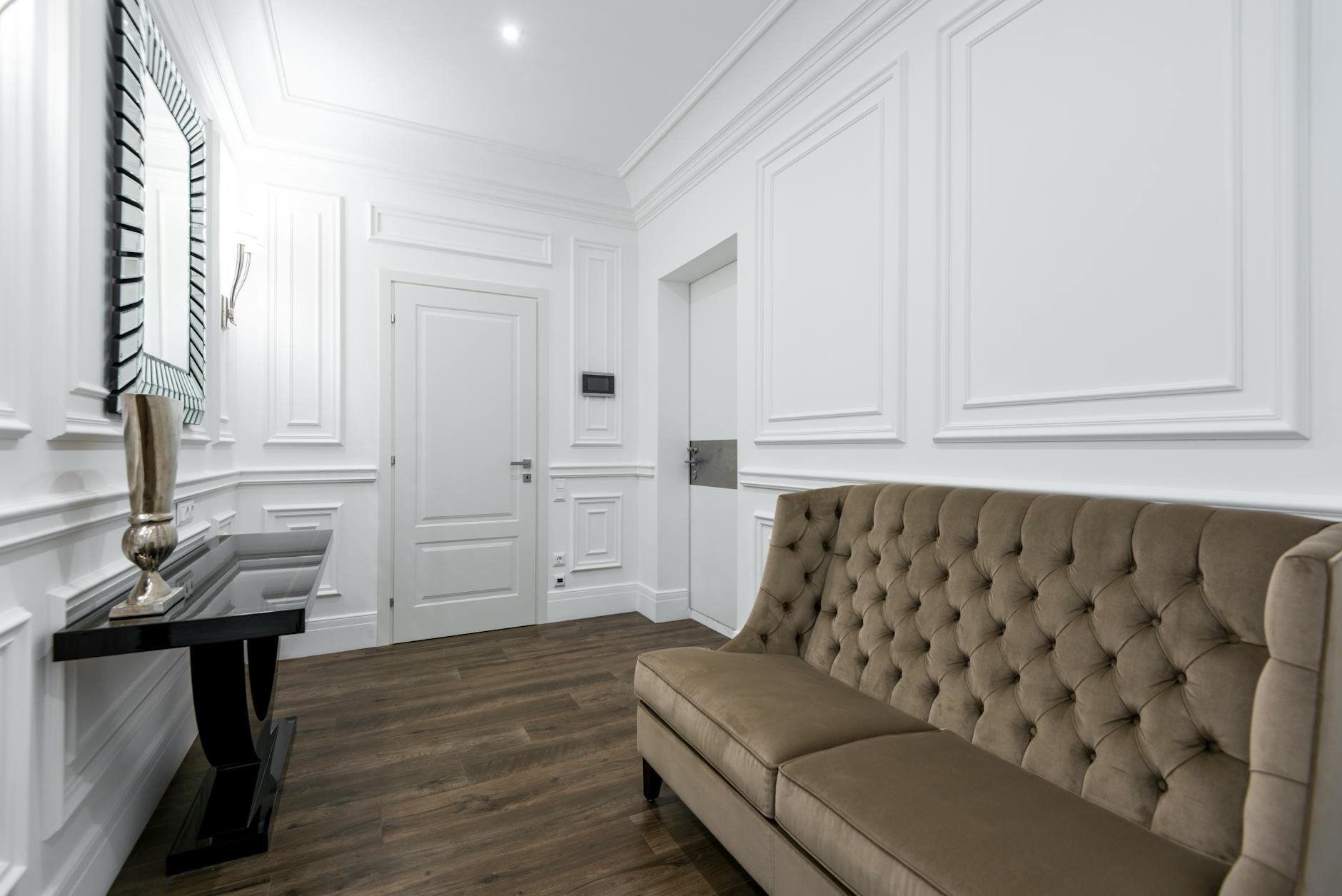
Classic luxury interiors boast a timeless charm that connects with history and tradition. This style typically emphasizes grandeur, with elegant details that evoke a sense of sophistication. Think of ornate moldings, rich fabrics, and antique furnishings—the essence of classic design is deeply rooted in architectural styles such as Baroque, Rococo, and Neoclassicism. Materials like mahogany, marble, and silk often dominate the palette, contributing to a luxurious ambiance that invites admiration.
Color schemes in classic interiors tend to favor muted, rich hues like deep royal blues, burgundy, and earthy greens. Layering textures is a hallmark of this style; plush rugs may cushion polished hardwood floors, while silk drapes frame stately windows. Furniture arrangements are often symmetrical, promoting balance and cohesion throughout the space. Accessories such as crystal chandeliers and gilded mirrors add to the opulent atmosphere, reflecting light in a way that enhances the room’s depth and character.
Ultimately, classic luxury interiors provide a narrative, telling stories of bygone eras through carefully curated embellishments. Although the style may appear rigid to some, it permits personalization through the selection of heirloom pieces or newly crafted items that echo historical artistry. A classic interior can serve as a canvas for one’s personal journey, whispering tales of family history while celebrating the present moment.
The Freshness of Contemporary Luxury Interiors
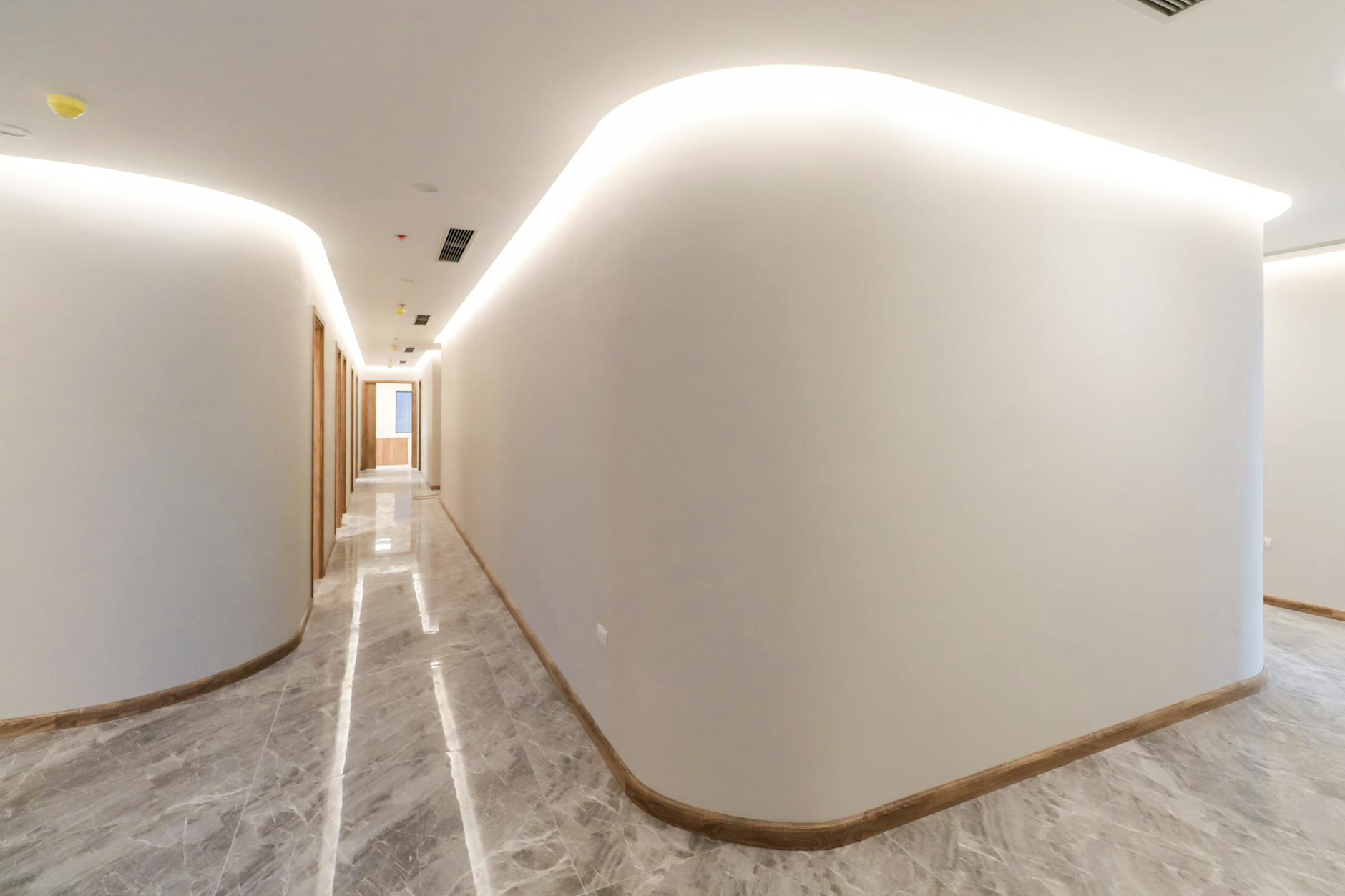
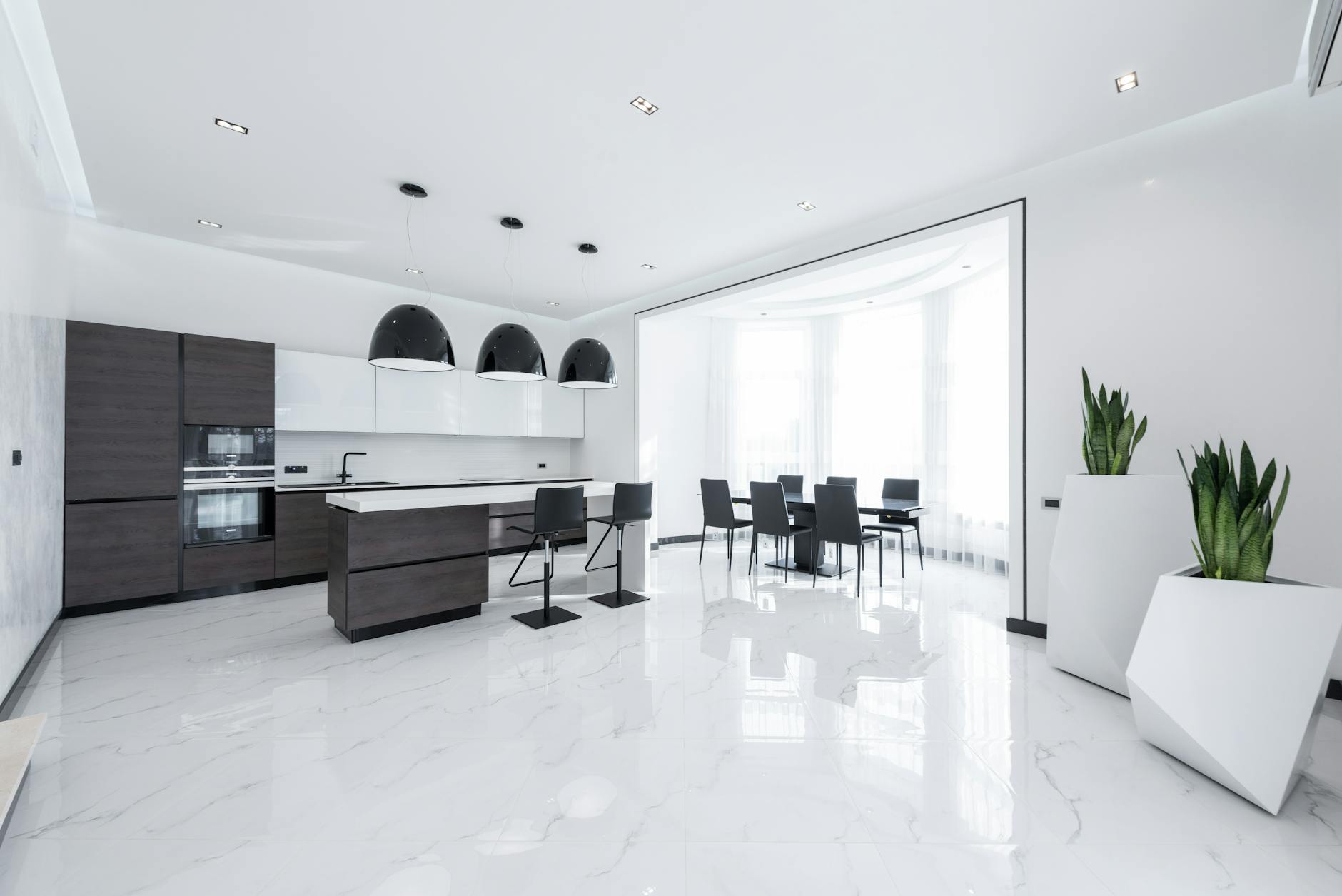
In stark contrast, contemporary luxury interiors embody a sleek, innovative spirit that embraces change and creativity. This design philosophy often prioritizes minimalism, focusing on clean lines and uncluttered spaces. The emphasis here is on functionality intertwined with aesthetics, where every element serves a purpose while contributing to the overall design narrative. Contemporary spaces are known for their bold color choices, often highlighting neutrals punctuated by vibrant accents that invigorate the atmosphere.
Natural light plays a pivotal role in contemporary designs, often facilitated by expansive windows that bring the outdoors inside. Open floor plans are a trademark of this style, promoting a fluidity that fosters social interaction and connection among spaces. High-tech elements are frequently integrated, including smart home features and energy-efficient appliances that reflect modern living’s demands and values. Furniture in contemporary interiors often embraces unconventional shapes and materials, providing playful yet sophisticated accents that challenge traditional forms.
Art plays a fundamental role in contemporary luxury interiors. Statement pieces from emerging artists or renowned masters often adorn the walls, adding personality and sparking conversation. This style invites risk, allowing homeowners to showcase their individuality through curated collections, whether eclectic or cohesive. The contemporary approach celebrates modern craftsmanship, where the beauty is found in simplicity and utility, drawing together form and function in a harmonious composition.
Choosing Your Luxurious Style: A Personal Journey
Determining whether to embrace classic or contemporary luxury interiors often hinges on individual preferences and lifestyle. While some may gravitate towards the comforting embrace of historical aesthetics, others might seek the invigorating air of innovation. This decision can reflect a homeowner’s personality, values, and the story they wish to tell through their living spaces. Regardless of the direction taken, it’s essential to consider how the design will resonate with daily life.
Classic interiors provide a sense of stability and timelessness; they can create havens of comfort where one can relax and unwind. Those who appreciate craftsmanship and a connection to cultural heritage will likely find solace in classic luxury. On the other hand, contemporary designs resonate with individuals who thrive on change and value forward-thinking technology. They cater to those seeking a vibrant lifestyle that incorporates comfort and modern advancements seamlessly.
Another aspect to consider is the potential for blending styles. The lines between classic and contemporary can become beautifully blurred, resulting in what is often termed transitional design. This approach allows homeowners to harmonize timeless pieces with modern accents, creating a unique landscape that tells a multifaceted story. For instance, pairing an antique dining table with contemporary dining chairs can marry two worlds while retaining individual character and charm.
Future Trends: The Evolution of Luxury Interiors
As the world changes, so do our ideas about luxury and how it manifests in our interiors. Emerging trends emphasize sustainability, personal wellness, and the importance of a home as a sanctuary. Materials that are eco-friendly and responsibly sourced are gaining prominence in both classic and contemporary designs. Luxury today is not only defined by opulence but also by mindfulness and conscientious choices.
As we look forward, the fusion of technology with design continues to grow, leading to smarter and more efficient home environments. The rise of biophilic design integrates nature into living spaces, fostering connections to the outside world. This trend draws from both classic and contemporary aesthetics—think of lush indoor gardens alongside sleek minimal furnishings. In this way, luxury interior design is expanding its reach, becoming a reflection of cultural shifts and a commitment to sustainability.
Ultimately, the interplay between classic and contemporary luxury interiors offers countless opportunities for personal expression and creativity. Homeowners are now more empowered than ever to curate spaces that reflect their tastes, values, and aspirations—whether they lean towards the timeless elegance of classic or the spirited innovation of contemporary design. The journey to create a luxurious home is more than just a reflection of wealth; it’s a celebration of individuality and a commitment to crafting a unique haven.
