
Traveling is often about experiencing the wonders of our world, and for many, famous landmarks serve as iconic symbols of culture and history. However, not every renowned site lives up to its reputation. In this article, we will explore some of the most famous landmarks that are often regarded as overrated. By examining their historical significance, visitor experiences, and the overall hype they attract, we aim to provide a fresh perspective on these notable destinations.
The Eiffel Tower: More Than Just a Metal Structure?
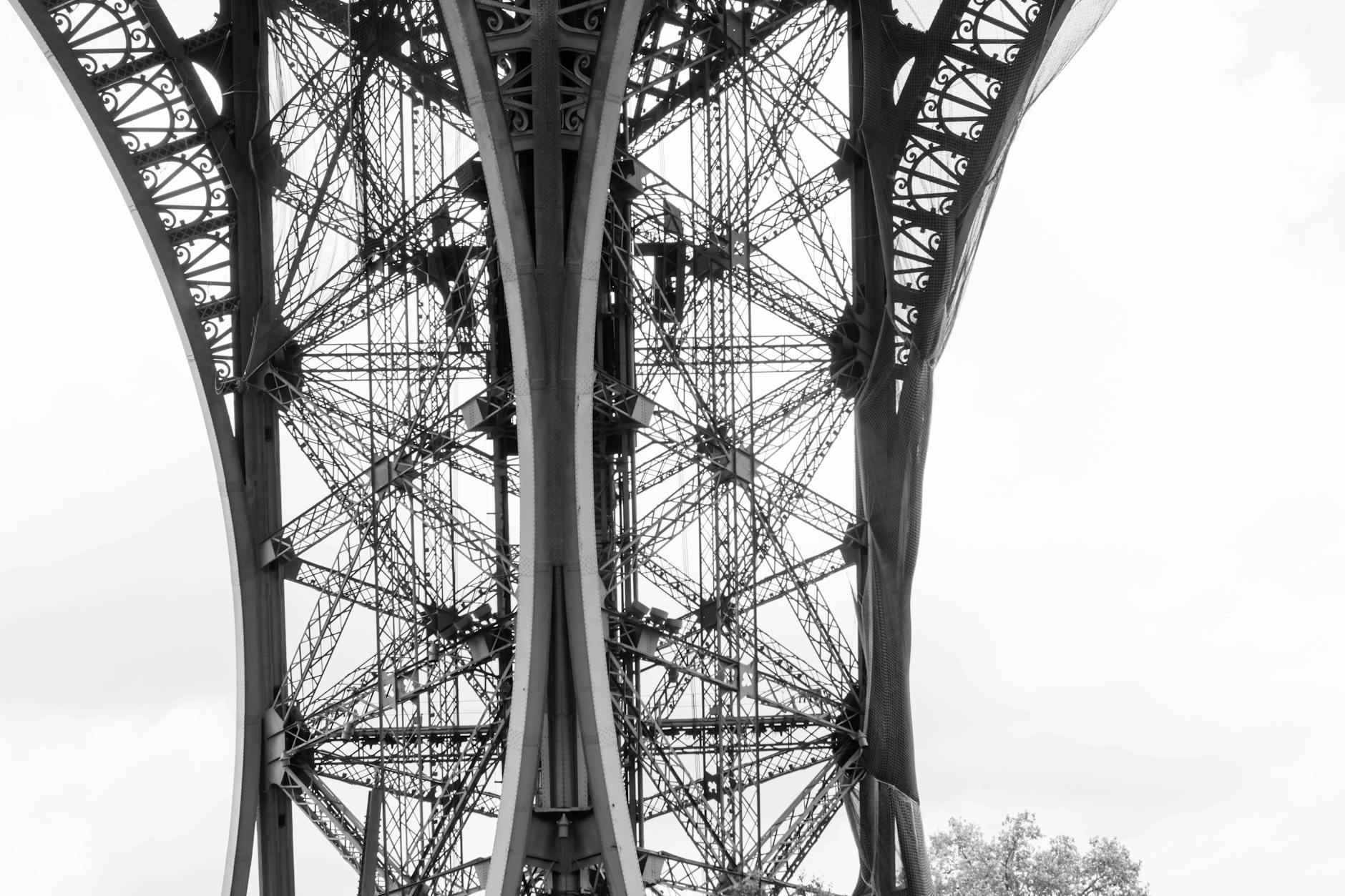
The Eiffel Tower stands tall as the quintessential symbol of Paris, drawing millions of tourists every year. This iron lattice tower, completed in 1889, was initially criticized for its design and has since become an iconic piece of architecture. However, many visitors leave feeling underwhelmed. The views from the top are largely obscured by the city’s development, and the long lines to access the elevator can lead to frustration. What was once a breathtaking engineering feat feels more like a theme park ride than an authentic cultural experience.
“The Eiffel Tower is a great place to take a picture, but not exactly the best place to appreciate Paris.” – Anonymous Traveler
Moreover, the surrounding area has become increasingly commercial, with an abundance of souvenir shops and overpriced eateries that detract from the experience. While the Eiffel Tower undoubtedly plays a significant role in Parisian culture, visitors should consider exploring lesser-known attractions that offer both historical depth and a more intimate connection to the city.
Taj Mahal: A Monument of Love or a Tourist Trap?
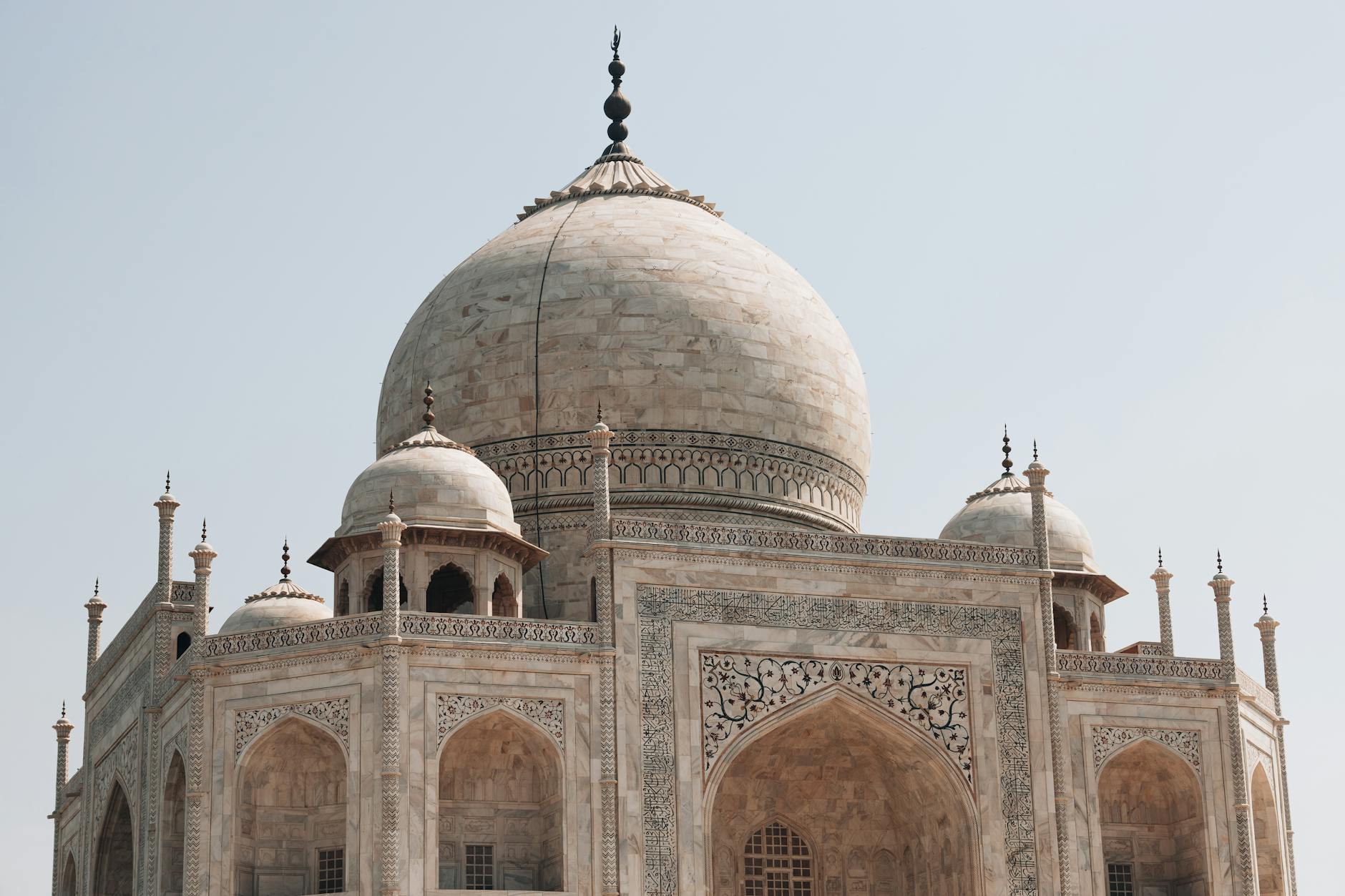
Regarded as one of the Seven Wonders of the World, the Taj Mahal is celebrated as a symbol of eternal love. Located in Agra, India, this stunning mausoleum attracts visitors from around the globe. Despite its architectural beauty and historical significance, many find the experience disappointing. The sheer volume of tourists can make it challenging to truly appreciate the site, as large crowds impede the opportunity for intimate reflection.
Additionally, the surrounding environment has faced significant degradation due to pollution and neglect. The once pristine gardens and reflecting pools no longer retain the charm they depicted in photographs. While the Taj Mahal is steeped in a romantic narrative, the reality of its visit can feel more like an overcrowded event than a serene escape. Potential travelers might want to consider alternatives such as the nearby Agra Fort or the lesser-known Itimad-ud-Daulah’s Tomb, often referred to as the “Baby Taj,” which provides a quieter and equally beautiful experience.
The Colosseum: A Glimpse into Ancient Rome or a Commercialized Space?
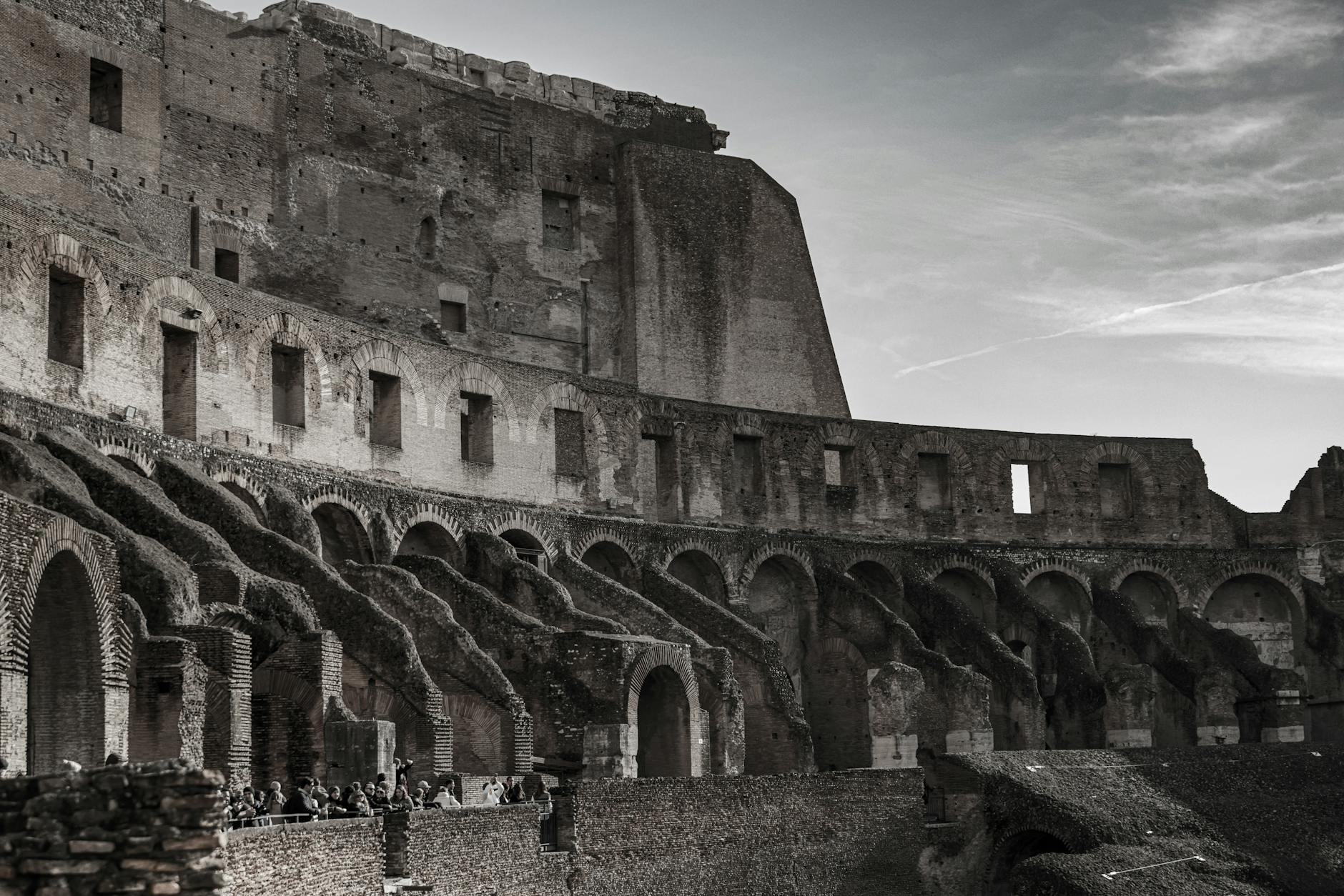
As one of the most recognizable monuments in the world, the Colosseum is emblematic of ancient Rome’s architectural marvels. Built during the reign of Emperor Vespasian, this amphitheater has withstood the test of time, yet many visitors find that its grandeur doesn’t translate well to the modern-day experience. Ticket prices are inflated, and the crowds are overwhelming, leading to a hurried and superficial visit.
While the Colosseum’s historical significance is indisputable, the commercialization surrounding it has diminished its allure. Numerous vendors, tour guides, and promotional activities create a distracting atmosphere that makes it difficult to immerse oneself in the historical narrative of the site. Many travelers leave feeling as if they have missed out on the true essence of Roman history, suggesting that a visit to the Roman Forum or Palatine Hill may provide a more authentic glimpse into ancient life.
“The Colosseum is more of a selfie spot than a place to connect with the past.” – Travel Blogger
The Leaning Tower of Pisa: A Slanted Structure with a Straightforward Appeal?
The Leaning Tower of Pisa attracts countless tourists eager to capture the perfect photo of themselves “holding” up the famous structure. However, beyond the novelty of its tilt, the tower is often seen as less impressive when compared to other attractions in Italy. At just under 56 meters tall, it’s relatively small compared to the grand cathedrals and historical monuments that fill the country.
The experience of visiting the tower can feel more like a staged performance than an authentic cultural encounter. The surrounding Piazza dei Miracoli is lined with souvenir stalls and bustling with tourists, which detracts from the serene beauty of the architecture. While it’s undeniably charming to share a laugh with friends over a photo op, many travelers come away feeling that the Leaning Tower lacks the depth and significance of other Italian landmarks like the Vatican or the Uffizi Gallery.

The Statue of Liberty: An Icon with a Complicated Legacy
The Statue of Liberty has long been celebrated as a beacon of freedom, welcoming millions of immigrants to American shores since its unveiling in 1886. However, it often garners mixed reviews from visitors. While the statue holds immense historical and symbolic value, the visitor experience can be disappointing due to long lines, crowded ferries, and limited access to the pedestal and crown. For many, the experience is overshadowed by the logistical challenges involved in visiting.
Moreover, critics argue that the statue’s symbolism is often romanticized, glossing over America’s complex history with immigration and freedom. Instead of a simple photo opportunity, a visit to Liberty Island could be complemented by exploring nearby Ellis Island and its rich narratives of American immigration. By engaging with the broader context of these landmarks, visitors can appreciate their significance beyond mere aesthetics.
Final Thoughts: Exploring Beyond the Hype
While famous landmarks such as the Eiffel Tower, Taj Mahal, and Colosseum are undeniably significant, their overexposure often leads to a diluted experience for visitors. Travelers are encouraged to seek alternatives that offer a more authentic and enriching encounter with culture and history. By visiting lesser-known sites or engaging with local narratives, one can discover hidden gems that tell compelling stories without the overwhelming crowds. Ultimately, the true essence of travel lies in the connections we make with a place, rather than just checking off a list of iconic sites.
