
Traveling to new countries is an exhilarating experience filled with the promise of adventure, new friendships, and unforgettable memories. Yet, travelers often encounter cultural shocks that challenge their perceptions and make the journey even more enriching. Such experiences vary across different destinations, but they invoke a sense of awe, confusion, or even discomfort. In this article, we’ll explore some common cultural shocks that many travelers encounter, empowering you to embrace the diversity of our global community.
Distinct Food Practices
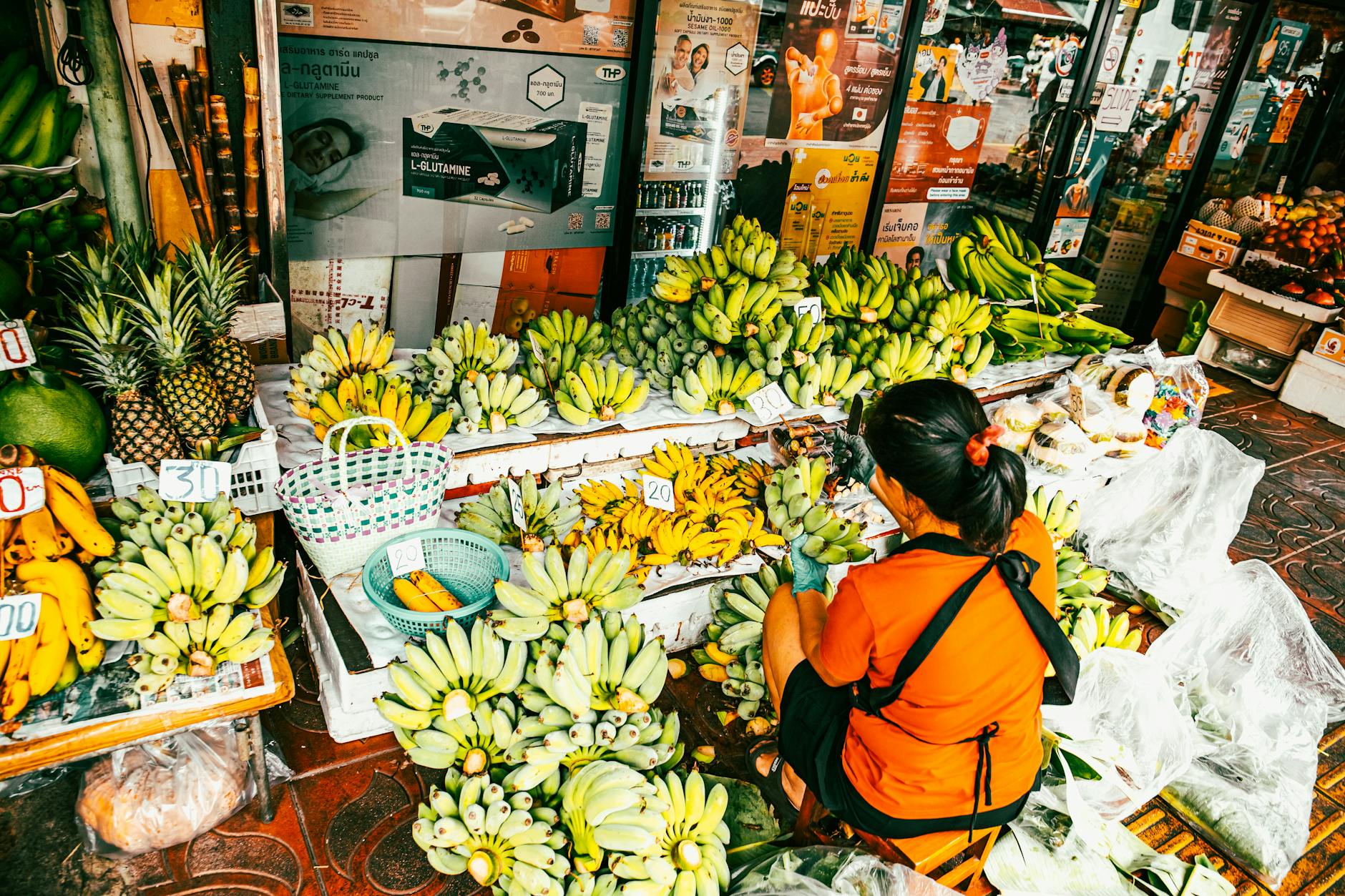
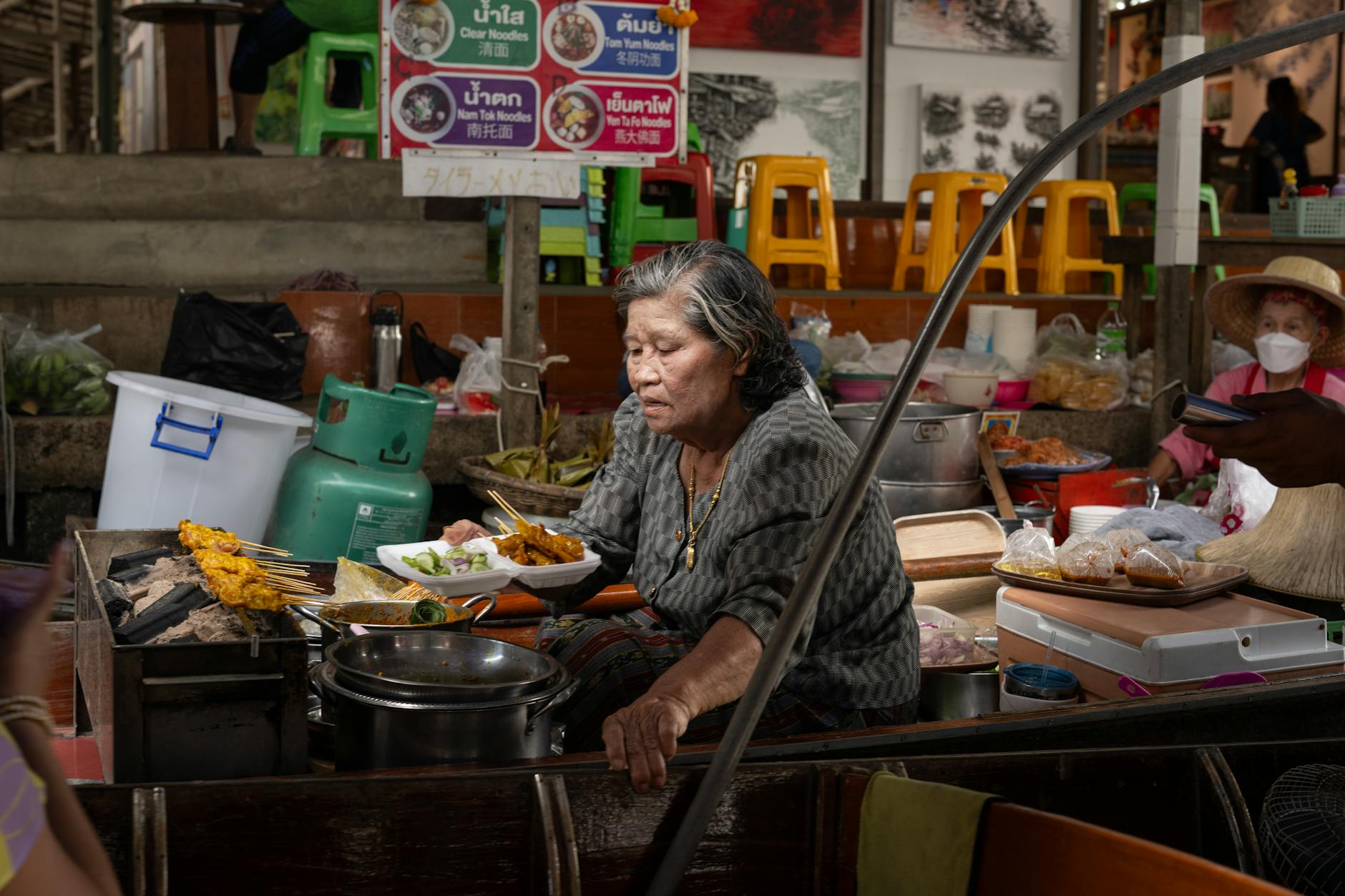
One of the most immediate cultural shocks often stems from the local cuisine. While food is a universal language that brings people together, the way it is prepared, served, and eaten can differ dramatically across cultures. In countries like Thailand and India, street food is not just a convenient option but a crucial part of daily life. Travelers may find themselves bowled over by the array of exotic flavors, unusual ingredients, and unique eating customs.
In many Western countries, meals are served on individual plates, but in places like Ethiopia, it’s common to share a large platter of food, using injera (a sourdough flatbread) to scoop up the communal dishes. This practice may initially seem intimidating to those unaccustomed to it, but it fosters a sense of camaraderie and connection. Embracing these food practices not only allows you to savor new tastes but also helps you appreciate the culture behind them.
Varied Social Norms and Etiquette
Another area where cultural shocks can arise is in social behavior and etiquette. Each culture has its customs and unwritten rules about what is considered polite or rude. For example, in Japan, bowing is a common greeting, and the depth of the bow may signify respect or gratitude. On the contrary, in many Western cultures, a firm handshake is the norm. Failing to recognize these nuances can lead to awkward or embarrassing situations.
Moreover, personal space varies greatly; what feels comfortable in one culture might be perceived as intrusive in another. In countries like Brazil, people often stand closer to each other during conversations, while in North America, the concept of personal space is more pronounced. Understanding these social norms not only facilitates smoother interactions but also enriches your overall travel experience.
Language Barriers and Communication Styles
Language is deeply tied to culture, and many travelers experience culture shock when they find themselves in places where they do not speak the local language. This can lead to misunderstandings, missed connections, and heightened frustration. In non-English-speaking countries, phrases that may seem simple in English can become complex or lost in translation. Furthermore, the way people communicate can vary; some cultures are more direct, while others employ subtler, indirect methods of conversation.
For instance, in Germany, people may value straightforwardness, while in Asian cultures, particularly in diplomatic contexts, a more nuanced approach is often preferred. Travelers may find themselves in situations where they need to read between the lines or interpret non-verbal cues, which can feel disorienting. Engaging with locals, using translation apps, or even learning a few basic phrases can mitigate some of these shocks and enhance your immersion in the culture.

Different Approaches to Time and Punctuality
The concept of time can also be a significant source of cultural shock. Travelers from nations where punctuality is highly valued may struggle in countries where time is perceived more fluidly. In many Latin American and Middle Eastern cultures, being “on time” might not carry the same weight as it does in places like Germany or Switzerland. Social events may start later than scheduled, and this can be frustrating for those who are accustomed to strict adherence to time.
Recognizing these varied attitudes toward time can help travelers adjust their expectations. Instead of feeling irritated by delays or a lack of schedule, embracing the ebb and flow of local customs can foster a more relaxed and enjoyable travel experience. After all, the flexibility of time may provide opportunities for unexpected encounters and beautiful moments that a rigid schedule might miss.

Public Behavior and Freedom of Expression
Travelers may also be shocked by different attitudes toward public behavior and personal freedoms. In some cultures, displaying affection in public—such as holding hands or kissing—is commonplace, while in others, it may be frowned upon or even prohibited. In many Middle Eastern nations, modesty is emphasized, and behaviors that are considered normal elsewhere can lead to serious repercussions.
Travelers should be mindful of local laws and customs regarding public behavior to ensure they remain respectful and avoid any unintended offense. Being aware of these cultural standards not only promotes a more harmonious experience but also builds a deeper respect for the diversity of human expression. Engaging with locals about their customs can provide invaluable perspectives on public behavior and help bridge the gap between different ways of life.
Cultural Celebrations and Traditional Values
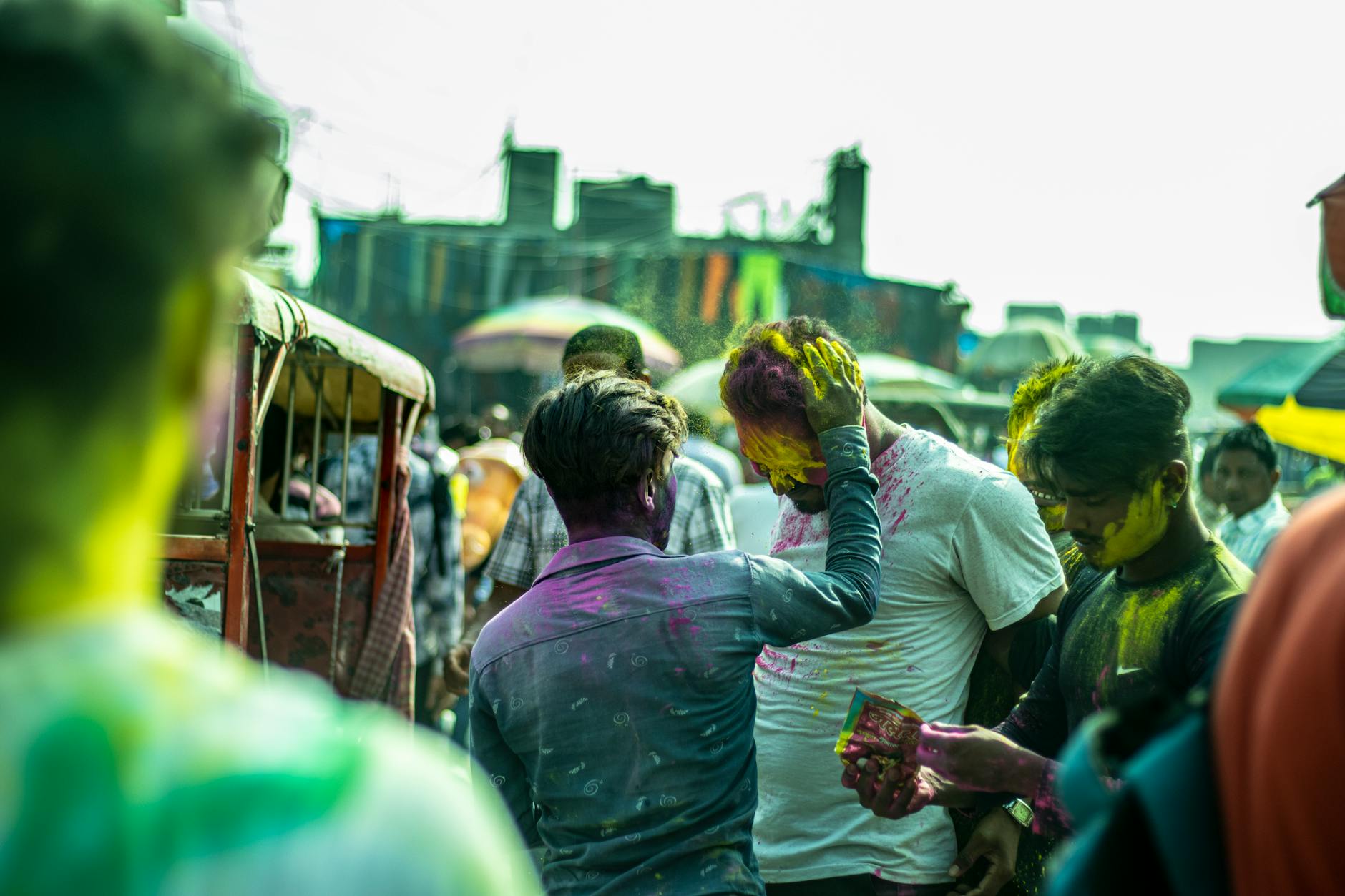
Finally, witnessing local festivals and traditional ceremonies can present another layer of cultural shock. Festivals often reflect a society’s values, history, and collective identity, showcasing both joy and solemnity. Whether it’s the vibrant colors of Holi in India or the breathtaking parades of Carnival in Brazil, these events can be overwhelming yet profoundly beautiful experiences.
Travelers might find the significance of these celebrations fascinating yet perplexing. Why are certain customs maintained over centuries? What do they symbolize? Participating in or observing these festivities offers travelers an opportunity to gain insight into the local culture and forge connections with the people. It’s a chance to celebrate human experiences that transcend borders and speak to the heart of what it means to belong.
The journey of travel is often marked by moments of wonder, learning, and self-discovery. By recognizing and embracing the cultural shocks encountered along the way, travelers can deepen their understanding of the world and foster an appreciation for the rich tapestry of human experience. So, the next time you step into the unknown, approach it with an open mind and a willingness to learn; your adventures will be all the more rewarding.
