
The color palette you select for a premium space can significantly influence not only the aesthetics but also the functionality of the environment. Whether you’re designing a luxury home, a high-end office, or a sophisticated hotel lobby, the right palette can evoke emotions, enhance features, and create a cohesive identity. This guide delves into the principles of color theory, the impact of colors on perception, and practical tips for curating a color palette that reflects a sense of exclusivity and elegance.
Understanding Color Theory
Before plunging into color selection, it is essential to grasp the fundamentals of color theory. Colors can be categorized into three primary types: primary, secondary, and tertiary. Primary colors (red, blue, and yellow) cannot be created by blending others, while secondary colors (green, orange, and purple) arise from mixing primary colors. Tertiary colors, in contrast, form when a primary color combines with a secondary one.
In design, the color wheel serves as a valuable tool for selecting harmonious color combinations. Complementary colors—those positioned opposite each other on the color wheel—create a vibrant contrast. Analogous colors, found next to one another, result in a more serene and harmonious look. By understanding these relationships, designers can choose accents and focal points effectively, enhancing the overall aesthetic of a premium space.
Identifying the Mood and Function
Colors evoke emotions and can dramatically influence the mood of a space. For example, blue is often associated with tranquility and professionalism, making it a suitable choice for a corporate office. In contrast, warmer tones like red and orange may energize a space, perfect for creative environments. When selecting a color palette, consider the primary function of the area and the atmosphere you wish to create.
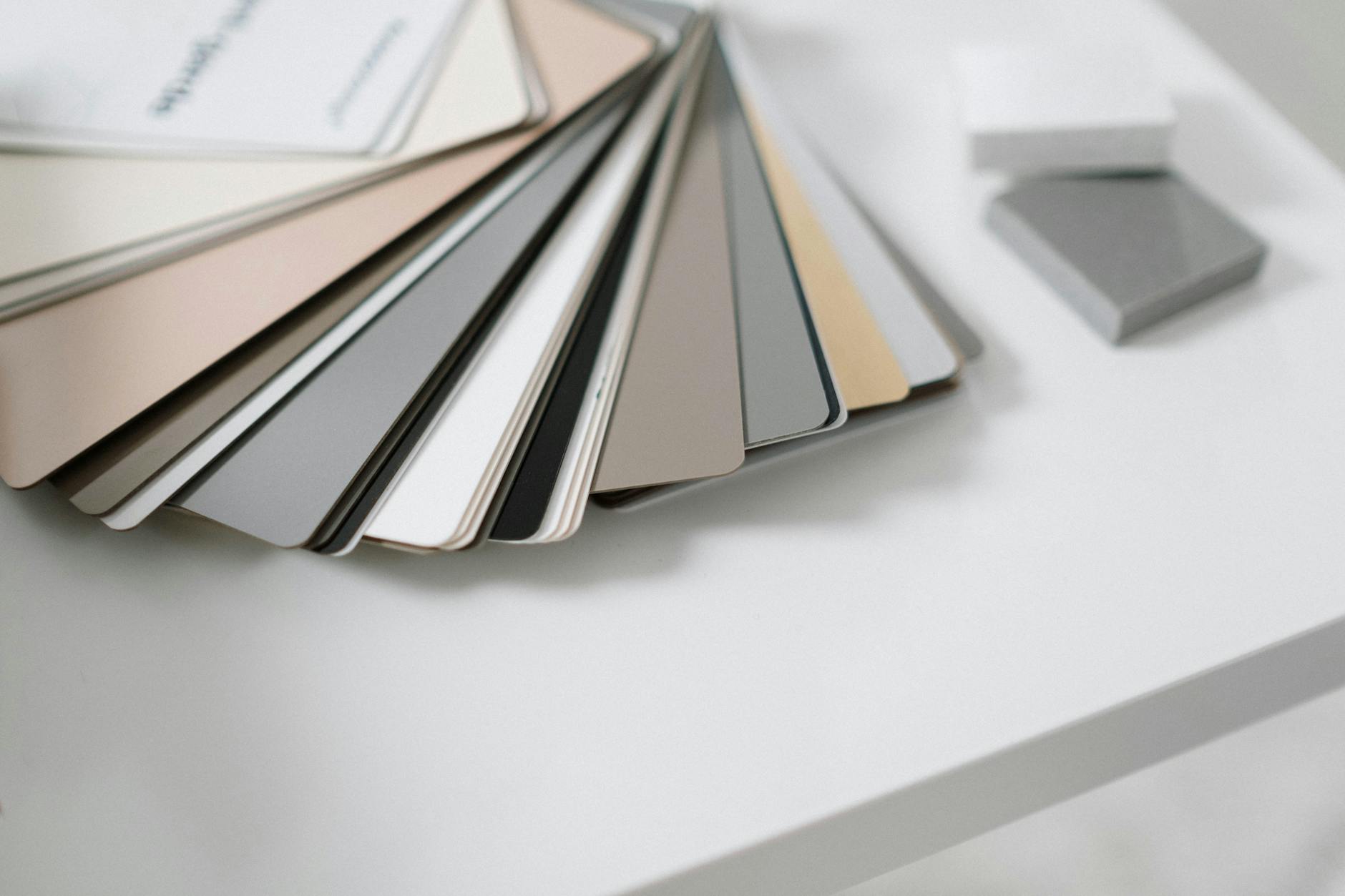
For premium spaces, luxury often correlates with a sense of calm, sophistication, and comfort. Neutral colors such as beige, taupe, and gray can act as excellent backdrops, allowing for bolder accents. Incorporating rich, jewel-toned colors—such as emerald green, sapphire blue, or deep burgundy—can introduce an element of opulence without overwhelming the senses.
Creating a Cohesive Palette
Once you have a clear understanding of the emotions you want to evoke, it’s time to create a cohesive color palette. Start by selecting a dominant color that embodies the essence of your desired atmosphere. This color will take center stage in your design and should be complemented by secondary and accent colors.
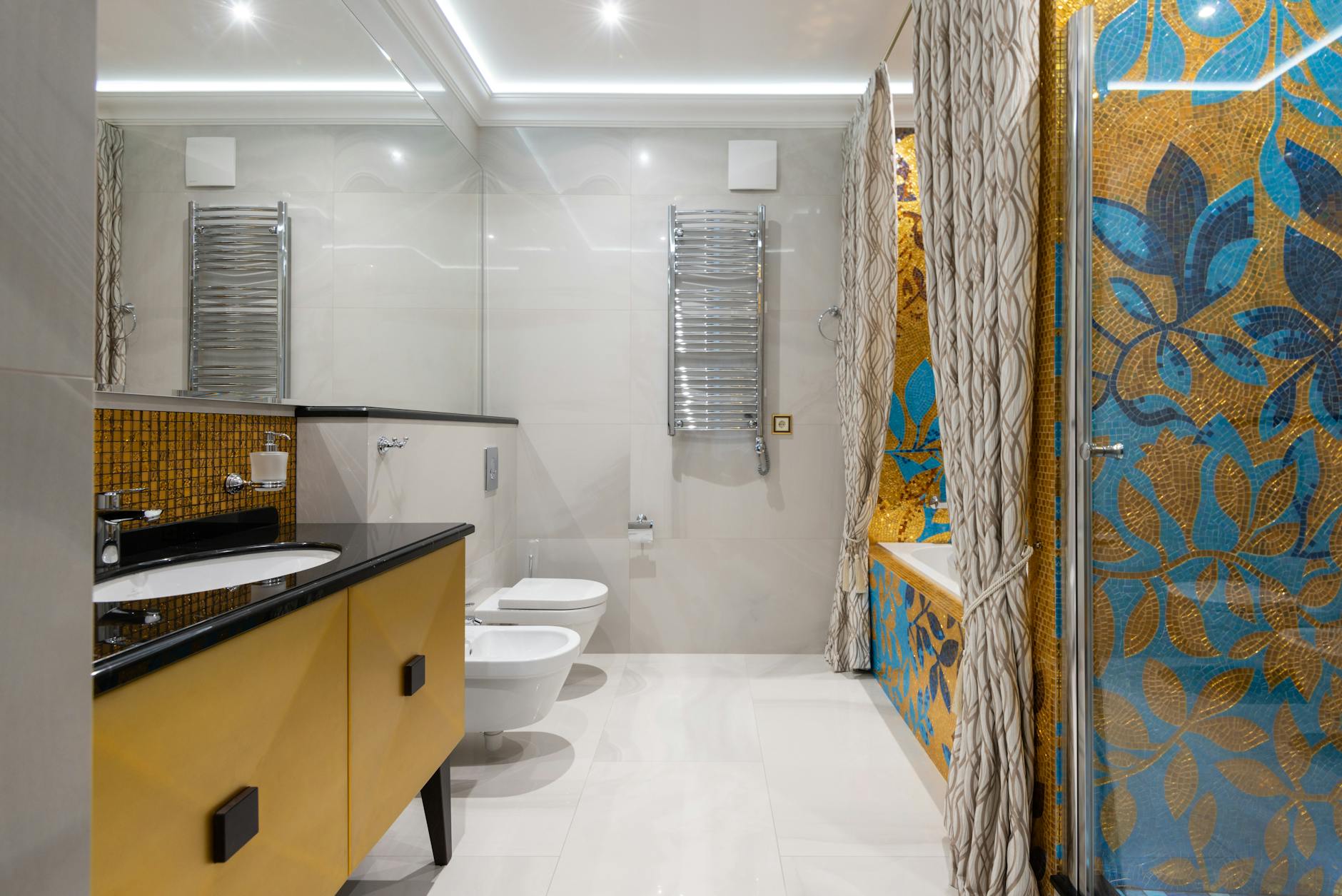
A commonly used approach is the 60-30-10 rule: 60% of the space should feature the dominant color, 30% a secondary shade, and 10% an accent color. This balance allows for visual interest while maintaining harmony. For instance, in a luxury hotel lobby, a soft gray may serve as the dominant color, with sleek navy blue as the secondary and gold as the accent—intensifying the space’s upscale feel.
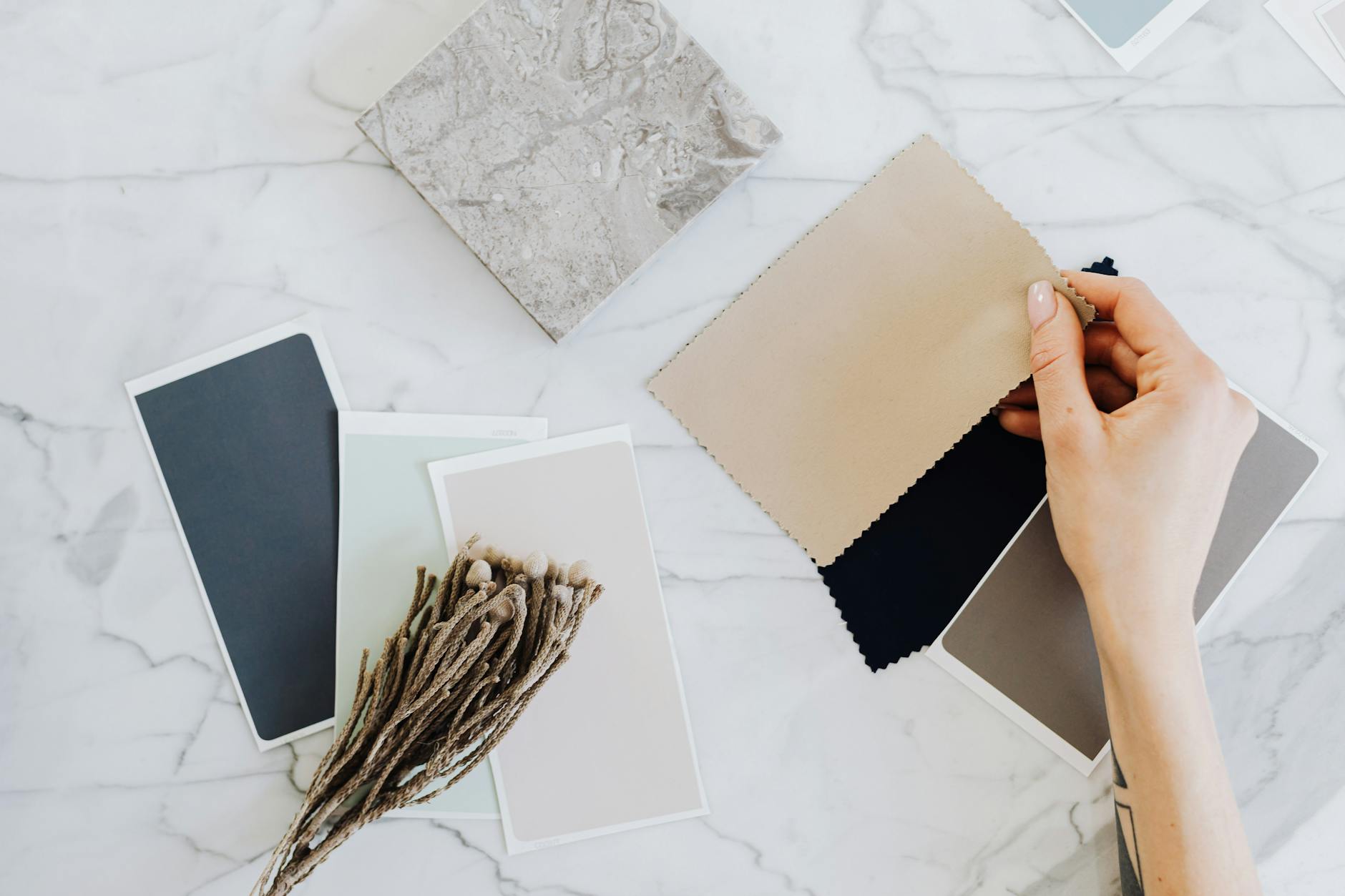
When selecting your secondary and accent colors, consider their placement and how they interact with the dominant hue. Use swatches to visualize the combination in different lighting conditions, as natural and artificial light can alter perceptions of color dramatically. Testing the palette within the actual space ensures that it maintains its integrity once applied.
Incorporating Trends and Personal Touches
In addition to timeless color principles, keeping an eye on current design trends can elevate a premium space. Minimalism, biophilic design, and sustainability are trends that have recently gained traction. Earthy tones and organic greens are popular for those looking to create a connection with nature, while monochromatic schemes suit spaces aiming for sleek simplicity.
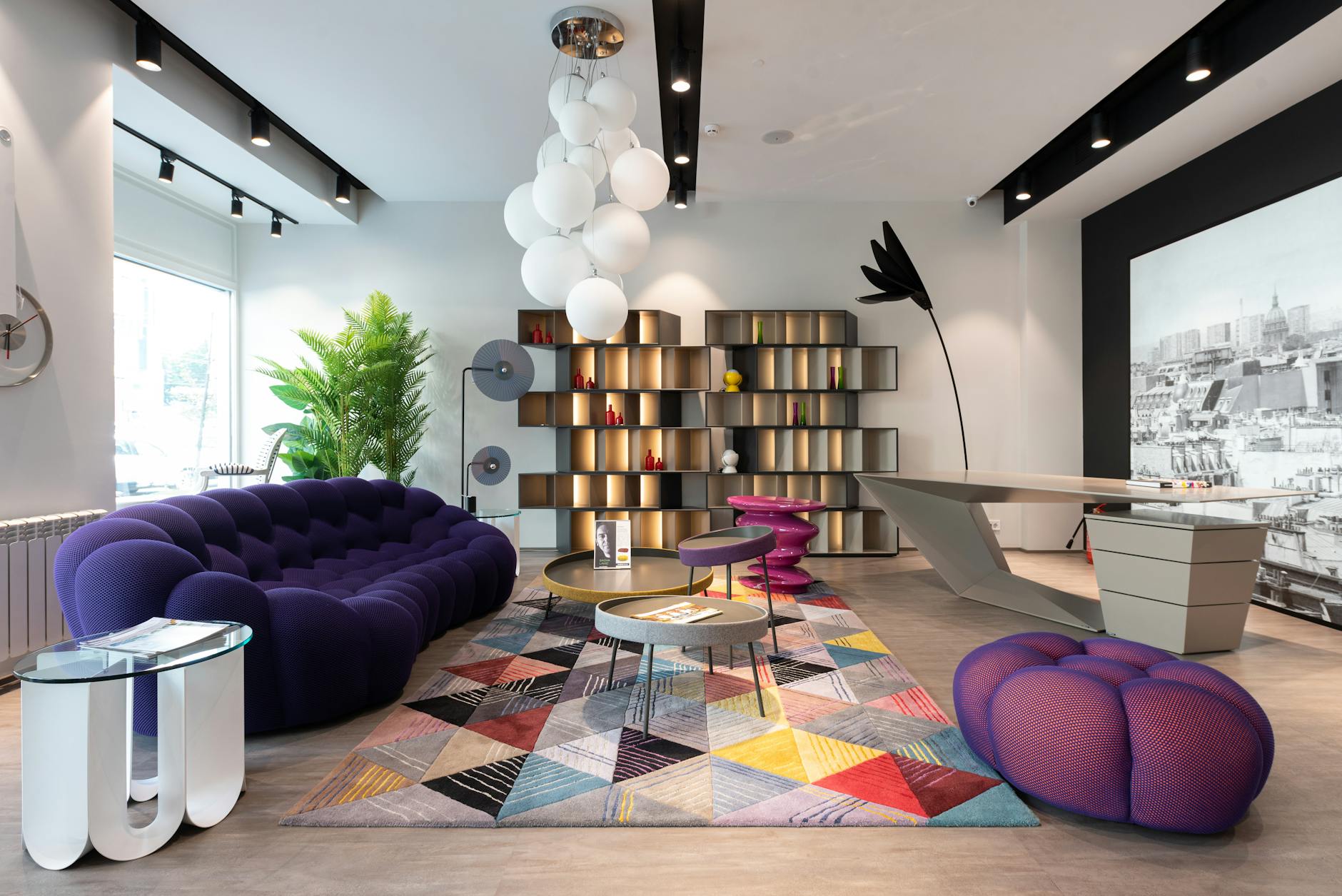
However, while trends can inspire, it is crucial to infuse personal touches into your color palette. Art pieces, furniture, and even the architecture of a space can guide color selections. For example, if a stunning piece of artwork features bold colors, consider using those hues as accents in your palette. This not only creates cohesion with decor but also adds uniqueness to the design.
Another personal layer can come from cultural influences or the geographical context of the space. A palette inspired by local landscapes or historical landmarks can create a rooted sense of place that resonates with visitors and residents alike.
Ultimately, the goal is to create a color palette that feels curated and intentional, providing not just a visual experience, but also a narrative that reflects the identity of the space.
Evaluating and Evolving Your Palette
The process of choosing a color palette doesn’t end after the initial selection. It is important to evaluate how the colors perform over time and how they influence the space’s ambiance. Consider creating a mood board to help visualize colors in their intended settings and review their effectiveness in evoking the desired emotions.
As seasons change or as you gather feedback from occupants or visitors, don’t hesitate to evolve the palette. Adding or swapping out accent colors can refresh a space without the need for a complete overhaul. Additionally, the impact of different accessories—like textiles, art, and furniture—can redefine how the colors interact, making it easy to shift the mood without extensive renovations.
Finally, consult with interior designers or color specialists if needed. Their expertise can provide valuable insights and help ensure your color choice aligns with industry standards for premium spaces.
Choosing the perfect color palette for a premium space combines art and science, requiring both an understanding of color theory and an awareness of emotional impact. By identifying the intended mood, crafting a cohesive palette, and integrating personal touches, designers can create luxurious environments that resonate with occupants and visitors alike. With careful consideration and an eye toward evolving trends, you can curate a color palette that not only enhances the beauty of your space but also ensures a refined, lasting impression.
