
The notion of luxury has traditionally been associated with opulence, extravagance, and exclusivity. However, as the world becomes increasingly aware of environmental issues, the concept of luxury is evolving. Today, sustainable luxury is at the forefront of interior design, marrying exquisite aesthetics with eco-friendly principles. This movement not only enhances the beauty of a space but also reflects a conscientious lifestyle that prioritizes sustainability without sacrificing style. In this article, we will explore how high-end interiors can be both elegant and environmentally responsible, showcasing materials, design philosophies, and practical tips to achieve a harmonious balance.
The Evolution of Sustainable Luxury
The shift towards sustainable luxury is a response to the growing urgency of climate change and the depletion of natural resources. High-end designers and homeowners are recognizing that choosing eco-friendly materials and methods doesn’t mean compromising on quality or sophistication. In fact, the best contemporary designs often incorporate sustainable practices that elevate the overall aesthetic of the space. From reclaimed wood to upcycled fabrics, sustainable materials are redefining luxury by adding character, uniqueness, and a story behind each piece.
Prominent designers have embraced this ethos, showcasing collections that emphasize craftsmanship and sustainability. For instance, renowned interior designer Kelly Wearstler is known for her ability to seamlessly blend luxury with eco-conscious choices, using natural materials like stone and wood that boast authentic beauty. As consumers become more educated about their choices, they increasingly seek out designers and brands that align with their values. This shift is not just trend-driven; it’s a necessity for a more conscious future.
Materials that Speak Luxury
When it comes to sustainable luxury interiors, the materials chosen play a pivotal role. Opting for high-quality, sustainable resources can significantly reduce environmental impact while enhancing the luxury feel of a space. For example, bamboo has emerged as a popular material due to its rapid growth and renewable nature. It is used in flooring, furniture, and decor, offering a stylish and sustainable alternative to traditional hardwoods.
Another excellent choice is recycled metal, which can be transformed into stunning light fixtures or furniture pieces. Designers often utilize reclaimed wood, sourced from old barns or factories, which not only reduces waste but also brings a rustic charm to modern interiors. Fabrics such as organic cotton, linen, and sustainably sourced wool also play a crucial role in creating eco-friendly luxury. These materials are often free from harmful chemicals and dyes, contributing to a healthier indoor environment—an essential aspect of luxury living.
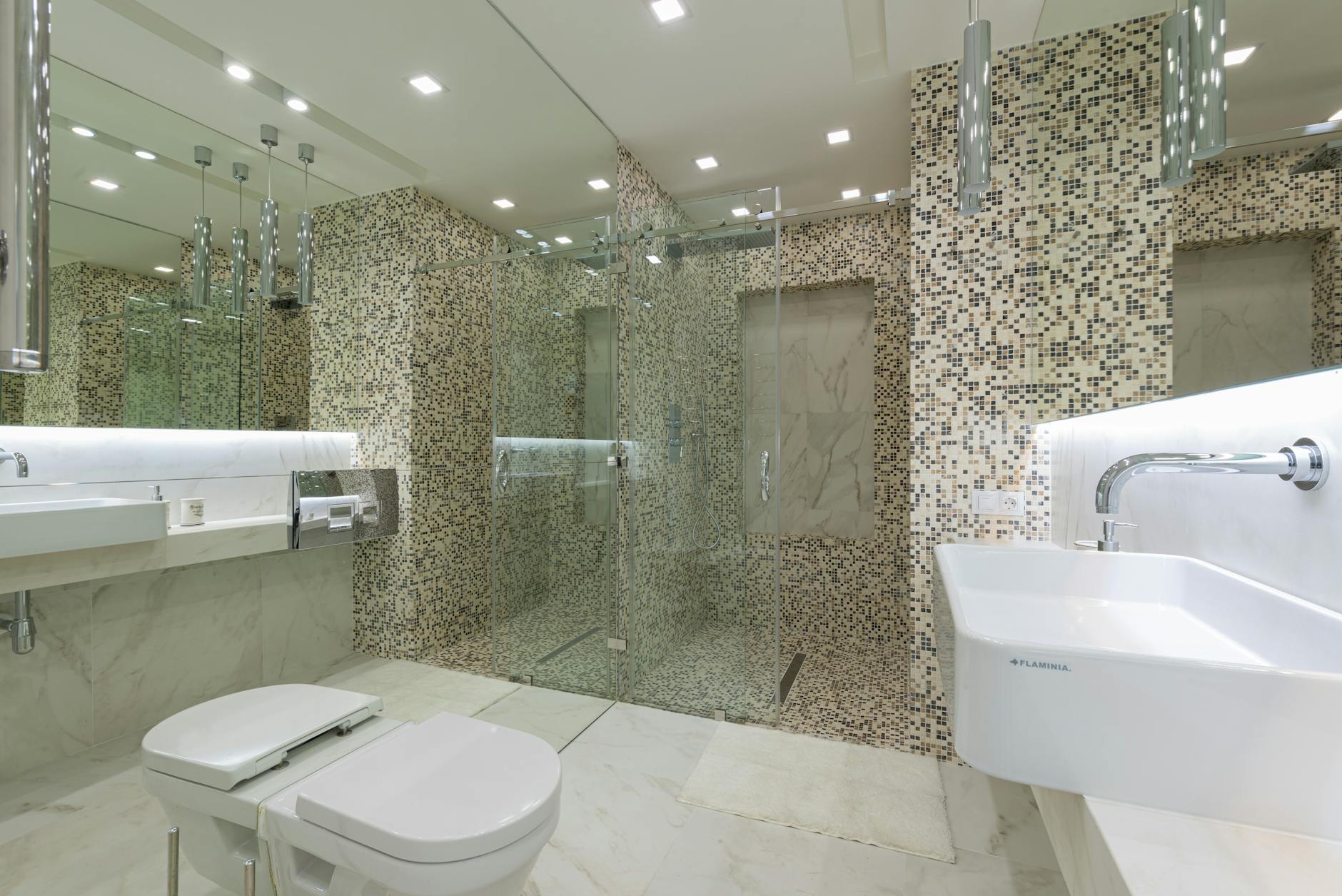
Additionally, natural stone, such as granite or marble, can be sourced responsibly and adds a timeless elegance that complements various design styles. Incorporating these sustainable materials into your home or workspace can elevate its aesthetic while ensuring a smaller ecological footprint.
Design Principles for Eco-Conscious Luxury
Creating a sustainable luxury space extends beyond material choices; it encompasses thoughtful design principles. An essential aspect of sustainable interior design is to prioritize energy efficiency. This can be achieved through the strategic placement of windows for natural light, maximizing passive solar heating, and utilizing energy-efficient appliances and fixtures. Not only will these practices reduce energy consumption, but they also create a comfortable atmosphere that feels inviting and luxurious.
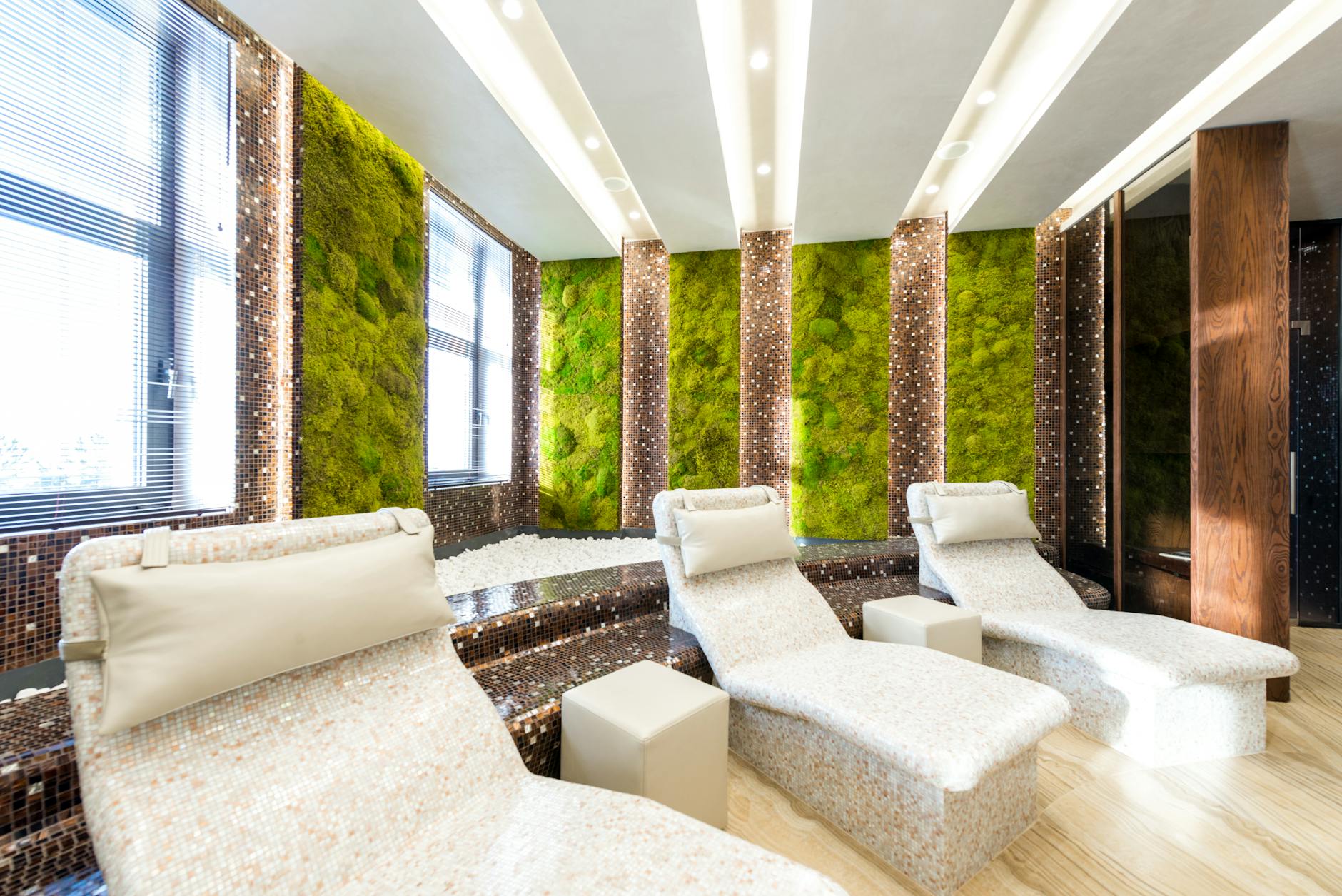
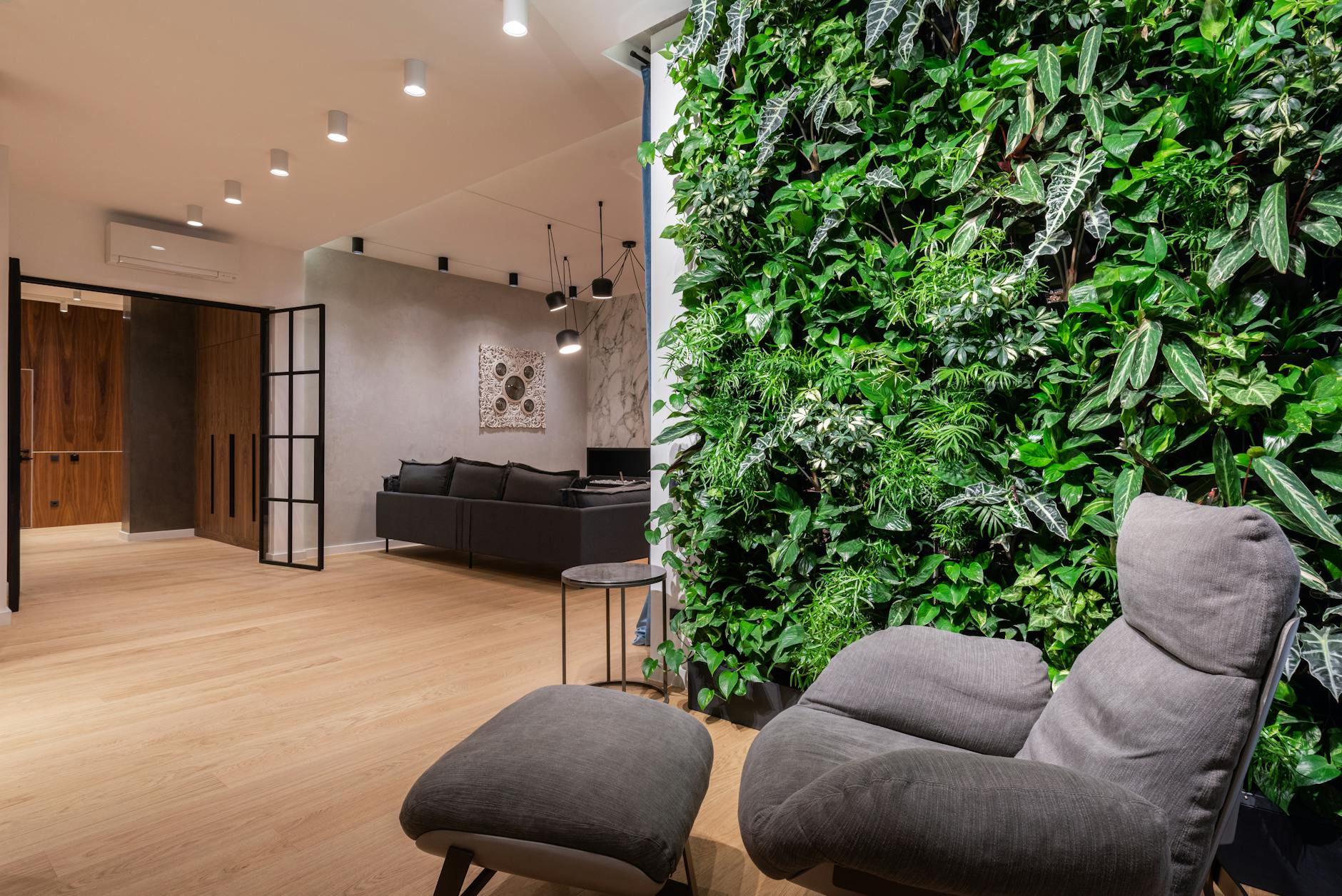
Incorporating biophilic design, which emphasizes the connection between humans and nature, is another effective strategy. This design philosophy involves integrating natural elements, such as plants, water features, and natural light, into interior spaces. By doing so, you foster a sense of well-being and tranquility—qualities often associated with high-end living. Design elements like living walls or indoor gardens can seamlessly blend functionality and aesthetics, making a bold statement while supporting biodiversity.
Moreover, consider the principles of minimalism, which resonate well with sustainable luxury. By focusing on quality over quantity, high-end interiors can achieve a sense of refinement and sophistication. Selecting a few statement pieces, rather than filling a room with unnecessary items, not only reduces clutter but also allows each element to shine, embodying the essence of luxury.
Smart Technology: The Intersection of Innovation and Sustainability
In the realm of sustainable luxury, technological advancements play a crucial role in enhancing eco-friendly designs. Smart home systems can significantly improve energy efficiency and convenience, making them a perfect addition to any high-end interior. For instance, smart thermostats help regulate temperature efficiently, while automated lighting systems adjust based on occupancy or natural light levels, conserving energy without sacrificing comfort.
Additionally, smart appliances are now designed with energy-saving features that align with sustainable living. High-end kitchens can incorporate these appliances, providing modern convenience alongside eco-consciousness. Implementing systems for rainwater harvesting or greywater recycling can also contribute to sustainability while enhancing the luxury appeal of a home.
As technology continues to evolve, the possibilities for integrating sustainable practices into luxury design will only expand. This intersection of innovation and sustainability encourages homeowners to reimagine their spaces as more than just aesthetically pleasing; they can become proactive elements in the fight against climate change.
Personalizing Sustainable Luxury
Ultimately, sustainable luxury interiors should reflect personal tastes while maintaining an eco-friendly foundation. Customization is key in high-end design, allowing homeowners to curate spaces that resonate with their values and aesthetics. Collaborating with designers who prioritize sustainability can result in one-of-a-kind interiors that tell a story. Whether it’s through sourcing local artisans or selecting custom pieces made from sustainable materials, personal touches can make a significant difference.
Moreover, consider the lifespan of furniture and decor. Investing in timeless pieces that can adapt to changing styles ensures longevity and reduces the cycle of waste associated with fast furniture trends. Selecting multi-functional furniture can also maximize space and functionality, making it both a practical and stylish choice for sustainable luxury living.
By being intentional about choices and embracing a lifestyle that values sustainability, homeowners can create high-end interiors that not only look luxurious but also reflect a commitment to the planet. The journey towards sustainable luxury is not just a trend; it’s a profound shift in how we perceive luxury and our responsibility towards the environment.
