
In a world where excess often defines opulence, the concept of minimalist luxury stands as a refreshing counterpoint. This design philosophy emphasizes simplicity and refined elegance, proving that a home doesn’t need to be overflowing with decor to ooze sophistication. Instead, it highlights the art of curating space with intention, allowing homeowners to achieve an expensive-looking aesthetic without the chaos of clutter.
The Essence of Minimalist Luxury
At its core, minimalist luxury is about understanding that less is more. It advocates for a clean, serene environment where every piece has purpose and meaning. This approach fosters tranquility, eliminating the visual noise that typically accompanies traditional luxury. By focusing on quality over quantity, minimalist luxury creates spaces that are not only visually appealing but also deeply personal and functional.
To achieve this aesthetic, homeowners should start by assessing their current possessions and the overall layout of their space. Consider which items hold genuine value—both sentimental and practical—and which can be donated or discarded. This initial decluttering process is essential. It allows one to visualize a space that focuses on design elements that evoke a sense of exclusivity without the burden of excess.
Incorporating high-quality materials is another critical aspect of minimalist luxury. Think of natural woods, sleek metals, and sumptuous fabrics. These materials convey a sense of sophistication and class that elevates the design of a room. Opt for furnishings and finishes that not only enhance the visual appeal but also offer durability. A well-chosen piece, such as a handcrafted wood table or a designer chair, can become a stunning focal point without overcrowding the space.
Color Palette and Lighting: Key Elements in Design
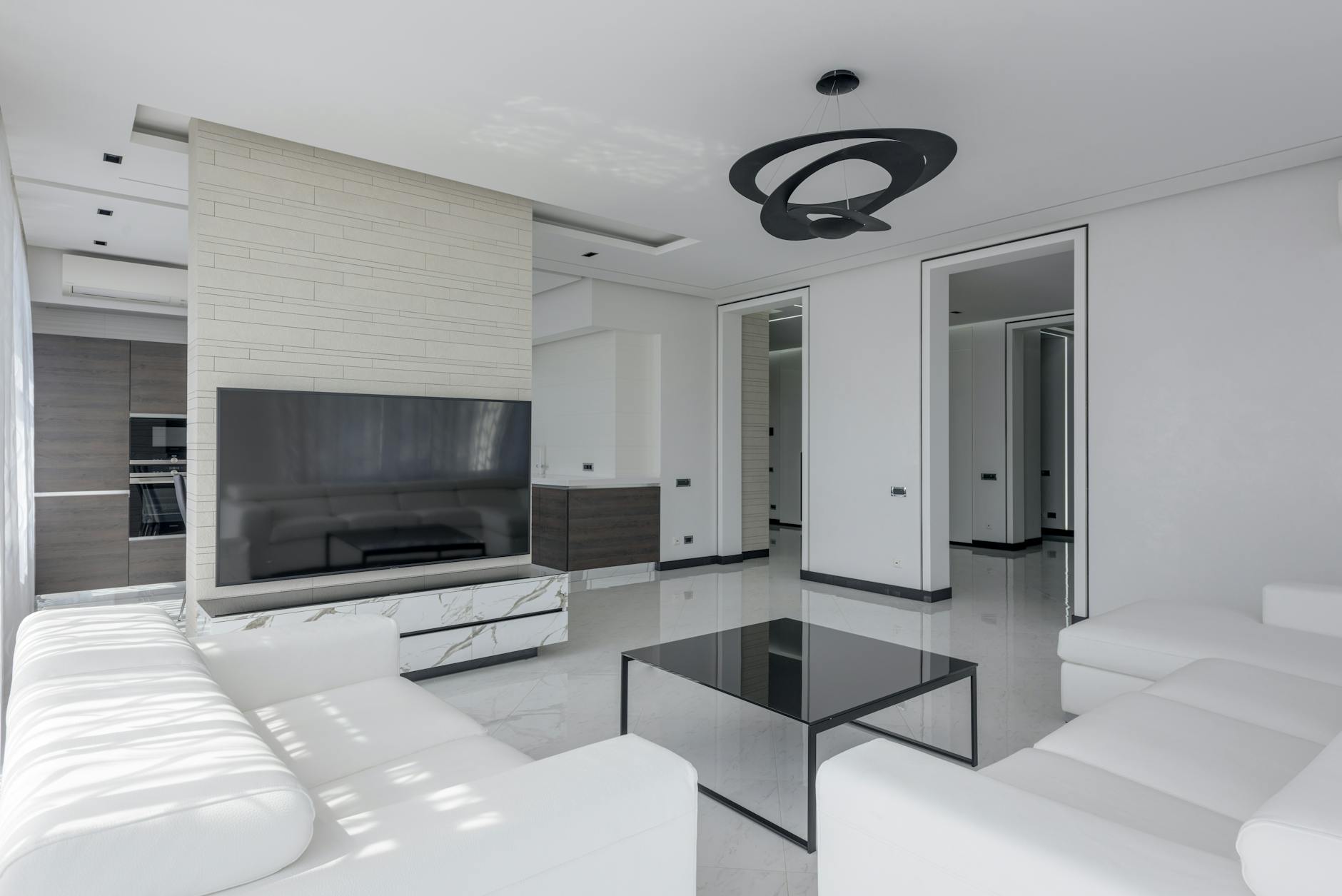
When it comes to color palettes in minimalist luxury, soft, neutral tones reign supreme. Shades of white, beige, gray, and taupe create a tranquil backdrop that complements the simplicity of the furnishings. These hues allow natural light to bounce off surfaces, enhancing the feeling of spaciousness and creating an airy, inviting environment. Using monochromatic color schemes also helps in tying together different elements of a room, making the overall design feel cohesive.
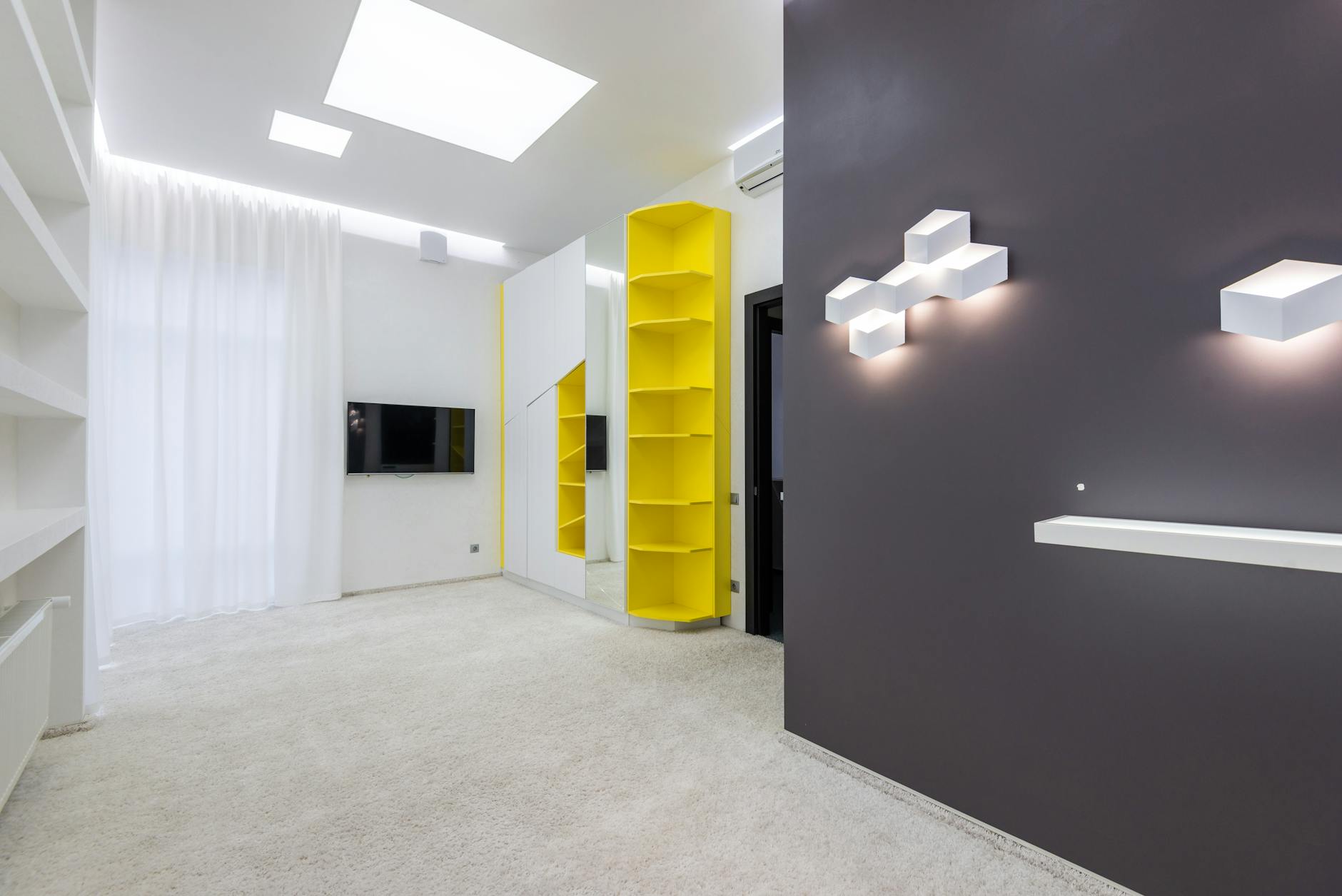
Accent colors can be introduced sparingly through art pieces or decorative objects, ensuring they do not overwhelm the overarching minimalism of the space. This strategic use of color elevates the ambiance while adhering to the minimalist ethos.
Lighting is another crucial component in crafting an expensive-looking space. Consider statement lighting fixtures, such as large pendant lamps or sculptural floor lamps, which can serve both functional and aesthetic purposes. Layering different types of lighting—ambient, task, and accent—can enhance the luxurious feel of a room. Soft, warm light tends to create an inviting atmosphere, further promoting relaxation.
The Role of Textures and Patterns
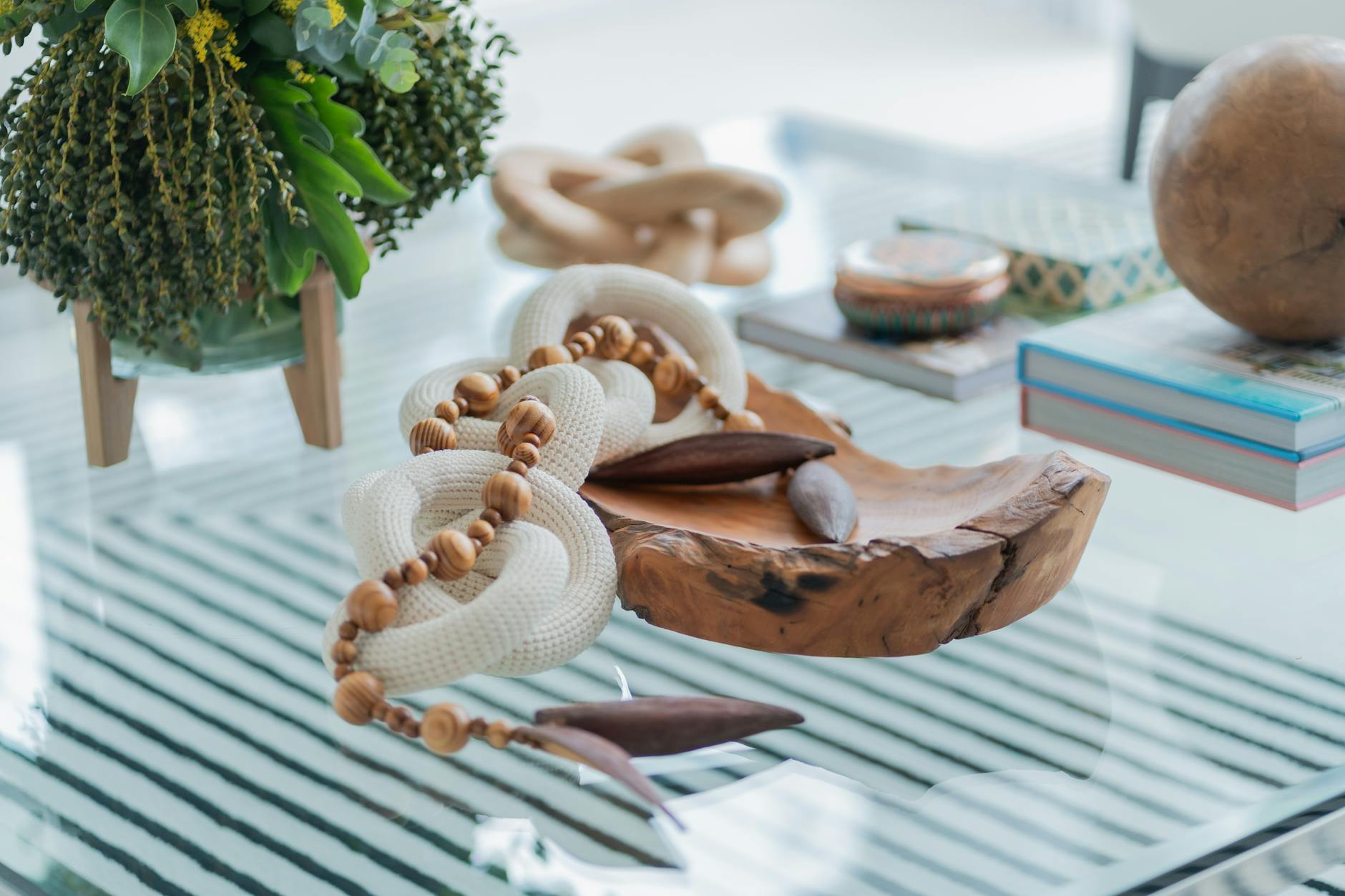
Minimalist luxury doesn’t shy away from textures and patterns; rather, it embraces them in a controlled manner. The thoughtful combination of various textures can add depth and interest to a room, making it feel rich without the clutter associated with excessive decoration. Incorporate a variety of materials—such as a soft wool rug, sleek leather seating, or a linen throw pillow—to create tactile contrasts that invite touch and enhance comfort.
Patterns should be subtle and used sparingly—think geometric shapes or muted, organic designs that don’t compete for attention but instead complement the overall scheme. A single patterned cushion or a piece of artwork with gentle lines can add a hint of personality without disrupting the serene atmosphere. Ultimately, the goal is to interweave these elements of texture and pattern into the design in a way that enhances the luxurious feel of the space.
Moreover, integrating natural elements such as plants or stone can infuse warmth into a minimalist design. They serve as focal points that provide an organic counterbalance to the sleek, modern features typical of minimalist luxury.
Creating a Functional and Stylish Layout
In minimalist luxury, the layout is paramount. Every piece of furniture should be strategically placed to foster workflow and ease of movement without compromising style. This layout foundation allows for a serene flow throughout the home, facilitating an effortless transition from one space to another. Open-concept living areas are often favored, as they promote a sense of airiness while allowing natural light to illuminate every corner.
When designing spaces, consider functionality alongside beauty. For example, select furniture that serves dual purposes—such as a coffee table with storage capabilities or a sofa that can be converted into a guest bed. These choices reflect a lifestyle that values practicality while still adhering to the principles of minimalist luxury.
Additionally, it’s essential to maintain clear sightlines. Avoid overcrowded shelving or walls filled with competing frames or art, as they can lead to a disjointed visual experience. Instead, allow a few carefully chosen pieces to shine, creating a gallery-like ambiance that feels both curated and chic.
Sustainable Minimalism: A Timeless Investment
Incorporating sustainable choices within minimalist luxury not only aligns with contemporary values but also enhances the timelessness of the design. Invest in high-quality, ethically-sourced pieces that will stand the test of time rather than opting for fast furniture that may ultimately clutter the space. Sustainable materials—like bamboo, reclaimed wood, or organic textiles—add value while contributing to a healthier environment.
Furthermore, embrace the concept of slow living by creating spaces that promote mindfulness and simplicity. Curate a home that encourages relaxation and reflection, where the focus is on experiences rather than possessions. By doing so, the home becomes a sanctuary—a place where luxury is defined by comfort and peace rather than extravagance.
As homeowners reimagine their spaces, embracing minimalist luxury can lead to profound transformations. It’s an opportunity to strip away the superficial and cultivate an environment that resonates with personal style and sophistication. By focusing on the essential and choosing quality, one can achieve a truly luxurious home without the burden of clutter.
