
In an increasingly fast-paced world, cultivating a calm mind has become essential for our well-being. One effective method to achieve tranquility is through thoughtful interior design. Our spaces influence our emotions, behavior, and overall mental state. This article explores how to create an environment that promotes serenity and clarity through design habits and mindful choices.
Embrace Natural Elements
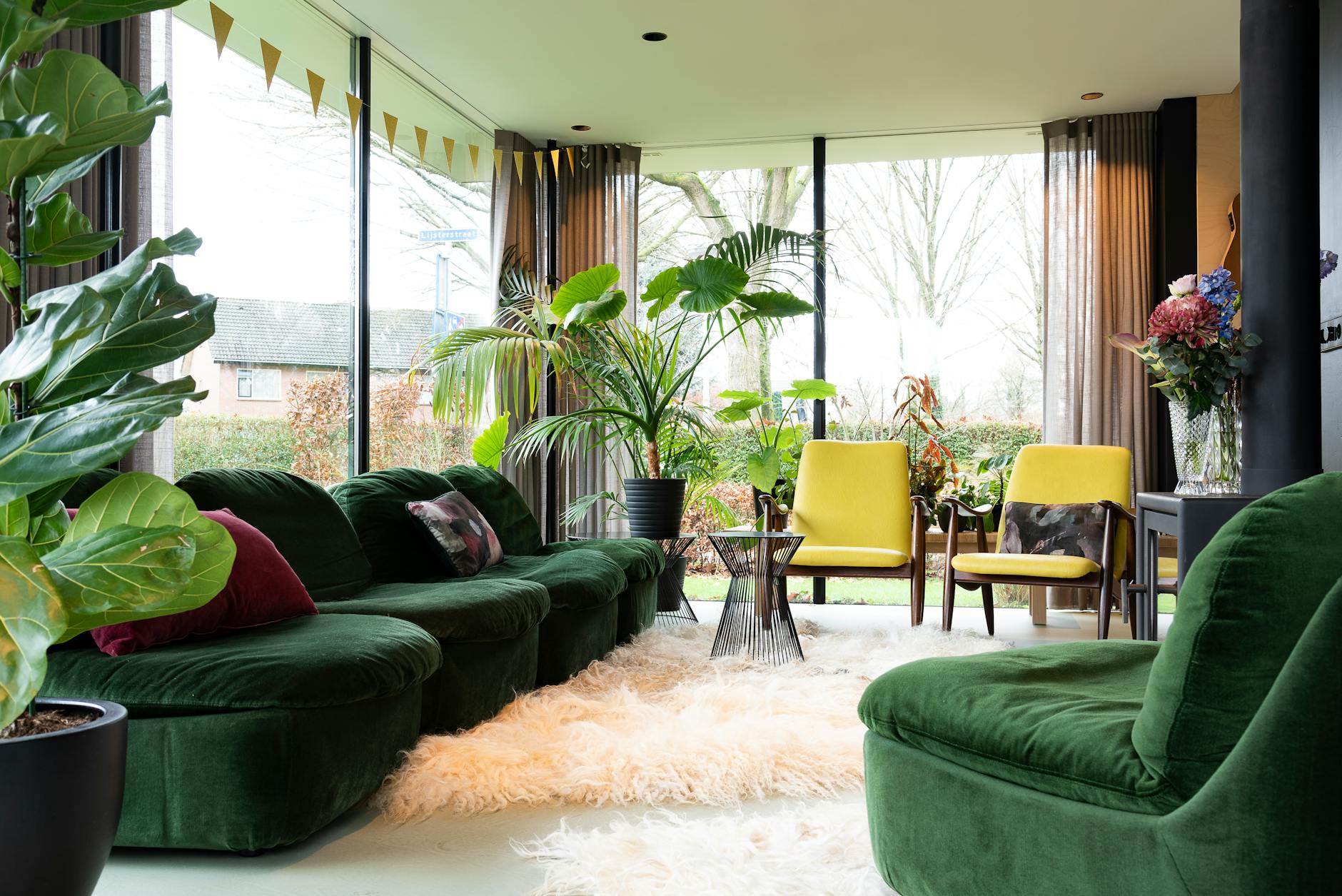
Integrating natural elements into your home design is one of the best ways to foster a calm atmosphere. Plants bring life to any space and have been shown to reduce stress while improving air quality. Choose low-maintenance indoor plants, such as snake plants or peace lilies, which can thrive in various environments. The colors of nature—greens, browns, and soft blues—also contribute to a soothing palette that invites relaxation. Consider using natural materials like wood, stone, and cotton to enhance this effect. These materials not only look appealing but also create a tactile experience that reminds us of the outdoors.
Moreover, utilizing natural light is crucial in promoting mental clarity. By maximizing windows or using sheer curtains, you let in sunlight, which can improve your mood and energy levels. It’s also important to consider the orientation of your home. Spaces that capture morning sunlight can encourage early rising and a refreshing start to the day, while areas that receive soft evening light create a cozy retreat for winding down.
Mindful Colors and Textures
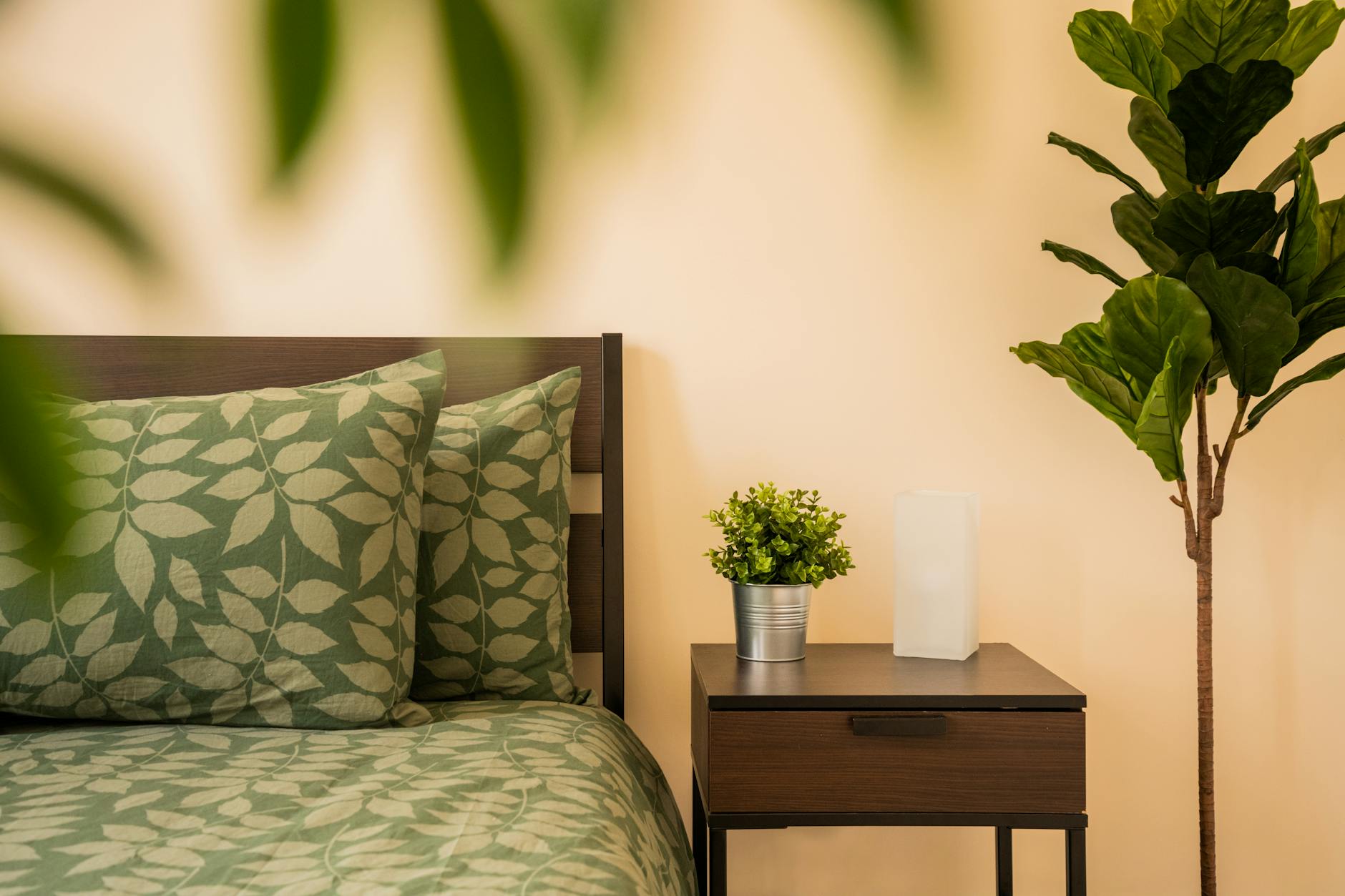
The colors and textures you choose for your interiors significantly impact your mood. Calming hues like soft blues, greens, and neutral tones foster tranquility. They create soothing backdrops that help you unwind after a long day. Avoid overly bright or jarring colors that can create a sense of agitation. Instead, focus on a cohesive color palette that echoes the serenity of natural landscapes. Subtle gradations can help in creating depth without overwhelming the senses.
Textures play a vital role in interior design, too. Incorporate a variety of textures through fabrics such as soft throws, plush rugs, and linen curtains. These elements encourage a tactile experience that promotes comfort. Layering different textures can also keep the space visually interesting while maintaining a calming atmosphere. For instance, pairing a smooth leather chair with a knitted throw offers both visual and physical warmth, inviting relaxation.
Declutter and Organize
A cluttered space can lead to a cluttered mind. To foster a calm environment, make organization a priority. Start by evaluating each room and removing items that no longer serve a purpose. Implement storage solutions, such as baskets, shelves, and containers, to keep belongings neatly tucked away. The key is to establish a system that allows for easy access to items you use regularly while minimizing visible clutter.
Regular maintenance is important, too. Adopt a habit of decluttering regularly to prevent accumulation. You could set aside time each month to assess your space and remove items that no longer bring you joy or utility. This practice not only keeps your home orderly but also contributes positively to your mental state. A clean, organized environment can help clear your mind, allowing room for creativity and peace.
Curate Meaningful Decor
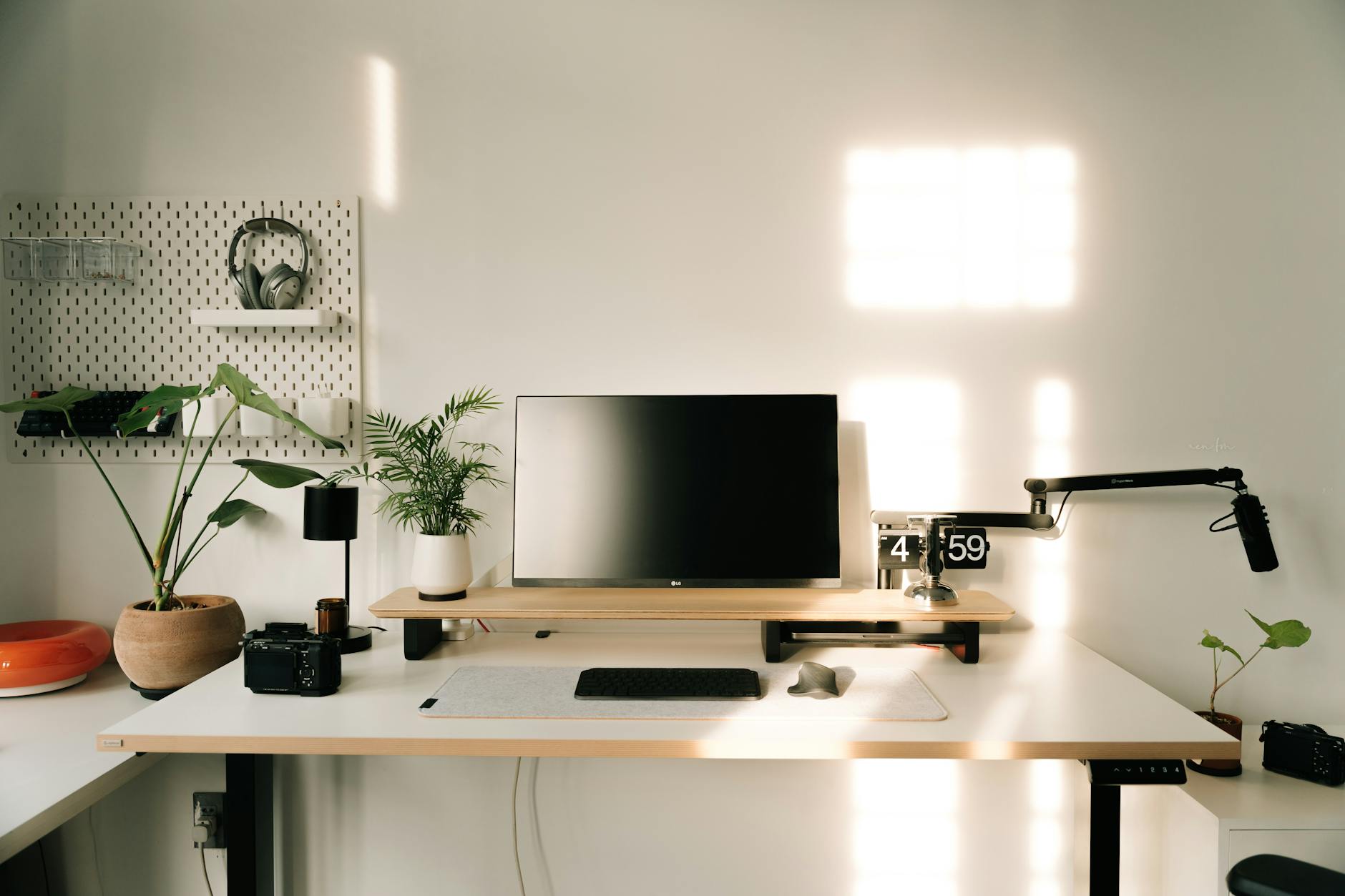
Decor can have a profound impact on how we feel in our spaces. Instead of filling your home with impulsive purchases, curate decor that resonates with you personally. Meaningful artwork, cherished photographs, and items that bring back fond memories can enhance your emotional well-being. Surrounding yourself with reminders of special moments or places can evoke feelings of happiness and nostalgia.
Additionally, consider incorporating elements that reflect your personality and interests. This could include books, travel souvenirs, or handcrafted items from local artisans. By surrounding yourself with things that tell your story, you can create a sanctuary that feels uniquely yours. This connection to your space allows for deeper relaxation and a sense of belonging.
Design for Functionality
When designing your space, it’s important to prioritize functionality alongside aesthetics. Spaces that cater to your routines and lifestyle can greatly enhance your comfort and peace of mind. For instance, if you’re an avid reader, create a designated reading nook with a comfortable chair and good lighting. If you enjoy cooking, ensure your kitchen is well-organized and equipped with tools that inspire you to experiment.
Also, think about how your space flows. A well-thought-out layout facilitates movement and reduces frustration. Ensure that frequently used items are easily accessible, and consider the way rooms connect with one another. A sense of harmony in your layout can contribute to a more peaceful atmosphere, allowing you to move through your space with ease.
“The ultimate goal of interior design is not to create beautiful spaces, but to create beautiful experiences.”
– Unknown
Incorporate Mindfulness Practices
Lastly, consider integrating mindfulness practices within your design. Create a small meditation corner with cozy seating, cushions, and calming colors to encourage reflection and relaxation. You could also design a space for yoga or other mindful movements, equipped with a mat and serene decor to facilitate inner peace.
Incorporating elements like sound—such as calming music or nature sounds—can transform your environment into a tranquil retreat. Consider installing speakers that allow you to play soft music or ambient sounds to enhance relaxation. Even aromatic elements like essential oils or candles can influence your mood, making them valuable additions to your tranquil spaces.
Ultimately, a calm mind is often the product of a well-designed space that resonates with your personal needs and preferences. By embracing natural elements, mindful colors, organized spaces, meaningful decor, functional layouts, and mindful practices, you can cultivate an environment that fosters serenity and clarity. This holistic approach to interior design does not just beautify your home; it nurtures your mind and soul, creating a sanctuary that promotes mental well-being for years to come.
