
As we move deeper into the 21st century, the landscape of luxury interior design is evolving rapidly, driven by changes in technology, lifestyle, and values. Gone are the days when luxury was solely defined by opulence and extravagance. Today’s luxury interior design embraces sustainability, personalization, and technological integration, creating spaces that are not only beautiful but also functional and conscientious. In this article, we’ll explore the future of luxury interior design, examining the trends, materials, and philosophies influencing this dynamic field.
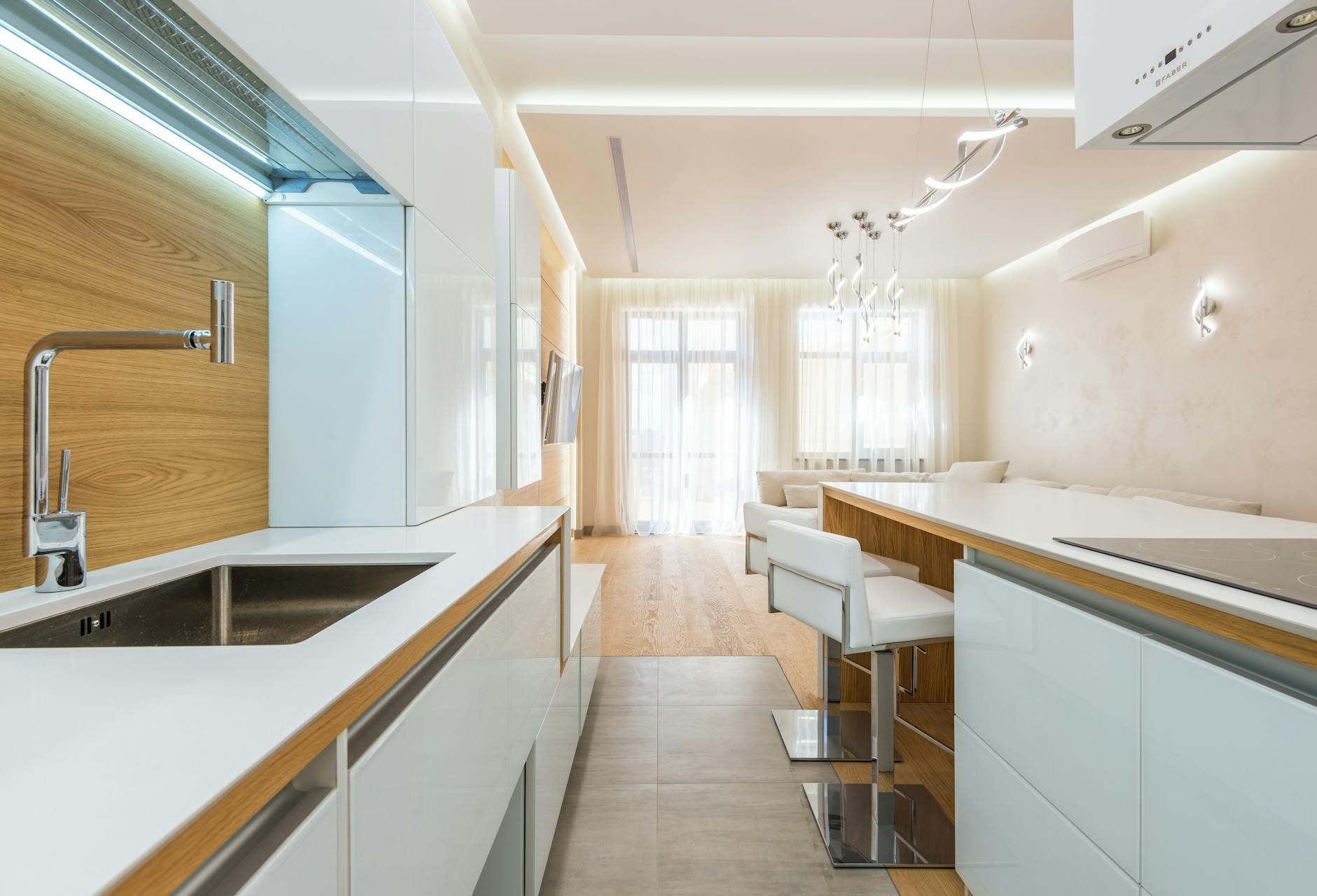
Embracing Sustainable Luxury
One of the most significant shifts in luxury interior design is the move towards sustainability. Consumers are becoming increasingly aware of the environmental impact of their choices, and luxury brands are responding by incorporating eco-friendly materials and practices into their designs. Sustainable luxury doesn’t mean sacrificing aesthetics; rather, it reflects a growing preference for high-quality, responsibly sourced materials.
Designers are now prioritizing environmentally friendly options such as reclaimed wood, recycled metals, and organic textiles. Moreover, the use of innovative materials like mycelium, a biodegradable substance sourced from mushrooms, is gaining traction. This shift towards sustainability is more than just a trend; it’s a fundamental change in how we define luxury. As consumers demand transparency and ethical practices, the future of luxury interior design will increasingly align with sustainable principles, ensuring that beautiful spaces do not come at the expense of the planet.
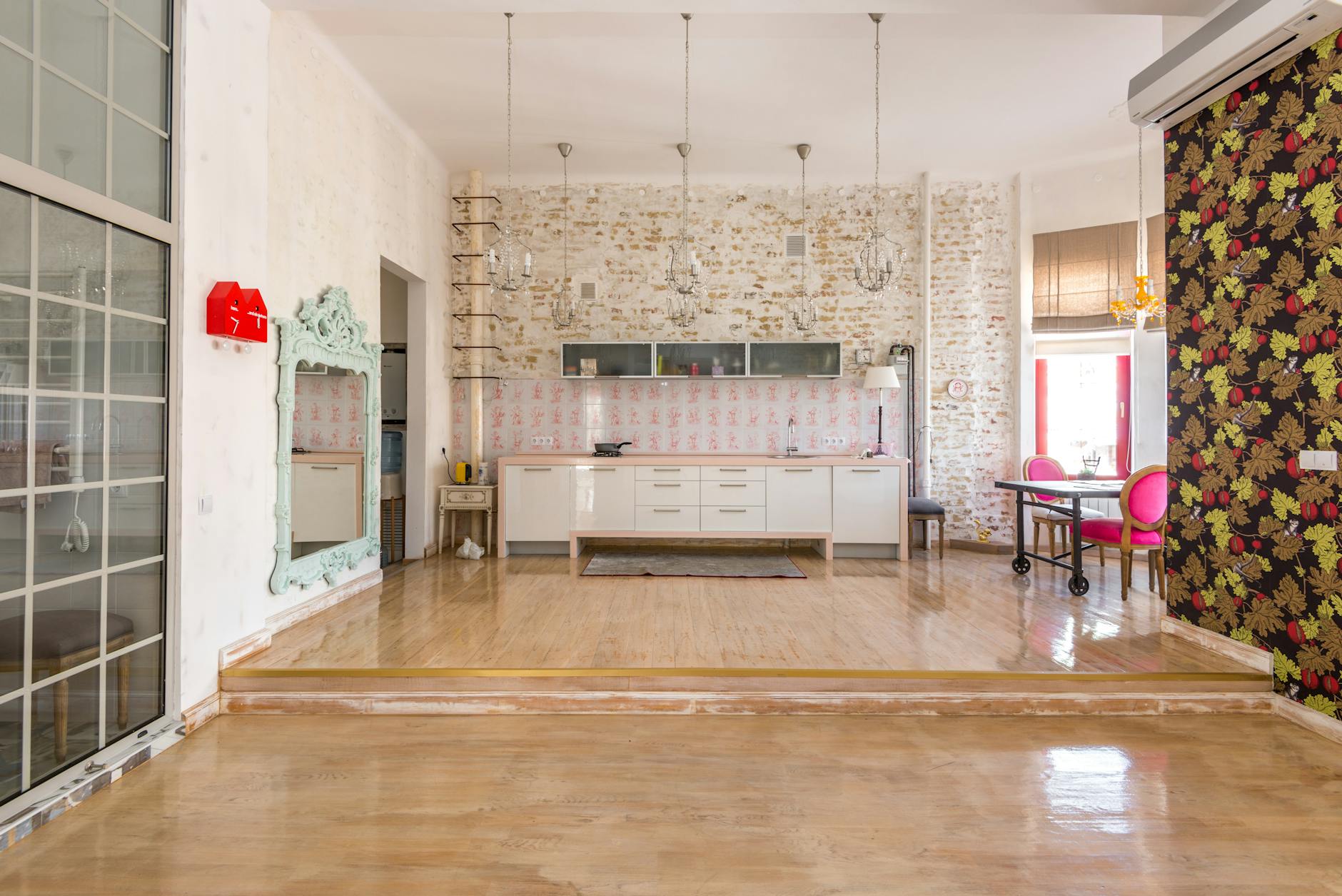
The Rise of Personalization
Another hallmark of contemporary luxury interior design is the growing emphasis on personalization. Today’s affluent consumers want their homes to reflect their unique tastes and lifestyles, rather than conforming to generalized design trends. This shift is prompting designers to develop bespoke solutions that cater to individual preferences.
From custom furniture to tailored color palettes, personalization in luxury design can take many forms. Brands are now offering exclusive collections that allow clients to mix and match elements, enabling them to create spaces that are distinctly their own. Additionally, technology is playing a crucial role in this personalization trend—augmented reality tools can help clients visualize design changes in real-time, making the process more interactive and engaging.
Moreover, the influence of cultural heritage cannot be overlooked. As globalization continues to shape our world, designers are incorporating elements from diverse cultures, allowing individuals to weave their backgrounds into their interior spaces. This blend of personal identity and global inspiration is redefining the essence of luxury, transforming it into a deeply personal experience.
Technological Innovations in Design
The integration of technology into luxury interior design is another transformative trend that is shaping the future of the industry. Smart home technology is not just a convenience; it has become an essential component of modern luxury living. Designers are now incorporating advanced systems that control lighting, temperature, and security, ensuring that homes are both stylish and functional.
Moreover, the concept of creating “intelligent” spaces is gaining momentum. Imagine a home where the walls can change color or texture at the touch of a button, or furniture that adapts to your needs. Innovations such as digital wallpapers that can transform the ambiance of a room are becoming more accessible, allowing homeowners to experience endless customization options.
The future of luxury interior design will see even deeper integration of technology, with a focus on creating seamless experiences that enhance daily living. As designers continue to push the boundaries of what’s possible, the potential for innovative luxury spaces is virtually limitless.
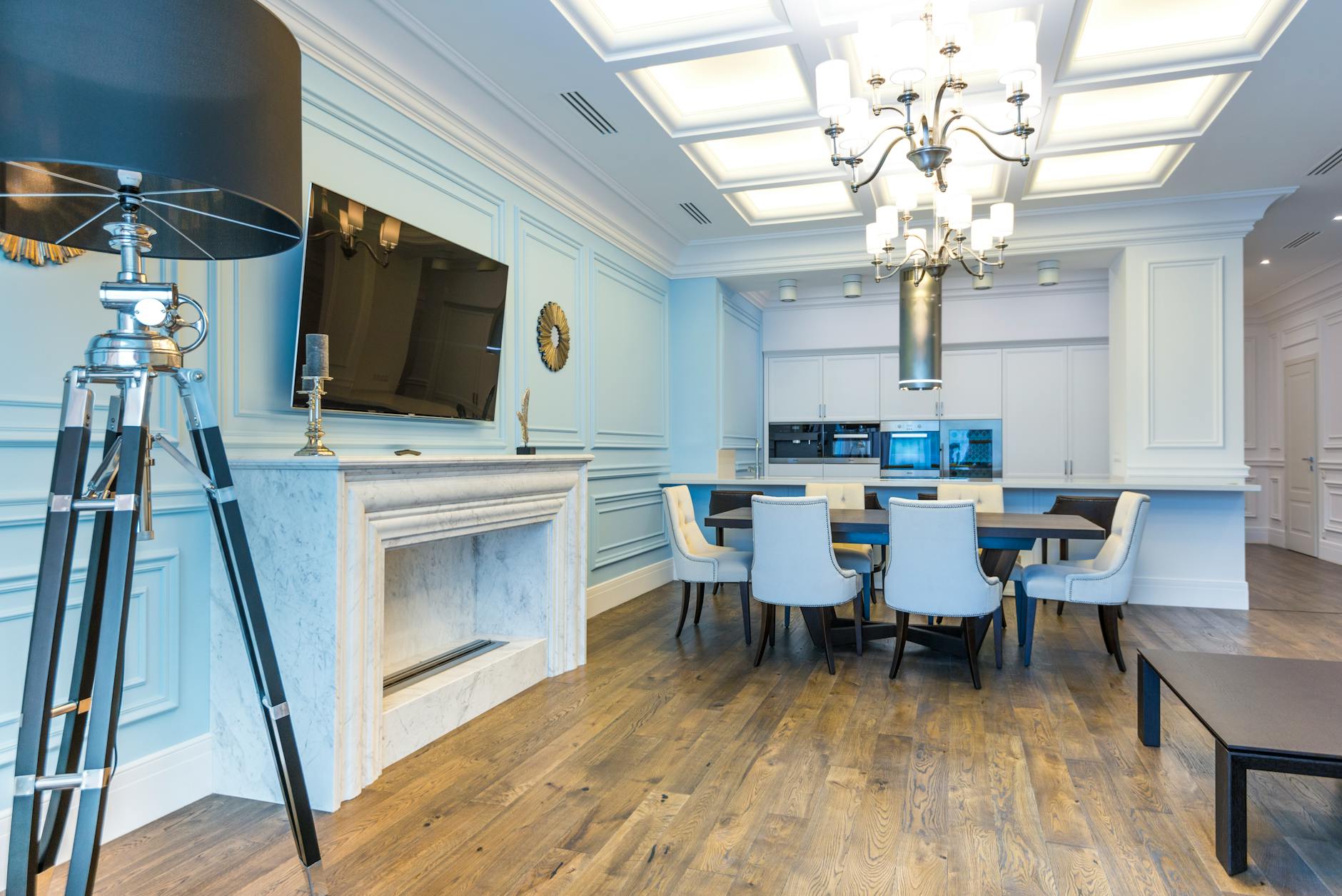
Wellness-Centric Design
In our fast-paced world, the concept of wellness is increasingly becoming a priority in interior design. The future of luxury will be defined not only by aesthetic appeal but also by the emotional and physical well-being of its inhabitants. Designers are now focusing on creating spaces that promote health, relaxation, and overall wellness.
Incorporating biophilic design elements, such as natural light, greenery, and organic materials, is a trend that enhances the overall atmosphere of luxury homes. Research shows that exposure to nature can improve mood and productivity, making it a critical consideration in future designs. Furthermore, the arrangement of spaces is also changing; open floor plans that encourage social interaction and provide an airy, spacious feel are becoming more popular.
Moreover, specific areas dedicated to wellness—such as meditation rooms, home gyms, and spa-like bathrooms—are becoming essential components of luxury homes. These spaces serve not only as amenities but also as reflections of a holistic approach to living and well-being. By incorporating these elements, designers are creating environments that nurture both body and spirit, positioning wellness as a central tenet of luxury interior design.
The Influence of Global Events and Shifting Values
The luxury interior design landscape is also responding to broader social trends and global events. The recent pandemic has highlighted the importance of our living spaces, prompting a reevaluation of what luxury truly means. Home has become a sanctuary, and as such, designers are focusing on creating multifaceted spaces that can accommodate various needs—work, relaxation, and socializing—all under one roof.
Additionally, cultural shifts towards minimalism and conscious consumption are influencing design choices. Consumers are moving away from excess and are increasingly favoring quality over quantity. This shift is leading to a rise in the popularity of timeless designs that withstand the test of time, as well as the use of artisanal pieces that tell a story.
Furthermore, luxury is becoming more inclusive. The idea that luxury must be exclusive is being challenged, making room for a more democratized approach to design. This includes the fusion of high-end elements with accessible materials and an emphasis on creating spaces that welcome everyone, regardless of background or lifestyle.
As we look to the future, it’s clear that the evolution of luxury interior design is a reflection of our changing world. By embracing sustainability, personalization, technology, wellness, and cultural shifts, we are redefining what luxury means—creating spaces that are as meaningful as they are beautiful.
