
The interplay between fashion and interior design is a fascinating convergence of aesthetics, culture, and history. In recent years, fashion archives have emerged as pivotal influences on contemporary interior design, offering reservoirs of inspiration derived from iconic collections, textiles, and historical narratives. This article explores how fashion archives shape today’s interior design trends, drawing connections between the two disciplines and highlighting the lasting impact of sartorial history on our living spaces.
The Power of Historical Context
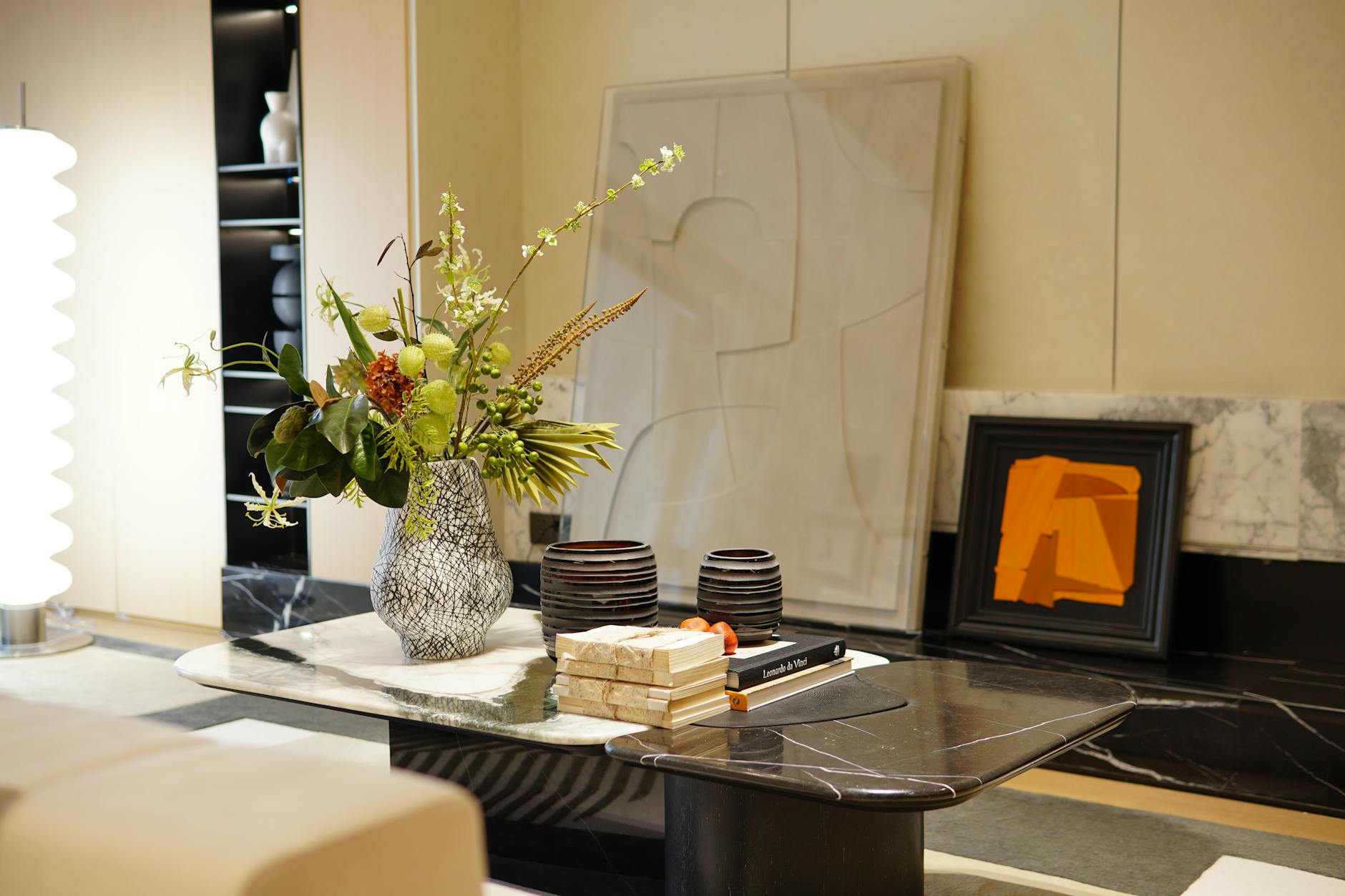
Fashion archives are not merely repositories of clothing; they tell stories of eras gone by, encapsulating the zeitgeist of their time. Designers and architects often mine these archives for insights that transcend mere design aesthetics. They unravel the cultural, social, and political contexts that shaped fashion movements, translating those sentiments into spatial design. For instance, the bold geometric patterns of the 1960s, frequently found in archives from designers like Pierre Cardin and Mary Quant, have found their way into contemporary wallpaper and upholstery, signaling a revival of the era’s audacious spirit.
Furthermore, the meticulous craftsmanship seen in haute couture can inspire bespoke furniture and decor. The attention to detail in a historical gown or suit often parallels that of custom cabinetry or artisanal lighting fixtures. By examining the intricacies of fabric manipulation, designers can reinterpret those techniques in their interior work, using them to create layers of texture and interest in spaces.
Textiles as a Bridge Between Fashion and Interiors
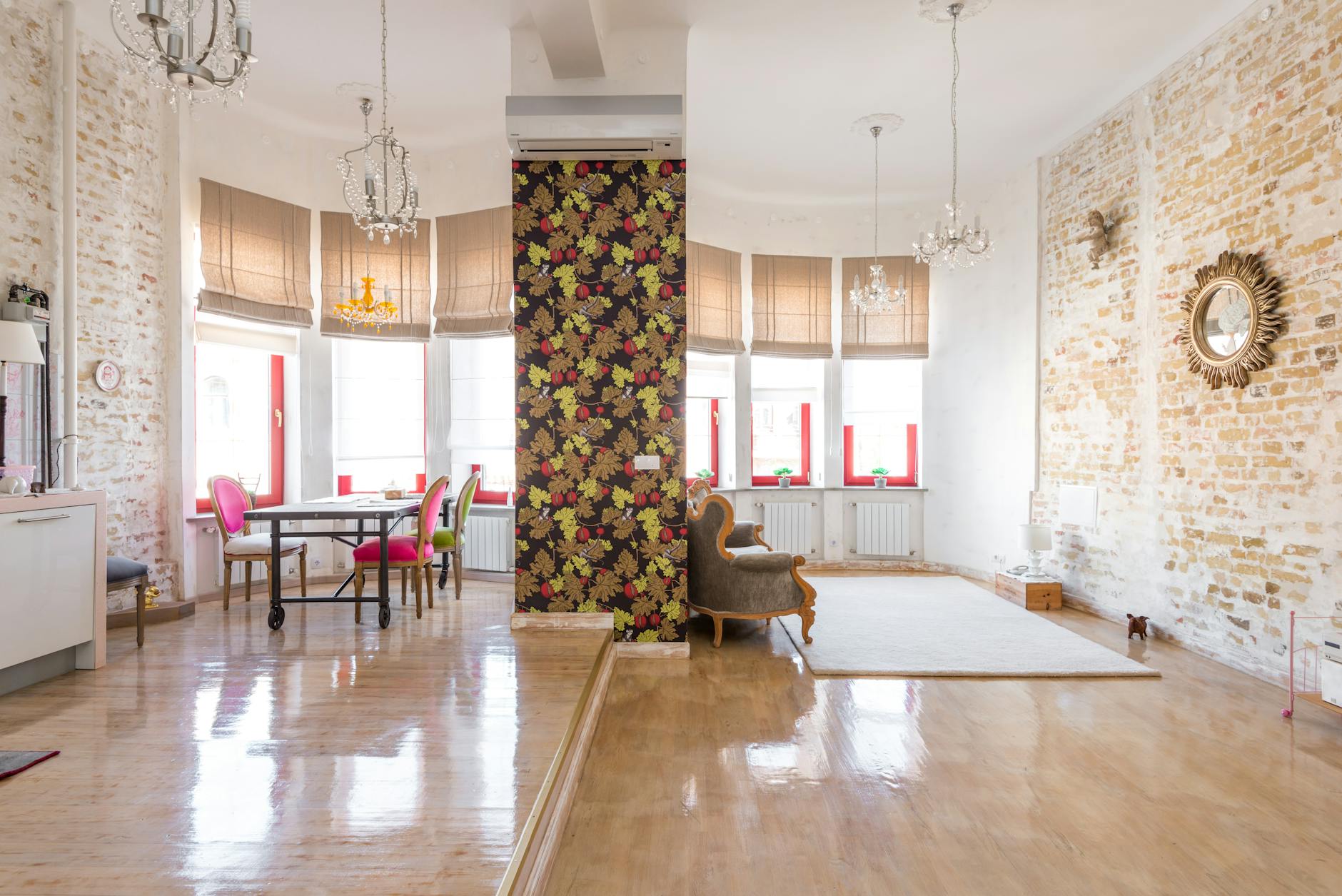
One of the most direct influences of fashion archives on interior design lies in the realm of textiles. The patterns and weaves that adorn clothing have a powerful effect on interior aesthetics. Designers often draw inspiration from textile archives, using iconic prints from fashion history to create fabrics for curtains, upholstery, and decorative accents. Take, for example, the luxury textile house Morris & Co., known for its lush, nature-inspired designs that echo the Arts and Crafts movement. Their patterns, which originated in the late 19th century, regularly resurface in contemporary home decor, merging the old with the new.
The resurgence of vintage fashion, particularly in the realm of sustainable design, has also fueled the demand for eclectic textiles in interior design. Designers look to thrift shops and fashion archives for unique fabrics that bring character and individuality to spaces. This fusion of past and present not only reflects a movement towards sustainability but also evokes nostalgia, allowing homeowners to curate spaces filled with personal history and sentiment.
Color Palettes and Mood Boards
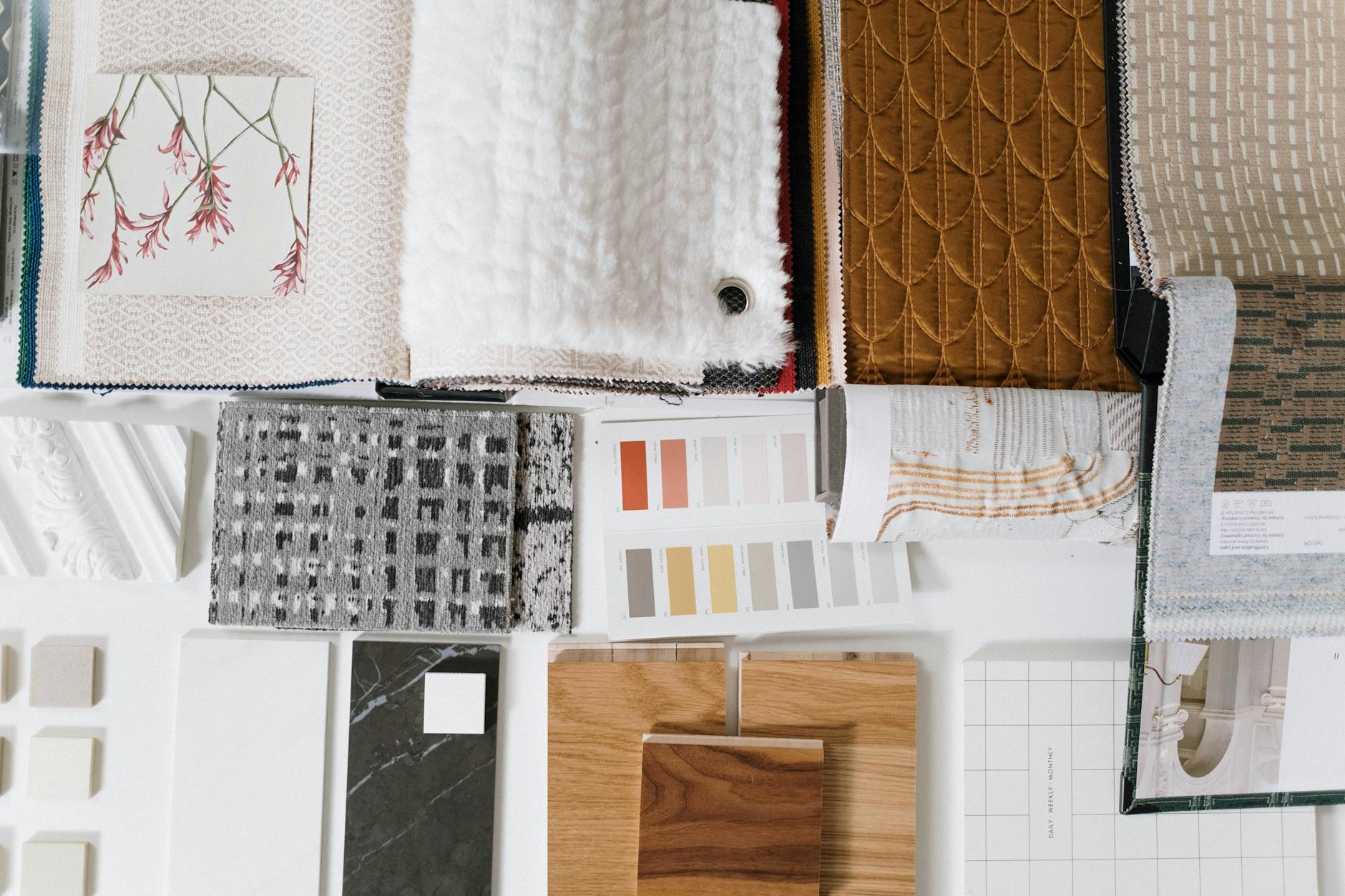
Color plays a vital role in both fashion and interiors, and insights from fashion archives significantly inform current trends. Designers analyze past collections to unearth color palettes that resonate with contemporary audiences. The Pantone Color Institute, for instance, often looks to fashion weeks and historical fashion movements when identifying color trends for each year. A vivid color palette reminiscent of a particular decade can completely transform a room, setting the stage for an atmosphere that reflects that era’s ethos.
Moreover, mood boards that incorporate fashion photography from archives serve as visual inspiration for interior design projects. They help in establishing thematic cohesiveness, allowing designers to pair furniture and decor with the emotional undertones expressed in fashion imagery. A mood board that features the vibrant colors and playful patterns of a 1980s runway show can lead to the selection of bold furniture pieces and statement accessories that embody that same exuberance.
The Celebrity Factor: Icons as Design Influencers
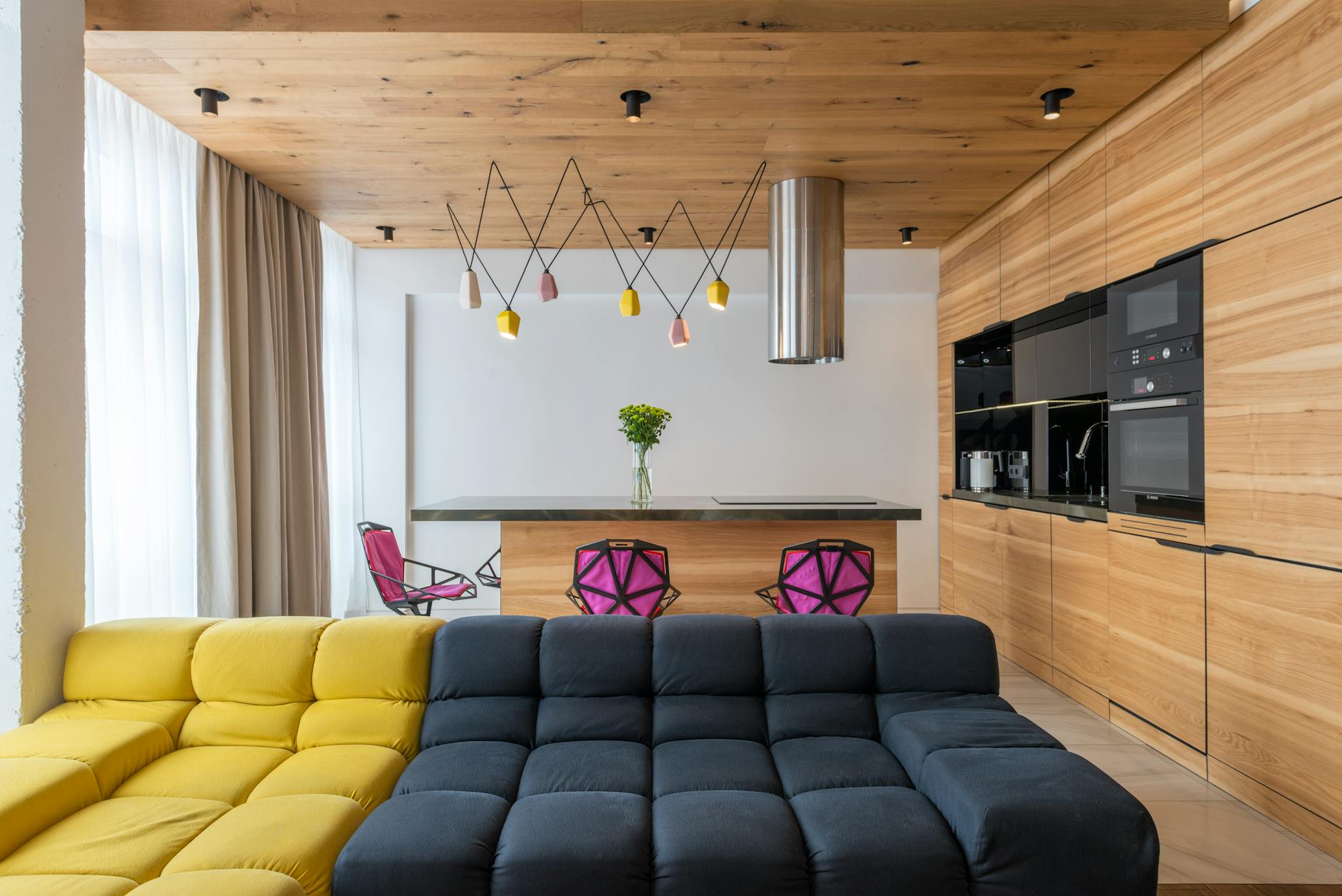
Fashion icons and their personal styles undeniably leave a mark on the world of interior design. Celebrities known for their unique fashion statements often inspire designers to create spaces that reflect similar boldness and individuality. For example, the minimalist yet striking aesthetic of Japanese designer Issey Miyake, famed for his architectural designs, can be mirrored in contemporary interiors focusing on simplicity and functionality. Likewise, the flamboyant style of figures like David Bowie or Grace Jones prompts the incorporation of vibrant colors and eclectic decor, leading to spaces that are both theatrical and inviting.
Furthermore, the rise of social media has catalyzed this phenomenon. Influencers curate their aesthetic, often merging elements of both fashion and interior design, making their followers eager to recreate similar environments in their homes. This cross-pollination fosters a dynamic dialogue between the two worlds, showing how fashion archives not only influence personal style but also the spaces we inhabit.
In addition, fashion archivists and museums, like the Costume Institute at the Metropolitan Museum of Art, offer opportunities for designers to engage directly with historical garments, facilitating an understanding of how past trends can be reinterpreted for modern usage. Events like the Met Gala serve as cultural touchpoints, blending high fashion with interior decor themes, inspiring designers to explore bold aesthetics and storytelling through their work.
The Future of Design in a Fashion-Driven Era
As the boundaries between fashion and interior design continue to blur, the influence of fashion archives is set to grow even more significant. Designers are increasingly encouraged to think across disciplines, integrating fashion history into their design processes. The burgeoning interest in sustainability is also prompting designers to revisit and reinterpret vintage fashion, utilizing these elements as foundations for innovative design solutions.
Moreover, as technology enables new ways of archiving and accessing fashion history, the collaboration between fashion designers and interior designers will likely become more pronounced. Virtual reality exhibitions, for example, can allow designers to immerse themselves in historical collections, gaining insight and inspiration that can be translated into modern decor. This evolving relationship underscores the fact that, while trends may come and go, the lessons from fashion archives will continue to enrich and inform interior design for years to come.
In conclusion, the discussion of how fashion archives influence contemporary interior design is a rich tapestry woven from history, culture, and innovation. By drawing on the lessons, motifs, and sentiments embedded within fashion history, interior designers can forge spaces that are not only visually appealing but also deeply resonant with the stories they tell. The journey forward is about embracing that narrative—designing spaces that reflect who we are, echoing the past while boldly stepping into the future.
