
In recent years, the luxury interior design landscape has evolved beyond mere aesthetics and functionality. With an increasing emphasis on emotional resonance, stories have become a vital component in crafting opulent spaces. This article will explore how storytelling weaves its magic into luxury interiors, elevating designs into immersive experiences.
Creating Emotional Connections
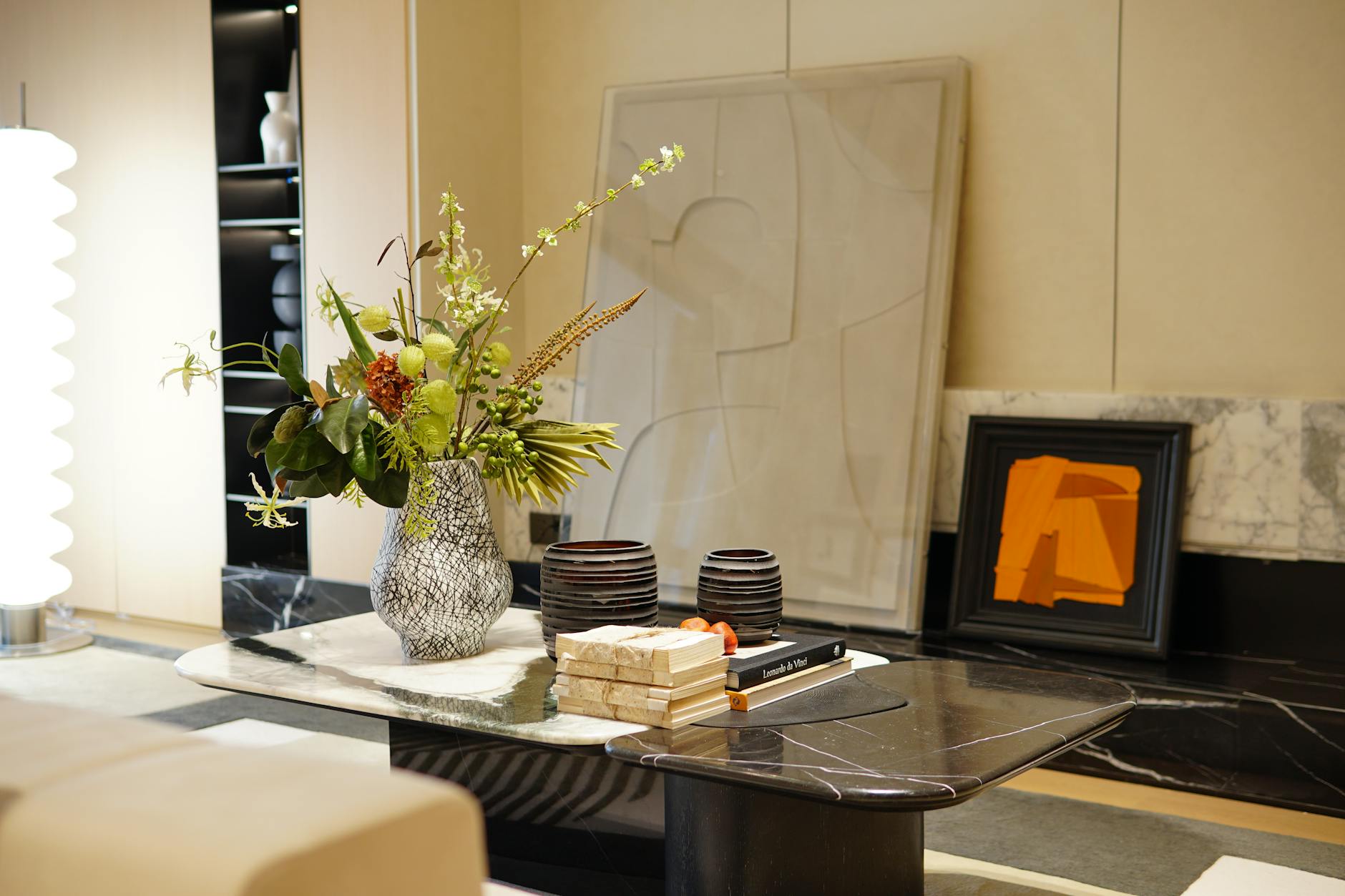
Luxury design is not solely about high-end materials and glamorous finishes; it is about forging emotional connections with the occupants. Each luxury space should narrate a unique story, inviting its inhabitants to engage on a deeper level. For instance, a private residence in a coastal town might incorporate elements that reflect the history of local shipbuilding—such as reclaimed wood or maritime-themed art. Each element serves a purpose, telling stories of the past while weaving them into the fabric of present-day living.
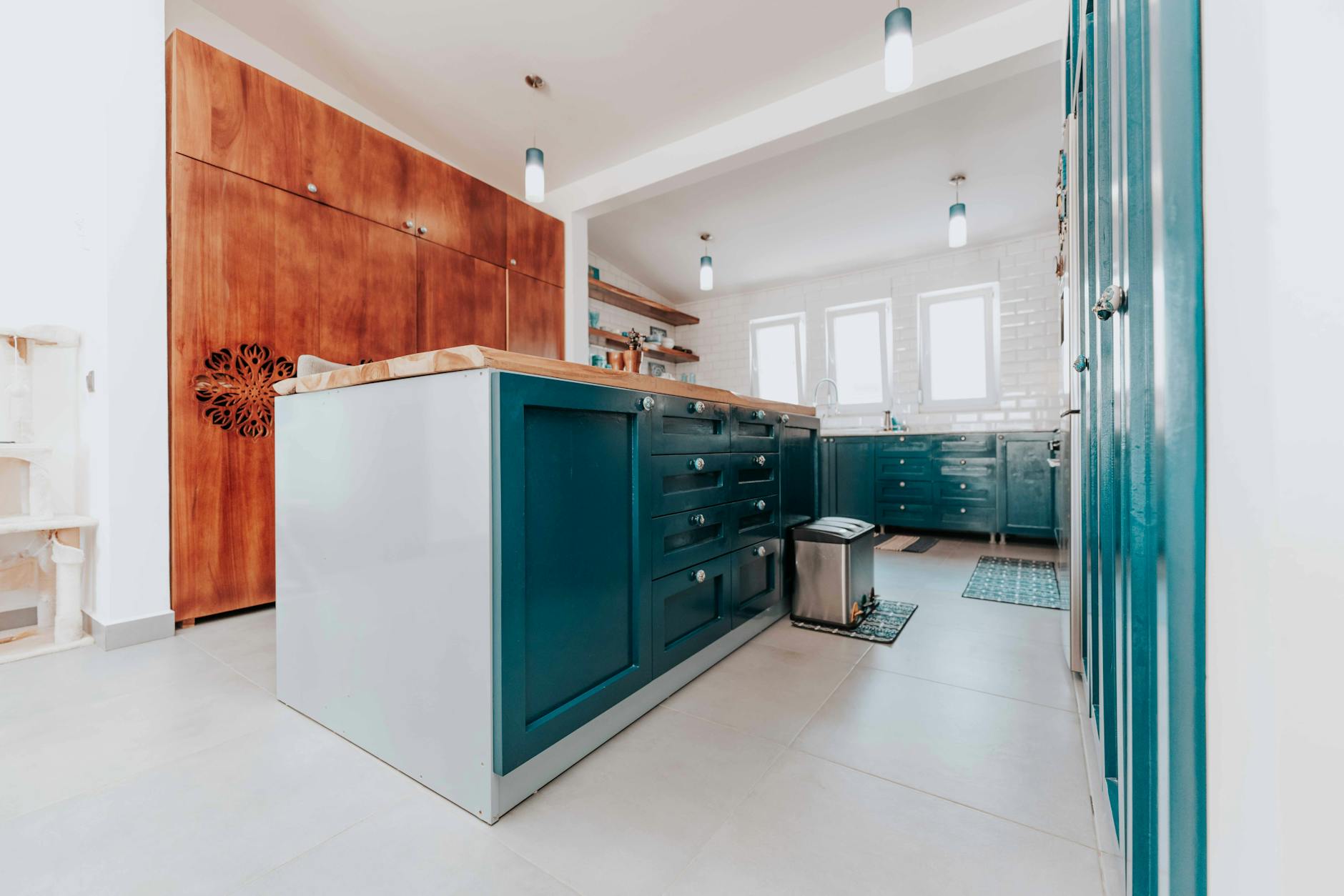
The goal is to ensure that every room sparks joy and resonates with the individual’s or family’s personal history. Consider a luxury kitchen designed for a culinary enthusiast. By incorporating a handcrafted island made from locally sourced stone, enhanced by family photographs, the space tells a rich narrative that celebrates food and family traditions. This personal touch transforms a mere cooking area into a heartwarming hub of connection, making it more than just a place to prepare meals.
Incorporating Cultural Narratives
Luxury interiors also draw upon cultural narratives, enriching the design with a sense of place and history. Designers frequently collaborate with local artisans and craftsmen, allowing the stories of their communities to flourish within the design. Think of a sumptuous library adorned with hand-painted tiles that reflect regional artistry or a living room featuring vintage textiles with stories woven into their very fabric.
By curating a collection of pieces that embody local traditions, designers contribute to the storytelling process while simultaneously honoring cultural heritage. Such approaches not only provide visual interest but also engage guests with a narrative that transcends mere decoration. This fusion of storytelling and luxury serves to reinforce an identity, making each space distinctively meaningful.
The Power of Personalization in Luxury Design
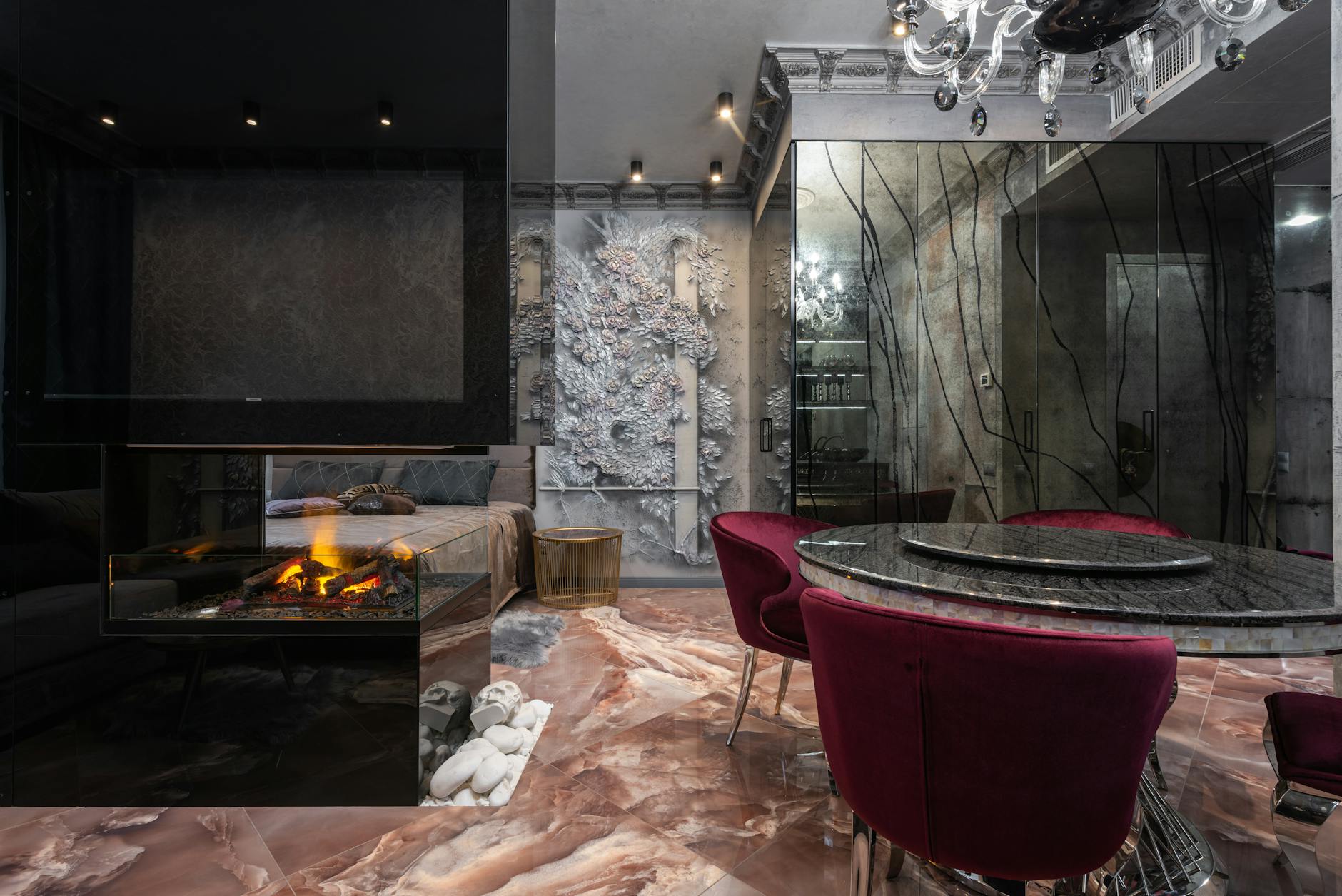
One of the hallmarks of luxury is personalization, and storytelling is a powerful tool in this domain. Customization allows for the integration of personal memories and experiences into the design, turning a generic space into something extraordinary. Imagine a luxurious bedroom where the wallpaper features a delicate pattern inspired by a beloved family vacation. This subtle nod to memory can trigger joy and nostalgia every time one enters the room.
Moreover, personalization can extend to interactive elements in design. For instance, a digital art frame could showcase a rotating selection of family photos or artwork, creating an evolving narrative that reflects the life journey of its inhabitants. This not only enhances the visual appeal of a space but also makes it a living testament to the experiences that shape our lives.
Luxury interior design thus becomes a canvas for personal expression, where each piece tells a story that resonates, both intimately and universally. It embodies the unique character of those who live there, creating spaces that feel alive and deeply connected to personal history.
Art as a Narrative Element
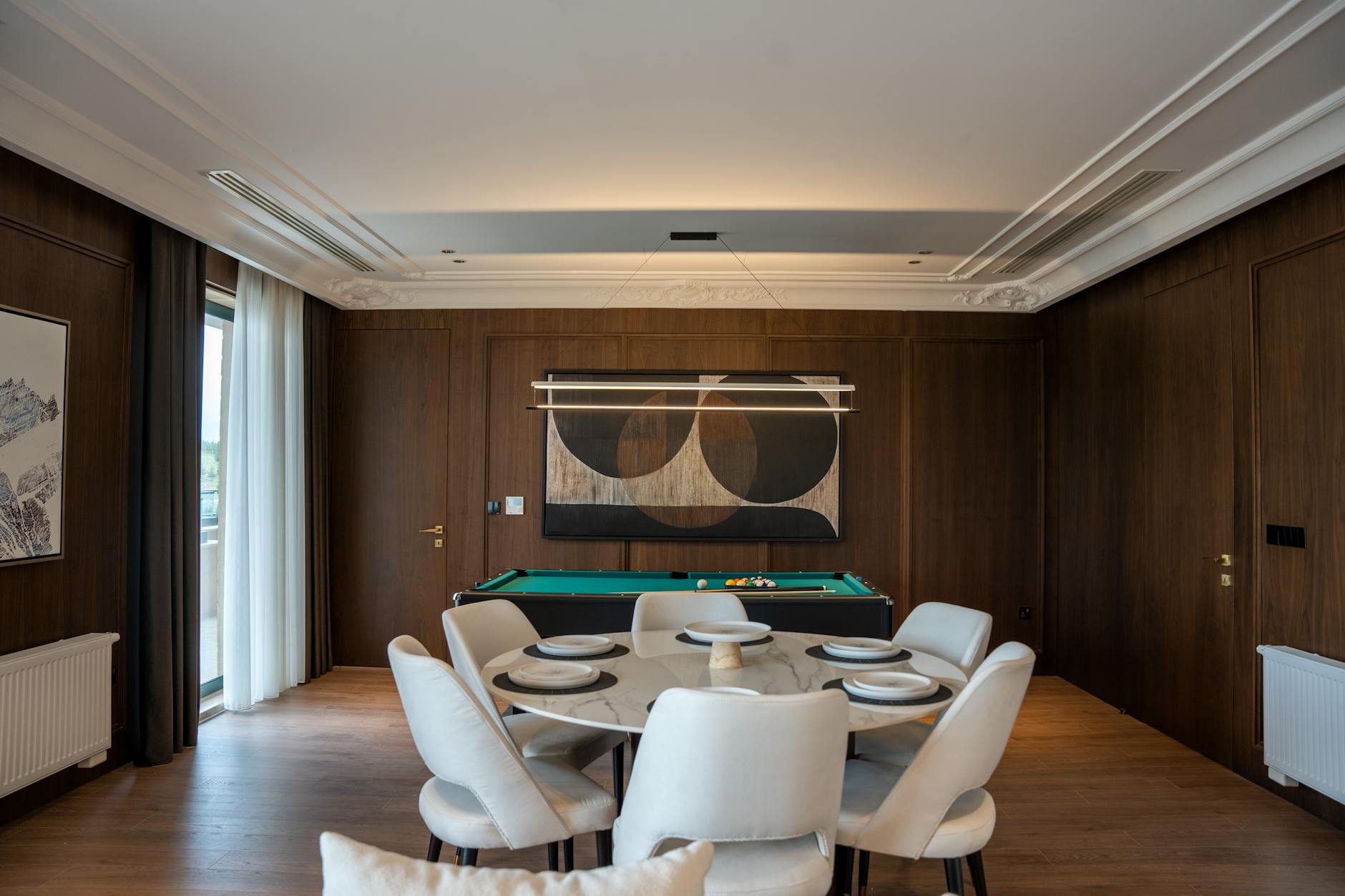
Art plays a crucial role in the storytelling aspect of luxury interior design. Whether through grand installations, sculpture pieces, or subtle wall art, the artwork curated for a space often encapsulates the narrative the homeowners wish to convey. Imagine entering a sumptuous dining room where a large abstract painting reflects the colors of the meal served, drawing guests into a multisensory experience.
Furthermore, art can evoke specific emotions and prompt conversations, acting as a catalyst for storytelling. A collection of antique maps in a study might ignite discussions on travel, exploration, and adventure, while contemporary pieces in a living room could reflect the dynamism of modern life. Each piece not only contributes to the overall aesthetic but also serves as a narrative layer that enriches the ambience of the space.
Designing Experiences through Narrative
Luxury interior design is fundamentally about creating experiences. The role of storytelling is indispensable in crafting these experiences, guiding how individuals interact with their environments. Take, for example, a luxury hotel lobby designed to emulate a serene forest. From the choice of color palette, with earthy tones reminiscent of moss and tree bark, to the incorporation of natural textures and organic shapes, every detail tells a story that connects the guest to the tranquility of nature.
In this manner, narrative-contextual design encourages visitors to immerse themselves fully in the experience, forging connections that extend beyond the surface. As you navigate through the space, each element reinforces this nature-inspired story, whether through a gentle water feature simulating a brook or ambient soundscapes of rustling leaves. Every aspect plays a role in immersing guests into the intended narrative, ensuring a memorable experience that lingers long after they have left.
Ultimately, storytelling in luxury interior design is not just a trend; it is a necessary evolution that reflects our deeper needs for connection, meaning, and identity. By tapping into the power of narrative, designers can create spaces that resonate with an emotional and personal significance, enriching the lives of those who inhabit them.
