
In a world increasingly obsessed with fast fashion and mass production, the realm of luxury craftsmanship stands as a testament to the beauty of artisanal skill and timeless quality. As society evolves, so too does our understanding and appreciation for luxury goods, transforming them from mere status symbols into valuable expressions of culture, individuality, and sustainability. This article delves into the evolution of luxury craftsmanship, exploring its historical foundations, the impact of technology, and the growing demand for sustainable practices.
Historical Foundations of Luxury Craftsmanship
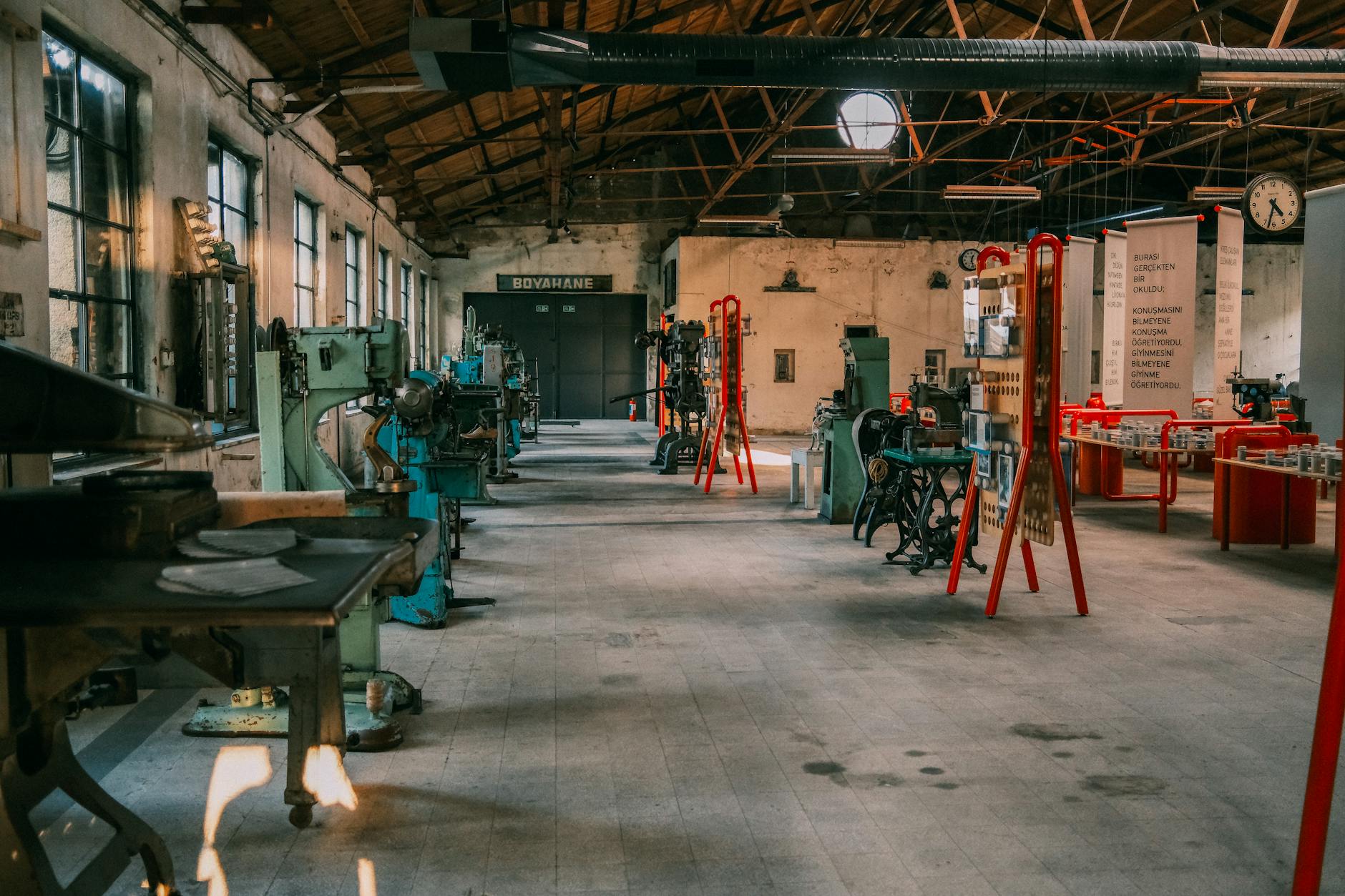
Luxury craftsmanship has deep roots tracing back to ancient civilizations. In cultures such as Egypt, Mesopotamia, and China, artisans dedicated their lives to perfecting their skills, creating intricate jewelry, fine textiles, and beautifully constructed furniture. These products were not only functional items but also served as symbols of status and wealth.
During the Renaissance, a renewed appreciation for art and craftsmanship emerged, fueled by the patronage of wealthy merchants and aristocrats. Craftsmen, often working in guilds, honed their skills and produced items that showcased both functionality and artistic beauty. The era’s architecture and decorative arts were marked by ornate details, demonstrating the potential of skilled artisans to infuse life into inanimate objects.
The Industrial Revolution marked a pivotal shift in the landscape of luxury. While mass production allowed for the democratization of certain goods, it simultaneously threatened the craftsmanship that had historically defined luxury. Yet, this very disruption fostered a resurgence in appreciation for handmade items as consumers began to crave authenticity and uniqueness—qualities often lost in mass-produced goods.
The Impact of Technology on Craftsmanship
In the 21st century, technology has played a dual role in luxury craftsmanship. On one hand, advanced manufacturing techniques and digital tools have revolutionized the way artisans create. Technology enables unprecedented precision and the ability to push the boundaries of design. For example, 3D printing has opened up new avenues for customization, allowing consumers to commission pieces that perfectly match their tastes.
However, this technological advancement brings challenges, particularly in maintaining the delicate balance between tradition and innovation. Consumer interest in personalized products has surged, leading luxury brands to blend traditional techniques with modern technology. For instance, brands like Louis Vuitton have introduced digital design elements while still honoring their heritage through artisanal craftsmanship.
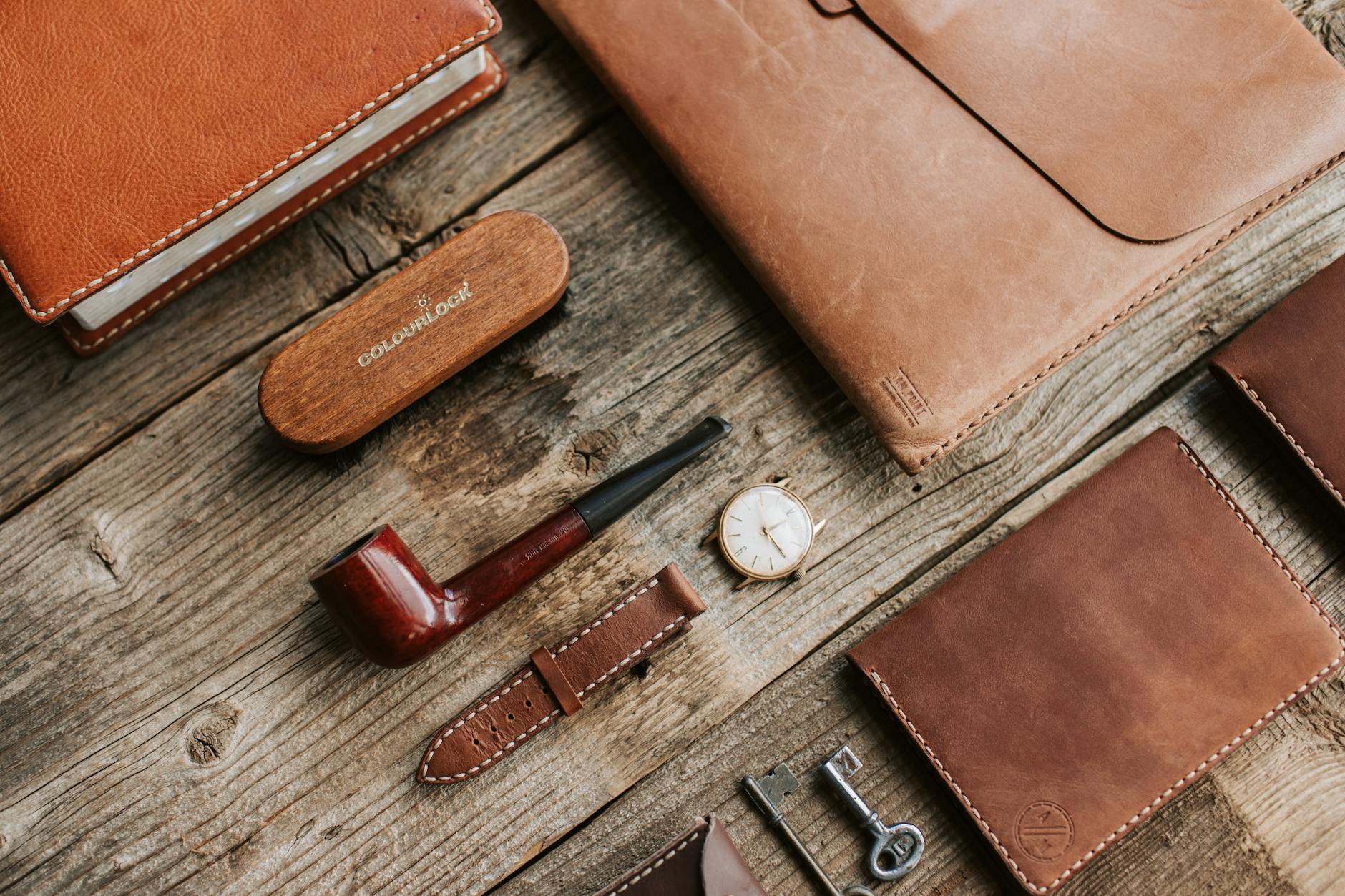
Moreover, technology has transformed the way luxury goods are marketed and sold. Social media platforms allow artisans and brands to showcase their craftsmanship to global audiences. This visibility not only elevates lesser-known artisans but also educates consumers about the value of handmade products, encouraging a shift away from disposable consumerism.
The Demand for Sustainability in Luxury Craftsmanship
As the luxury market continues to evolve, sustainability has emerged as a significant consideration for consumers. The modern luxury consumer is increasingly aware of the environmental and ethical implications behind their purchases. This shift has prompted many luxury brands to reevaluate their sourcing strategies and production processes.
Artisanal craftsmanship inherently supports sustainability, as it often emphasizes quality over quantity and encourages the use of sustainable materials. For example, brands such as Stella McCartney have become pioneers in using eco-friendly materials without compromising on style or luxury. By promoting craftsmanship that is mindful of environmental impact, these brands cater to a growing audience seeking more responsible purchasing options.
Furthermore, the rise of the second-hand market reflects a broader cultural shift towards sustainability. Platforms like The RealReal and Vestiaire Collective have made it easier for consumers to buy and sell luxury items, extending the lifecycle of products and reducing waste. This renewed appreciation for pre-owned goods aligns perfectly with the ethos of craftsmanship, where quality and longevity take precedence over fleeting trends.
The Future of Luxury Craftsmanship
Looking ahead, the future of luxury craftsmanship lies in the harmonious integration of tradition and innovation. As technology continues to advance, artisans will find new ways to adapt and evolve their practices while staying true to the roots of their crafts. Brands that embrace this evolution will likely find success in catering to a discerning consumer base that values both artistry and ethical considerations.
Additionally, with global travel and cultural exchange becoming more accessible, artisans have the opportunity to draw inspiration from diverse traditions and techniques. This melding of cultures could lead to exciting new forms of craftsmanship that celebrate global heritage while fostering inclusivity within the luxury sector.
Moreover, education will play a critical role in nurturing the next generation of artisans. Initiatives that promote craftsmanship as a viable career path can help ensure the preservation of skills and techniques that might otherwise fade into obscurity. By investing in education and training, the luxury sector can cultivate a new wave of talented craftsmen and women, ensuring that the legacy of artisanal skill endures.
Conclusion: A Celebration of Artistry and Individuality
The evolution of luxury craftsmanship reflects broader societal changes, showcasing a shift towards authenticity, sustainability, and a deeper appreciation for artistry. As consumers continue to seek out unique, high-quality products, the demand for skilled artisans is likely to rise. In embracing both tradition and innovation, the future of luxury craftsmanship promises to celebrate individuality and creativity while honoring the rich heritage that has shaped its journey.
Luxury craftsmanship is not simply about the finished product; it is a story of passion, dedication, and the relentless pursuit of perfection.
